
Mastering the Art of Door Closure: Training Your Canine Companion
Unlock Your Dog's Potential to Assist with Household Tasks
- Positive Reinforcement is Key: Successful dog training, especially for complex tasks like closing a door, hinges on consistent positive reinforcement with treats, praise, and toys.
- Break Down the Task: Deconstruct the "close door" command into smaller, manageable steps, starting with basic targeting and gradually adding complexity, ensuring your dog understands each stage.
- Patience and Consistency: Training requires patience. Short, fun, and frequent sessions are more effective than long, frustrating ones. Celebrate small victories and don't rush the process.
Teaching your dog to close a door is not only an impressive trick but also a practical skill that can assist in various everyday situations, such as when your hands are full with groceries or if you have mobility challenges. This advanced trick builds upon foundational obedience and targeting skills, demonstrating the incredible intelligence and eagerness of our canine companions to learn and help. The process involves breaking down the complex action into simpler, repeatable steps, utilizing positive reinforcement to encourage and reward desired behaviors.
Laying the Foundation: Essential Pre-Training Skills
Before embarking on the journey of teaching your dog to close a door, it's crucial to ensure they have a solid understanding of basic obedience commands and, ideally, some preliminary targeting skills. These foundational elements will make the more complex "close door" command much easier for your dog to grasp.
Basic Obedience Commands
A well-behaved dog with good basic obedience is more receptive to learning new and advanced tricks. Ensure your dog is proficient in commands such as "sit," "stay," and "come." These commands establish a clear communication channel between you and your dog and build a disciplined learning environment.
- "Sit" and "Stay": These are fundamental for controlling your dog's position and impulse, which will be vital when you need them to remain by the door.
- "Come": A strong recall ensures your dog will return to you on command, which is essential for managing their movement around the door during training.
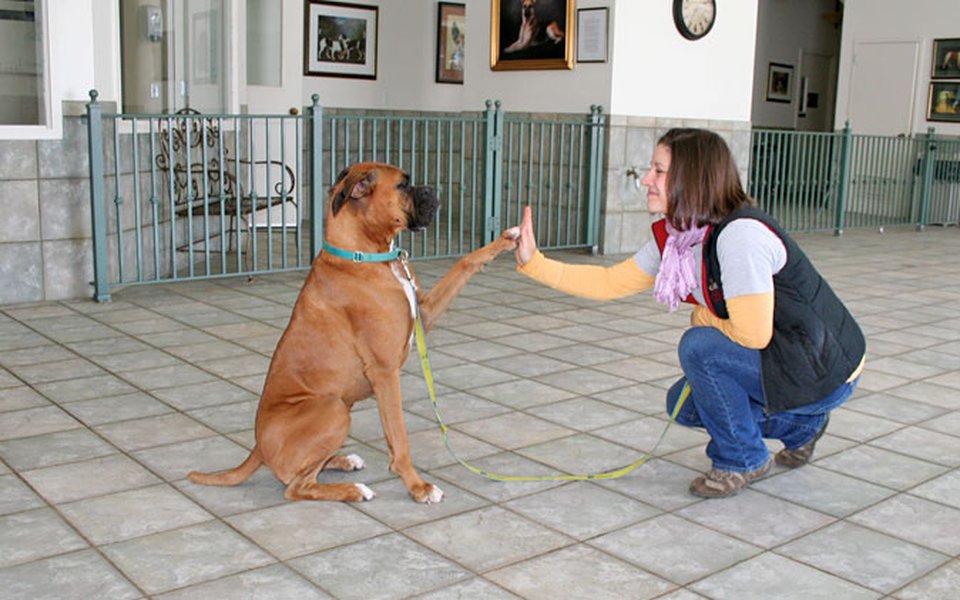
A well-trained dog exhibiting good door manners.
Introducing Targeting Skills
Targeting is the act of teaching your dog to touch a specific object with their nose or paw on command. This skill forms the cornerstone of teaching your dog to interact with the door. You can use a post-it note, the end of a ruler, or even your hand as a target.
- Nose Touch: Hold the target in front of your dog's nose. As soon as they sniff or touch it, reward them with praise and a treat. Repeat this until they consistently touch the target immediately.
- Paw Touch (Optional but Useful): For dogs who might prefer using their paws, you can teach a "give paw" or "shake" command, then gradually transfer this to touching the door. However, for glass doors, a nose target is safer to prevent injury.
Step-by-Step Guide to Training Your Dog to Close the Door
Once your dog has a grasp of the foundational skills, you can begin the specific training steps for closing the door. Remember to keep training sessions short, positive, and fun to maintain your dog's enthusiasm.
Phase 1: Introducing the Door and Target
Attaching the Target to the Door
Start by placing your chosen target (e.g., a post-it note) at your dog's nose height on a lightweight interior door that can swing easily. The door should be slightly ajar. The initial goal is for your dog to associate the target on the door with a reward.
Guide your dog to the door and encourage them to touch the target with their nose. The moment their nose makes contact, click (if using a clicker) or say a verbal marker like "Yes!" and immediately offer a high-value treat. Repeat this multiple times until your dog consistently touches the target on the door without hesitation.
Gradually Moving the Target and Encouraging Push
As your dog becomes proficient at touching the target, gradually move the target closer to the edge of the door, where they will need to exert a slight push to make contact. This subtle shift encourages them to apply more force. Continue to reward enthusiastically when they touch the target, especially if it causes the door to move even slightly. If your dog pushes the door extra hard, praise them profusely.
Phase 2: Reinforcing the Closing Motion
Rewarding Door Movement
The next step is to reward any action that results in the door moving towards closure. Start by holding the target, or your fist with a treat inside, against the door. Encourage your dog to push on it. As they push, even a slight movement of the door should be immediately rewarded. The aim is to get them to understand that pushing the door shut earns them a reward.
Many dogs will eventually try to touch the door with more enthusiasm or poke it with a paw when they become frustrated, leading to the door moving. Capture these moments with a click/marker and a treat.
Transitioning to Full Closure
Once your dog consistently pushes the door enough for it to move, begin to only reward them when the door closes completely. This might involve holding back the treat until the door makes a clicking sound or fully contacts the frame. This teaches them the desired end behavior. If your dog gets confused or struggles, go back to the previous step where you rewarded for any movement of the door, and then slowly build up to full closure again.
Phase 3: Adding the Verbal Cue and Fading the Target
Introducing the Command
Once your dog is reliably closing the door, introduce a verbal cue like "close" or "shut the door." Say the command just as your dog is about to push the door shut, and then reward them as it closes. Consistency in your command is crucial. Repeat this step numerous times until your dog associates the verbal cue with the action of closing the door.
This radar chart illustrates the key elements contributing to successful dog training, with higher values indicating greater importance or impact. "Patience" and "Consistency" are shown as paramount, reinforcing their critical role. "Positive Reinforcement" stands out as the most impactful method, while "Clear Communication" and "Breaking Down Steps" are essential for the dog's understanding. "Adaptability" highlights the need for trainers to adjust their methods based on the dog's individual response. The "Challenges in Training" dataset provides a contrast, showing lower scores, as these are areas to minimize or overcome.
Removing the Target
Once your dog responds well to the verbal command, you can gradually fade out the physical target. Start by holding the target farther away from the door, then eventually remove it altogether, relying solely on the verbal cue, praise, and rewards. Practice in different locations and with different doors to generalize the behavior.
Advanced Techniques and Troubleshooting
Once your dog has mastered the basic "close door" command, you can refine the behavior and address any challenges that may arise.
Dealing with Specific Door Types
The type of door can influence the training process. A lightweight interior door is ideal for initial training, but you may want your dog to close a heavier back door.
- Heavy Doors: For heavier doors, you might need to use a rope or towel tied to the door for your dog to tug or push against initially. This gives them a clear point of contact and leverage.
- Glass Doors: For glass doors, emphasize nose targeting rather than pawing to prevent damage or injury.
Ensure the door is reachable and suitable for your dog's size and strength. A small dog might struggle with a very heavy door, while a large dog could be too forceful with a light one.
Troubleshooting Common Issues
Training isn't always linear, and you might encounter some common challenges.
| Challenge | Description | Solution |
|---|---|---|
| Dog loses interest | Your dog becomes bored or disengaged during training sessions. | Keep sessions short (5-10 minutes), fun, and frequent. Use high-value treats and end on a positive note. |
| Dog pushes too lightly | The dog touches the door but doesn't apply enough force to close it. | Withhold the treat until there's more significant movement. Mark and reward incremental progress in pushing harder. |
| Dog pushes too hard | The dog slams the door shut or tries to use excessive force. | Reward for gentle, controlled pushes. If using a target, place it where a controlled push is required. |
| Dog tries to get treats without closing the door | Your dog might try to perform partial actions or go outside without needing to, just to get treats. | Only reward when the door fully closes. If they go outside, only reward if they also relieve themselves. Make non-potty trips less exciting. |
| Dog is fearful of the door | The dog shows anxiety or reluctance around the door. | Start with the door flap completely off (for doggy doors) or fully open. Gradually introduce the door. Never push or scold a fearful dog. Make it a positive experience with abundant treats. |
Generalization and Maintenance
Once your dog has mastered closing a specific door, practice in different environments with various doors to generalize the behavior. This ensures they can perform the trick on command, regardless of the location. Consistency is paramount; never allow or reward undesirable door behaviors, as this can confuse your dog.
To keep the skill sharp, incorporate the "close door" command into your daily routine. This could be as simple as asking them to close the bathroom door or a cabinet door. Regular practice reinforces the learned behavior.
The Benefits of Door Manners and Advanced Training
Beyond the impressive display of skill, teaching your dog door manners and advanced tricks like closing doors offers numerous benefits:
- Safety: Preventing your dog from bolting out of an open door is crucial for their safety, especially in urban environments. "Wait" commands at doors are a fundamental part of this.
- Convenience: Having a dog that can close a door can be incredibly helpful when your hands are full, or for individuals with mobility challenges.
- Mental Stimulation: Learning new tricks provides valuable mental stimulation for your dog, which can prevent boredom and destructive behaviors.
- Strengthened Bond: Training sessions are excellent bonding opportunities, strengthening the relationship and communication between you and your dog.
This video offers a practical guide on teaching your dog to close doors, breaking down the steps in an easy-to-follow manner, and demonstrating the effectiveness of positive reinforcement techniques. It's a great visual aid to complement the detailed steps outlined in this guide.
Frequently Asked Questions
How long does it take to train a dog to close a door?
Can any dog be trained to close a door?
What kind of treats should I use for training?
What if my dog is afraid of the door flap?
Is it better to use a clicker or verbal markers for training?
Conclusion
Training your dog to close the back door is a rewarding endeavor that highlights the strong bond and communication you share. By breaking down the task into manageable steps, consistently applying positive reinforcement, and exercising patience, you can teach your canine companion this impressive and practical skill. This training not only provides a useful household helper but also offers valuable mental stimulation for your dog and strengthens your relationship, proving that with the right approach, anything is possible for our clever furry friends.
Recommended Further Exploration
- How to teach a dog to wait at the door politely?
- What are some advanced dog tricks and obedience training techniques?
- What are the benefits of positive reinforcement in dog training?
- How can I prevent my dog from door dashing?
References
Last updated May 21, 2025