
Comprehensive Overview of Tree Diseases
Understanding common tree diseases, their symptoms, and best practices for prevention and treatment
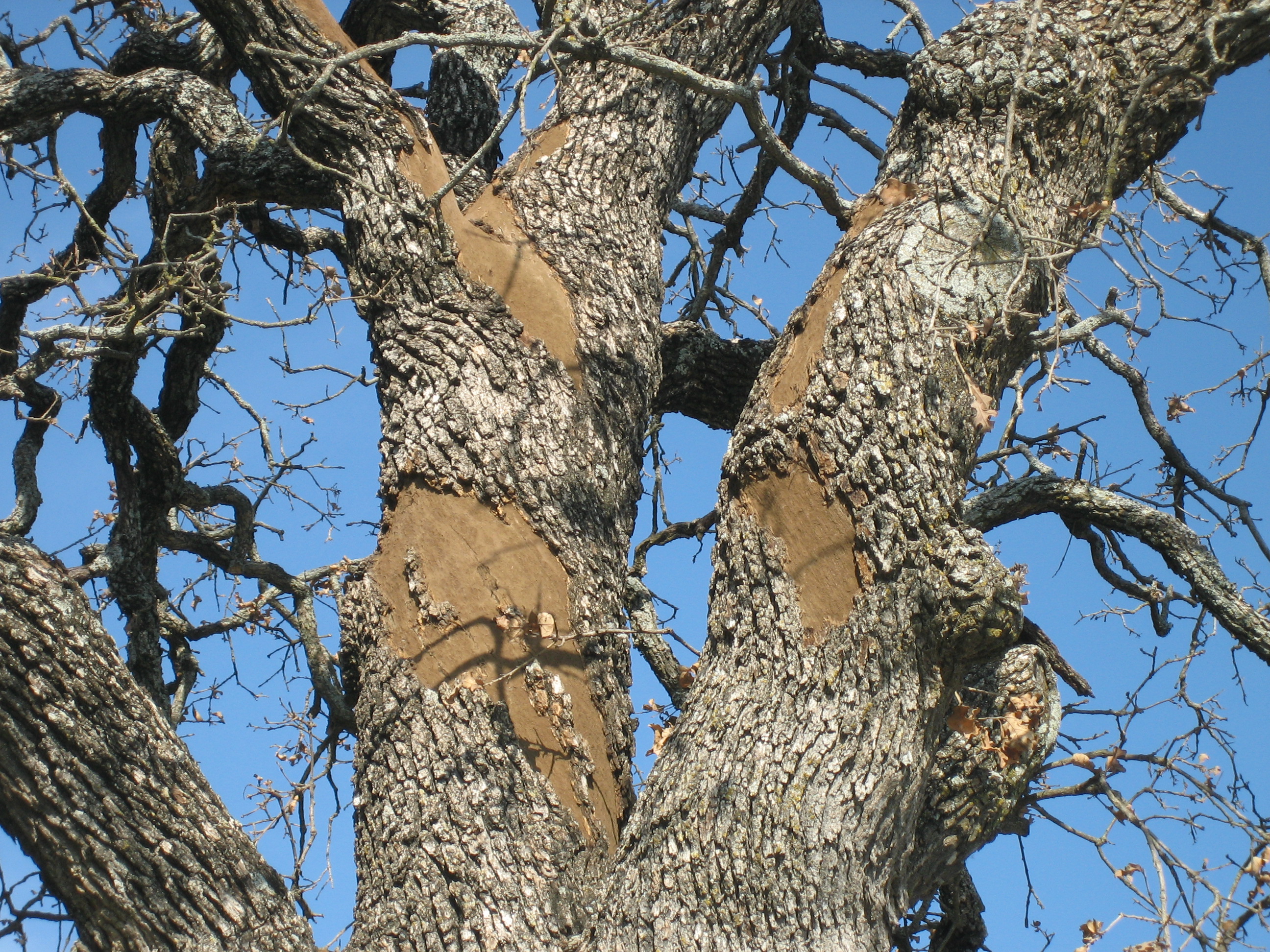
Highlights
- Identification and Diagnosis: Recognize key symptoms and signs such as leaf spots, wilting, and fungal growths.
- Prevention and Cultural Practices: Promote tree health through proper care, pruning, and use of resistant varieties.
- Treatment Strategies: Employ methods including fungicide application, careful removal of contaminated material, and improving environmental conditions.
Introduction
Trees, as essential components of the ecosystem, provide numerous environmental, social, and economic benefits. However, they are vulnerable to a wide variety of diseases caused by fungi, bacteria, viruses, and abiotic factors such as drought and pollution. Understanding tree diseases is critical not only for conservation and urban landscaping but also for agriculture and forestry. This comprehensive guide explores the myriad aspects of tree diseases, from identification and diagnosis to prevention and treatment.
Types of Tree Diseases
Fungal Diseases
Fungi represent one of the most common causes of tree diseases. They can attack every part of the tree including leaves, bark, and roots, and are responsible for many widespread conditions. A few notable fungal diseases include:
Anthracnose
Anthracnose is a fungal infection that typically presents as irregular leaf spots often accompanied by blotchy areas, and sometimes twig dieback. It affects a wide range of species including maples, oaks, and dogwoods. Although it causes visible damage, it is usually not fatal if managed in time. Pruning infected limbs and the application of fungicides, particularly during moist conditions, can control its spread.
Powdery Mildew
Characterized by a white or gray powdery coating on leaves and young shoots, powdery mildew is common in environments with moderate humidity. It not only diminishes the aesthetic quality of trees but can also stunt growth. Management practices include improving air circulation around trees and using fungicidal sprays when necessary.
Rusts
Rust fungi cause yellow or orange spots on leaves, often with a powdery spore mass. These spot formations can disrupt the photosynthetic capacity of the leaves, leading to early defoliation. Trees such as poplars and cottonwoods are frequently affected. Prevention measures include timely removal of infected leaves and ensuring good air flow around foliage.
Bacterial Diseases
Bacterial pathogens can be particularly aggressive and cause rapid decline in tree health. Their effects can often mimic those of fungal infections, making diagnosis challenging. Here are some notable bacterial diseases:
Fire Blight
Fire blight, caused by bacteria, typically affects members of the rose family, though some ornamental trees can also be impacted. It exhibits symptoms such as wilting, blackening of branches, and oozing lesions that give the appearance of being scorched by fire. Management often involves harvesting and disposing of infected branches, sterilizing tools, and applying copper-based bactericides during the growing season.
Bacterial Leaf Scorch
This disease is marked by marginal leaf scorch where the edges turn brown, accompanied by yellowing and premature leaf drop. While there is no outright cure, maintaining overall tree vigor is crucial to slow the progression. Some cases involve bacterial agents like Xylella fastidiosa, which require careful monitoring and vector control.
Viral Diseases
Viral infections can cause a mosaic of symptoms on foliage. Trees infected with viral agents often exhibit mottled or variegated patterns, with some cases leading to stunted growth. Generally, the management of viral diseases involves removing infected plants to prevent their spread, as there are typically few treatment options beyond cultural practices.
Root and Systemic Diseases
Diseases that primarily target the roots can be immensely damaging because they interfere with the tree's ability to absorb nutrients and water, ultimately leading to decline or death. These conditions are often systemic, meaning they affect the entire tree.
Armillaria Root Rot
Armillaria root rot is caused by a fungal pathogen that attacks the roots and lower trunk. This disease often produces mushrooms at the base of the infected trees and a distinctive white fungal mat under the bark. Eradication is challenging; therefore, the removal of infected trees is typically recommended to stop the spread.
Phytophthora Root Rot
Phytophthora species are fungus-like organisms known to thrive in wet, poorly drained soils, causing severe root decay. Trees afflicted by Phytophthora exhibit chlorotic leaves, stunted growth, and eventual decline. Treatment focuses on improving drainage and soil conditions, alongside the application of chemical treatments when appropriate.
Verticillium Wilt
Verticillium wilt is a soil-borne fungal disease that disrupts the vascular system responsible for water transport. Affected trees display sudden wilting, leaf discoloration, and branch dieback. Unfortunately, there is no effective cure other than prevention, which emphasizes the importance of planting resistant species and maintaining healthy growing conditions.
Other Notable Conditions
Apart from the major categories above, some diseases and conditions merit special attention due to their unique manifestations and management challenges.
Leaf Spot Diseases
Leaf spot diseases, often caused by a variety of fungal pathogens, result in discolored spots on the leaves. These diseases are primarily a cosmetic issue, but they can impair photosynthesis if severe. Management involves fungicidal treatments and the removal of fallen leaves to reduce the inoculum.
Canker Diseases
Canker diseases create localized necrotic areas on trunks, branches, or stems. These are typically brought on by fungal or bacterial infections, and they can weaken the structural integrity of the tree. Effective management includes pruning the affected areas and applying appropriate fungicides or bactericides.
Witches' Broom
Characterized by the formation of dense clusters of small branches, witches’ broom is a symptom of a variety of underlying infections, including fungal and viral agents. While sometimes only an aesthetic concern, severe cases may compromise tree health, and common management techniques involve careful pruning.
Gall Formation
Galls are abnormal outgrowths on various parts of the tree, resulting from infections by insects, mites, or bacteria. They may affect leaves, stems, or roots. Management primarily consists of removing the galls and controlling the insects or pathogens responsible for their formation.
Diagnosis and Identification
Early detection and proper identification of tree diseases are vital for timely intervention. Diagnosis typically involves observing a combination of signs and symptoms:
Signs of Infection
Signs are the visible, physical changes that occur in or on the tree due to the disease. Common signs include the appearance of fungal fruiting bodies like mushrooms, white rust, or blackened knots on branches, and other unusual growths. Additionally, external evidence such as cankers or galls can signify localized infections.
Symptoms in the Tree’s Response
Symptoms refer to the tree's physiological response to infection. These include premature leaf drop, chlorosis (yellowing of leaves), wilting, and stunted growth—each varying by the type of pathogen and environmental stress. Routine inspection during peak growing seasons and episodic extreme weather events can help facilitate early detection.
Diagnostic Tools
In addition to visual inspections, the use of diagnostic tools and laboratory testing can be crucial for identifying the exact pathogen. In many cases, consulting with a certified arborist or local extension service is recommended to pinpoint the cause of a decline in tree health.
Management and Prevention Strategies
Preventing and controlling tree diseases rely on integrated management practices that emphasize both cultural and chemical controls. Prioritizing tree health is the cornerstone of any effective disease management program.
Cultural Practices
Non-chemical cultural practices are fundamental in preventing the onset and spread of tree diseases:
Proper Watering and Soil Management
Maintaining adequate soil moisture without overwatering is essential. Trees growing in well-drained soils are less prone to fungal infections. For trees in high rainfall areas or poorly drained soils, improving drainage can significantly reduce the risk of root rot and similar diseases.
Pruning and Sanitation
Regular pruning not only removes diseased or dead branches but also enhances air circulation among the foliage, which decreases the likelihood of fungal infections. Sanitation is paramount—removing and properly disposing of affected material helps to reduce pathogen reservoirs. It is advisable to sterilize pruning tools between cuts to prevent cross-contamination.
Resistant Varieties
Selecting tree species or cultivars known for their resilience to common local diseases is a long-term strategy that can reduce the likelihood of infections. Resistance helps trees withstand both biotic and abiotic stresses.
Chemical Controls
Where cultural management falls short, chemical controls such as fungicides and bactericides can be used:
Fungicides
Fungicides are the primary treatment for many fungal infections, including anthracnose, powdery mildew, and leaf spot diseases. Their effectiveness greatly increases when applied during early symptoms or during periods conducive to fungal growth (e.g., high humidity, moderate temperature fluctuations). It is important to strictly follow label instructions to avoid damage to the tree and surrounding flora.
Bactericides
In the case of bacterial diseases such as fire blight and bacterial leaf scorch, bactericides — often based on copper compounds — are employed. Their application, typically in conjunction with proper pruning and sanitation, can help limit disease progression. However, their overall success largely depends on early detection.
Environmental and Preventive Measures
Preventing tree diseases through environmental modification plays a critical role in long-term tree health. Reducing stressors such as pollution, drought, and mechanical damage enhances a tree's natural defenses:
Site Selection and Planting
Selecting the appropriate species for a particular environment and ensuring that trees are planted in suitable locations with proper spacing can reduce the likelihood of disease. Trees that are well-adapted to local conditions are more resistant to infections and stress.
Monitoring and Early Intervention
Regular monitoring is essential in catching diseases at an early stage. Long-term observation, especially during periods of adverse weather, can help in implementing early intervention measures. Early removal of infected limbs and careful observation of symptomatic changes are critical components of this approach.
Comparative Summary Table
The following table summarizes several key tree diseases, their causes, symptoms, and common management practices:
| Tree Disease | Cause | Key Symptoms | Management Practices |
|---|---|---|---|
| Anthracnose | Fungal Infection | Irregular leaf spots, blotches, twig dieback | Pruning, fungicide application, sanitation |
| Fire Blight | Bacterial Infection | Wilting, blackened branches, oozing cankers | Pruning of infected areas, copper sprays, tool sterilization |
| Armillaria Root Rot | Fungal Pathogen | Mushroom formation at trunk base, root decay | Removal of infected trees, improving soil drainage |
| Powdery Mildew | Fungal Pathogen | White powdery coating on leaves and shoots | Improving air circulation, fungicides |
| Verticillium Wilt | Soil-Borne Fungus | Sudden wilting, leaf yellowing and browning | Preventive planting of resistant varieties, soil management |
Case Studies and Practical Examples
Addressing tree diseases requires an amalgamation of academic research, field studies, and practical interventions. Several case studies across different regions have highlighted the importance of early detection and integrated management:
Urban Forestry
In many urban settings, trees are subjected to stress factors like pollution, restricted rooting space, and mechanical damage. Urban foresters have largely reported that regular monitoring coupled with timely interventions—such as targeted pruning and the use of low-toxicity fungicides—improves tree longevity. Organizations often conduct routine surveys to track tree health and deploy quick response teams to manage emerging disease outbreaks.
Forestry and Large-scale Plantations
In forestry, where tree diseases can rapidly spread across extensive areas, management strategies are more systematic. For example, in cases of Dutch Elm Disease or Oak Wilt, forestry management practices include removing infected trees and establishing buffer zones to prevent the spread via root grafts or insect vectors. Implementation of preventive measures such as using resistant cultivars and maintaining proper spacing is critical in these contexts.
Ornamental Trees and Landscape Management
Ornamental trees, while often selected for their aesthetic value, are also susceptible to diseases like cankers, leaf spots, and rusts. Landscape managers typically integrate preventative watering regimes, regular pruning, and strategic chemical applications to manage these issues. Gardens and parks benefit greatly from proactive management—transforming potential losses into opportunities to demonstrate best care practices.
Conclusion and Final Thoughts
In summary, tree diseases represent a complex challenge that requires a multifaceted approach. Understanding the specific causes—whether fungal, bacterial, viral, or environmental—and recognizing the unique symptoms associated with each condition is crucial in formulating an effective management plan. The integration of cultural practices, chemical treatments, and careful monitoring forms the backbone of successful disease management. Moreover, proactive measures such as selecting resistant tree species, ensuring optimal soil and water conditions, and practicing proper sanitation cannot be emphasized enough.
Maintaining healthy trees not only preserves the ecological balance but also contributes to urban aesthetics and environmental quality. In all cases, early detection and professional consultation are essential, as delays can lead to significant losses both in landscape beauty and ecosystem functionality. Through continuous learning and observation, arborists and tree care professionals can further refine these strategies to keep our green companions thriving for generations to come.
References
- Alliance Tree Care Inc. - Tree Diseases
- EOS - Tree Diseases
- University of Arkansas Division of Agriculture - Disease Problems
- Bay Area Tree Specialists - Common Tree Diseases
- Treehugger - Common Tree Diseases
- Davey Tree - Early Signs of Tree Diseases
Recommended
Last updated February 20, 2025