
Research Review on TUPAD Program Motivations
An In-depth Analysis of Financial Incentives and Community Advocacy
Highlights
- Financial Incentives: The primary driver is the provision of immediate financial relief through wages that meet regional minimum standards, increasing participants’ income significantly.
- Community Advocacy: Engagement in community service projects builds civic responsibility and pride, contributing to local development and environmental enhancement.
- Dual Motivations: Understanding the interplay between economic necessity and altruistic community service is crucial for optimizing the program’s design and outreach.
Introduction
The Tulong Panghanapbuhay sa Ating Disadvantaged/Displaced Workers (TUPAD) program is a crucial government initiative in the Philippines that provides direct, short-term employment to vulnerable sectors of society. This research review examines the motivations behind the participation in TUPAD programs. It highlights two major themes: the financial incentives that ensure immediate economic relief for displaced workers and the advocacy for community cleanliness that underpins social and civic engagement. Both motivational factors work in tandem to address the pressing needs of disadvantaged households while simultaneously fueling community development projects.
The following sections provide an in-depth analysis of both motivations. The discussion is supported by statistical evaluations, economic assessments, and an exploration of socio-cultural dynamics within the framework of the TUPAD program. Critical insights include the assessment of how financial incentives drive immediate economic benefits and how community-oriented projects enhance local services and foster a sense of civic responsibility among participants.
Financial Incentives as a Primary Motivation
Overview of Financial Incentives
Financial incentives are at the forefront of motivating participation in the TUPAD program. Participants benefit from short-term employment that grants them access to wages calculated according to regional minimum wage standards. Given the economic hardships faced by displaced and underemployed workers, receiving an income that substantially contributes to daily living expenses is a powerful motivator.
Research has indicated that the influx of money via the TUPAD scheme can raise a participant's annual income by around 18%. This increase is significant for those who are otherwise deprived of consistent earnings. The structured nature of the program – often spanning 10 to 90 days – means that participants receive two installments of payment: the first in the early working days and the remaining amount at the end of the contract. This periodic disbursement provides not just immediate relief but also a predictable stream of income.
Economic Impact Analysis
Empirical studies have demonstrated that participants in such government-sponsored employment programs exhibit enhanced economic welfare. For families living paycheck-to-paycheck, an injection of even modest financial resources can stabilize household finances. The program's design acknowledges the need for short-term, flexible employment that addresses both urgent cash needs and longer-term financial stability.
In many cases, the TUPAD program has allowed beneficiaries to cover essential expenses such as food, healthcare, and educational costs, thereby curtailing the spiraling effects of poverty. The timely disbursement of wages not only supports immediate consumption needs but also helps maintain local economic activity through increased spending.
Statistical Evaluation
A study utilizing probit regression analysis reinforced that factors such as non-continuation of education and non-participation in the regular labor market correlate strongly with enrollment in the TUPAD program. This indicates that the population most at risk economically forms the bulk of the program’s recipients. The statistical evidence underscores that financial need is a compelling reason behind the high participation rate observed among displaced and seasonal workers.
Table 1 below illustrates the relationship between key factors affecting program participation and the observed financial outcomes:
| Factor | Description | Impact on Participation |
|---|---|---|
| Wage Support | Provision of wages based on regional standards enhances daily economic stability. | High |
| Disbursement Schedule | Two-step payment system ensures timely cash flows. | Moderate |
| Short-term Employment | Jobs ranging from 10 to 90 days suit immediate needs. | High |
| Increased Household Income | Enhances annual income by approximately 18%. | Significant |
The table above encapsulates critical aspects of the TUPAD program that promote financial participation. These aspects collectively reduce economic vulnerability and fortify the working class’s capacity to address daily and monthly needs.
Advocacy for Community Cleanliness as a Motivational Factor
Conceptual Framework of Community Advocacy
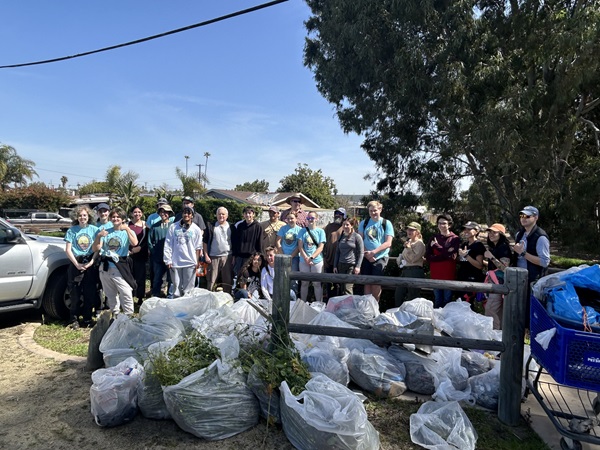
Beyond tangible financial benefits, participation in the TUPAD program is also driven by the intrinsic value that workers derive from contributing to community well-being. Community projects associated with TUPAD range from cleaning public spaces to environmental preservation initiatives, infrastructure repairs, and beautification projects. These activities do more than improve physical surroundings; they foster a sense of civic responsibility, communal pride, and social cohesion.
The notion of community advocacy in the TUPAD scheme is multifaceted. Participants not only provide labor but also actively contribute to the enhancement of their local environments. The program aligns worker benefits with broader societal goals, making it a dual-purpose initiative. This blend of personal financial gain and community service creates a unique motivational synergy.
Community Engagement and Social Responsibility
Community advocacy initiatives are designed to instill a sense of ownership towards public spaces. When individuals take part in cleaning or beautification effort, the immediate environment is transformed, leading to long-term benefits such as improved public health and a heightened sense of local identity. This involvement has secondary benefits; when citizens participate in community service, they are more likely to remain engaged in civic activities even beyond their involvement in TUPAD.
Psychological and sociological research often underlines the benefits of community participation for personal well-being. Engaging in acts of service can lead to increased feelings of self-worth, lower stress, and a reinforced belief in the collective good. These intangible benefits are powerful enough to motivate participation even when financial gains are modest.
Balancing Altruism with Economic Necessity
The TUPAD program reflects an evolving understanding of workforce needs where economic assistance and community-oriented tasks are not mutually exclusive. Participants often experience a profound personal satisfaction knowing that their work leads to tangible improvements in cleanliness and infrastructure. Some empirical studies indicate that this dual engagement not only addresses immediate financial needs but also contributes to longer-term community resilience.
It is crucial to note that while financial incentives remain the primary motivator for most, the added value of participating in community service enriches the overall experience. For many workers, the pride of contributing to a better community environment serves both as a complement and a reinforcement to their economic participation.
Integrated Motivations: An Interdisciplinary Perspective
The Interplay Between Economic and Community Motivations
Participation in TUPAD programs demonstrates a sophisticated interplay between two distinct motivational domains. On one hand, the program provides immediate, quantifiable economic benefits through wages that help stabilize household incomes. On the other hand, it offers intangible rewards associated with community service and civic pride. By combining these incentives, the program ensures both short-term relief and long-term community well-being.
The integrated motivation can be visualized as a dynamic model where workers are simultaneously addressing individual economic hardships and taking steps towards community betterment. When workers engage in community projects, they are not only earning a living but are also investing in the social infrastructure of their locality. This dual-focused model helps to sustain the program’s relevance and appeal.
Comparative Analysis with Other Government Programs
A comparison with other government initiatives reveals that programs combining financial assistance with public service tend to be more effective in creating sustainable change. Unlike standard cash aid programs, the TUPAD model equips participants with a dual sense of purpose. For instance, while cash transfers provide immediate relief, they do not inherently promote community engagement. By contrast, TUPAD’s approach tackles both the economic challenges of the working poor and nurtures a culture of community care.
This integrated approach is increasingly relevant as governments worldwide look for innovative solutions that address both individual and societal needs. The success of such programs frequently relies on their ability to address both dimensions simultaneously, ensuring that gains in one area (such as increased income) are not counterbalanced by neglect in another (such as community involvement).
Real-world Impacts and Success Stories
Anecdotal evidence from TUPAD participants often highlights the dual impact of the program. Beneficiaries talk about the immediate relief provided by consistent wages while also expressing pride in their contribution to local beautification projects. These success stories serve as qualitative evidence that the program's design is adept at meeting diverse needs.
Interviews and case studies with TUPAD workers point out that while the financial compensation is undeniably crucial for survival, many participants have a deep-seated desire to witness tangible changes in their communities. This has led to widespread support for initiatives like community clean-ups, environmental preservation drives, and public infrastructure improvements.
One particularly striking observation is the psychological uplift among workers who have direct involvement in community service activities. By engaging in work that visibly transforms their surroundings, participants often report an enhanced sense of purpose and community belonging. This dual effect demonstrates that well-crafted public policies can succeed widely by simultaneously targeting immediate economic needs and fostering a collective responsibility for community well-being.
Methodological Considerations for Future Research
Areas Needing Further Exploration
Although existing research provides valuable insights into the motivations behind TUPAD participation, there remain unexplored dimensions. For instance, further studies could investigate the demographic variations in motivational factors. Are younger workers more driven by community service compared to older participants? How does gender influence the perception and participation in community-driven projects? Addressing such questions could refine the program’s implementation strategy.
Additionally, longitudinal studies tracking the long-term benefits of dual-motivated participation would be invaluable. Such research could shed light on whether early engagement in community advocacy leads to sustained civic involvement or improved socio-economic status over time. By applying a mixed-method approach that combines quantitative metrics with qualitative interviews, future research can provide a more comprehensive understanding.
Data Collection Techniques
Researchers are encouraged to adopt multi-faceted strategies to evaluate the TUPAD program's impact. These could include surveys, focus group discussions, and in-depth interviews with participants, community leaders, and local government officials. Statistical methods such as regression analysis can elucidate the extent to which financial incentives affect participation, while ethnographic research might highlight the social and psychological benefits derived from community service.
In addition, comparative studies involving similar cash-for-work schemes in other regions or countries could provide valuable benchmarks. Such data would not only help in fine-tuning the existing program but also offer insights that could be applied to broader contexts where economic and social revival is essential.
Implications for Policy and Practice
Strengthening the TUPAD Model
The dual motivations identified in TUPAD program participation have significant implications for future policy design. Recognizing and enhancing the financial aspects is essential, particularly in times of economic crisis or high unemployment. However, equally important is reinforcing community engagement components. For instance, implementing targeted training for workers in community development can maximize the impact of community service initiatives.
Policy adjustments could include expanding the variety of community projects under the TUPAD umbrella, thereby appealing to a broader range of skills and interests. By doing so, the program would not only address immediate income deficits but also promote sustainable community development initiatives that persist even after the conclusion of the program.
Recommendations for Program Enhancement
Several recommendations emerge from the integrated analysis of financial and community motivations:
- Enhance collaboration with local governments and community organizations to identify projects that need immediate attention.
- Implement regular feedback mechanisms to assess both the economic impact on participants and the community benefits derived from projects.
- Integrate capacity-building workshops that empower beneficiaries with the skills needed to sustain community projects beyond the program’s lifespan.
- Adopt flexible payment structures where feasible, catering to those who might be in acute financial distress and require a faster turnover of funds.
These measures would not only optimize the immediate benefits of TUPAD but also contribute to longer-term social resilience. By capitalizing on the synergies between economic assistance and community engagement, policy makers can formulate a more robust safety net that drives both individual and collective progress.
Conclusion
In conclusion, an in-depth analysis of the motivations behind participation in the TUPAD program reveals a complex interplay of financial incentives and community advocacy. The primary driver is undoubtedly the direct financial relief that the program provides, which significantly boosts the income of vulnerable workers and helps stabilize household economies. On the other hand, the aspects of community service instill a sense of purpose and civic pride, reinforcing community ties and contributing to local development.
The dual nature of the TUPAD program sets it apart from other purely cash-based welfare programs, creating a model that fosters both immediate economic betterment and long-term community enhancement. By addressing immediate financial needs while simultaneously promoting community engagement, the TUPAD program serves as a paradigm for comprehensive social intervention. Furthermore, the implications for policy and practice suggest that enhancing elements of both financial incentives and community service can lead to more resilient and sustainable development outcomes.
Future research should focus on long-term impacts and demographic variations in motivational factors to further refine the program’s design. Overall, understanding these dual motivations is key to designing public programs that not only uplift individuals financially but also empower communities as a whole.
References
- TUPAD Contents - DOLE
- Fact-check: TUPAD not cash aid for students - Rappler
- Dole TUPAD Program - Financial Assistance
- Understanding the TUPAD Program - Lawyer Philippines
- Assistance on TUPAD Program - Assistance.ph
Recommended Searches
 trumpet-pelican-ysky.squarespace.com
Last updated February 21, 2025