
Unveiling the Past: The Evolution of Chemical Warfare
A comprehensive literature review proposal exploring historical development and modern implications
Highlights
- Historical Milestones: From ancient practices to World Wars and beyond, the timeline of chemical warfare reflects its complex evolution.
- Modern Impact: The enduring effects on military strategies, ethics, international relations, and policy-making.
- Methodological Rigor: A balanced approach combining archival research, scientific studies, and policy analysis to contribute to both academic and policy fronts.
Introduction
This literature review research proposal, titled “The Evolution of Chemical Warfare: Historical Development and Its Effect on the Modern World,” aims to deliver a nuanced investigation of the historical trajectory and enduring influence of chemical warfare on contemporary society. The proposal outlines a structured framework to document critical developments, interpret the socio-political repercussions, and propose pathways for addressing modern-day challenges through rigorous academic inquiry and informed policy recommendations.
Historical Development of Chemical Warfare
Ancient Origins
The roots of chemical warfare extend to ancient civilizations where rudimentary toxic substances were strategically utilized during conflicts. Examples include the use of hellebore by early Greek city-states and sulfur-based compounds by various ancient societies. These early exploits laid the conceptual groundwork for the more systematic and devastating applications observed in later historical periods.
Modern Era and World Wars
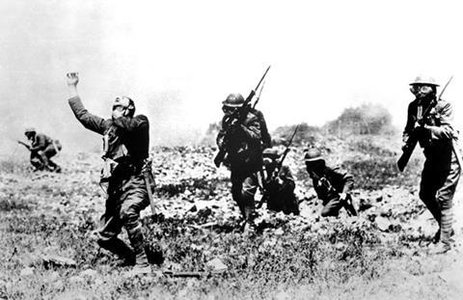
The significant evolution of chemical warfare began in earnest during World War I. The introduction of chlorine, phosgene, and eventually mustard gas redefined battlefields, resulting in unprecedented casualties and inflicting profound psychological impacts on both combatants and civilians. This transformation marked the shift from primitive toxic tactics to strategically engineered chemical agents, catalyzing international awareness and regulatory responses.
World War I
Chemical weapons usage during World War I set a precedent for modern warfare by demonstrating their potent capacity for mass casualties. The deployment of these agents accentuated the need to address both immediate tactical considerations and longer-term humanitarian consequences.
Post World War Developments and Cold War Innovations
In the aftermath of World War I and subsequent global conflicts including World War II and the Cold War, chemical warfare witnessed significant technological advancements and strategic reconfigurations. Despite attempts at international regulation through treaties such as the Geneva Protocol, nations continued to innovate, stockpile, and sometimes deploy novel chemical agents, including nerve agents developed under the guise of scientific research.
Cold War Context
The Cold War era further magnified the risks inherent in chemical warfare. This period was characterized by a dual focus on offensive capabilities and defensive countermeasures. It also prompted the creation of specialized international bodies aimed at monitoring and regulating the development and use of chemical agents.
Impact on the Modern World
Military and Strategic Implications
The legacy of chemical warfare is profoundly reflected in modern military doctrines. Current defense strategies continually evolve, incorporating both advanced protective technologies such as gas masks and detection systems, and refined offensive capabilities. The transformation of battlefield tactics due to the historical experiences of chemical weapon exposure has necessitated a dynamic review of military preparedness.
Ethical and Psychological Considerations
The deployment of chemical weapons has invariably triggered ethical debates, with conflicts often accompanied by psychological distress among affected populations. The interplay between military necessity and humanitarian considerations drives ongoing ethical discourse surrounding the use of such weapons. Scholars argue that the historical and modern usage of chemical warfare underscores a moral imperative to balance military effectiveness with the preservation of human life and dignity.
International Regulations and Policy Frameworks
In response to the diverse challenges posed by chemical warfare, international bodies have established several treaties and conventions. The Chemical Weapons Convention (CWC) has been a milestone in disarmament, mandating the phased destruction of chemical weapon stockpiles and establishing strict penalties for violations. However, enforcement remains a critical issue, given the sophisticated methods of production and the potential for non-state actors to procure or manufacture chemical agents.
Case Study: Recent Conflicts
Recent incidents in conflict zones, such as those in Syria, have highlighted the contemporary relevance of chemical warfare. These events reveal that despite international treaties, the threat remains persistent due to technological advancements and the evolving nature of modern conflict. Policy recommendations often focus on improving verification mechanisms and enhancing global cooperative efforts.
Research Objectives and Methodology
Research Objectives
- Chronicle Historical Milestones: To provide a detailed timeline of chemical warfare development from ancient applications to modern modern military use.
- Assess Modern Implications: To analyze the ongoing effects of chemical warfare on global security, ethics, and international law.
- Policy and Strategic Insight: To offer practical recommendations for policymakers aimed at mitigating future risks associated with chemical warfare.
- Interdisciplinary Analysis: To incorporate perspectives from military history, ethical theory, technology studies, and political science, building a comprehensive view of the topic.
Proposed Methodology
The literature review will adopt a thematic and systematic approach to analyze a broad spectrum of sources. Primary and secondary sources will be examined, including military archives, historical texts, scholarly articles, official policy documents, and contemporary media reports. This integrative method will emphasize:
- Historical Analysis: Documenting the chronological evolution of chemical warfare, highlighting key events and milestones.
- Thematic Synthesis: Identifying recurring themes such as ethical debates, legal frameworks, and technological innovations.
- Case Studies: In-depth examination of specific events and conflicts (e.g., World War I, Cold War episodes, recent chemical attacks) to illustrate the real-world effects and ongoing challenges.
- Policy Evaluation: Assessing the effectiveness of international treaties like the Geneva Protocol and the CWC, alongside verification mechanisms and enforcement strategies.
Research Proposal Structure
Below is an overview table depicting the comprehensive structure of the proposal:
| Section | Description |
|---|---|
| Introduction | Overview of chemical warfare history, research significance, and proposal objectives. |
| Historical Development | Exploration of ancient chemical warfare practices, modern era developments, and Cold War innovations. |
| Modern Impact Analysis | Examination of military strategies, ethical issues, international regulations, and contemporary case studies. |
| Research Objectives | Defining clear scholarly and policy-driven objectives to guide the study. |
| Methodology | Detailing systematic literature review methods including thematic analysis and case study evaluation. |
| Expected Outcomes | Insights into historical implications, current challenges, and recommendations for future policy and research. |
Expected Contributions and Significance
Academic and Theoretical Contributions
The proposed literature review intends to bridge historical insights with contemporary analysis, providing:
- A Comprehensive Timeline: A detailed chronicle of chemical warfare developments from ancient practices to modern-day applications.
- Thematic Synthesis: An integrated perspective that combines insights from military history, ethical considerations, and technological advancements.
- Theoretical Contributions: A robust framework for understanding how historical legacies influence current military doctrines and international security policies.
Policy Relevance
Findings from this review will serve as a critical foundation for policymakers. The synthesis of historical data and modern analyses will help inform:
- Enhanced Regulatory Frameworks: Recommendations for strengthening international treaties such as the Chemical Weapons Convention to ensure better compliance and verification mechanisms.
- Preventive Strategies: Insights into modern defense and countermeasures to mitigate the risks associated with potential chemical attacks.
- Risk Assessment Models: Development of models that integrate historical patterns with modern technological trends to predict and manage future threats.
Detailed Research Proposal Outline
1. Title and Abstract
The proposal will begin with a succinct title and an abstract that summarizes the key objectives, methods, and expected outcomes. This section will provide readers with a clear overview of the study's scope and significance.
2. Introduction
This section presents the context and rationale behind the study. It outlines the evolution of chemical warfare, highlighting its historical usage and modern impact. The introduction establishes the basis for the subsequent detailed analysis.
3. Literature Review
The literature review will compile and synthesize existing research on chemical warfare. This involves analyzing historical documents, prior studies, policy reviews, and scientific research, thereby laying the groundwork for identifying gaps in current knowledge.
4. Research Objectives
Clear research questions and objectives will be set, driving the exploration into how historical development informs modern implications, including societal impact, military strategy, and international regulation.
5. Methodology
The methodological approach will detail the systematic literature review process, integrating both qualitative and quantitative analyses. This section will delineate methods for thematic analysis, case study evaluation, and policy assessment.
6. Analysis and Synthesis
This section will discuss the expected analysis framework. It involves categorizing historical events, identifying technological and ethical trends, and evaluating international policy measures. Comparative case studies on World War I, Cold War periods, and recent conflicts will be undertaken to illustrate the evolution and impact of chemical warfare.
7. Expected Outcomes
The research is projected to yield insights into the historical progression of chemical warfare, its current implications on modern military doctrine and international security, and recommendations for future research and policy-making.
8. References and Bibliography
A thorough list of primary and secondary sources will be compiled, ensuring that the literature review is grounded in extensive and credible research. Sources will range from historical records to policy documents and scientific articles.
References
- Chemical Warfare and Historical Battles - Total Military Insight
-
The Evolution of Chemical Warfare - Military Saga
- History of Chemical Warfare - Wikipedia
- Chemical Weapon - Britannica
- Chemical Weapons – UNODA
Recommended Further Exploration
Last updated March 26, 2025