
Unraveling the Evolution of Chemical Warfare
Explore the historical roots and modern impacts of chemical weapons
Key Highlights
- Historical Spectrum: Detailed evolution from ancient uses to modern chemical agents.
- Modern Political Impact: Insights into legal, ethical, and defensive challenges today.
- Research Gaps: In-depth exploration of persistent scientific, technological, and humanitarian issues.
Historical Development of Chemical Warfare
The utilization of chemical agents in warfare is by no means a phenomenon of the modern era. Its roots stretch back to ancient civilizations where naturally occurring substances were used to poison water supplies or create hazardous environments for invading forces. Over the centuries, as scientific advancements emerged, the methods and substances used evolved from crude natural toxins to sophisticated, purpose-crafted agents.
Ancient and Early Uses
Evidence from ancient Greece, Rome, and China demonstrates early use of chemicals for military advantage. Historical records mention the exploitation of toxic plants, such as hellebore, and the use of sulfur fumes to incapacitate enemies. These rudimentary applications laid the foundation for later developments once chemical science matured.
Modern Era and the World Wars
The advent of modern chemistry in the 19th century set the stage for dramatic transformations. Chemical warfare first emerged on a significant scale during World War I, when chlorine gas and later mustard gas were introduced. This period marked the beginning of an arms race involving increasingly potent chemical agents. The scale of damage, both on the battlefield and in civilian areas, shifted perceptions and led to the implementation of early international agreements aimed at controlling the use of such weapons.
World War I: The Catalyst
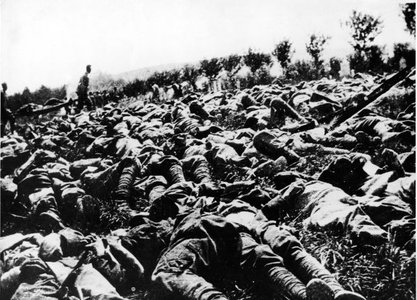
World War I stands as the turning point where chemical warfare moved from isolated incidents to systematic application. The deployment of chlorine gas in 1915 and mustard gas in subsequent years not only reshaped military tactics but also introduced significant health hazards that reverberated long after the conflict ended. This period compelled the international community to consider the ramifications of chemical warfare, leading to early treaties like the Geneva Protocol.
Post-war Development and the Cold War
In the inter-war period and throughout World War II, advancements continued but under increasingly restricted conditions. During the Cold War, the threat escalated, with nations stockpiling chemical weapons while simultaneously researching countermeasures. The evolution during this era was characterized by an emphasis on both increasing destructive capacity and developing defense mechanisms, such as gas masks and detection systems.
Recent Developments and Challenges
Despite international conventions such as the Chemical Weapons Convention (CWC) of 1992, modern conflicts have seen instances of chemical agents being used in regional wars. Emerging challenges include non-state actors obtaining chemical substances and the continuous innovation in both offensive and defensive technologies. These developments underscore the ongoing need for research into effective monitoring, regulation, and remediation measures.
Impact on the Modern World
Chemical warfare has had far-reaching effects that extend well beyond the battlefield. Today, its evolution influences international relations, defense policies, and ethical debates. Both the enduring legacy of historical conflicts and recent uses in modern warfare have led to several critical challenges:
Political and Legal Dimensions
International treaties such as the Geneva Protocol and the Chemical Weapons Convention seek to prevent the proliferation and use of chemical agents. Despite these agreements, enforcement remains a challenge due to geopolitical tensions and technological advancements that enable the discreet production and deployment of such agents. The legal frameworks continue to evolve as nations balance between deterrence and defense.
Ethical and Humanitarian Concerns
The application of chemical weapons inherently raises moral questions that confront both military personnel and policymakers. Chemical warfare not only results in immediate casualties; its long-term impact on health, the environment, and social structures presents ongoing humanitarian crises. The historical instances of chemical exposure have led to chronic conditions in populations and significant environmental degradation that persist for generations.
Technological and Scientific Frontiers
The evolution of chemical warfare continues to drive scientific inquiry. Researchers are increasingly focused on understanding the environmental fate of these agents, including aquatic toxicity thresholds and the degradation of hazardous compounds in various ecosystems. Additionally, advancements in detection and defense technologies are crucial for countering both traditional and emerging chemical threats.
Identified Research Gaps in Chemical Warfare Evolution
Despite extensive research, several gaps in understanding persist, creating opportunities for further exploration and refinement of historical and modern perspectives.
Comprehensive Historical Analysis
There is a need for an integrated historical narrative that bridges ancient practices with modern technological advancements. While various epochs have been studied individually, a comprehensive examination that connects the evolution of tactics, technologies, and strategic implications from antiquity to the present remains incomplete.
Long-Term Environmental and Health Impacts
Although immediate casualties and the acute toxicity of chemical agents are well documented, longitudinal studies on chronic health effects and environmental degradation are limited. There is significant scope for researching how chemical remnants persist in ecosystems, their degradation products, and the thresholds beyond which they cause harm to aquatic and terrestrial life.
Ethical, Social, and Humanitarian Dimensions
The ethical implications surrounding the use of chemical weapons extend beyond legal frameworks to involve societal memory, public perception, and policy-making. Investigations into how historical usage influences modern ethics, accountability for long-term health consequences, and strategies for remediation could greatly contribute to creating robust international guidelines.
Modern Adaptations and Technological Gaps
Today’s rapid technological advances mean that chemical agents and their delivery systems are evolving. Further research is necessary to understand modern arsenals, including the refinement of nerve agents, efficient delivery mechanisms, and state-of-the-art detection and protection systems. This investigation could also reveal future risks and inform better countermeasure development.
Table: Timeline and Evolution of Chemical Warfare
| Era | Key Developments | Modern Impact |
|---|---|---|
| Ancient to Early Period | Use of natural toxins (toxic plants, sulfur fumes) | Foundational practices influencing early chemical strategies |
| World War I | Introduction of chlorine gas, mustard gas; first large-scale deployment | Major shift in warfare tactics; led to early international restrictions |
| Inter-War and World War II | Continued development amid international treaties like the Geneva Protocol | Advancements in defense mechanisms such as gas masks and detection systems |
| Cold War and Beyond | Stockpiling, development of nerve agents; rise of modern chemical technologies | Influence on contemporary military strategies and international policies (CWC) |
References
- A History of Chemical Warfare - ResearchGate
-
The Evolution of Chemical Warfare - Military Missions Blog
- History of Chemical Warfare - Wikipedia
- History of Chemical Weapons - Total Military Insight
- Chemical Weapon - Britannica
Recommended Further Queries
Last updated March 26, 2025