
Introduction to Chemical Warfare Research
Exploring the history, impact, and regulation of chemical warfare
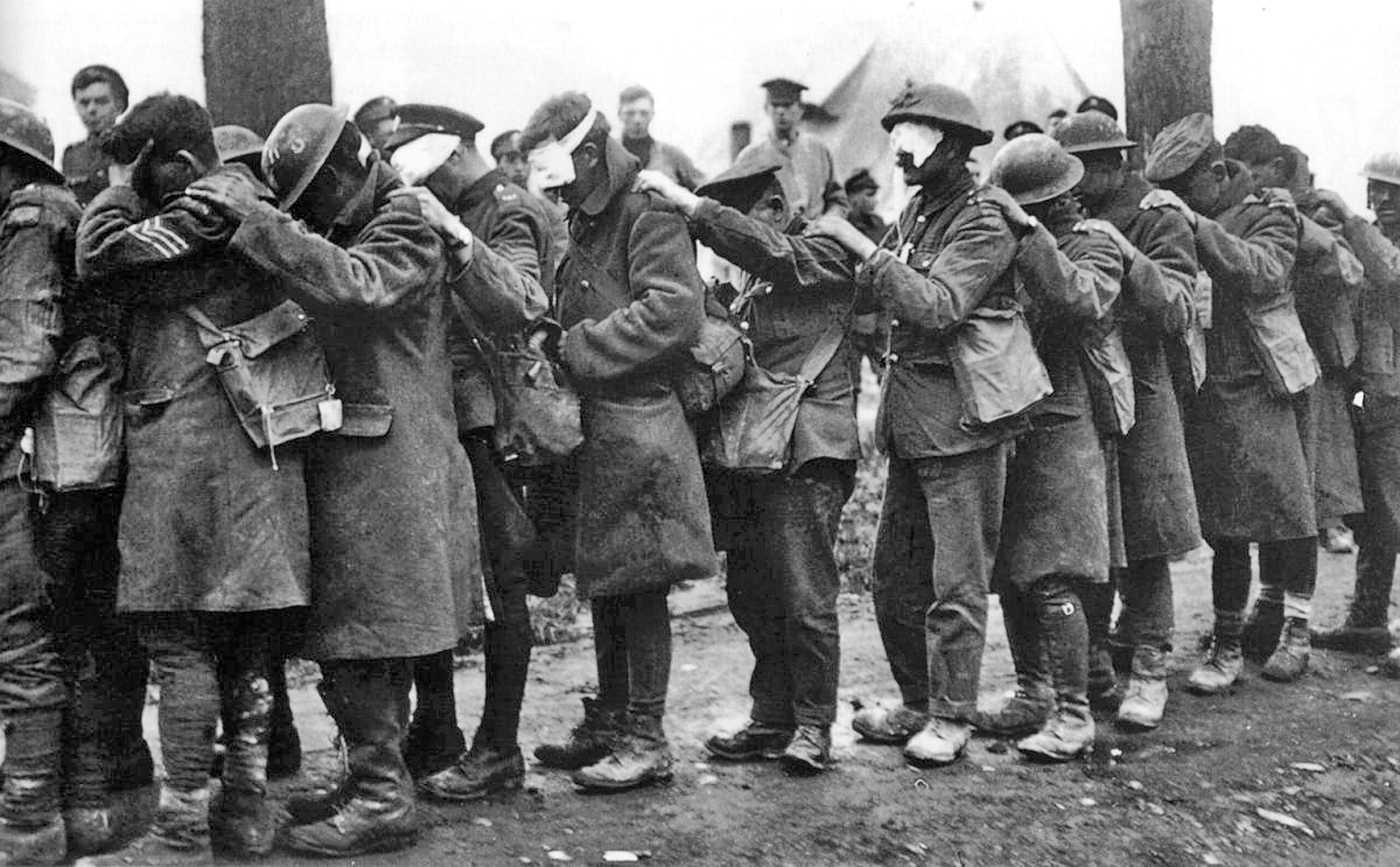
Essential Insights
- Historical Context: Understanding the evolution from ancient toxin use to modern warfare.
- Health and Environmental Implications: Analyzing the enduring impact of chemical agents.
- Regulatory and Ethical Dimensions: Assessing international treaties and future challenges.
The Evolution of Chemical Warfare
Chemical warfare has its roots in ancient times when civilizations employed natural toxins and poison-laced weapons to subdue enemies. However, it was not until the onset of World War I that chemical warfare emerged as a distinct and systematic strategy in modern conflicts. The deployment of chlorine gas by German forces in 1915 marked a pivotal moment, introducing a new form of warfare defined by its ability to cause mass casualties while inflicting severe short‐ and long‐term effects on both combatants and civilians.
The dramatic use of chemical agents during World War I, including chlorine, phosgene, and the notorious mustard gas, not only resulted in significant immediate loss of life but also induced chronic health conditions and environmental damage that persisted long after the conflict had subsided. This transformation in warfare tactics underscored the need for international awareness and the eventual establishment of protocols and treaties aimed at curbing the proliferation and use of chemical weapons.
Impact on Human Health and the Environment
Immediate and Long-Term Health Effects
Chemical agents were designed specifically to incapacitate, maim, or kill through their toxic properties. Exposure to chemicals such as mustard gas can cause severe respiratory issues, skin burns, and long-term complications including cancer and chronic respiratory disorders. The initial exposure may lead to rapid onset of symptoms, while secondary complications can arise over an extended period, complicating medical responses in the aftermath of an attack.
Environmental Contamination
In addition to the human toll, chemical warfare poses a significant threat to ecosystems. Persistent chemical residues contaminate soil and water, adversely affecting wildlife and leading to long-lasting environmental damage. This dual impact on both public health and the environment has been a driving force behind international regulatory efforts.
Regulatory Measures and International Response
International Treaties and Conventions
The horror witnessed during conflicts such as World War I triggered the development of international agreements aimed at regulating the use of chemical weapons. The Geneva Protocol of 1925 was one of the first significant legal instruments banning the use of chemical and biological weapons in warfare. Later, the Chemical Weapons Convention (CWC), which took effect in 1997, sought to eliminate the stockpiling, development, and deployment of chemical weapons worldwide.
Challenges in Enforcement
Despite the established international legal framework, compliance remains a major challenge. The ease of production and relative low cost of chemical agents mean that even non-state actors or minor groups can potentially acquire these dangerous weapons. Additionally, monitoring and verification processes have to continually evolve to address new methods of employing chemical agents, as well as to detect any breaches in treaty obligations.
Research Focus Areas in Chemical Warfare
Historical Analysis
Historical research into chemical warfare not only documents past conflicts but also provides critical insights into the evolution of warfare technology and strategy. Detailed studies of World War I and subsequent conflicts yield information that is essential for understanding how chemical agents are developed, deployed, and counteracted.
Technological Developments
Advances in chemical detection and decontamination have paralleled the development of these warfare agents. Research now focuses on creating sensitive detection devices, improved protective gear, and more effective decontamination methods. This dual pursuit of offense and defense in the realm of chemical agents is pivotal for national and international security.
Ethical and Societal Implications
The use of chemical weapons is widely regarded as contrary to the ethical principles of warfare. Their indiscriminate nature and the potential for long-term harm have led to vigorous debate over their morality and legality. Intensive scholarly discussion ensures that any resurgence in chemical warfare is met with not only strategic but also ethical condemnation, fostering a global consensus on their prohibition.
Comparative Timeline of Major Chemical Warfare Events
| Event | Date | Agent(s) Used | Impact |
|---|---|---|---|
| First Use in Modern Warfare | 1915 | Chlorine Gas | Mass casualties; marked the start of chemical warfare in modern conflicts |
| World War I Peak | 1915-1918 | Phosgene, Mustard Gas, Chlorine | Hundreds of thousands injured or killed; long-term health impacts |
| Post-WWI Regulatory Measures | 1925 | N/A | Geneva Protocol enacted; banned chemical warfare in conflicts |
| Chemical Weapons Convention | 1997 | N/A | Global disarmament and monitoring efforts initiated |
| Modern Developments | 2000s-Present | Diverse chemical agents including potential novel compounds | Ongoing research and security challenges |
Additional Elements Worth Considering
Scientific and Technical Research
Research on chemical warfare extends beyond historical documentation; it involves a detailed analysis of the chemical properties, methods of dissemination, and physiological effects of various agents. Advanced studies in toxicology and environmental science contribute to understanding the full spectrum of harm caused by these weapons. This includes the interactions of chemical agents with human tissue and the long-term ecological consequences that may result.
Detection and Neutralization
The development of precise and efficient detection mechanisms is indispensable in modern defense strategies. Utilizing technologies such as spectroscopy and remote sensing, experts are now capable of identifying chemical threats far more accurately than in the past. Complementary strategies for neutralizing hazardous agents have also seen significant improvements, ensuring that rapid response teams are better equipped to manage incidents.
Global Security and Policy Development
The realities of modern chemical warfare necessitate a comprehensive approach to global security. This involves collaboration between governments, international organizations, and research institutions to ensure that legal frameworks are up-to-date and enforceable. The interplay between policy developments and the advancements in chemical detection technologies forms a critical component of current research in the field. Discussions about future trends include addressing the emerging challenges posed by non-state actors and ensuring robust diplomatic measures are in place to deter potential breaches.
References
- Chemical warfare - Wikipedia
-
Chemical warfare agents - PMC - PubMed Central
- Chemical Weapons: Frequently Asked Questions - Arms Control
-
Chemical Warfare - ScienceDirect Topics
- Chemical Warfare and Medical Response - AJPH
Recommended Further Queries
Last updated March 17, 2025