
Conquering the Digital Battlefield: A Blueprint for Your Turn-Based Online Strategy Game
From conceptualization to deployment, payment, and market domination, here’s everything you need to build your strategic masterpiece.
Key Highlights for Your Game Development Journey
- Comprehensive Game Design: Begin with a detailed Game Design Document (GDD) outlining mechanics, story, and multiplayer features.
- Strategic Tech Stack: Leverage powerful game engines like Unity or Unreal Engine, supported by robust backend services for online play and scalable cloud infrastructure for deployment.
- Seamless Monetization: Integrate a secure payment gateway with global reach, offering diverse payment methods and compliant with industry standards.
- Engaging Marketing: Implement a multi-faceted marketing strategy from pre-launch community building to post-launch content updates and AI-driven advertising.
Crafting Your Vision: Game Design and Conceptualization
Developing a turn-based online strategy game requires a meticulous approach, starting with a clear vision and detailed planning. This foundational phase dictates the game's core identity, mechanics, and user experience.
Defining the Core Mechanics and Narrative
The first critical step is to formulate a comprehensive Game Design Document (GDD). This document serves as the blueprint for your entire project, detailing every aspect from the overarching story to intricate gameplay elements. Consider the type of turn-based strategy game you envision—be it a tactical RPG, a 4X empire builder, or a card-based system. Key mechanics to define include:
- Turn Structure: How turns are managed, whether synchronously in real-time or asynchronously.
- Unit Control: How players interact with and command their units, including movement, combat, and resource management.
- Map Design: Decide between grid-based (square or hex) or other map structures, which will influence movement and pathfinding complexity.
- Player Interaction: Plan for essential online features like matchmaking, chat systems, and leaderboards.
- Story and Setting: Outline the narrative, factions, characters, and any unique selling points that will differentiate your game.
Platform and Monetization Strategy
Early decisions on target platforms (PC, web, mobile, consoles) and cross-platform compatibility are crucial. Simultaneously, devise your monetization strategy. Common models include:
- Freemium: Offering a free base game with in-app purchases for expansions, cosmetics, or virtual currency.
- Subscriptions: Recurring payments for premium access or benefits.
- Premium Version: A one-time purchase for the full game.
These choices will influence your payment system integration plan.
The Engineering Foundation: Technology Stack Selection and Programming
The technological backbone of your game is paramount for a smooth development process and a robust online experience. Choosing the right game engine, programming languages, and backend infrastructure is key.
Choosing Your Game Engine
The game engine is the primary tool for building your game. For turn-based strategy games, several options stand out:
- Unity: Highly recommended and industry-standard, Unity supports C# programming and offers extensive community support, a rich asset store, and strong multiplayer capabilities. It's versatile for both 2D and 3D games.
- Unreal Engine: A powerful alternative, particularly for games demanding high-fidelity graphics. While more complex, it offers robust tools for advanced visuals.
- Godot: An open-source, lightweight engine gaining popularity for both 2D and 3D development.
- Web-based Engines (e.g., Phaser.js, Pixi.js): Suitable for simpler browser-based games.
Backend and Multiplayer Infrastructure
For an online game, a robust backend is essential to manage game states, synchronize turns, handle player accounts, and store persistent data. Key components include:
- Server-Side Programming: Utilize languages like Node.js, Python (with frameworks like Django), or Go.
- Communication Protocols: Implement WebSockets (e.g., Socket.IO, SignalR) for real-time communication or REST APIs for asynchronous turn submissions.
- Cloud Services: Leverage scalable cloud providers like AWS, Google Cloud, or Azure for hosting game servers and ensuring reliability.
- Multiplayer Backend-as-a-Service (BaaS): Consider services like Photon Engine or PlayFab for simplified multiplayer backend management.
- Database: Choose between NoSQL databases (e.g., MongoDB, DynamoDB) for flexible schema or relational databases (e.g., PostgreSQL) for structured data, to store player data, game progress, and unit stats.
Programming the Game: Core Systems and Multiplayer Logic
With your technology stack in place, begin implementing the core gameplay systems:
- Turn Management: Develop the logic for turn queues, player input validation, and actions (movement, attacks). Implement state machines in C# to manage turn processing efficiently.
- Map and Unit Interactions: Design tile or hex grids and program unit behaviors, including equipment management (shields, weapons) and special abilities.
- AI Opponents: If your game includes single-player or PvE elements, develop sophisticated AI to challenge players.
- Multiplayer Functionality: Choose between synchronous (real-time turns) or asynchronous (turn-by-turn submissions) play. Implement matchmaking, friend lists, and game invites. Crucially, ensure persistent game states are saved and synchronized across all connected players.
- User Interface (UI): Design an intuitive and responsive UI that adapts to different devices using the game engine's built-in UI system. This includes interfaces for managing units, resources, and in-game interactions.
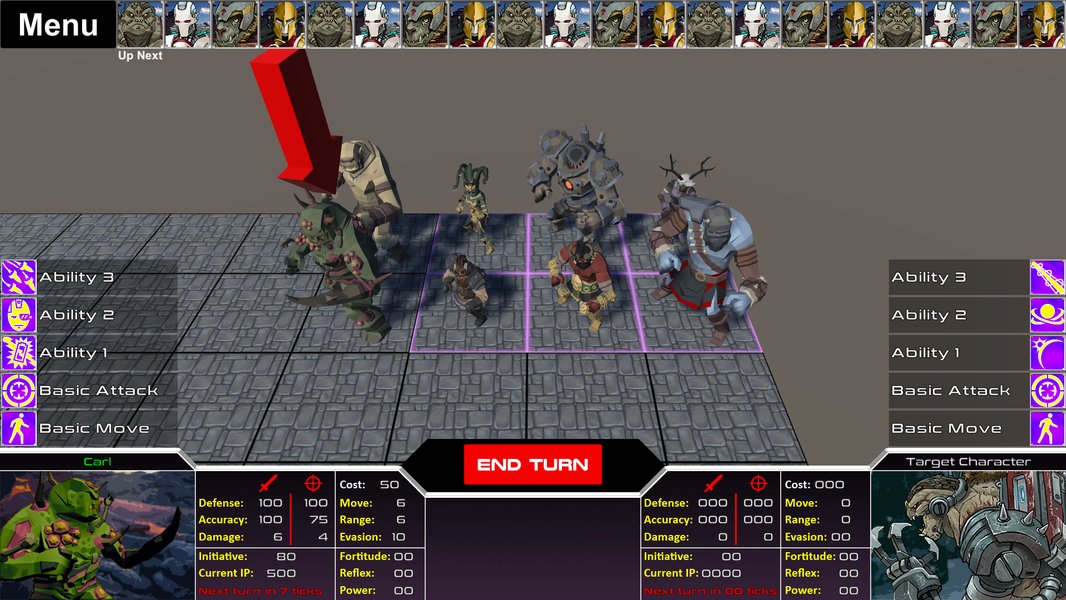
An example of a user interface for a turn-based strategy game.
Illustrating Development Complexity
The complexity of developing a turn-based online strategy game can be visualized across various dimensions, from game mechanics to backend infrastructure and marketing efforts. The radar chart below offers an opinionated analysis of the perceived difficulty and resource intensity across these critical areas.
This chart highlights that while core programming and UI/UX design are significant, the complexities of multiplayer backend infrastructure and sustained marketing efforts often present the highest hurdles in terms of both difficulty and resource allocation.
Monetization and Transactions: Integrating Payment Systems
A crucial aspect of any online game is its monetization strategy, which relies on a robust and secure payment system. Integrating a reliable payment gateway is essential for accepting in-game purchases and other revenue streams.
Selecting a Payment Gateway
When choosing a payment gateway for your online strategy game, consider these key features:
- Global Reach and Multi-Currency Support: To cater to a worldwide player base, the gateway must support a wide range of countries and currencies. Providers like Adyen, Worldpay, Xsolla, Nuvei, and Paddle are known for their extensive global coverage.
- Diverse Payment Methods: Offer major credit/debit cards, mobile payments (e.g., Google Pay, Apple Pay), digital wallets (PayPal, Skrill, Trustly), and region-specific alternative payment methods (e.g., prepaid cards like Paysafe, or local bank transfers).
- Security and Compliance: Ensure the gateway is PCI-DSS compliant, employs robust data encryption, and offers advanced fraud protection (e.g., EBANX's Shield anti-fraud solution).
- Integration Options: Look for providers that offer robust API integrations, webhooks, and pre-built plugins (e.g., Xsolla's flexible UI for mobile, tablet, and PC).
- Payouts and Recurring Billing: If your game involves subscriptions or recurrent purchases, confirm the system supports efficient payout mechanisms and recurring billing.
- Reporting and Analytics: Access to detailed transaction insights is vital for optimizing business outcomes.
Recommended Payment Gateway Providers for Online Gaming (as of 2025):
Specialized providers for the gaming industry include:
- Xsolla: Focuses specifically on online gaming payments, offering extensive payment methods and flexible UI customization.
- Nuvei: Provides streamlined checkout processes with global data hubs and local acquiring in numerous markets.
- Paddle: Known for seamless, secure checkout experiences, handling brand integration, language, currency, and sales tax compliance automatically.
- Noda: Specializes in instant, secure transactions via open banking payments.
- EBANX: Strong presence in Latin America and Africa, offering diverse local payment methods and anti-fraud solutions.
- Aeropay: Emphasizes "Pay by Bank" for efficient, secure, and affordable payments in the US.
It's crucial to integrate the chosen payment provider's SDKs or APIs to set up virtual currency or item purchase workflows and handle payment callbacks securely.
Understanding Payment Integration: A Visual Map
Integrating a payment system into your online strategy game involves several interconnected components. The following mindmap illustrates the typical flow and key considerations.
This mindmap outlines the essential steps and considerations from selecting the right payment gateway to ensuring robust security and adherence to platform policies.
Reaching Your Audience: Deployment and Marketing
Once your game is developed and its payment system is integrated, the final stages involve deploying it to players and implementing a comprehensive marketing strategy to ensure its success and longevity.
Strategic Deployment
Deployment involves making your game accessible to your target audience:
- Platforms: Distribute your game on relevant platforms—Steam or itch.io for PC, Apple App Store and Google Play Store for mobile.
- Server Infrastructure: Deploy your backend on scalable cloud VMs or serverless environments, ensuring constant monitoring for health and performance.
- Content Delivery Network (CDN): Utilize CDNs for efficient delivery of game assets globally.
Comprehensive Marketing and Promotion
An effective marketing strategy is vital for visibility and player retention. It should span pre-launch excitement to post-launch engagement:
- Pre-Launch Community Building: Engage with turn-based gaming communities on platforms like Reddit, Discord, and specialized forums. Offer early demos or beta access to generate buzz and gather feedback.
- Content Creation: Produce high-quality trailers, gameplay videos, and developer diaries. Consider starting a YouTube channel to showcase game features and engage with fans.
- Influencer and PR Campaigns: Collaborate with gaming influencers and media outlets for reviews and coverage.
- Launch Campaign: Utilize paid advertising on platforms like Facebook, Google Ads, and Reddit, targeting strategy game enthusiasts. Optimize your game's website and app store pages for SEO.
- Post-Launch Retention: Keep players engaged with regular updates, new content (free or paid DLCs), in-game events, and loyalty/rewards programs.
- AI in Marketing (2025 trends): Leverage AI tools to drive down ad-creative costs and create AI-generated playable ads, especially for mobile marketing. Explore hybrid monetization models beyond just payments to enhance player retention.
An engaging video showcasing upcoming turn-based strategy games in 2025, relevant for understanding market trends and player expectations.
This video provides an excellent overview of the exciting landscape for turn-based strategy games in 2025, offering insights into what players anticipate and what makes a game stand out. Understanding current and upcoming titles helps in positioning your game uniquely and appealing to the target audience.
Summary of Key Technologies and Services
To provide a clear overview, the following table summarizes the essential technologies and services needed across various aspects of your turn-based online strategy game development and deployment:
| Aspect | Recommended Technology / Service | Purpose |
|---|---|---|
| Game Engine | Unity, Unreal Engine, Godot | Core development environment for game logic, graphics, and UI. |
| Programming Language | C# (Unity), C++ (Unreal), GDScript (Godot) | Language used for writing game scripts and logic. |
| Backend / Multiplayer | Photon Engine, PlayFab, Node.js + WebSocket, AWS/GCP/Azure | Manages game state, player turns, matchmaking, and persistent data for online play. |
| Database | MongoDB, PostgreSQL, Firebase Realtime DB | Stores player data, game progress, and other persistent information. |
| Payment System | Xsolla, Nuvei, Paddle, Trust Payments, Noda, EBANX | Handles in-game purchases, subscriptions, and secure transactions. |
| Analytics | Unity Analytics, Google Analytics for Games, Mixpanel | Tracks player engagement, behavior, and monetization performance. |
| Marketing Platforms | Discord, Twitch, YouTube, Facebook and Google Ads | Channels for community building, content promotion, and paid advertising. |
Frequently Asked Questions (FAQ)
What is a Game Design Document (GDD)?
Which game engine is best for a turn-based online strategy game?
How do I ensure secure payments in my game?
What is the most important aspect of marketing for a new online strategy game?
Conclusion
Developing a turn-based online strategy game is a multifaceted endeavor, blending creative design with intricate technical implementation and strategic business acumen. By following a structured approach—from meticulous game design and strategic technology stack selection to secure payment integration and dynamic marketing—you can navigate the complexities and build a compelling, monetizable, and sustainable online game. Continuous testing, player feedback, and adaptation to market trends will be your allies in refining your game and ensuring its long-term success.
Recommended Further Exploration
- Deep dive into Unity networking for turn-based games
- Advanced monetization strategies for online games 2025
- Best practices for anti-cheat in multiplayer strategy games
- Leveraging AI for game marketing in 2025