
Creating Your Turn-Based Online Strategy Game: A Comprehensive Guide
From Concept to Monetization and Deployment
Developing a turn-based online strategy game involves a multifaceted approach, encompassing game design, programming, infrastructure, monetization, and marketing. This guide provides a detailed breakdown of the essential steps and technologies required to bring your game to life and share it with a global audience.
Key Highlights
- Strategic Planning is Crucial: Define your game's core mechanics, target audience, and monetization strategy early on to guide development.
- Technology Stack Selection Matters: Choose appropriate game engines, programming languages, and server infrastructure based on your game's complexity and desired platforms.
- Robust Payment Systems are Essential: Implement secure and diverse payment options to facilitate monetization and reach a wider player base.
- Effective Marketing is Key to Visibility: Develop a marketing strategy that leverages various channels to attract and retain players.
Phase 1: Conception and Design
Before writing a single line of code, a solid foundation in game design is essential. This phase involves defining the core gameplay loop, rules, and overall vision for your turn-based online strategy game.
Defining the Core Gameplay Mechanics
Turn-based strategy games, as the name suggests, revolve around players taking turns to perform actions. This can range from moving units on a grid to managing resources and engaging in combat. Clearly defining the turn structure, available actions, and win conditions is paramount.
Exploring Different Turn Structures
Consider different turn structures, such as simultaneous turns where players plan their moves concurrently, or sequential turns where players act one after another. The chosen structure will significantly impact the strategic depth and pacing of your game.
Designing Units, Abilities, and Interactions
Develop a diverse set of units or entities with unique strengths, weaknesses, and abilities. Define how they interact with each other and the game environment. This is where you build the strategic complexity and replayability of your game.
Establishing the Game's Scope and Target Audience
Determine the scale of your game. Will it be a small-scale tactical battle or a grand strategy epic? Identifying your target audience will influence design choices, art style, and monetization strategies. Consider if you are targeting casual players or hardcore strategy enthusiasts.
Phase 2: Technology Selection and Game Development
With the design in place, it's time to choose the technology that will power your game and begin the development process.
Choosing a Game Engine
A game engine provides a framework and tools to streamline development. Popular choices for strategy games include Unity and Unreal Engine, both offering robust features for 2D and 3D development, cross-platform compatibility, and large communities for support.
Unity for Turn-Based Games
Unity is a versatile engine that is well-suited for developing turn-based strategy games. It supports C#, a powerful and easy-to-learn language, and has numerous resources and tutorials specifically for turn-based mechanics.
Here's a simple example of a basic turn-based structure in C# within Unity:
using UnityEngine;

public class TurnManager : MonoBehaviour
{
    private int currentPlayerIndex = 0;
    private int numberOfPlayers = 2; // Example

    public void StartTurn()
    {
        Debug.Log("Player " + (currentPlayerIndex + 1) + "'s turn.");
        // Add logic for the current player's actions
    }

    public void EndTurn()
    {
        currentPlayerIndex = (currentPlayerIndex + 1) % numberOfPlayers;
        StartTurn();
    }
}
Considering Web-Based Technologies
If you aim for a browser-based game, technologies like HTML5, CSS, and JavaScript are essential. Frameworks like Angular or React can be used for the front-end, while Node.js is a popular choice for the back-end server.
Programming the Game Logic
Implementing the turn-based mechanics, AI (if applicable), and game rules requires careful programming. Server-side validation is crucial for online multiplayer games to prevent cheating.
Implementing Turn Management and Game State
Develop a system to manage player turns, track the game state (unit positions, resources, etc.), and handle the transition between turns.
Developing AI and Networking
For single-player modes, robust AI is necessary. For online multiplayer, networking code is required to synchronize game states between players and handle player input.
Designing the User Interface (UI)
A clear and intuitive UI is vital for strategy games, providing players with necessary information and easy control over their actions.
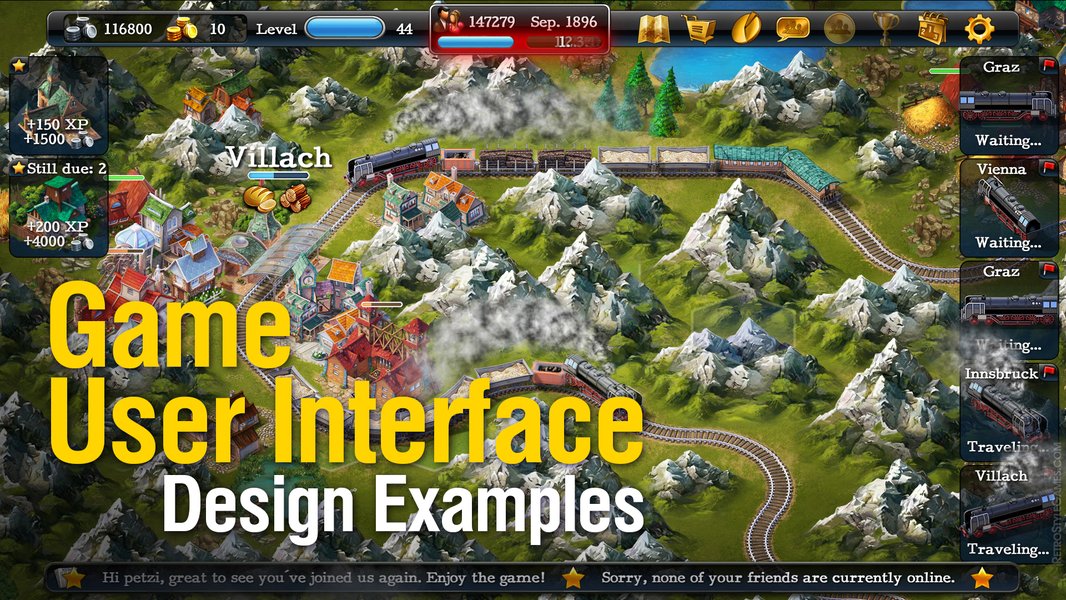
A well-designed UI is crucial for player engagement in strategy games.
Creating Informative and Usable Interfaces
Design interfaces that display unit information, game objectives, resource counts, and available actions in an organized manner.
Ensuring Responsive Design for Different Devices
If targeting multiple platforms (PC, mobile, web), ensure your UI adapts to different screen sizes and input methods.
Phase 3: Server Infrastructure and Deployment
Hosting your online game requires selecting and setting up server infrastructure.
Choosing a Hosting Solution
Several options exist for hosting online games, from dedicated servers to cloud-based solutions.
Dedicated Servers vs. Cloud Hosting
Dedicated servers offer more control but require more technical expertise. Cloud hosting providers like AWS, Google Cloud, or Azure offer scalable solutions that can adapt to player demand.
Implementing Server-Side Logic
Crucially, the core game logic that affects gameplay outcomes in an online game should reside on the server to prevent players from manipulating the game state on their end.
Deploying Your Game
The deployment process varies depending on your chosen platform (PC, mobile app stores, web). For web-based games, you'll typically upload your game files to a web server. Platforms like Itch.io also provide hosting and publishing tools for indie developers.
Phase 4: Monetization and Payment Systems
To generate revenue from your game, you need a robust payment system.
Selecting Monetization Models
Common monetization models for online games include:
-
One-time purchase: Players buy the game upfront.
-
Free-to-play with in-game purchases: The game is free to download and play, with optional purchases for virtual items, currency, or cosmetic enhancements.
-
Subscriptions: Players pay a recurring fee for access to the game or premium content.
-
Advertising: Displaying ads within the game (less common in strategy games but an option for free titles).
Implementing Payment Gateways
A payment gateway facilitates secure transactions between players and your game. Consider integrating with established payment providers that support a variety of payment methods and currencies to cater to a global audience.
Integrating with Payment Service Providers (PSPs)
PSPs like Xsolla, PayPal, and Oceanpayment specialize in gaming payments and offer features like fraud prevention, multiple payment options (credit cards, digital wallets, local payment methods), and currency conversion.
Offering diverse payment options increases accessibility for players worldwide.
Considering Embedded Payments and Player Wallets
Emerging trends include embedded payments, where payment options are seamlessly integrated into the game experience, and player wallets, which allow players to store funds and make purchases across different games or platforms.
Ensuring Security and Compliance
Protecting sensitive player payment data is paramount. Utilize secure payment gateways and ensure compliance with relevant financial regulations.
Phase 5: Marketing and Community Building
Once your game is developed and deployed, effective marketing is crucial for attracting players.
Developing a Marketing Strategy
Identify your target audience and the platforms they frequent. Utilize a mix of marketing channels to reach potential players.
Leveraging Social Media and Content Marketing
Engage with players on social media platforms, share development updates, and create compelling content like trailers and gameplay videos.
Utilizing Game Platforms and Communities
Publish your game on relevant platforms like Steam, mobile app stores, or web-based portals like CrazyGames. Engage with gaming communities and forums related to your game's genre.
Building and Engaging Your Community
Fostering a strong community can lead to player retention and organic growth. Interact with players, gather feedback, and consider implementing community-driven features.
Essential Technologies and Concepts Summarized
Here's a table summarizing key technologies and concepts for developing your turn-based online strategy game:
| Area | Key Technologies/Concepts | Purpose |
|---|---|---|
| Game Development | Unity, Unreal Engine, C#, JavaScript, HTML5, CSS | Building the game client and logic |
| Server-Side | Node.js, Python, Java, .NET, Dedicated Servers, Cloud Hosting (AWS, Google Cloud, Azure) | Handling game logic, data storage, and multiplayer synchronization |
| Payment Systems | Payment Gateways, Payment Service Providers (Xsolla, PayPal, Oceanpayment), Embedded Payments, Player Wallets | Processing transactions and managing monetization |
| Deployment | Steam, App Stores (iOS, Android), Web Servers, Itch.io | Distributing the game to players |
| Networking | Socket.IO (for real-time communication) | Enabling online multiplayer functionality |
| Databases | SQL (e.g., PostgreSQL, MySQL), NoSQL (e.g., MongoDB) | Storing player data, game state, and other information |
Recent Trends in Turn-Based Strategy Games
The turn-based strategy genre continues to evolve with new releases and technological advancements. Keeping up with these trends can inform your game's design and development.
This video showcases some of the new turn-based RPGs and strategy games released in April 2025, highlighting the continued innovation in the genre.
Integration of RPG Elements
Many modern turn-based strategy games incorporate RPG elements, such as character progression, skill trees, and narrative-driven campaigns.
Procedurally Generated Content
Some games utilize procedural generation to create unique maps, challenges, and experiences for players.
Cross-Platform Play
Enabling players on different devices (PC, mobile, console) to play together expands your potential player base.
Frequently Asked Questions
How long does it take to develop a turn-based online strategy game?
The development time varies greatly depending on the complexity of the game, the size of the development team, and the chosen technology stack. A simple game might take several months, while a complex one could take years.
What are the biggest challenges in developing a turn-based online strategy game?
Key challenges include balancing gameplay mechanics, creating engaging AI, implementing robust networking code, ensuring server stability, and effectively marketing the game in a crowded market.
How important is community feedback during development?
Community feedback is invaluable. Early testing and feedback can help identify design flaws, balance issues, and technical problems, leading to a better final product.
Can I develop an online strategy game as a solo developer?
It is possible, especially with simpler games and utilizing existing game engines and assets. However, tackling all aspects (design, programming, art, sound, marketing, server management) as a solo developer is a significant undertaking.
What are the ongoing costs of running an online strategy game?
Ongoing costs include server hosting, maintenance, updates, customer support, and continued marketing efforts.
References
Last updated May 3, 2025