
Crafting Your Turn-Based Online Strategy Game: A Comprehensive Guide
Unleash your inner game developer: From coding to deployment, payment systems, and marketing strategies for your turn-based online strategy game.
Key Highlights for Developing Your Turn-Based Online Strategy Game
- Choosing the Right Tech Stack: Selecting the appropriate programming languages, game engines, and frameworks is crucial for efficient development and deployment.
- Implementing a Secure Payment System: Integrating a reliable and secure payment gateway is essential for monetization and ensuring user trust.
- Developing a Comprehensive Marketing Strategy: Effective marketing is key to reaching your target audience and driving game adoption.
Laying the Foundation: Core Development Steps
Defining the Game's Scope and Mechanics
Before diving into coding, clearly define the scope of your game. This includes:
- Game Concept: What is the core gameplay loop? What makes your game unique?
- Target Audience: Who are you trying to reach? Understanding your audience informs design and marketing decisions.
- Platform: Will your game be web-based, mobile, or both? This impacts technology choices.
- Game Mechanics: Document all the rules, unit types, abilities, and strategic elements.
Choosing Your Tech Stack: The Building Blocks
The technology stack is the combination of programming languages, game engines, and other tools you'll use to build your game. Here's a breakdown of popular options:
Frontend (Client-Side) Technologies
The frontend is what players interact with directly.
- HTML, CSS, and JavaScript: The foundation of web-based games. JavaScript handles game logic, HTML structures the content, and CSS styles the presentation.
- Game Engines (for Web):
- Phaser: A popular 2D game framework for building browser-based games with JavaScript.
- Babylon.js & Three.js: Libraries for creating 3D graphics in the browser.
- Unity: While primarily known for standalone games, Unity can also build WebGL games for browser deployment.
- Game Engines (for Mobile):
- Unity: A versatile engine for both 2D and 3D games, with excellent cross-platform capabilities (iOS and Android).
- Unreal Engine: A powerful engine, better suited for graphically intensive games.
Backend (Server-Side) Technologies
The backend manages game state, player data, and multiplayer interactions.
- Node.js: A JavaScript runtime environment ideal for real-time applications like online games, often used with Socket.IO for handling persistent connections.
- Python: A versatile language often used with frameworks like Django or Flask for building robust game servers.
- Java: A mature and scalable language suitable for large-scale online games.
- Databases:
- PostgreSQL: A robust and reliable open-source relational database.
- MongoDB: A NoSQL database that is well-suited for handling flexible game data.
Essential Libraries and Frameworks
These tools streamline development and provide essential functionality.
- Socket.IO: Enables real-time, bidirectional communication between the client and server, crucial for multiplayer games.
- PixiJS: A 2D rendering library that works well with HTML5.
Core Programming Tasks
With your tech stack selected, focus on these key programming tasks:
- Game Logic Implementation: Code the rules of the game, unit behaviors, turn management, and AI.
- Networking: Implement the communication between the client and server to handle player actions, game state updates, and synchronization.
- User Interface (UI): Design and code the UI elements for player interaction, displaying information, and navigating the game.
- Database Integration: Store and retrieve player data, game state, and other persistent information.
Deployment: Getting Your Game to Players
Choosing a Deployment Platform
Where will your game live?
- Web-Based Games:
- Web Hosting: Deploy your game to a web server using services like AWS, Google Cloud, or Netlify.
- Game Portals: Consider platforms like Kongregate or GameJolt to reach a wider audience.
- Mobile Games:
- App Stores: Publish your game on the Apple App Store (iOS) and Google Play Store (Android).
Backend Deployment
Deploy your game server to a reliable hosting environment:
- Cloud Providers: AWS, Google Cloud, and Azure offer scalable and robust server hosting solutions.
- Dedicated Servers: For more control and performance, consider renting a dedicated server.
Optimizing Performance
Ensure your game runs smoothly for all players:
- Code Optimization: Profile your code and identify bottlenecks.
- Asset Optimization: Compress images and audio to reduce file sizes.
- Network Optimization: Minimize data transfer between client and server.
Monetization: Implementing a Payment System
Choosing a Payment Gateway
Select a payment gateway that supports various payment methods and offers robust security:
- Stripe: A popular choice for processing credit card payments and other payment methods.
- PayPal: A widely recognized and trusted payment platform.
- Xsolla: A payment solution specifically designed for the gaming industry, supporting various payment methods and features.
Implementing Secure Transactions
Security is paramount when handling financial transactions:
- HTTPS: Use HTTPS to encrypt all communication between the client and server.
- Tokenization: Replace sensitive payment data with non-sensitive tokens.
- PCI Compliance: If you directly handle credit card data, ensure you comply with PCI DSS standards.
Monetization Strategies
Determine how you will monetize your game:
- In-App Purchases: Sell virtual items, upgrades, or cosmetic enhancements.
- Subscriptions: Offer a premium subscription for access to exclusive content or features.
- Freemium: Offer the game for free with optional in-app purchases.
Marketing: Getting the Word Out
Defining Your Marketing Strategy
Develop a comprehensive marketing plan to reach your target audience:
- Target Audience Analysis: Understand your ideal player's demographics, interests, and online behavior.
- Marketing Goals: Set specific, measurable, achievable, relevant, and time-bound (SMART) goals.
Marketing Channels
Utilize various channels to promote your game:
- Social Media Marketing: Engage with potential players on platforms like Facebook, Twitter, and Instagram.
- Content Marketing: Create blog posts, videos, and other content related to your game.
- Influencer Marketing: Partner with gaming influencers to promote your game to their followers.
- Paid Advertising: Use platforms like Google Ads and social media ads to reach a wider audience.
- Public Relations: Reach out to gaming journalists and websites to get your game covered.
Pre-Launch Marketing
Build excitement before your game is released:
- Create a Website: Showcase your game with screenshots, trailers, and information.
- Build an Email List: Collect email addresses to announce your launch and provide updates.
- Run Beta Tests: Get feedback from players and improve your game before launch.
Post-Launch Marketing
Keep the momentum going after your game is released:
- Community Management: Engage with players on forums, social media, and in-game chat.
- Run Events and Competitions: Keep players engaged and attract new ones.
- Release Updates and New Content: Keep the game fresh and exciting.
Visual Enhancements: Game UI Examples
User Interface (UI) design is crucial for turn-based strategy games, impacting player experience and engagement. Here's a look at various UI examples to draw inspiration from.
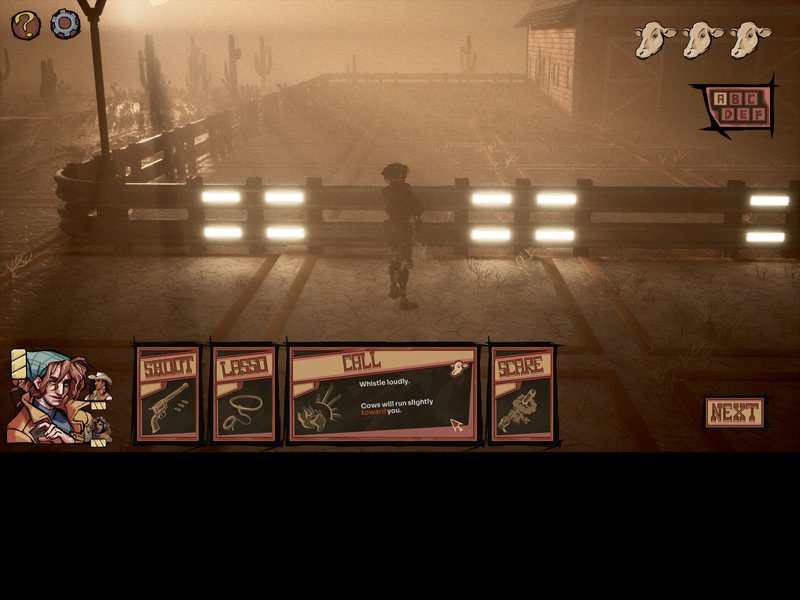
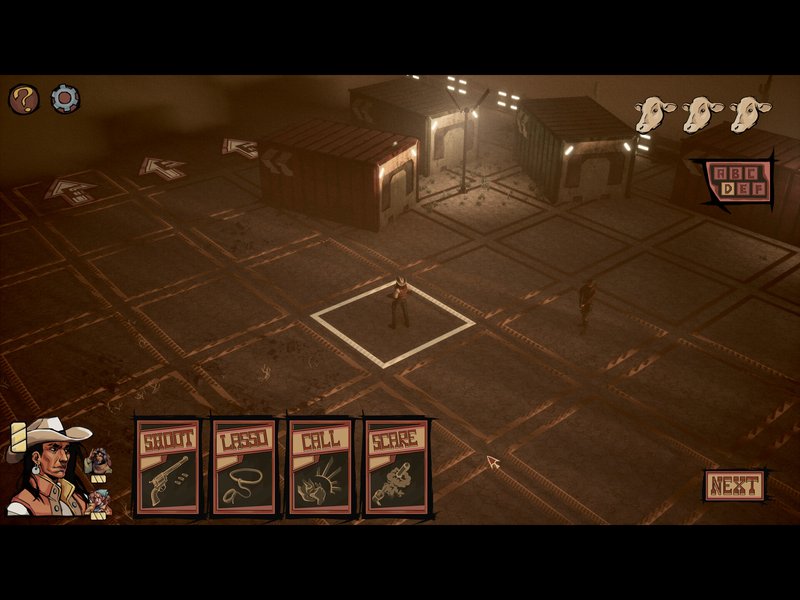
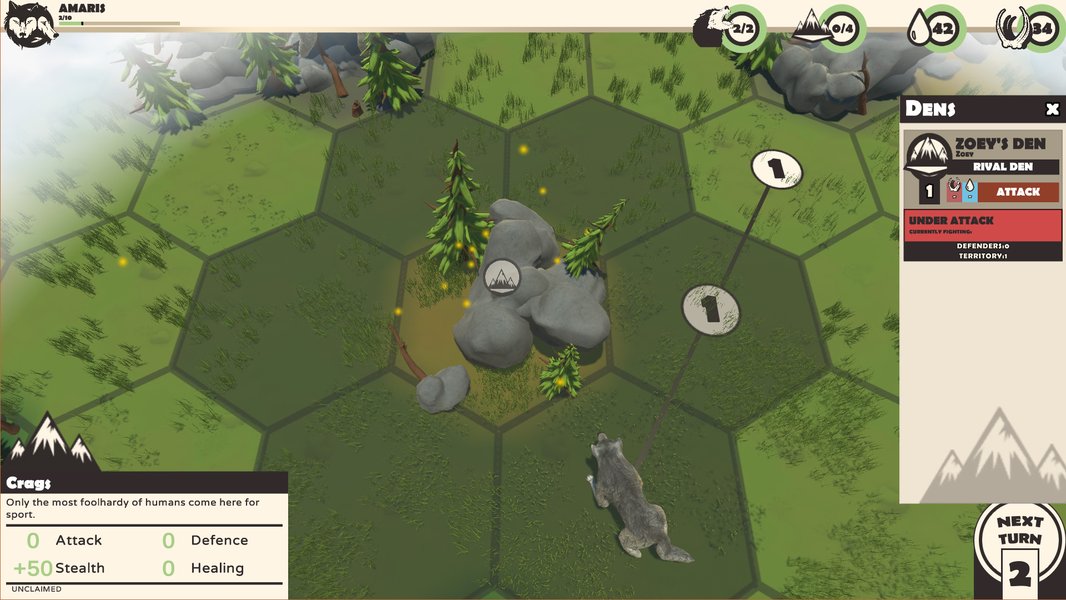
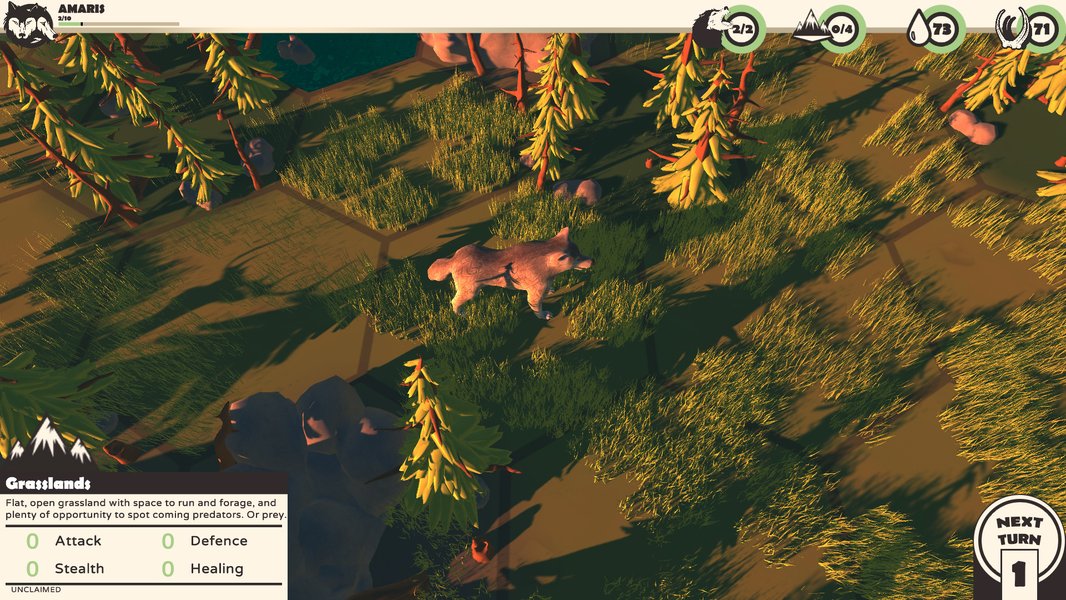
These images showcase different approaches to UI design, from clean and minimalist to more detailed and immersive. Key elements to consider include clear information display, intuitive controls, and visually appealing aesthetics. Experiment with different styles to find what works best for your game.
Choosing the Right Development Approach
The development approach you choose can significantly impact the success of your game. Here's a breakdown of some common approaches:
Game Engine vs. Custom Framework
You can either use a pre-built game engine or create your own custom framework.
- Game Engine: Engines like Unity and Unreal Engine provide a wide range of tools and features, which can significantly speed up development. However, they can also be complex to learn and may not be suitable for all types of games.
- Custom Framework: Creating your own framework gives you more control over the game's architecture, but it also requires more time and effort. This approach is typically preferred by experienced developers who have specific requirements that cannot be met by existing game engines.
Agile Development
Agile development is an iterative approach that emphasizes collaboration, flexibility, and continuous improvement.
- Sprints: Divide the development process into short sprints, typically lasting one to two weeks.
- Daily Stand-up Meetings: Conduct daily meetings to discuss progress, challenges, and plans for the day.
- Sprint Reviews: At the end of each sprint, review the work completed and gather feedback from stakeholders.
Waterfall Development
Waterfall development is a linear approach that follows a strict sequence of phases, such as requirements gathering, design, implementation, testing, and deployment.
-
Well-Defined Requirements: This approach is suitable for projects with well-defined requirements that are unlikely to change.
-
Documentation: Waterfall development emphasizes documentation, which can be helpful for large teams or projects with complex requirements.
Example Tech Stack Table
This table provides an example tech stack for a turn-based online strategy game.
| Category | Technology | Description |
|---|---|---|
| Frontend | HTML, CSS, JavaScript | Foundation for the user interface and game logic. |
| Frontend Framework | Phaser or PixiJS | 2D game development framework to streamline development. |
| Backend | Node.js | JavaScript runtime environment for the server. |
| Backend Framework | Express.js | Web application framework for Node.js. |
| Database | MongoDB | NoSQL database for storing game data. |
| Real-time Communication | Socket.IO | Enables real-time communication between client and server. |
| Payment Gateway | Stripe or PayPal | Process online payments securely. |
| Deployment | AWS or Google Cloud | Cloud platform for hosting the game and server. |
Gaining Insights: Expert Perspectives on Game Development
To further enhance your understanding of game development, consider this insightful video:
This video offers a high-level overview of creating a real-time strategy (RTS) game, many concepts such as game design and coding architecture overlap with turn-based strategy games. Understanding these principles can provide valuable insights into the development process, helping you make informed decisions and avoid common pitfalls.
Frequently Asked Questions
References
Last updated April 10, 2025