
Uber’s Advanced Load Balancing Strategies for Global API Requests
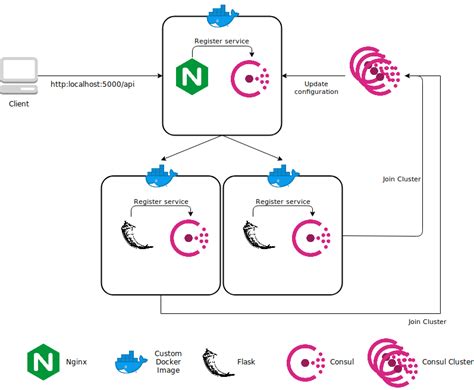
In the realm of global technology services, handling API requests efficiently across various regions is paramount for delivering a seamless user experience. Uber, a leader in the technology and transportation sectors, has developed sophisticated load balancing strategies to manage API requests effectively. These strategies leverage HTTP headers and edge API gateways to distribute traffic dynamically and ensure reliability and performance across different geographical regions.
Understanding Load Balancing in Distributed Systems
Load balancing is a critical component in distributed systems, where it ensures that no single server becomes a bottleneck, thereby enhancing the overall system performance and reliability. In a global context, load balancing becomes more complex due to varying network conditions, server capacities, and user locations. Uber’s approach addresses these challenges by dynamically distributing API requests to the most appropriate regional servers.
Uber’s Service Mesh Architecture
At the heart of Uber's load balancing strategy lies its service mesh architecture. This architecture is designed to handle the intricate task of routing API requests efficiently across multiple regions and data centers. The service mesh consists of several key components that work in tandem to manage traffic dynamically:
On-Host L7 Reverse Proxy
Uber employs an on-host Layer 7 (L7) reverse proxy as a central element in its service mesh. This proxy is responsible for intercepting API requests and routing them to the appropriate backend services. The process is outlined as follows:
- The caller service initiates an RPC (Remote Procedure Call) to a local port that the host proxy is monitoring.
- The host proxy forwards the RPC directly to a backend task of the callee service.
This setup allows for efficient handling of requests at the application layer, ensuring that traffic is managed based on content and other L7 criteria.
Control Plane Components
Behind the on-host reverse proxy, Uber utilizes Control Plane components to make real-time decisions about traffic assignment. These components play a pivotal role in determining how traffic is split among various backend task pools. Key functions include:
- Generating traffic assignment configurations that dictate the distribution of API requests.
- Allowing service owners to configure traffic splits, enabling granular control over request routing.
- Facilitating the creation of traffic drains to exclude specific backend pools, ensuring failover mechanisms are in place during outages or high load scenarios.
The Control Plane effectively acts as the conductor of Uber’s traffic management system, orchestrating the flow of requests based on dynamic conditions and predefined policies.
Dynamic Traffic Assignment and HTTP Headers
One of the cornerstone strategies in Uber’s load balancing approach is the utilization of HTTP headers for regional routing. By embedding routing information within HTTP headers, Uber can make informed decisions about where to direct API requests. This method offers several advantages:
- Granular Control: HTTP headers allow for precise control over request routing, enabling Uber to direct traffic based on specific criteria such as user location, server health, and network conditions.
- Flexibility: Embedding routing logic within headers facilitates dynamic adjustments to traffic flows without necessitating changes to the core application code.
- Scalability: This approach supports scalability by allowing seamless distribution of traffic across multiple regions and data centers.
Edge API Gateway Implementation
To complement its service mesh architecture, Uber employs an Edge API Gateway as a pivotal point for managing and routing API requests at the network’s edge. The Edge API Gateway serves several critical functions:
- Global Traffic Management: The gateway manages incoming traffic from users worldwide, ensuring that requests are directed to the nearest and most efficient regional data center.
- Load Balancing: By distributing incoming requests across multiple servers and regions, the gateway prevents any single point from becoming overwhelmed, thus maintaining system stability and performance.
- Failover Mechanisms: In the event of server or regional outages, the Edge API Gateway can automatically reroute traffic to alternative regions, minimizing downtime and service disruption.
The integration of the Edge API Gateway with HTTP header-based routing and the service mesh ensures a robust and resilient infrastructure capable of handling vast amounts of global traffic efficiently.
Real-Time Dynamic Subsetting
Uber’s blog post titled “Better Load Balancing: Real-Time Dynamic Subsetting” delves deeper into the concept of dynamic subsetting in load balancing. This technique involves real-time adjustments to the subset of backend servers handling specific traffic segments based on current conditions. Key aspects include:
- Real-Time Analytics: Continuous monitoring of traffic patterns and server performance data allows for immediate adjustments to traffic distribution.
- Adaptive Routing: The system can adaptively route traffic to regions or servers that are best suited to handle the current load, enhancing overall efficiency.
- Automated Decision-Making: Automated systems analyze data and make routing decisions without human intervention, ensuring rapid responses to changing conditions.
This real-time approach ensures that Uber’s load balancing system remains responsive and efficient, even as traffic patterns fluctuate rapidly.
Traffic Management Optimization
In another insightful blog post titled “Building Optimized & Reliable HTTP/HTTPS Traffic Management at Uber”, Uber outlines additional strategies for optimizing traffic management:
- Custom Global Traffic Management System: Uber has developed a bespoke global traffic management system tailored to its unique needs, focusing on reliability and performance.
- User Location-Based Routing: By considering the geographic location of users, Uber ensures that API requests are handled by the nearest data centers, reducing latency and improving response times.
- Server Health Monitoring: Continuous health checks of servers enable the system to avoid routing traffic to unhealthy or overloaded servers, maintaining high availability and reliability.
- Network Condition Awareness: The system takes into account current network conditions, such as congestion and latency, to make informed routing decisions that enhance overall performance.
These optimization techniques collectively contribute to a resilient and efficient traffic management system capable of supporting Uber’s extensive global operations.
Benefits of Uber’s Load Balancing Approach
Uber's comprehensive load balancing strategy offers numerous benefits that enhance both the user experience and the system's operational efficiency:
-
Enhanced Performance: By directing API requests to the most optimal servers and regions, Uber ensures quick response times and a smooth user experience.
-
Scalability: The dynamic nature of the load balancing system allows Uber to scale its services seamlessly, accommodating increasing numbers of users and expanding into new regions without compromising performance.
-
Reliability and Uptime: Automated failover mechanisms and health monitoring ensure high availability, minimizing downtime and maintaining service continuity even during unforeseen events.
-
Operational Efficiency: Real-time analytics and automated routing reduce the need for manual intervention, allowing Uber’s engineering teams to focus on other critical aspects of system improvement and innovation.
Conclusion
Uber’s sophisticated load balancing strategies, underpinned by a robust service mesh architecture and dynamic traffic management techniques, exemplify the company’s commitment to delivering reliable and high-performance services on a global scale. By leveraging HTTP headers for precise routing, implementing edge API gateways, and utilizing real-time dynamic subsetting, Uber ensures that API requests are managed efficiently across diverse regions and data centers. These strategies not only enhance user experience through improved performance and reliability but also provide the scalability and operational resilience necessary to support Uber’s expansive and ever-evolving platform.
Further Reading
Last updated January 3, 2025