
Analysis of UK Infrastructure Investment
In-depth exploration and international comparison of infrastructure challenges
Key Insights
- Chronic Underinvestment: The UK has faced long-term underinvestment in its infrastructure leading to aging assets and increased costs.
- Multi-Sector Challenges: From transportation to energy and digital networks, systemic issues persist that impede efficient service delivery.
- International Disparities: When compared with countries such as Germany, Poland, France, the US, Canada, Australia, and Ireland, distinct contrasts in investment and performance are evident.
UK Infrastructure: Underinvestment and Examples
The UK has historically experienced lower levels of infrastructure investment relative to other advanced economies. This underinvestment has had widespread consequences across multiple sectors:
Key Examples
1. Transportation
The UK road network is increasingly congested and in need of systematic repair and expansion. Traditional road maintenance methods have proven insufficient, with estimates suggesting that it could take up to 14 years to stabilize local roads. Similarly, the railway infrastructure suffers from outdated signaling systems and capacity constraints, often resulting in delays and cancellations.
2. Energy
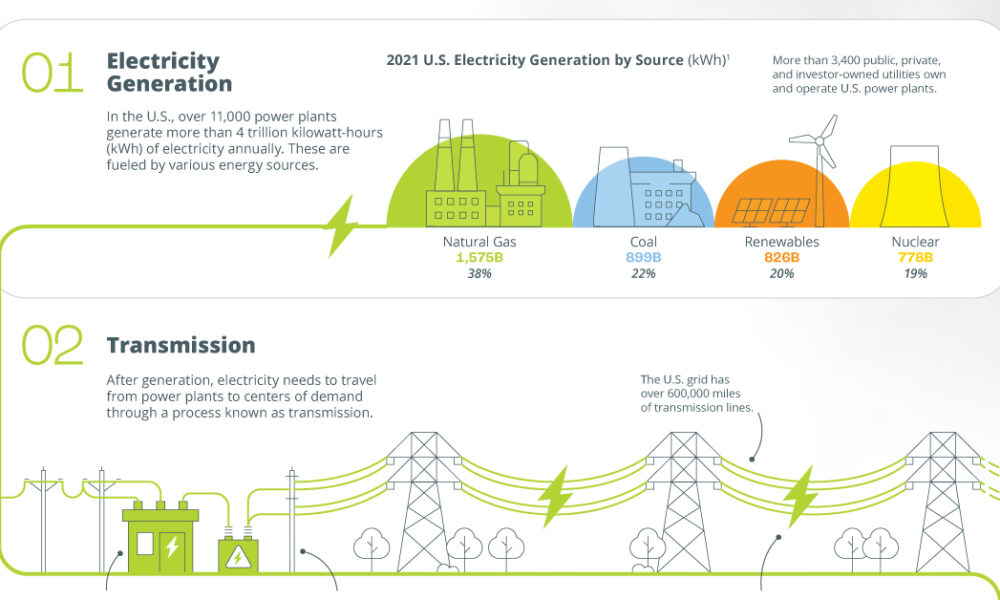
The energy sector is facing major challenges as old coal-fired power plants are being phased out, and the national grid requires modernization to accommodate renewable energy sources. Upgrading the grid infrastructure is imperative to meet rising demand and support clean energy initiatives.
3. Digital Infrastructure
Despite global trends favoring digital advancements, the UK's broadband and mobile networks lag behind international benchmarks. Rural areas, in particular, are underserved, which has implications for economic growth and digital inclusion.
4. Water and Sewage
Aging water and sewage systems are another prominent example of underinvestment. Many components, dating back to the Victorian era, result in frequent infrastructure failures, such as leaks and bursts, which complicates efforts to manage water resources effectively.
5. Housing and Construction
The construction sector is not immune to underinvestment. Much of the existing housing stock is outdated, and there is a well-documented backlog in the development of affordable housing. Workforce skills shortages compound these issues, slowing project delivery and inflating costs.
Summary of Problems in UK Infrastructure
Several underlying factors contribute to the UK’s infrastructure struggles:
- Aging Assets: Much of the country’s infrastructure—ranging from transportation networks and energy grids to sewage systems—has not received the necessary upgrades, thereby increasing failure risks and maintenance expenses.
- Capacity Constraints: Underinvestment has led to capacity issues in key sectors. The congested road systems and overloaded railways are symptomatic of an infrastructure that cannot meet current and future demand.
- Fragmented Governance: The UK's regulatory and planning frameworks are often cited as overly complex and bureaucratic. This fragmentation slows down project execution, resulting in delays and cost overruns.
- Skills Shortages: A deficit in skilled labor within the construction and infrastructure industries further compounds project delays and inefficiencies, making it difficult to complete projects on time and within budget.
- Funding Constraints: Despite planned expenditure of between £700 billion and £900 billion from 2025 to 2030, historical underinvestment has left the country with backlogs that are challenging to eradicate quickly.
- Legal and Regulatory Barriers: Excessive legal challenges and planning obstacles often add significant administrative delays to infrastructure projects.
- Environmental Adaptation: Aging infrastructure is increasingly ill-equipped to handle modern environmental challenges such as climate change, requiring a shift from simple repair to more innovative, sustainable approaches.
Comparative Analysis: International Infrastructure States
To understand the broader context of UK infrastructure challenges, it is crucial to compare them with the current states in other nations.
Germany
Germany is renowned for its robust and well-maintained infrastructure. With significant investments in transportation, energy, and digital networks, Germany emphasizes efficiency and modernity. The country has sustained continuous investment that has translated into efficient transport systems, a modern energy grid, and progressive digital infrastructure. In addition, regulatory frameworks in Germany are typically more streamlined, thereby contributing to reduced project delays.
Poland
Poland's infrastructure has seen impressive modernization over recent years, aided significantly by EU funding. The transformation is most evident in its road and rail networks, which have received substantial updates. Poland has focused on expanding capacity and modernizing key systems which has greatly improved connectivity and overall efficiency, marking a stark contrast to the chronic underinvestment seen in the UK.
France
France places a strong emphasis on high-speed rail networks and urban infrastructure improvements. Investments in transportation and energy have enabled France to boost connectivity and strengthen its infrastructure framework. The French model involves coordinated public and private investment efforts, resulting in consistent improvements that not only tackle current limitations but also anticipate future demands.
United States
The US infrastructure is massive but often unevenly maintained. Despite passing significant infrastructure bills recently aimed at modernizing transportation, energy, and digital systems, the country still contends with extensive backlogs and disparities between urban and rural areas. Aging systems and political divisions continue to challenge the efficient allocation of funds and resources.
Canada
Canada boasts a well-developed and modern infrastructure system with a strong emphasis on public utilities such as transportation, energy, and digital networks. Efficient public-private partnerships in Canada allow for streamlined project development, which is often cited as a benchmark for effective infrastructure management. Investments are consistently directed towards upgrades and sustaining the quality of infrastructure.
Australia
Australia’s infrastructure system is similarly robust, with heavy investments in transportation, energy, and digital networks. The country's proactive approach is mirrored in its focus on sustainable development and resilience against climate change. Investment levels in Australia aim to maintain a balance between modern expansion and meeting future challenges.
Ireland
In Ireland, recent years have seen significant investments in modernizing infrastructure, particularly in transportation and energy sectors. Initiatives like the "Ireland 2040" plan are designed to foster growth and sustainability. Ireland's pragmatic approach, bolstered by EU funds and national strategies, has led to improvements that narrow the gap with more established infrastructure systems, though challenges still remain.
Visual Comparison of Infrastructure Investments
The table below summarizes key aspects of infrastructure investment and current states across the countries discussed:
| Country | Investment Focus | State of Infrastructure | Key Challenges |
|---|---|---|---|
| UK | Transportation, Energy, Digital, Water | Aging assets, capacity issues, fragmented regulation | Underinvestment, skills shortage, legal delays |
| Germany | Transportation, Energy, Digital | Modern, efficient, well-maintained | Continuous high standards, costly maintenance |
| Poland | Transportation, Energy | Rapidly modernizing | Dependence on EU funding, scale of upgrades |
| France | High-speed rail, Urban development | Well-developed, integrated | Large-scale projects and cost management |
| United States | Transportation, Energy, Digital | Extensive yet uneven | Aging systems, political polarization |
| Canada | Public utilities, Transportation, Energy | High-quality, modernized | Balancing investment across vast regions |
| Australia | Transportation, Energy, Digital | Robust and sustainable | Maintaining resilience against climate impacts |
| Ireland | Transportation, Energy, Digital | Improving, with strategic investments | Scaling up investments and coordination |
Addressing the Challenges Ahead
In light of the evident underinvestment and the resulting infrastructure deficits in the UK, several measures are being proposed and implemented:
Enhanced Capital Investment
With planned capital investment between £700 billion and £900 billion from 2025 to 2030, the UK aims to bridge its investment gap. However, effective allocation and timely execution remain critical challenges. Improving processes to reduce cost overruns and administrative delays will be essential for maximizing return on these investments.
Regulatory and Legislative Reform
Reforming the planning and regulatory frameworks to minimize bureaucratic delays is vital. The government’s initiatives to remove excessive legal challenges should help accelerate project delivery, although these reforms need careful monitoring to ensure that they do not compromise environmental or safety standards.
Fostering Private Sector Engagement and Skills Development
Encouraging private investment through well-structured public-private partnerships (PPPs) could improve efficiency and inject necessary capital into the sector. Concurrently, addressing the skills shortage in construction and digital infrastructure sectors is crucial for enabling the rapid deployment of modern solutions required to replace aging assets.
Leveraging Digital Transformation
Although currently lagging, the UK must accelerate its digital transformation to enhance infrastructure operations. Modernizing digital networks not only improves connectivity and smart city capabilities but also helps to better manage the energy grid and transportation systems.
References
- BCG Insights - UK Infrastructure Investment
- ICE State of the Nation Report - ICE
- The Guardian - Legal Challenges and Infrastructure
- McGinley - UK Infrastructure Forecast
- Savills Insights - Planning and Infrastructure Bill
Recommended Explorations
Last updated March 21, 2025