
UK Local Elections 2025: Labour's First Major Test Amid Shifting Political Tides?
An analysis of Labour's challenges, polling trends, and the potential impact of the May 1st vote on British politics.
Key Insights
- Crucial Test for Labour: The May 1, 2025, local elections represent the first significant electoral test for the Labour government following their substantial majority win in the July 2024 general election.
- Challenging Polls: Current polling indicates a difficult environment for Labour, with Reform UK showing notable strength and recent polls placing them ahead or tied with Labour and the Conservatives.
- Internal Pressures: Labour is grappling with reported declines in party membership and falling public approval ratings, particularly for leader Keir Starmer, making 2025 a pivotal year for the party to demonstrate progress.
The Significance of the 2025 Local Elections
The upcoming local elections scheduled for May 1, 2025, across England are poised to be more than just a routine democratic exercise. They represent a critical juncture in British politics, serving as the first major public opinion test for the Labour government since it secured a large parliamentary majority in the general election on July 5, 2024. Thousands of council seats are being contested, including those in 14 county councils and mayoral races in key areas like Greater Lincolnshire and Hull and East Yorkshire.
While primarily determining control over local councils and combined authority mayors, the outcomes of these elections often reverberate nationally. They act as a significant barometer of the national mood, influencing party morale, the standing of political leaders, and strategic planning for future general elections. Significant shifts in voting patterns or control of councils could signal broader political realignments.
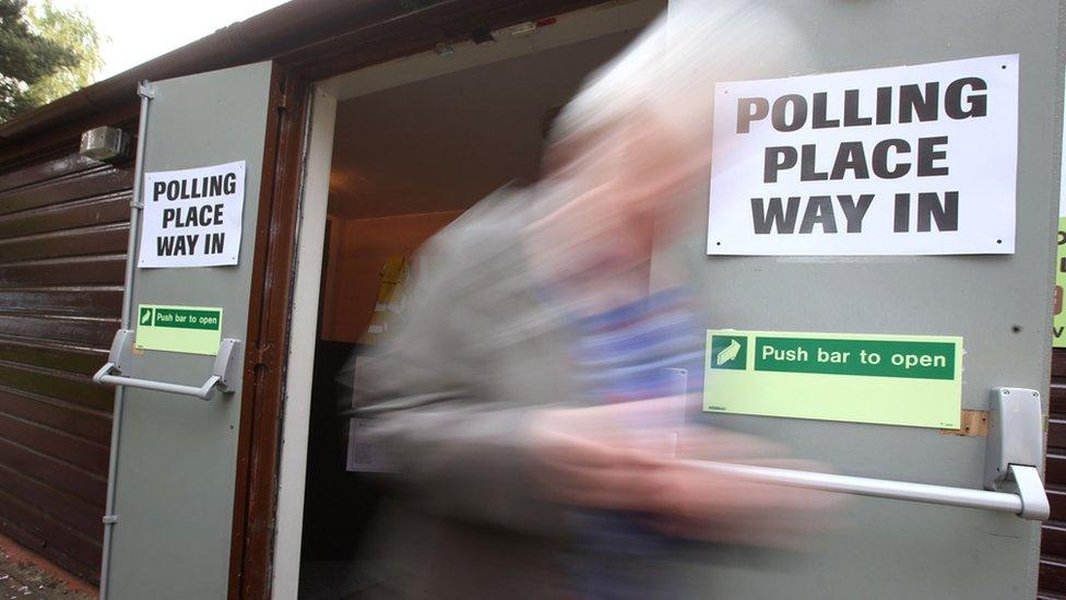
Polling stations across England will open on May 1, 2025, for local council and mayoral elections.
A Barometer for Government Performance
Given that these are the first major elections since Labour took power, their performance will be intensely scrutinized. It offers voters a chance to express their views on the government's performance so far, particularly on its ability to deliver on promises made during the general election campaign. Analysts suggest 2025 is a "make-or-break" year for the Labour government to prove its effectiveness and maintain public trust.
Potential for Political Reshaping
The results could potentially reshape the political landscape. Current polling suggests a fragmentation of the traditional party system, with Reform UK making significant inroads. Losses for Labour or the Conservatives could empower smaller parties or embolden challengers, leading to shifts in local governance and potentially influencing national policy debates. Conversely, a strong performance could consolidate a party's position.
Labour's Current Standing: Challenges and Concerns
Despite entering government with a significant majority, recent indicators suggest the Labour Party is facing considerable challenges less than a year into its term.
Falling Popularity and Approval Ratings
Public perception appears to have soured since the general election. Favourability ratings for key Labour figures, including Prime Minister Keir Starmer and Chancellor Rachel Reeves, have reportedly declined. YouGov polling from April 2025 placed Starmer's net favourability rating at a new low of -34. Furthermore, reports indicate a broader slump in the party's popularity, with polling suggesting dissatisfaction even among Labour's own voters – one survey found four in ten Labour voters disapproved of the government's performance.
Reported Membership Decline
Internal party health also shows signs of strain. Reports emerged in early 2025 indicating that Labour's paid-up membership had decreased by approximately 11.4% since the general election. This translates to a drop from around 348,500 members in July 2024 to about 309,000, a loss of over 39,000 members, which some sources equate to losing roughly one member every ten minutes in the preceding months. Such trends can reflect disillusionment among core supporters.

Labour leader Keir Starmer faces declining personal approval ratings ahead of the local elections.
Economic Perceptions
The economy remains a key public concern, and perceptions of Labour's handling of it appear mixed, even among its supporters. Polling data from early 2025 indicated a significant gap among Labour voters themselves, with 51% believing the government was handling the economy badly, compared to only 32% who thought it was being handled well. This dissatisfaction over a core governance issue poses a challenge.
The "Make-or-Break" Year
Commentators and think tanks like the Institute for Government have described 2025 as a potentially "make-or-break" year for the Labour administration. The upcoming local elections are a key part of this narrative, representing a critical moment for the government to demonstrate tangible progress, consolidate its position, and rebuild any lost momentum.
The Polling Landscape: A Competitive Picture
Recent opinion polls paint a complex and challenging picture for the Labour Party heading into the May 1st local elections, suggesting a far more competitive environment than their general election victory might imply.
National Voting Intentions
Multiple recent polls indicate a significant shift in national voting intention since July 2024. An average of polls conducted in the seven days leading up to April 20, 2025, showed Reform UK leading on 25%, with Labour in second place at 23%, and the Conservatives closely behind at 21%. The Liberal Democrats were polling at 14% and the Greens at 10%. Other polls, including MRP (Multilevel Regression and Post-stratification) analyses from Electoral Calculus and More in Common in April 2025, also place Reform UK ahead or neck-and-neck with Labour and the Conservatives. This suggests a notable fragmentation of the vote and a potential erosion of Labour's support base.
Local Election Forecasts
Polling specifically focused on the upcoming local and mayoral contests points towards potential difficulties for Labour. A YouGov poll forecasted that Labour could lose all four combined authority mayoral elections being contested. The same polling suggests Reform UK is positioned strongly, potentially winning the inaugural mayoral races in Greater Lincolnshire and Hull and East Yorkshire. Furthermore, analysis by More in Common suggests that defections from Labour towards progressive parties like the Liberal Democrats and Greens could indirectly benefit Reform UK and the Conservatives, potentially costing Labour numerous council seats.
Key Issues Driving Opinion
Public concerns over the economy and immigration appear to be significant factors influencing voter sentiment. As mentioned earlier, dissatisfaction with the government's handling of the economy is notable. Additionally, polling from the beginning of 2025 highlighted that a large majority of Britons (70%) felt immigration over the past decade had been too high, an issue often emphasized by Reform UK.
Mindmap: Key Factors Influencing the 2025 Local Elections
This mindmap illustrates the interconnected factors shaping the political landscape ahead of the May 1st local elections, highlighting the pressures on Labour and the dynamics at play.
(May 1st)"] id1["Labour Government Performance"] id1a["First Major Electoral Test"] id1b["'Make-or-Break' Year"] id1c["Delivery on Promises?"] id2["Labour Party Standing"] id2a["Declining Popularity"] id2b["Leadership Favourability (Starmer -34)"] id2c["Membership Drop (~11.4%)"] id2d["Voter Dissatisfaction (4 in 10 Labour voters)"] id3["Polling Landscape"] id3a["National Polls (Reform UK Leading/Competitive)"] id3a1["Reform UK ~25%"] id3a2["Labour ~23%"] id3a3["Conservatives ~21%"] id3b["Local/Mayoral Forecasts"] id3b1["Potential Labour Mayoral Losses (4/4?)"] id3b2["Predicted Reform UK Wins (Lincolnshire, Hull)"] id3c["Vote Fragmentation"] id4["Key Voter Issues"] id4a["Economy Handling"] id4b["Immigration Levels"] id4c["Local Service Delivery"] id5["Other Parties"] id5a["Reform UK Surge"] id5b["Conservative Position"] id5c["Lib Dem / Green Potential"] id5d["Independent Candidates"] id6["Potential Outcomes"] id6a["Shift in Local Power"] id6b["Impact on National Politics"] id6c["Leadership Pressure (Labour/Others)"] id6d["Indicator of Public Mood"]
Comparative Party Performance Metrics (Estimated)
The following chart provides an estimated visualization of the relative perceived strengths and weaknesses of the main political parties across several key metrics leading into the May 2025 local elections. These are qualitative assessments based on the trends discussed and polling data, not precise measurements.
What Does This Mean for Labour? Assessing the Situation
Assessing "how bad" the situation is for Labour requires nuance. While the party holds a substantial parliamentary majority won less than a year ago, the trends indicated by polling, membership figures, and approval ratings suggest significant headwinds. The upcoming local elections serve as a critical test of whether these trends translate into tangible electoral setbacks.
Potential poor performance, such as losing key mayoral races or a significant number of council seats as some polls predict, would undoubtedly be viewed as a blow. It could:
- Weaken Labour's momentum and perceived mandate.
- Damage party morale and potentially increase internal scrutiny of the leadership.
- Reduce Labour's influence and presence at the local government level.
- Embolden opposition parties, particularly Reform UK if they make substantial gains.
However, context is important. Governing parties often face challenges in mid-term local elections. Furthermore, the unpopularity of the Conservative party, still recovering from previous administrations, might mitigate some losses for Labour, as voters may choose strategically. Labour retains the power of incumbency nationally, but the local elections will be a clear indicator of whether they can consolidate their 2024 gains or if their support is proving shallower than anticipated.

Local elections provide a snapshot of voter sentiment between general elections.
Table: Recent Polling Snapshot (April 2025)
This table summarizes findings from various opinion polls regarding national voting intention around April 2025, illustrating the competitive landscape discussed.
| Polling Source/Type | Date (Approx. Fieldwork) | Reform UK | Labour | Conservatives | Lib Dems | Greens | Notes |
|---|---|---|---|---|---|---|---|
| Average of Polls (via MSN) | Mid-April 2025 | 25% | 23% | 21% | 14% | 10% | Average of polls fieldwork up to Apr 20 |
| Electoral Calculus (MRP) | Early April 2025 | ~2% Lead | Tied 2nd | Tied 2nd | - | - | Placed Reform UK ahead of Labour/Cons tied |
| YouGov (Mayoral Polls) | April 2025 | Leading in Lincs/Hull | Forecasted to lose 4/4 mayoral races | - | - | - | Focus on specific mayoral combined authority races |
| Statista (Trend Overview) | Ongoing 2025 | Gaining Ground | Slipped Behind Reform | Competitive | - | - | General trend reported from various polls |
| More in Common (MRP) | April 2025 | Potential Gains | Risk of losses (up to 68 seats) due to progressive defections | Potential Gains | Potential Gains | Potential Gains | Models impact of voter shifts |
Expert Views on the Election's Importance
Understanding the significance of local elections within the broader UK political system is crucial. While focused on local issues, their outcomes are often interpreted through a national lens. This video provides context on why local elections matter and how their results are typically analyzed by political parties and commentators.
The video features Professor Jane Green explaining the role of local elections as indicators of public mood and potential predictors of future political trends, relevant to understanding the stakes of the upcoming May 1st vote.
Frequently Asked Questions (FAQ)
Why are the May 2025 local elections considered so important?
These elections are the first major electoral test for the Labour government since winning the general election in July 2024. Their performance will be seen as a key indicator of public satisfaction with their first year in office and could influence national political momentum, party morale, and future policy direction. Significant gains or losses for any party could signal broader shifts in the political landscape.
What are the main challenges facing the Labour Party right now?
Labour faces several challenges: declining public approval ratings (including for leader Keir Starmer), reported dissatisfaction even among their own voters (particularly concerning the economy), a reported drop in party membership since the election, and strong polling numbers for competitors like Reform UK. Delivering on promises and maintaining public trust appear to be key hurdles.
Which party is currently leading in the polls for the local elections?
Recent national voting intention polls (as of mid-April 2025) have shown Reform UK leading or tied with Labour and the Conservatives. For instance, one poll average put Reform UK at 25%, Labour at 23%, and the Conservatives at 21%. Specific local election and mayoral polling also suggests Reform UK is performing strongly in certain areas, potentially challenging Labour significantly.
Could Labour lose significant power in these elections?
Yes, based on current polling and forecasts, there is a possibility Labour could face significant losses. Some polls predict they could lose control of key mayoralties (potentially all four being contested) and numerous council seats. The extent of any losses will determine the impact, but the potential for setbacks appears real according to recent data.
What happens if Labour performs poorly?
A poor performance could increase pressure on Keir Starmer's leadership, dampen party morale, and raise questions about the government's direction and popular support. It might embolden opposition parties and make governing more challenging by suggesting Labour's mandate is weakening. It would likely lead to internal reflection and potential strategy changes within the Labour Party.
References
- 2025: a make-or-break year for the Labour government - Institute for Government
- Labour Party membership has dropped 11% since general election - LabourList
- Political favourability ratings: April 2025 - YouGov
- Local Election 2025 opinion polls puts Reform ahead of Labour and Tories - MSN
- Combined authority mayoral elections 2025: Where does voting intention stand? - YouGov
- MRP Poll: Reform lead Labour and Cons by 2pc (4 Apr 2025) - Electoral Calculus
- Voting intention in the UK 2024-2025 - Statista
Recommended
Last updated April 25, 2025