
Analyzing Potential Scenarios for the Conclusion of the Ukraine War
A comprehensive exploration into the possible outcomes shaping Eastern Europe’s future
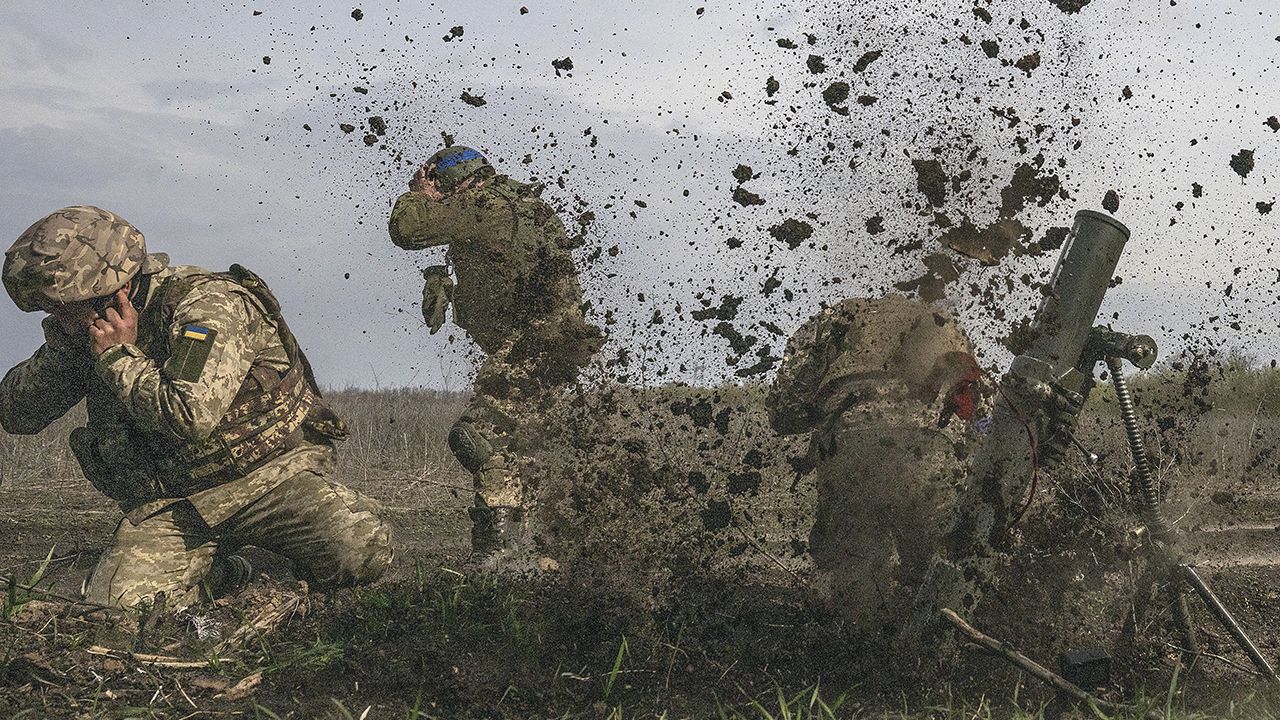
Key Insights
- Multiple Endgame Scenarios: The conflict could result in a prolonged war, a frozen conflict, a Ukrainian victory, or a Ukrainian defeat.
- International Dynamics: Decisions by international actors, diplomatic maneuvers, and the scale of Western support will critically influence the outcome.
- Political, Military, and Social Impact: End state will carry deep ramifications domestically within Ukraine and Russia and for the global geopolitical landscape.
Introduction
The resolution of the Ukraine war remains one of the most debated and challenging geopolitical questions of our time. While the future of the conflict is uncertain, intensive analysis from various perspectives outlines several potential outcomes. Each scenario is deeply intertwined with the military, political, and diplomatic dimensions not only in Eastern Europe but also in global power dynamics. This discussion synthesizes key ideas from multiple analyses to provide a comprehensive understanding of how the war might conclude.
Potential Scenarios for the War's Conclusion
1. Prolonged Attritional Conflict (Long War)
One significant possibility is that the war drags on into an extended, attritional conflict where both Ukraine and Russia continue to expend massive human, economic, and military resources. In this scenario, neither side achieves a rapid, decisive victory, and successive battles lead to gradual depletion of capabilities. A prolonged war has several notable features:
Military and Logistical Challenges
Fighting a long war strains national resources as supply chains become critical and extended frontlines require continuous reinforcement. For Ukraine, sustained international support would be essential; however, even with support, unpredictable battlefield developments could force both camps into encumbering defensive operations.
Economic and Social Pressures
Economic hardships and societal divisions are likely to intensify as conflicts persist over an extended period. The cost of sustained military operations may weaken domestic economies, both in Ukraine and Russia, potentially stirring political and civil unrest.
Strained International Alliances
Extended conflict scenarios may lead to fatigue among traditional allies and pressure on nations that provide economic, military, or humanitarian support. Over time, political will, particularly in the West, may be tested, potentially leading to recalibration or reduction in foreign aid.
2. Frozen Conflict
Another plausible outcome is that active hostilities may eventually subside, transforming the war into what is often referred to as a “frozen conflict.” In this scenario, the fighting might cease without any party achieving a clear or definitive victory; instead, de facto borders may persist with intermittent skirmishes along a stabilized frontline.
Armistice and Ceasefire
The frozen conflict would likely be characterized by the establishment of a ceasefire agreement or armistice formally halting large-scale hostilities. While such an agreement could prevent further immediate bloodshed, it would leave the status of disputed territories unresolved.
Role of Peacekeeping Forces
As in several historical examples of unresolved conflicts, the introduction of international peacekeeping forces—potentially from European or British contingents—could enforce these terms. The presence of such forces would, however, depend on complex negotiations involving multiple stakeholders and well-drafted mandates.
Long-Term Instability
A frozen conflict scenario may result in long-term instability. Entrenched divisions will persist, and the area may continue to serve as a flashpoint for future tensions between rival powers which, amid evolving geopolitical contexts, could harken back into renewed conflict.
3. Ukrainian Victory
Another hopeful but challenging potential outcome is a military victory for Ukraine. This would involve Ukrainian forces, aided by significant Western support both in arms and strategic intelligence, successfully repelling Russian forces or forcing them to retreat. The conditions necessary for this outcome involve dramatic shifts in the conflict dynamics.
Enhanced Western Military Aid
A decisive Ukrainian victory would likely depend on sustained or even bolstered military aid from NATO countries and other allied nations. This may include advanced weaponry, intelligence cooperation, and strategic logistical support that could provide Ukraine with the edge on the battlefield.
Reclaiming Territory
Military success would enable Ukraine to reclaim territory that might have been captured by Russian forces, ideally restoring internationally recognized borders. For this to occur, Ukrainian forces would need to execute carefully planned offensives designed to break through entrenched Russian positions.
Internal and International Repercussions
A Ukrainian victory would have profound repercussions both domestically and internationally. It would bolster Ukrainian national identity and likely lead to strengthened democratic processes. Internationally, such an outcome may shift global power balances and potentially serve as a deterrent to future acts of aggression by other states.
4. Ukrainian Defeat
Conversely, there is a significant possibility that Ukraine could face military defeat. This scenario might manifest if the flow of external support diminishes or if Russia successfully capitalizes on battlefield gains.
Reduction in Foreign Support
A downturn in Western morale or political distractions could lead to a substantial reduction in military and economic aid to Ukraine. Without sufficient support, Ukraine’s capacity to sustain prolonged combat operations would be weakened significantly.
Territorial Concessions
Defeat for Ukraine could result in forced territorial concessions where parts of Ukraine might either be annexed or remain under de facto Russian control. This scenario may be accompanied by shifts in national leadership and governance structures within Ukraine.
Long-Term Political Impact
A defeat would have severe implications for Ukraine's sovereignty and democracy. The internal political landscape might shift drastically, potentially paving the way for leaders who are more amenable to Russian interests or who are forced to negotiate on unfavorable terms.
5. Negotiated Settlement and Other Diplomatic Outcomes
Beyond definitive military victories or defeats, the conflict might end through diplomatic negotiations that result in a settlement acceptable to both sides. This negotiated outcome might include compromises such as territorial adjustments, power-sharing arrangements, or the establishment of neutral zones.
Diplomatic Mediation
In recent months, there have been indications of diplomatic engagements involving key international players. For instance, discussions have taken place in neutral venues like Saudi Arabia, where representatives of pivotal states have explored pathways to end the conflict without further bloodshed.
Terms and Conditions
Any proposed agreement would inevitably involve difficult concessions from both Ukraine and Russia. Russian demands might include recognition of territorial claims, restrictions on NATO expansion, or guarantees regarding Ukraine's military capabilities. Conversely, Ukraine will likely insist on the restoration of its internationally recognized borders and assurances of long-term security.
Regional Order and International Law
While a negotiated settlement might offer the immediate benefit of reduced hostilities, it would also set a critical precedent in international relations. The way in which the two parties compromise could have broader implications for the integrity of international borders and the enforcement of international law in similar future conflicts.
Influencing Factors and Key Considerations
International Support and Geopolitical Strategies
A common theme across all potential outcomes is the central role played by international actors. Western nations, particularly members of NATO and the European Union, have contributed extensively to Ukraine’s military efforts. Therefore, the sustainability of foreign military aid, economic sanctions against Russia, and diplomatic pressures are pivotal.
Impact of Strategic Alliances
Western alliances bring not just material support, but also a degree of political legitimacy to Ukraine’s resistance. In contrast, any significant withdrawal or recalibration of this support could tilt the balance in favor of Russian objectives. At the same time, new alliances or shifts—for instance, emerging partnerships among non-Western states—could introduce fresh dynamics that alter strategic calculations.
Mediation and External Negotiation Efforts
Mediators, including influential former leaders, have attempted to chart paths to negotiation. Although such efforts can garner skepticism, particularly from within Ukraine where public sentiment is strong, the role of external mediation cannot be entirely discounted. Effective mediation might involve detailed proposals addressing core issues such as territorial disputes, defense commitments, and security guarantees.
Domestic Political Influences and Public Opinion
Within both Ukraine and Russia, domestic politics play a crucial role. The ability of the governments to manage internal dissent, economic challenges, and social unrest will directly influence their negotiating positions and military strategies.
Political Leadership and Public Sentiment
The persistence of nationalistic fervor, particularly in Ukraine, has been a unifying force. Polling data indicates that a significant majority of Ukrainians remain committed to the idea of reclaiming full sovereignty, with optimism about potential military successes. Conversely, changes in leadership or internal pressures in Russia might force a re-evaluation of objectives.
Economic Constraints and Social Implications
Enduring conflict inevitably imposes severe economic burdens. Resource depletion, disruption of trade, and internal displacement are factors that can erode public morale. Social consequences, such as long-term displacement and trauma, are intrinsic factors that influence how both societies perceive the costs and benefits of further conflict or reconciliation.
Impact of Regional and Global Political Realignments
The broader strategic context in global politics also significantly informs the potential outcomes of the Ukraine war. Shifts in the geopolitical landscape, including changes in the strategic priorities of major powers like the United States, China, and European states, create dynamic pressures that can redefine the conflict’s trajectory.
Emerging Global Alliances and Shifts
As global attention increasingly focuses on balancing rising regional powers, any realignment in alliances may either bolster or constrain Ukraine’s ability to pursue a victorious outcome. Changes in economic interests, trade relationships, and regional security commitments will likely influence any negotiated settlement or prolonged military engagement.
Role of International Law and Precedents
The eventual outcome of the Ukraine war is also likely to be judged against the backdrop of international law and historical precedents. Whatever the resolution, it will have lasting effects on the international order, potentially setting a benchmark for how territorial disputes and national sovereignty issues are resolved in future conflicts.
Comparative Analysis: A Table of Scenarios and Their Drivers
The following table compares the key scenarios for the war’s conclusion alongside the primary drivers influencing each outcome:
| Scenario | Key Drivers | Potential Impact |
|---|---|---|
| Long War | Continued military engagement, resilient supply lines, high international costs | Prolonged regional instability, economic downturn, gradual resource exhaustion |
| Frozen Conflict | Ceasefire agreements, peacekeeping forces, sustained stalemate | Insecure borders, intermittent skirmishes, unresolved territorial disputes |
| Victory for Ukraine | Enhanced Western support, military advances, effective counter-strategies | Restoration of territorial integrity, reinforced national pride, boosted democratization |
| Defeat for Ukraine | Reduction in foreign aid, strategic missteps, robust Russian military operations | Territorial concessions, shifts in political leadership, potential long-term dependency |
| Negotiated Settlement | Active diplomacy, mediation efforts, balanced compromises | Temporary peace with lasting repercussions on international law and regional order |
Synthesis and Integrated Analysis
Each scenario offers a distinct pathway, but the complexity of the conflict ensures that multiple factors will interact in unpredictable ways. The interplay between military capabilities, diplomatic engagement, and internal political resilience will dictate the narrative moving forward. Currently, the consensus leans towards neither a swift military resolution nor a simple diplomatic fix. Instead, the war’s end is likely to be shaped by a confluence of gradual shifts rather than a single defining moment.
Of the various possibilities, a negotiated settlement appears to be a pragmatic resolution, especially considering the high costs associated with both prolonged warfare and the potential for escalated destruction. However, any agreement may require painful compromises from both sides, thereby shaping the post-conflict political landscape for years to come.
Moreover, the decision-making power of external actors—ranging from Western governments to influential non-state mediators—adds layers of complexity. While some external pressures may help stabilize the situation, they can also prolong the conflict by emboldening one side or the other's resolve.
Additionally, public opinion within Ukraine remains a critical driver. The resilience and moral fortitude shown by the Ukrainian population may continue to underpin military strategies, even as external diplomatic channels explore avenues for ceasefire or negotiated settlements. Conversely, internal frictions or shifts in public sentiment in Russia might alter the Kremlin’s approach to the conflict.
Conclusion
In summary, the potential termination of the Ukraine war is governed by a spectrum of outcomes ranging from a prolonged attritional conflict to a frozen state of hostilities, a decisive military victory for Ukraine, or a defeat accompanied by significant territorial concessions. Given the stakes involved, each consequence carries significant ramifications for domestic policy, the international legal framework, and regional security dynamics.
As international alliances continue to evolve, the sustainability of foreign support, ongoing diplomatic mediation, and internal political dynamics will heavily influence the war's eventual resolution. While a negotiated settlement appears to be the most pragmatic long-term solution given the immense human and economic costs, it will likely require painful compromises from both sides. Ultimately, the complex interdependence of military strategies, political will, and diplomatic pressure underscores that predicting a single definitive outcome remains challenging.
Decision-makers and citizens alike must remain vigilant as events on the ground continue to shift, and it is critical that the international community engages in constructive dialogue to mitigate further escalation and foster lasting peace. The final resolution of the Ukraine war will not only decide the fate of a nation, but also set precedents for future international conflicts and the governance frameworks that support global stability.
References
- Chatham House - Scenarios for the End of the Ukraine War
- Chatham House Event Analysis - Russo-Ukrainian War
- The Conversation - Most Likely Scenarios in the Ukrainian War
- The Guardian - Negotiated Outcome as Likely Result
Recommended Next Steps for Further Exploration
Last updated February 20, 2025