
Mastering Chess: The Ultimate Guide to Learning and Improving
Unlock your potential with strategic learning, consistent practice, and comprehensive analysis.
Key Takeaways
- Structured Learning: Follow a systematic approach by mastering the basics, focusing on tactics, and gradually advancing to strategy and endgames.
- Consistent Practice: Dedicate regular time daily to solve puzzles, play games, and analyze your performance to solidify your skills.
- Utilize Resources and Communities: Leverage books, online platforms, instructional videos, and engage with chess communities or coaches for enhanced learning.
1. Understand the Fundamentals
Learn the Rules and Setup
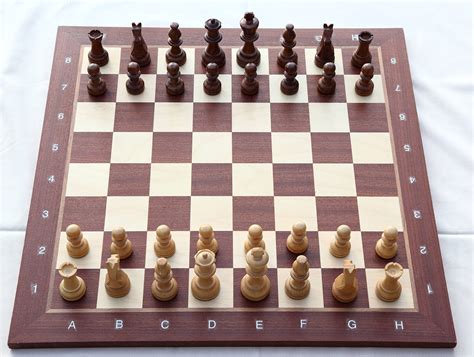
Begin your chess journey by thoroughly understanding the basic rules and the initial setup of the chessboard. Familiarize yourself with how each piece moves, including special moves such as castling, en passant, and pawn promotion. Recognize the 8x8 grid coordinates to navigate the board effectively.
Master Basic Principles
Grasp the fundamental principles that govern good chess play. These include controlling the center of the board, developing your pieces efficiently, and ensuring the safety of your king. Understanding these concepts lays a strong foundation for more advanced strategies.
2. Focus on Tactics and Patterns
Solve Tactical Puzzles Daily
Chess is inherently tactical, and improving your ability to recognize patterns is crucial. Engage in daily tactical exercises using online platforms like Chess.com or Lichess.org, which offer a wealth of puzzles designed to enhance your pattern recognition and calculation skills.
Enhance Pattern Recognition
The more familiar you become with common tactical motifs such as forks, pins, skewers, discoveries, and checkmates, the more proficient you will be in identifying and executing them during your games. Regular practice with tactical puzzles accelerates this learning process.
3. Utilize Online Resources
Educational Videos and Tutorials
Leverage the wealth of instructional content available on platforms like YouTube. Channels such as ChessBrah, Daniel Naroditsky, and John Bartholomew provide valuable insights, strategies, and lessons from experienced players. These videos can help you understand complex concepts in an engaging and digestible format.
Interactive Learning Platforms
Online platforms like Chess.com and Lichess.org offer a variety of tools including tactics trainers, chess mentors, and live play options. These resources allow you to practice in real-time against opponents of varying skill levels, apply learned strategies, and receive immediate feedback.
4. Practice Regularly
Set a Consistent Routine
Allocate dedicated time each day for chess practice. Consistency is key to improvement. Whether it's 20-30 minutes of solving puzzles, playing training games, or reviewing past matches, regular practice helps reinforce new skills and maintain a steady progression.
Play Competitive Games
Engage in both casual and rated games to apply your knowledge in real-game scenarios. Participating in online tournaments or local chess clubs exposes you to diverse playing styles and strategies, enhancing your adaptability and resilience under pressure.
5. Analyze Your Games
Self-Review and Reflection
After each game, take the time to analyze your moves critically. Identify mistakes, understand where you went wrong, and contemplate better alternatives. This reflective practice is essential for recognizing patterns in your play and avoiding repetitive errors.
Leverage Chess Engines and Software
Utilize chess engines like Stockfish or the analysis tools available on Chess.com and Lichess.org to gain deeper insights into your games. These tools can highlight inaccuracies, blunders, and missed opportunities, providing a detailed breakdown of your performance.
6. Study Openings and Endgames
Understand Opening Principles
While memorizing openings is not immediately crucial for beginners, understanding the objectives and common moves of various openings can provide a strategic advantage. Focus on mastering a few solid openings that emphasize control of the center, piece development, and king safety.
Master Endgame Techniques
The endgame is a critical phase of chess where precise play can lead to victory. Learn key endgame principles such as king and pawn versus king, opposition, and basic checkmating patterns. Mastering these techniques significantly enhances your overall chess proficiency.
7. Enhance Strategic Understanding
Learn Positional Play
Beyond tactics, strategic understanding involves long-term planning and positioning. Study concepts like pawn structure, piece activity, space control, and the importance of maintaining a strong, cohesive formation. Positional play complements tactical prowess, leading to more well-rounded gameplay.
Study Middlegame Strategies
Delve into middlegame strategies that focus on improving your position, formulating plans, and executing them effectively. Understanding key strategic ideas helps you transition smoothly from the opening to the endgame, ensuring that your pieces are optimally placed for final maneuvers.
8. Read Authoritative Chess Literature
Essential Books for Beginners
Investing in high-quality chess literature can provide structured learning and deeper insights into the game. Recommended books include "Bobby Fischer Teaches Chess" and "Logical Chess: Move by Move" by Irving Chernev. These texts offer clear explanations of fundamental concepts and practical examples.
Advanced Reading for Continued Growth
As you progress, explore more advanced literature such as "My System" by Aron Nimzowitsch or "Silman's Complete Endgame Course." These books delve into complex strategies, advanced tactics, and in-depth endgame principles, fostering continual improvement and deeper understanding.
9. Join a Chess Community
Engage with Online Forums and Groups
Participate in online chess communities like Reddit’s r/chess or r/chessbeginners. These platforms provide opportunities to seek advice, share experiences, discuss strategies, and receive feedback from fellow enthusiasts. Being part of a community fosters motivation and provides diverse perspectives on improving your game.
Participate in Local Chess Clubs
Joining a local chess club offers face-to-face interactions, mentorship opportunities, and regular practice sessions. Engaging with more experienced players can accelerate your learning, provide valuable insights, and enhance your competitive spirit.
10. Set Goals and Track Progress
Define Clear, Achievable Objectives
Setting specific goals helps maintain focus and provides a sense of direction in your chess journey. Whether it's reaching a particular rating on an online platform, mastering specific openings, or improving your endgame play, having clear objectives facilitates structured learning and sustained motivation.
Monitor Your Improvement
Keep track of your progress by regularly reviewing your game ratings, solving puzzles, and assessing your performance in both casual and competitive games. Tracking your improvement provides tangible evidence of your growth and highlights areas that require further attention.
11. Utilize Technology Wisely
Chess Engines and Analysis Tools
Chess engines like Stockfish offer powerful analysis capabilities, helping you evaluate positions, calculate variations, and understand the strengths and weaknesses of your moves. Use these tools to dissect your games thoroughly and gain insights into optimal play.
Training Software and Apps
Leverage chess training software and mobile apps designed to target various aspects of your play. These tools often feature interactive lessons, drills, and performance tracking, making your training more efficient and engaging.
Conclusion
Learning chess is a multifaceted journey that involves mastering the basics, honing tactical and strategic skills, consistently practicing, and leveraging a variety of resources. By following a structured approach, setting clear goals, and engaging with the chess community, you can systematically improve your game and enjoy the rich complexities that chess offers. Remember, patience and persistence are key—every game played and every puzzle solved brings you one step closer to becoming a stronger chess player.
References
Last updated January 13, 2025