
Understanding Bowel Movements: What You Need to Know
Comprehensive Guide to Normal and Abnormal Bowel Habits
Key Takeaways
- Frequency Varies: Normal bowel movement frequency ranges widely among individuals.
- Consistency Matters: Stool consistency can indicate overall digestive health.
- When to Seek Help: Persistent changes or alarming symptoms warrant medical attention.
Introduction to Bowel Movements
Bowel movements are a fundamental aspect of human health, reflecting the efficiency of the digestive system. Understanding what constitutes a normal bowel movement, recognizing changes, and knowing when to seek medical attention can help maintain overall well-being.
What is a Bowel Movement?
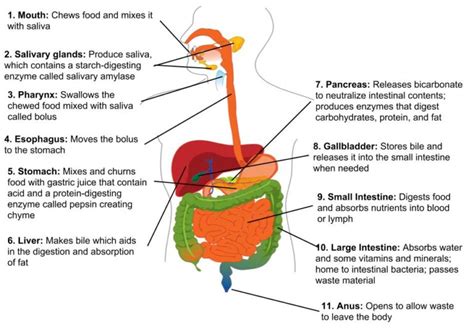
A bowel movement, commonly referred to as "pooping," is the process by which the body expels waste material from the digestive tract. This waste, known as stool or feces, comprises undigested food, bacteria, and cells shed from the lining of the intestines.
Normal Bowel Movement Characteristics
Frequency
The frequency of bowel movements varies significantly among individuals. What's considered normal for one person may differ for another. Generally, having anywhere from three bowel movements a day to three a week is considered within the normal range.
- Multiple Times a Day: Some individuals naturally have multiple bowel movements daily without any underlying issues.
- Once Daily: Many people find that having one bowel movement per day aligns with their body's natural rhythm.
- Every Few Days: As long as stool passage is comfortable and not accompanied by discomfort, having bowel movements every few days can also be normal.
Consistency
Stool consistency is a vital indicator of digestive health. The Bristol Stool Chart is a useful tool for understanding stool types:
| Type | Description | Possible Indications |
|---|---|---|
| 1 | Separate hard lumps, like nuts | Constipation |
| 2 | Sausage-shaped but lumpy | Constipation |
| 3 | Like a sausage but with cracks on the surface | Normal |
| 4 | Like a sausage or snake, smooth and soft | Optimal |
| 5 | Soft blobs with clear-cut edges | Mild diarrhea |
| 6 | Fluffy pieces with ragged edges, a mushy stool | Diarrhea |
| 7 | Watery, no solid pieces | Severe diarrhea |
Types 3 and 4 are typically considered normal, indicating healthy digestion and stool formation.
Color
Stool color can vary based on diet, medications, and health conditions. While brown is the most common color due to bile from the liver, other colors can provide insights:
- Green: Often due to green vegetables or food coloring; can also indicate diarrhea or rapid transit through the intestines.
- Yellow: Greasy, foul-smelling stool may suggest excess fat and can be a sign of malabsorption disorders like celiac disease.
- Black: Can result from certain medications or supplements, such as iron; however, it may also indicate gastrointestinal bleeding.
- Red: May be caused by consuming beets or red food coloring but can also signify bleeding in the lower gastrointestinal tract.
Odor
While all stool has an odor, exceptionally foul-smelling stool can be a result of certain foods, malabsorption, or infections.
Causes of Changes in Bowel Movements
Dietary Factors
Food intake plays a significant role in bowel habits. High-fiber diets promote regularity, while low-fiber diets can lead to constipation.
- Fiber: Found in fruits, vegetables, and whole grains, fiber adds bulk to stool and aids in its passage.
- Hydration: Adequate water intake is essential for softening stool, making it easier to pass.
- Fat Intake: Excessive fat can lead to greasy stools and diarrhea.
Hydration
Proper hydration ensures that stool remains soft. Dehydration can result in harder stools, making bowel movements painful or infrequent.
Physical Activity
Regular exercise stimulates intestinal function and can help prevent constipation. Sedentary lifestyles may contribute to irregular bowel movements.
Medications and Supplements
Certain medications, such as antibiotics, can disrupt gut flora and lead to diarrhea. Supplements like iron can cause dark stools.
Stress and Mental Health
Emotional stress can impact digestive processes, leading to changes in bowel habits. Conditions like Irritable Bowel Syndrome (IBS) are often triggered by stress.
Infections and Medical Conditions
Infections caused by bacteria, viruses, or parasites can result in diarrhea or constipation. Chronic conditions such as Inflammatory Bowel Disease (IBD), Crohn's disease, and ulcerative colitis also affect bowel movements.
When to Seek Medical Attention
Persistent Changes
If you experience persistent changes in bowel habits lasting more than a few days, it's advisable to consult a healthcare professional.
Severe Symptoms
Seek immediate medical help if you encounter:
- Bloody stool
- Unexplained weight loss
- Persistent abdominal pain
- Fever accompanying diarrhea
Signs of Dehydration
Diarrhea can lead to dehydration. Signs include dry mouth, extreme thirst, reduced urine output, and dizziness. Seek medical attention if these symptoms arise.
Tips for Maintaining Healthy Bowel Movements
Dietary Recommendations
- Increase Fiber Intake: Incorporate a variety of fruits, vegetables, legumes, and whole grains into your diet.
- Stay Hydrated: Drink at least 8 glasses of water daily to aid digestion.
- Limit Processed Foods: Reduce consumption of high-fat and high-sugar foods that can disrupt gut health.
Lifestyle Modifications
- Regular Exercise: Engage in physical activities like walking, jogging, or yoga to stimulate intestinal function.
- Manage Stress: Practice stress-reducing techniques such as meditation, deep breathing, or mindfulness.
- Establish Routine: Set regular times for meals and bathroom breaks to train your body for consistent bowel movements.
Hygiene Practices
Maintaining proper hygiene is essential to prevent infections and ensure overall health:
- Hand Washing: Always wash hands thoroughly with soap and water after using the restroom.
- Clean Facilities: Ensure that bathroom facilities are clean and sanitized to prevent the spread of bacteria.
- Toilet Hygiene: Use toilet paper or water (as per cultural practices) to clean thoroughly after bowel movements.
Common Concerns and Solutions
Constipation
Constipation is characterized by infrequent bowel movements, hard stools, and difficulty passing stool.
- Increase Fiber: Incorporate more fiber-rich foods into your diet.
- Stay Hydrated: Drink ample water to soften stools.
- Exercise Regularly: Physical activity can stimulate bowel movements.
- Consider Laxatives: Use over-the-counter laxatives sparingly and under medical supervision.
Diarrhea
Diarrhea involves loose, watery stools and can lead to dehydration if not managed properly.
- Hydrate: Drink fluids like water, oral rehydration solutions, or clear broths.
- BRAT Diet: Consume bananas, rice, applesauce, and toast to ease digestive stress.
- Avoid Irritants: Steer clear of caffeine, alcohol, and spicy foods.
- Medications: Over-the-counter medications like loperamide can help, but consult a doctor if symptoms persist.
Bloody Stool
The presence of blood in stool can be alarming and may indicate various conditions:
- Hemorrhoids: Swollen blood vessels in the rectum can cause bright red blood.
- Anal Fissures: Small tears in the lining of the anus can lead to bleeding.
- Inflammatory Conditions: Diseases like Crohn's or ulcerative colitis can cause blood in stool.
- Infections: Bacterial infections can result in bloody diarrhea.
Seek medical advice if you notice blood in your stool to determine the underlying cause.
Unexplained Weight Loss
Sudden weight loss without a change in diet or exercise routine can be a sign of underlying health issues, including digestive disorders.
If you experience unexplained weight loss alongside changes in bowel habits, consult a healthcare provider promptly.
Preventive Measures for Digestive Health
Balanced Diet
A balanced diet rich in various nutrients supports optimal digestive function:
-
Fiber: Promotes regular bowel movements and prevents constipation.
-
Probiotics: Found in yogurt and fermented foods, probiotics support healthy gut flora.
-
Prebiotics: Foods like garlic, onions, and bananas nourish beneficial gut bacteria.
Regular Physical Activity
Exercise enhances blood flow to the digestive system and stimulates intestinal contractions, aiding in regular bowel movements.
Adequate Hydration
Water is essential for softening stool and facilitating its movement through the intestines. Aim for at least 8 glasses of water daily.
Stress Management
Chronic stress can disrupt digestive processes. Incorporate relaxation techniques such as meditation, yoga, or deep-breathing exercises into your routine.
Regular Medical Checkups
Routine health screenings can detect digestive issues early, allowing for timely intervention and management.
When to Consult a Healthcare Professional
Persistent Symptoms
If changes in bowel habits persist for more than a couple of weeks, it's important to seek medical advice.
Severe Abdominal Pain
Intense or sudden abdominal pain accompanied by changes in bowel movements may indicate serious conditions requiring immediate attention.
Blood in Stool
The presence of blood is a red flag. Whether it's bright red or a darker shade, it's crucial to consult a healthcare provider.
Unintentional Weight Loss
Dropping weight without trying can signal underlying health problems, including those related to the digestive system.
Signs of Dehydration
If you're experiencing symptoms like dry mouth, dizziness, or reduced urine output alongside bowel changes, seek medical help.
Conclusion
Bowel movements are a vital indicator of your overall health. While variations are normal, understanding the signs of healthy and unhealthy patterns can empower you to take proactive steps in maintaining digestive well-being. Always prioritize hydration, a balanced diet, and regular physical activity, and don't hesitate to consult healthcare professionals when necessary.
References
Last updated January 19, 2025