
Decoding Cancer: Unraveling the Complexities of Uncontrolled Cell Growth
A comprehensive guide to understanding what cancer is, its causes, symptoms, types, treatments, and current statistics.
Highlights
- Cancer arises from DNA mutations that cause cells to grow uncontrollably, potentially invading tissues and spreading (metastasizing).
- Symptoms vary widely, but persistent signs like unexplained weight loss, fatigue, or lumps warrant medical attention.
- While treatment options like surgery, chemotherapy, and radiation remain crucial, newer approaches like immunotherapy and targeted therapy offer personalized strategies.
What is Cancer?
The Basics of Uncontrolled Cell Growth
Cancer isn't just one disease; it's a large group of over 100 distinct diseases characterized by the uncontrolled growth and division of abnormal cells within the body. Normally, your body's cells follow an orderly process of growth, division, and death. Old or damaged cells die, and new cells take their place. However, in cancer, this orderly process breaks down. Cells start to grow without control, forming new, abnormal cells. These extra cells may form a mass of tissue called a tumor.
Tumors can be either benign (non-cancerous) or malignant (cancerous). Benign tumors do not spread to other parts of the body and are usually not life-threatening, although they can cause problems if they grow large and press on nearby organs. Malignant tumors, however, are cancerous. Cells from these tumors can invade nearby tissues and spread to other parts of the body through the bloodstream or the lymphatic system. This spread is called metastasis.
The Role of DNA Mutations
At its core, cancer is a genetic disease caused by changes (mutations) to the DNA within cells. DNA contains the instructions that tell a cell how to function, grow, divide, and die. Mutations can alter these instructions, leading to the malfunctions seen in cancer cells. These changes can affect genes that control cell growth and division or genes responsible for repairing damaged DNA. Mutations can be inherited from parents or acquired during a person's lifetime due to errors that occur as cells divide or because of damage to DNA caused by certain environmental exposures (like tobacco smoke or ultraviolet radiation from the sun).

Visual comparison highlighting the differences between normal, organized cells and abnormal, rapidly dividing cancer cells.
How Does Cancer Develop and Spread?
From Mutation to Malignancy
Cancer typically develops over time through a multi-step process involving several genetic mutations. This process can be broadly understood in stages:
- Initiation: An initial mutation occurs in a critical gene, often one involved in regulating cell growth or division. This single change usually isn't enough to cause cancer but makes the cell susceptible to further changes.
- Promotion: The altered cell is exposed to factors (like continued exposure to carcinogens or additional mutations) that stimulate its uncontrolled proliferation. This leads to a growing population of abnormal cells.
- Progression: Further mutations accumulate within the abnormal cell population. These changes can increase the cells' growth rate, invasiveness, and ability to spread. The cells become increasingly malignant.
Understanding Metastasis
Metastasis is the process by which cancer cells break away from the original (primary) tumor, travel through the bloodstream or lymphatic system, and form new tumors (secondary or metastatic tumors) in other parts of the body. This ability to spread is a hallmark of malignant cancer and is why cancer can become so dangerous and difficult to treat once it has metastasized. Common sites for metastasis depend on the type of primary cancer but often include the lungs, liver, bones, and brain.
Common Signs and Symptoms
The signs and symptoms of cancer can vary greatly depending on the type of cancer, its location, its size, and whether it has spread. Some cancers may not cause any symptoms until they are quite advanced, while others might cause symptoms early on.
General Indicators
Some common, non-specific signs and symptoms that could indicate cancer include:
- Unexplained weight loss (significant amount without trying)
- Extreme tiredness or fatigue not improved by rest
- Persistent pain in a specific area
- Fever, especially if persistent or occurring mostly at night
- Night sweats
- Changes in skin (new moles, changes in existing moles, sores that don't heal, jaundice)
- A lump or thickening that can be felt under the skin
Specific Symptoms by Location
Certain symptoms may point towards specific types of cancer:
- Bowel habits: Persistent changes like constipation, diarrhea, or blood in the stool (colorectal cancer).
- Bladder habits: Painful urination, blood in urine, or changes in frequency (bladder or prostate cancer).
- Cough/Hoarseness: A persistent cough or hoarseness, possibly with blood (lung cancer).
- Indigestion/Swallowing: Persistent indigestion or difficulty swallowing (esophageal, stomach, or throat cancer).
- Bleeding: Unusual bleeding or discharge (e.g., vaginal bleeding after menopause, rectal bleeding).
Why Symptoms Appear
Symptoms can occur because a growing tumor puts pressure on nearby organs, nerves, or blood vessels. Cancer cells can also consume a significant portion of the body's energy supply or release substances that change the way the body makes energy, leading to fatigue and weight loss. Some cancers trigger immune responses that cause symptoms like fever.
Important Note: Having one or more of these symptoms does not automatically mean you have cancer. Many other common illnesses can cause similar signs. However, if you experience any persistent or unexplained symptoms, it is crucial to consult a doctor for proper evaluation and diagnosis.
What Causes Cancer?
Cancer is fundamentally caused by changes to a cell's DNA, but various factors can contribute to these genetic mutations and increase the risk of developing cancer.
Genetic Factors (Inherited vs. Acquired)
- Acquired Mutations: Most DNA mutations related to cancer occur after birth and are not inherited. These are called acquired or somatic mutations. They can result from environmental exposures, lifestyle factors, or errors during normal cell division.
- Inherited Mutations: Some individuals are born with genetic mutations inherited from a parent that increase their risk of developing certain cancers. These are called germline mutations. Examples include BRCA1 and BRCA2 mutations associated with increased breast and ovarian cancer risk. However, inherited mutations account for only a small percentage (about 5-10%) of all cancers.
Environmental and Lifestyle Risk Factors
Many external factors can damage DNA and increase cancer risk. Key risk factors include:
Key Risk Factors
The following table outlines some major risk factors and the types of cancer they are commonly associated with:
| Risk Factor | Associated Cancers (Examples) | Notes |
|---|---|---|
| Tobacco Use (Smoking, Chewing) | Lung, Mouth, Throat, Esophagus, Bladder, Kidney, Pancreas, Stomach, Cervix | The leading preventable cause of cancer death. Quitting significantly reduces risk. |
| Diet and Physical Activity | Colorectal, Breast (postmenopausal), Endometrial, Kidney, Pancreas, Esophagus | Obesity, poor diet (low fruit/veg, high processed meat), and lack of exercise increase risk. |
| Alcohol Consumption | Liver, Breast, Colorectal, Mouth, Throat, Esophagus | Risk increases with the amount consumed. Limiting intake is advised. |
| UV Radiation (Sun, Tanning Beds) | Skin Cancers (Melanoma, Basal Cell Carcinoma, Squamous Cell Carcinoma) | Protecting skin with sunscreen, clothing, and avoiding peak sun hours is crucial. |
| Infections | Cervical (HPV), Liver (Hepatitis B/C), Stomach (H. pylori), Lymphoma (EBV) | Vaccines (HPV, Hep B) and treatments for infections can prevent some cancers. |
| Environmental Exposures | Lung (Asbestos, Radon), Leukemia (Benzene), Bladder (Certain Chemicals) | Occupational and environmental regulations aim to minimize exposure. |
| Aging | Most cancers | Risk increases significantly with age due to the accumulation of mutations over time. |
| Genetics/Family History | Breast (BRCA), Ovarian (BRCA), Colorectal (Lynch Syndrome), Retinoblastoma | Important for risk assessment and potential screening recommendations. |
It's important to remember that having a risk factor doesn't mean a person will definitely get cancer, and many people who get cancer may have few or no known risk factors.
Major Types of Cancer
Categorization by Origin
Cancers are often named based on the organ or type of cell in which they begin. This classification helps doctors determine the likely behavior of the cancer and plan the most effective treatment. The main categories include:
Common Categories
- Carcinomas: These are the most common types of cancer. They arise from epithelial cells, which cover the inside and outside surfaces of the body. Examples include cancers of the breast, lung, colon, prostate, and skin (basal cell and squamous cell carcinomas).
- Sarcomas: These cancers form in bone and soft tissues, including muscle, fat, blood vessels, lymph vessels, and fibrous tissue (such as tendons and ligaments). Osteosarcoma (bone) and liposarcoma (fat) are examples.
- Leukemias: These are cancers of the blood-forming tissue, such as the bone marrow. They cause large numbers of abnormal blood cells to be produced and enter the bloodstream. They do not usually form solid tumors.
- Lymphomas: These cancers begin in lymphocytes (T cells or B cells), which are disease-fighting white blood cells that are part of the immune system. Abnormal lymphocytes build up in lymph nodes and lymph vessels, as well as in other organs. Hodgkin lymphoma and non-Hodgkin lymphoma are the main types.
- Melanomas: These cancers begin in cells that become melanocytes, which are specialized cells that make melanin (the pigment that gives skin its color). Most melanomas form on the skin, but they can also form in other pigmented tissues, such as the eye.
- Brain and Spinal Cord Tumors: These are named based on the specific type of cell in which they formed (e.g., glioma, meningioma).
- Other Types: Germ cell tumors, neuroendocrine tumors, and carcinoid tumors are less common types.
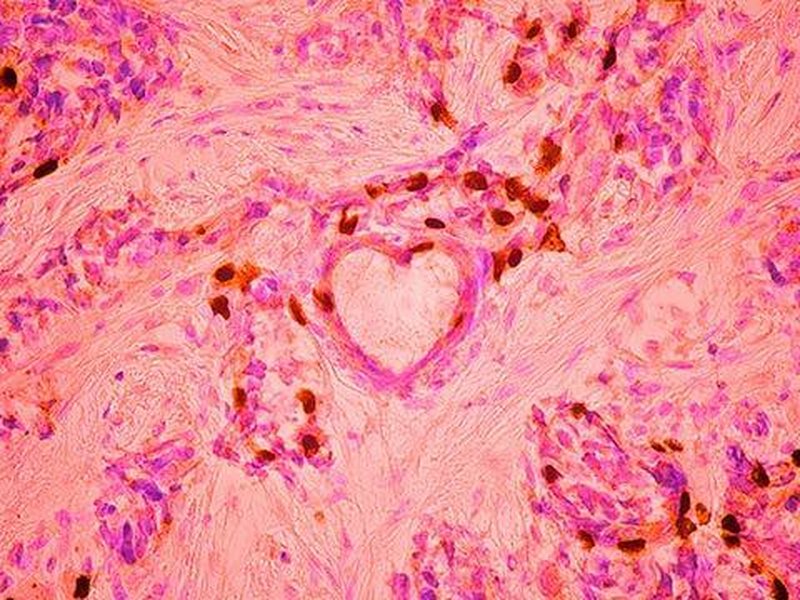
Microscopic view of breast cancer cells, often studied to understand their behavior and response to treatment.
Cancer Diagnosis and Staging
Detecting Cancer
Diagnosing cancer often involves a combination of methods:
- Physical Exam: Checking for lumps, skin changes, or other abnormalities.
- Medical History: Reviewing symptoms, risk factors, and family history.
- Laboratory Tests: Analyzing blood, urine, or other body fluids for tumor markers or abnormal cell counts.
- Imaging Tests: Techniques like X-rays, CT scans, MRI scans, PET scans, and ultrasound help visualize internal structures and detect tumors or abnormalities.
- Biopsy: This is usually the definitive way to diagnose cancer. A sample of suspicious tissue is removed and examined under a microscope by a pathologist to check for cancer cells.
The Importance of Staging
Once cancer is diagnosed, staging is performed to determine the extent of the cancer – how large the tumor is and whether it has spread. Staging helps doctors plan treatment and predict prognosis. The most common system is the TNM system (Tumor, Node, Metastasis). Stages are typically represented by Roman numerals from I (localized cancer) to IV (advanced cancer that has metastasized).
Modern Cancer Treatments
Cancer treatment is highly individualized and depends on the type and stage of cancer, the patient's overall health, and personal preferences. Often, a combination of treatments is used.
Overview of Treatment Modalities
- Surgery: Physically removing the tumor and sometimes nearby lymph nodes. It's often used for solid tumors that haven't spread widely.
- Radiation Therapy: Using high-energy rays (like X-rays) or particles to kill cancer cells and shrink tumors. It can be delivered externally or internally (brachytherapy).
- Chemotherapy: Using drugs to kill rapidly dividing cells, including cancer cells. These drugs travel throughout the body (systemic treatment) and can affect cancer cells far from the primary tumor.
Advanced Therapies
- Targeted Therapy: Drugs that target specific molecules involved in cancer growth and survival. They often have fewer side effects than traditional chemotherapy because they are more focused on cancer cells.
- Immunotherapy: Boosting the body's own immune system to recognize and fight cancer cells more effectively. Checkpoint inhibitors are a common type of immunotherapy.
- Hormone Therapy: Used for cancers that rely on hormones to grow, such as certain types of breast and prostate cancer. It works by blocking the body's ability to produce these hormones or by interfering with their effects.
- Stem Cell Transplant (Bone Marrow Transplant): Used primarily for blood cancers (leukemias, lymphomas) and multiple myeloma. It involves restoring blood-forming stem cells in patients who have had theirs destroyed by high doses of chemotherapy or radiation therapy.
Understanding Treatment Approaches Through Video
The following video provides a concise overview of what cancer is, its causes, and common treatment approaches, including integrative oncology concepts.
Cancer Statistics and Trends (2025 Focus)
Understanding cancer statistics helps track the burden of the disease and progress in fighting it. Data from organizations like the American Cancer Society (ACS) provides valuable insights.
US Projections for 2025
Incidence and Mortality Rates
According to the ACS Cancer Facts & Figures 2025 report:
- An estimated 2,046,460 new cancer cases are projected to be diagnosed in the United States in 2025 (approximately 5,600 per day).
- An estimated 618,120 cancer deaths are projected in the U.S. for 2025.
Most Common Cancers and Deaths
- Most Common Diagnoses (excluding non-melanoma skin cancer):
- Breast Cancer: ~316,950 female cases, ~2,800 male cases
- Prostate Cancer: ~313,780 male cases
- Lung and Bronchus Cancer: ~239,590 total cases
- Colorectal Cancer: ~154,060 total cases
- Leading Causes of Cancer Death:
- Lung and Bronchus Cancer: ~124,730 deaths
- Colorectal Cancer: ~52,900 deaths
- Pancreatic Cancer: ~52,630 deaths
- Breast Cancer: ~42,520 female deaths
European Trends
Reports indicate a stabilization in the number of cancer deaths in Europe, holding around 1.3-1.4 million annually since 2008. Notably, a 2025 report by The Swedish Institute for Health Economics (IHE) highlighted that 12 EU countries showed a decline in cancer deaths per 100,000 people, suggesting progress in cancer control across parts of the continent.
Progress and Challenges
Significant progress has been made. The overall cancer mortality rate in the U.S. declined by 34% from 1991 to 2022, potentially averting about 4.5 million deaths. This is largely attributed to reduced smoking rates (impacting lung cancer) and improvements in early detection and treatment for several major cancers. However, challenges remain, including disparities in outcomes and concerning increases in the incidence of certain cancers, particularly early-onset cancers (diagnosed under age 50) like colorectal and breast cancer in younger adults. Potential factors contributing to these rises include changes in lifestyle factors like obesity, diet, alcohol use, physical inactivity, and reproductive patterns (e.g., delaying childbirth).
Comparing Key Aspects of Major Cancers
The radar chart below provides a comparative visualization of several factors across four common cancer types: Lung, Breast, Prostate, and Colorectal. The scores (scaled 2-10) represent a generalized assessment based on current understanding and trends regarding relative incidence rates, mortality impact, the effectiveness of early-stage treatments, estimated research funding levels, and the potential impact of known prevention strategies.
Prevention and Early Detection Strategies
While not all cancers are preventable, adopting healthy habits and undergoing recommended screenings can significantly reduce risk and improve outcomes through early detection.
Lifestyle Choices for Prevention
- Avoid Tobacco: Don't smoke or use any tobacco products. Avoid secondhand smoke.
- Maintain a Healthy Weight: Achieve and maintain a healthy body weight through diet and exercise.
- Eat a Healthy Diet: Emphasize fruits, vegetables, whole grains, and lean proteins. Limit processed meats, red meat, sugary drinks, and highly processed foods.
- Be Physically Active: Engage in regular moderate-to-vigorous physical activity.
- Limit Alcohol: If you drink alcohol, do so in moderation.
- Protect Your Skin: Limit exposure to UV radiation from the sun and tanning beds. Use sunscreen, wear protective clothing, and seek shade.
- Get Vaccinated: Vaccines like the HPV vaccine (protects against cervical, anal, throat cancers) and Hepatitis B vaccine (protects against liver cancer) are important preventive measures.
- Know Your Family History: Understanding your family's cancer history can help assess your risk and guide screening decisions.
The Power of Screening
Screening tests aim to find cancer before symptoms appear, when it's often smaller, hasn't spread, and may be easier to treat successfully. Recommended screenings vary based on age, sex, and risk factors but can include tests for breast, cervical, colorectal, lung (for high-risk individuals), and prostate cancers.
Mindmap Overview of Cancer
This mindmap provides a visual summary connecting the key concepts discussed regarding cancer, from its fundamental definition to prevention strategies.
Frequently Asked Questions (FAQ)
What is the difference between benign and malignant tumors?
Benign tumors are non-cancerous growths. They tend to grow slowly, have distinct borders, and do not invade nearby tissues or spread to other parts of the body. Malignant tumors are cancerous. They can grow rapidly, invade surrounding tissues, and metastasize (spread) to distant sites through the bloodstream or lymphatic system.
Can cancer be cured completely?
Many cancers can be effectively treated, especially if detected early. The term "cured" is often used cautiously in oncology, with doctors sometimes preferring terms like "remission" (no signs of cancer). A complete cure, meaning the cancer is gone and will never return, is possible for some cancers, but long-term remission is a more common goal. Survival rates have significantly improved for many cancer types due to advances in treatment.
Is cancer contagious?
No, cancer itself is not contagious. You cannot catch cancer from someone who has the disease. However, certain viruses (like HPV and Hepatitis B/C) or bacteria (like H. pylori) that can increase the risk of developing specific cancers *can* be transmitted between people.
What does cancer remission mean?
Remission means that the signs and symptoms of cancer have decreased or disappeared. Complete remission means all signs of cancer are gone based on tests, physical exams, and scans. Partial remission means the cancer has shrunk but is still detectable. Remission does not necessarily mean cured, as cancer cells might still remain in the body and could potentially return later (recurrence).
How is cancer staged?
Cancer staging describes the extent of the cancer in the body. It helps doctors understand how serious the cancer is and plan the best treatment. The most common system is the TNM system: T (Tumor size and extent), N (Node involvement - spread to nearby lymph nodes), and M (Metastasis - spread to distant parts of the body). This information is often combined to assign a stage, usually from Stage I (localized, small tumor) to Stage IV (advanced, metastatic cancer).
Recommended Further Reading
- What are the latest breakthroughs in cancer treatment?
- How does immunotherapy work against cancer?
- What are the most effective cancer screening tests available today?
- Explore the link between genetics and cancer risk factors.
References
Last updated May 5, 2025