
Incidental Brain Findings: Understanding Lacunes and What They Mean for Your Health
Small marks on a brain scan can raise big questions. Here's what you need to know about lacunes, their risks, and management.
Discovering unexpected findings like lacunes on a brain scan can be concerning, especially when you feel generally healthy. Lacunes, or lacunar infarcts, are small lesions found deep within the brain, often detected incidentally during imaging for other reasons, such as the severe migraine experienced by the 72-year-old woman described. While they might not cause immediate symptoms, their presence signals underlying changes in the brain's small blood vessels and warrants attention.
Key Insights on Lacunes
- Lacunes Indicate Small Vessel Disease: They are small (3-15mm) fluid-filled cavities resulting from blockages in tiny, deep brain arteries, often linked to chronic conditions like hypertension and aging.
- Increased Future Risk: Even if asymptomatic, lacunes signify an increased risk of future symptomatic strokes and potential vascular cognitive impairment or dementia over time.
- Management Focuses on Prevention: Treatment primarily involves managing vascular risk factors (like blood pressure, weight, cholesterol) and lifestyle changes, sometimes including antiplatelet medication, to prevent further events.
Decoding Lacunes: What Are They?
Small Lesions with Potential Significance
Lacunes are essentially small scars left behind by tiny strokes deep within the brain's structure. These infarcts occur when one of the small, penetrating arteries supplying blood to areas like the basal ganglia, thalamus, pons, or internal capsule becomes blocked. The resulting lack of blood flow causes localized tissue damage, which eventually resolves into a small, fluid-filled cavity visible on CT or MRI scans.
Characteristics of Lacunes
- Size: Typically range from 3 mm to 15 mm in diameter.
- Location: Found in subcortical regions (deep brain structures), not the brain's surface (cortex).
- Appearance: Show up as small, often round or oval, dark spots on CT scans (representing fluid) or specific signal changes on MRI sequences.
- Cause: Primarily associated with cerebral small vessel disease (CSVD), often driven by chronic hypertension, diabetes, smoking, high cholesterol, and aging.
It's common for lacunes to be discovered "incidentally," meaning they are found during a brain scan performed for an unrelated reason, such as headaches, dizziness, or trauma evaluation. Many individuals with incidental lacunes may be neurologically healthy and experience no direct symptoms from these specific lesions.
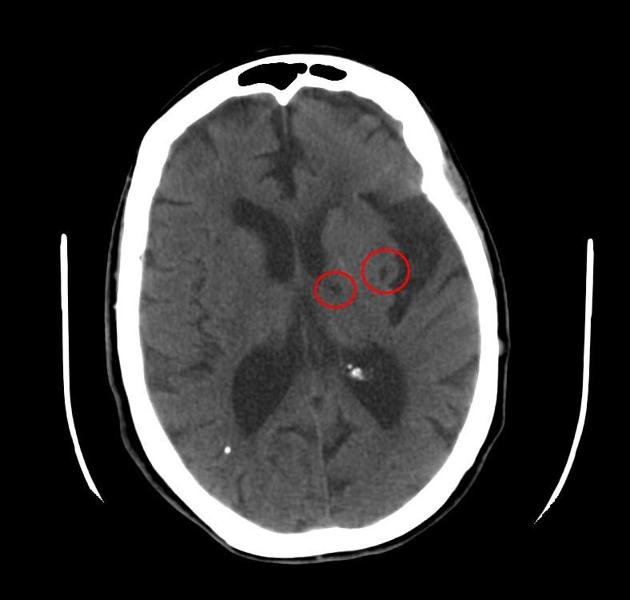
MRI image illustrating lacunar infarcts (small bright spots) in the deep brain structures.
Why Incidental Lacunes Warrant Attention
Understanding the Underlying Risks
While a person with incidentally found lacunes might feel perfectly fine, these findings are not entirely benign. They serve as a marker for underlying cerebrovascular disease, specifically affecting the brain's small blood vessels. The presence of lacunes, even without symptoms, is associated with several potential long-term risks:
- Increased Risk of Future Stroke: Individuals with lacunes have a higher likelihood of experiencing a future symptomatic stroke, which could be another lacunar stroke or a different type. Studies suggest that up to 25-30% of patients with lacunar infarcts may have recurrent strokes.
- Risk of Cognitive Decline: Lacunes are strongly linked to the development of vascular cognitive impairment (VCI) and vascular dementia. The cumulative effect of multiple small infarcts, particularly in strategic brain regions, can impair cognitive functions like memory, attention, and executive skills over time.
- Marker of Vascular Health: The presence of lacunes highlights underlying pathology in the small arteries, often related to systemic vascular risk factors. This indicates a broader vulnerability within the cardiovascular system.
Considering the Patient's History
For the 72-year-old woman in question, several factors in her history contribute to the context of these findings:
- Age: Advanced age is a primary non-modifiable risk factor for CSVD and lacunes.
- Past Smoking: Although she quit decades ago, smoking causes long-lasting damage to blood vessels, increasing the lifetime risk of vascular diseases.
- Overweight Status: Being overweight is often linked to hypertension, high cholesterol, and diabetes, all of which contribute significantly to small vessel disease.
- Migraine History: While the link between migraines and lacunar infarcts isn't always direct causality, some research suggests associations between migraine (especially with aura or chronic migraine) and subtle brain changes or a slightly increased risk of certain vascular events. Her recent severe migraine prompted the scan, but the lacunes are likely chronic changes reflecting her long-term vascular risk profile rather than being caused by that single migraine episode.
Therefore, while the lacunes themselves might not be causing her current symptoms or requiring emergency treatment, they are a significant finding that signals a need for proactive management of her vascular health to mitigate future risks.
Navigating the Path Forward: Risk Factors and Management
A Mindmap of Lacunes, Risks, and Outcomes
Understanding the interplay between risk factors, the presence of lacunes, and potential future health outcomes is crucial. This mindmap illustrates these connections, highlighting how factors like age, lifestyle, and vascular health contribute to lacune development and subsequent risks.
Treatment and Management Strategies
Since the lacunes were discovered incidentally and are likely chronic, the primary goal of management is secondary prevention – reducing the risk of future strokes and cognitive decline. There is no treatment to reverse existing lacunes (which are essentially scar tissue), but proactive steps can significantly impact future outcomes.
Optimizing Vascular Risk Factors
This is the cornerstone of management:
- Blood Pressure Control: Hypertension is the single most important modifiable risk factor for lacunar strokes and CSVD progression. Regular monitoring and achieving target blood pressure (often <130/80 mmHg, but personalized) through lifestyle changes and/or medication is critical, even if hypertension hasn't been formally diagnosed previously.
- Lifestyle Modifications:
- Weight Management: Addressing the long-term overweight status through diet and exercise is vital.
- Healthy Diet: Adopting a diet low in sodium and saturated fats, such as the Mediterranean diet, is beneficial for vascular health.
- Regular Exercise: Engaging in regular physical activity improves cardiovascular health.
- Smoking Cessation: Already achieved, which is excellent, but reinforces the importance of avoiding any future exposure.
- Cholesterol Management: Assessing lipid levels and considering statin therapy if indicated helps reduce atherosclerosis risk.
- Blood Sugar Control: Screening for and managing diabetes is also important.
Antiplatelet Therapy
The use of antiplatelet agents like low-dose aspirin or clopidogrel is often considered. While standard after a symptomatic stroke, the decision for incidental, asymptomatic lacunes is more nuanced. However, given that lacunes represent completed infarcts and indicate increased vascular risk, antiplatelet therapy is frequently recommended to reduce the likelihood of future ischemic events, provided there are no significant contraindications (like high bleeding risk).
Monitoring and Follow-Up
- Neurological Evaluation: Regular check-ups with a primary care provider or neurologist.
- Cognitive Monitoring: Periodic cognitive screening (e.g., using tools like the MoCA test) can help detect early signs of vascular cognitive impairment.
- Imaging: Repeat brain imaging (often MRI, which is more sensitive for CSVD features) may be considered if new neurological symptoms develop, but routine follow-up scans are not always necessary.
Migraine Management
Continue managing migraines appropriately, potentially choosing medications carefully to avoid those that might increase vascular risk, especially in older adults.
Prioritizing Management Strategies
Relative Importance of Different Interventions
Managing incidental lacunes involves a multi-faceted approach. The radar chart below illustrates the relative importance often assigned to various management strategies based on current evidence for preventing stroke and cognitive decline associated with cerebral small vessel disease. Controlling blood pressure consistently emerges as the most critical factor.
This chart emphasizes that while multiple factors are important, aggressively managing blood pressure and maintaining a healthy lifestyle (including diet, exercise, and weight) are paramount for individuals with evidence of small vessel disease like lacunes.
Risk Factor Overview
Connecting History to Brain Health
The patient's specific history provides clear links to the development of lacunes. Understanding these connections helps tailor preventative strategies. The table below summarizes the key risk factors identified in her case, their impact on small vessel disease, and the corresponding management goals.
| Risk Factor | Relevance to Lacunes | Management Goal |
|---|---|---|
| Age (72 years) | Aging leads to natural stiffening and changes in blood vessels, increasing susceptibility to CSVD. | Non-modifiable, but emphasizes the need for vigilance with other factors. |
| Past Smoking (Ages 16-34) | Smoking causes direct endothelial damage, promotes inflammation, and accelerates atherosclerosis, affecting small vessels long after cessation. | Maintain cessation; acknowledge residual risk. |
| Overweight History (30 lbs excess) | Often associated with hypertension, dyslipidemia, insulin resistance, and inflammation, all contributing to CSVD. | Achieve and maintain a healthy weight through diet and exercise. |
| Hypertension (Potential/Undiagnosed) | The single strongest modifiable risk factor. High pressure damages the delicate walls of small penetrating arteries. | Regular monitoring and strict control (e.g., <130/80 mmHg target) via lifestyle +/- medication. |
| Migraine History | Potential association with vascular changes, although less direct cause of lacunes than hypertension. May indicate overall vascular sensitivity. | Effective migraine management, choosing treatments carefully regarding vascular effects. |
Visualizing Lacunar Stroke Information
Understanding Lacunar Strokes
To provide further context, the following video offers a general explanation of lacunar strokes, covering their causes, symptoms, and treatment approaches. While the patient's lacunes were incidental findings, understanding the nature of symptomatic lacunar strokes helps appreciate the underlying vascular process and the importance of prevention.
This video explains that lacunar strokes result from blockages in small arteries deep within the brain. While the patient discussed here did not present with acute stroke symptoms, the video helps illustrate the type of event that leads to the formation of lacunes over time and underscores why managing risk factors like high blood pressure is crucial.
Frequently Asked Questions about Lacunes
Are lacunes reversible or treatable?
Existing lacunes, which represent areas of past brain tissue damage (scar tissue), are generally not reversible. Treatment focuses on preventing the formation of new lacunes and reducing the risk of associated complications like stroke or cognitive decline. This involves managing the underlying vascular risk factors aggressively.
Do lacunes always cause symptoms?
No, lacunes often do not cause noticeable symptoms, especially if they are small and located in "silent" areas of the brain. These are referred to as asymptomatic or incidental lacunes. However, lacunes can cause distinct neurological deficits (lacunar syndromes) if they occur in critical locations affecting motor or sensory pathways. Even asymptomatic lacunes contribute to the overall burden of small vessel disease and increase long-term risks.
What is the difference between lacunes and white matter hyperintensities (WMH)?
Both lacunes and white matter hyperintensities (WMH) are common features of cerebral small vessel disease seen on brain imaging, particularly MRI. Lacunes are small, focal, fluid-filled cavities representing completed infarcts. WMH (also called leukoaraiosis) appear as diffuse or patchy bright areas on certain MRI sequences (T2/FLAIR) in the brain's white matter, thought to represent damage to myelin and axons likely due to chronic low blood flow (ischemia) and blood-brain barrier leakage. While distinct entities, both are markers of CSVD, often coexist, and contribute to risks of stroke and cognitive decline.
Should someone with incidental lacunes take aspirin?
The decision to start antiplatelet therapy (like aspirin) for incidental lacunes is individualized. Since lacunes represent evidence of past ischemic events and signify increased risk for future ones, antiplatelet therapy is often considered for secondary prevention. However, the potential benefits must be weighed against the risks (e.g., bleeding), especially in individuals without symptoms. A discussion with a healthcare provider is essential to assess the overall stroke risk profile and determine the appropriate course of action.
Recommended Reading
- What are the long-term cognitive effects of lacunar infarcts?
- How does hypertension cause cerebral small vessel disease?
- What lifestyle changes can help prevent stroke after finding lacunes?
- What is the difference between a lacunar stroke and a Transient Ischemic Attack (TIA)?
References
Last updated April 29, 2025