
Unveiling the Brain's Defense: How Nanoparticles Trigger GST Enzyme Expression in Astrocytes
Exploring the intricate connection between nano-sized particulate matter, astrocyte activity, and the Glutathione S-Transferase (GST) enzyme superfamily in the brain.
Key Highlights: Understanding Nanoparticle Impact on Brain Health
- Nanoparticles and GSTs: Exposure to nano-sized particulate matter can induce the expression of Glutathione S-transferases (GSTs) in astrocytes, crucial enzymes for detoxification.
- Astrocytes' Role: Astrocytes, essential brain cells, respond to nanoparticles by upregulating GSTs to combat oxidative stress and inflammation, yet excessive activation can be detrimental.
- Implications for Brain Health: The interplay between nanoparticle exposure, GST activity, and astrocyte function has profound implications for neurodegenerative diseases, neurodevelopment, and overall brain homeostasis.
The Role of Nanoparticles in GST Expression in Astrocytes
Nano-sized particulate matter, a pervasive component of air pollution, poses a significant threat to brain health. These particles, often originating from combustion processes and industrial activities, can bypass the body's natural defenses, such as the blood-brain barrier (BBB), and directly interact with brain cells. Astrocytes, a type of glial cell, play a critical role in maintaining brain homeostasis and are particularly susceptible to the effects of nanoparticles.
Understanding Glutathione S-Transferases (GSTs)
Glutathione S-transferases (GSTs) are a superfamily of enzymes vital for cellular detoxification. They catalyze the conjugation of glutathione (GSH) to various electrophilic compounds, including xenobiotics, carcinogens, and products of oxidative stress. This conjugation facilitates the neutralization and excretion of these harmful substances, protecting cells from damage. GSTs are categorized into several classes, including Alpha (GSTα), Mu (GSTµ), Pi (GSTπ), Theta (GSTθ), and others, each with distinct substrate specificities and tissue distributions.
How Nanoparticles Induce GST Expression
When astrocytes are exposed to nanoparticles, they initiate a cascade of defensive mechanisms, including the upregulation of GST expression. This response is primarily driven by the need to mitigate the oxidative stress and inflammation induced by nanoparticle exposure.
Mechanisms of Induction
- Oxidative Stress: Nanoparticles can generate reactive oxygen species (ROS), leading to oxidative stress within astrocytes. This stress activates transcription factors like NF-κB, which then promote the expression of GST genes.
- Inflammation: Nanoparticles can trigger inflammatory responses in astrocytes, leading to the release of cytokines such as TNF-α. TNF-α signaling can further activate NF-κB and other transcription factors, enhancing GST expression.
- Direct Interaction: Some nanoparticles may directly interact with cellular components, such as the mitochondria, disrupting their function and increasing ROS production. This, in turn, can stimulate GST expression.
Specific GST Isoforms and Their Regulation
The GST superfamily includes various isoforms, each with specific functions and regulatory mechanisms. Several studies have shown that exposure to pollutants and other stressors can upregulate different GST isoforms in astrocytes.
Examples of GST Isoforms
- GSTα (GSTA1, GSTA2, GSTA3, GSTA4, GSTA13): These isoforms are involved in the detoxification of various xenobiotics and are often upregulated in response to oxidative stress.
- GSTµ (GSTM1): GSTM1 is highly expressed in the brain and plays a crucial role in detoxifying electrophilic compounds. It has also been shown to modulate inflammatory responses in astrocytes.
- GSTP1: This isoform is found in both neurons and astrocytes and is involved in protecting against oxidative damage. Studies have indicated that reduced GSTP1 expression may contribute to neuronal damage in neurodegenerative diseases.
Implications of GST Induction in the Brain
The induction of GST expression in astrocytes due to nanoparticle exposure has significant implications for brain health. While the initial response is protective, chronic or excessive activation can lead to detrimental effects.
Protective Effects
Increased GST activity helps astrocytes neutralize harmful substances and reduce oxidative stress, protecting neurons and maintaining brain homeostasis. This is particularly important in the context of chronic exposure to environmental toxins.
Potential Adverse Effects
While GST induction is generally seen as a protective mechanism, excessive or prolonged activation can have adverse effects:
- Reactive Astrogliosis: Overstimulation of astrocytes can lead to reactive astrogliosis, a state where astrocytes become hypertrophic and secrete pro-inflammatory mediators. This can exacerbate neuroinflammation and contribute to neuronal damage.
- Altered Metabolic Support: Dysregulation of astrocyte metabolism can impair their ability to support neurons, leading to energy deficits and excitotoxicity.
- Compromised Blood-Brain Barrier: Chronic inflammation can compromise the integrity of the BBB, making the brain more vulnerable to toxic substances and pathogens.
Relevance to Neurological Disorders
The interplay between nanoparticle exposure, GST activity, and astrocyte function is relevant to several neurological disorders:
-
Neurodegenerative Diseases: In diseases such as Alzheimer's and Parkinson's, chronic exposure to pollutants and the resulting oxidative stress can contribute to neuronal damage. Dysregulation of GST activity and astrocyte function may exacerbate these processes.
-
Neurodevelopmental Disorders: Exposure to nanoparticles during critical periods of brain development can disrupt normal astrocyte function and neuronal development, potentially increasing the risk of neurodevelopmental disorders.
-
Brain Cancer: Some studies have linked exposure to air pollution nanoparticles with an increased risk of brain cancer, suggesting that chronic inflammation and oxidative stress may play a role in tumorigenesis.
Visualizing the Impact: Nanoparticles and Brain Interactions
The images below illustrate how nanoparticles interact with the brain and its cells, including astrocytes. These interactions can trigger various responses, including the upregulation of GST enzymes.
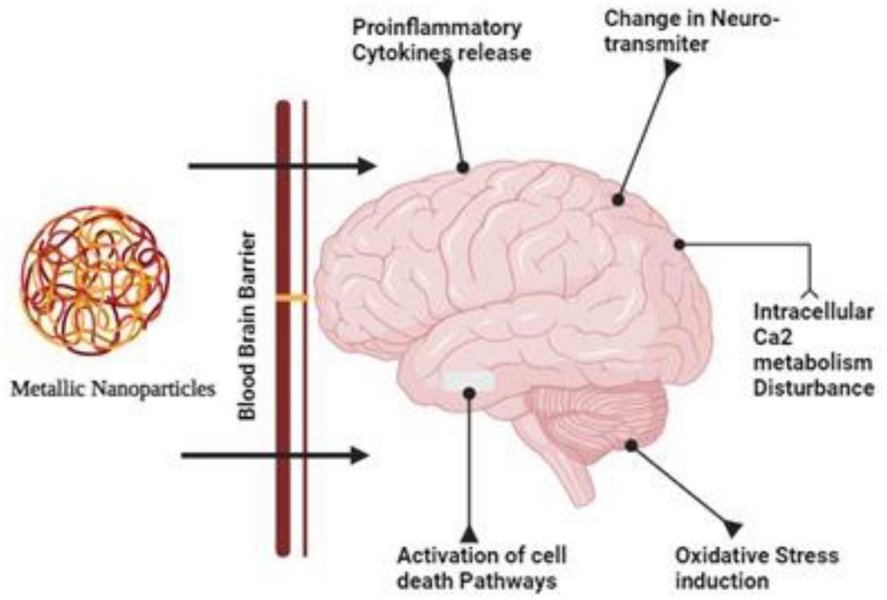
Mechanisms of NP-induced neurotoxicity. Nanoparticles (NPs) can translocate into the brain via the olfactory bulb (OB), the trigeminal nerve (TN), and a disrupted blood-brain barrier (BBB). Once in the brain, NPs can cause inflammation, oxidative stress, and apoptosis in neural cells, as well as protein aggregation, mitochondrial dysfunction, and synaptic damage.
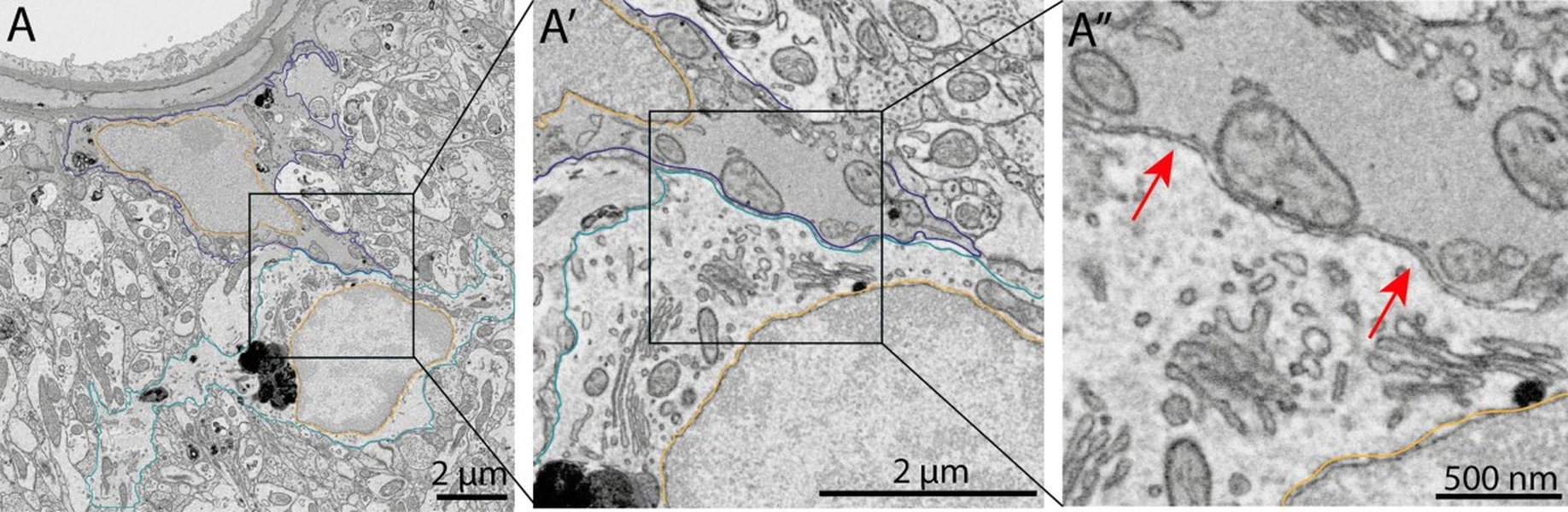
Astrocytes display ultrastructural alterations and heterogeneity during cuprizone-induced demyelination and remyelination.
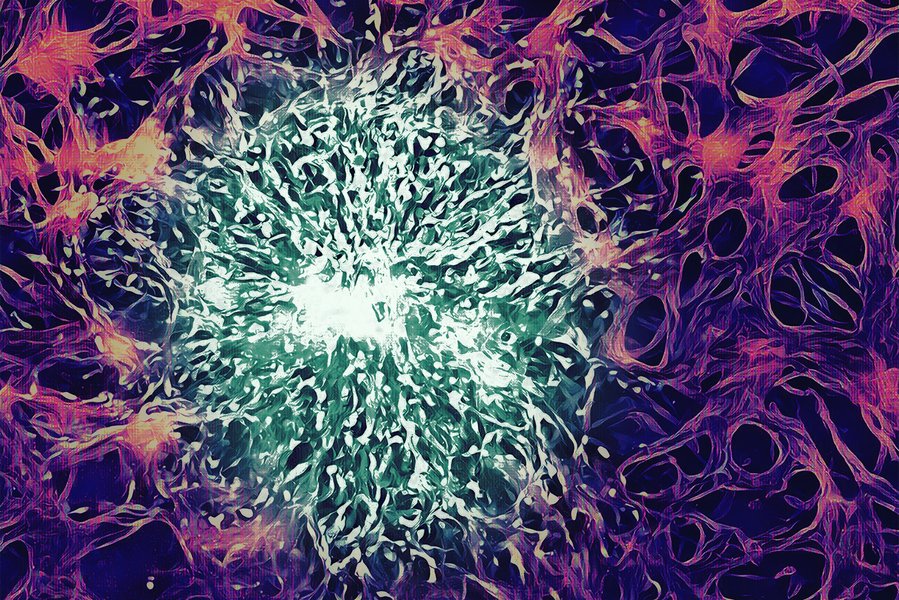
Nanoparticles crossing the blood-brain barrier.
Schematics of human body with pathways of exposure to nanoparticles.
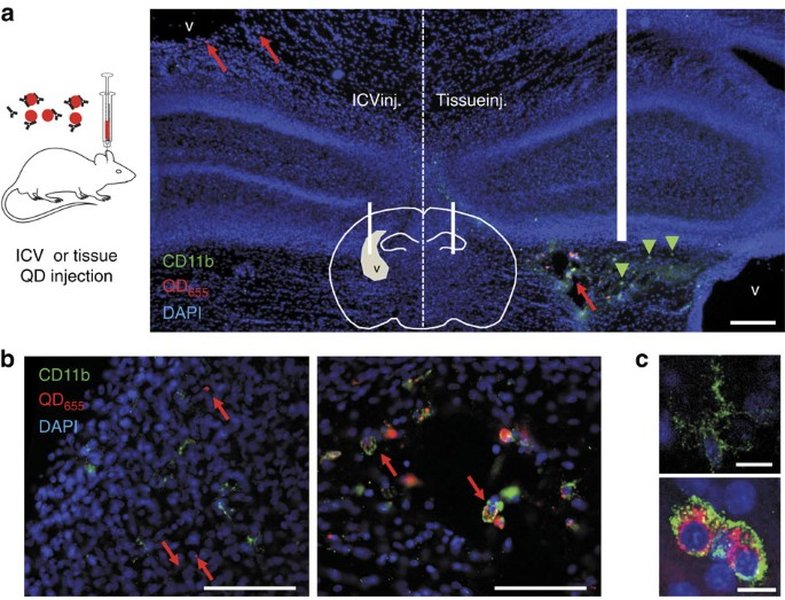
Targeting neurotransmitter receptors with nanoparticles in vivo.
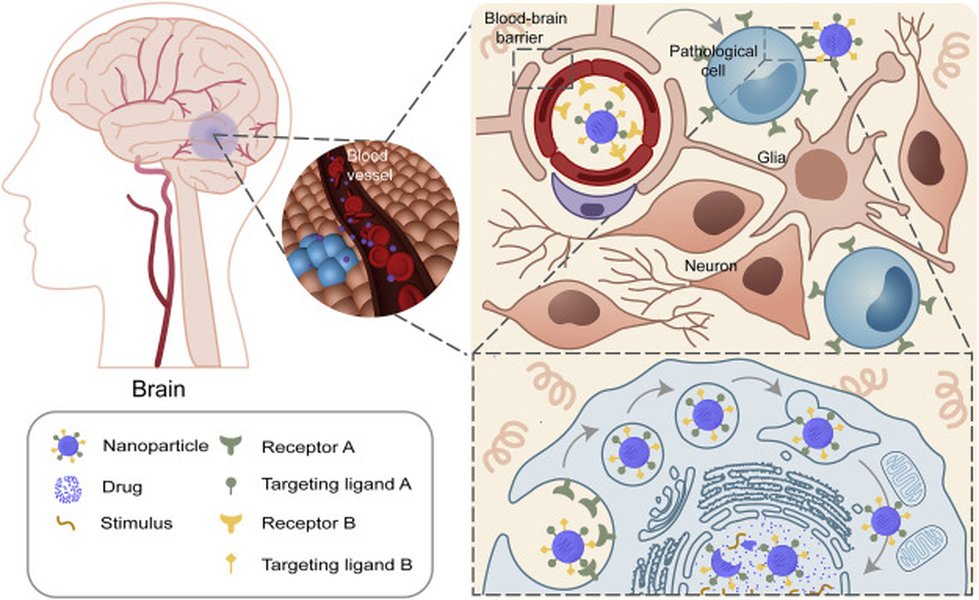
Dual and multi-targeted nanoparticles for site-specific brain drug delivery.
These images underscore the complex interactions between nanoparticles and brain tissue. Understanding these interactions is crucial for developing strategies to mitigate the harmful effects of air pollution and other environmental toxins on brain health. Further research is needed to fully elucidate the mechanisms by which nanoparticles induce GST expression in astrocytes and the long-term consequences of this response.
GST Isoforms in Homo sapiens
The following table lists the known GST enzymes in Homo sapiens, as found in the UniProtKB/Swiss-Prot database. It highlights the diversity of GST enzymes and their potential roles in cellular detoxification and response to environmental stressors like nanoparticles.
| Class | Subunits | Description |
|---|---|---|
| Alpha | GSTA1, GSTA2, GSTA3, GSTA4, GSTA5 | Involved in detoxification of various xenobiotics and protection against oxidative stress. |
| Mu | GSTM1, GSTM2, GSTM3, GSTM4, GSTM5 | Plays a role in detoxifying electrophilic compounds and modulating inflammatory responses. |
| Pi | GSTP1 | Protects against oxidative damage and is found in both neurons and astrocytes. |
| Theta | GSTT1, GSTT2 | Involved in the metabolism of various toxins and drugs. |
| Omega | GSTO1, GSTO2 | Catalyzes the conjugation of glutathione to various substrates. |
| Zeta | GSTZ1 | Involved in the degradation of maleylacetoacetate and other metabolites. |
| Sigma | GSTS1 | Functions in the arachidonic acid metabolic pathway. |
| Kappa | GSTK1 | Localized to the mitochondria and involved in redox homeostasis. |
Nanoparticle Toxicity and the Blood-Brain Barrier
The video above, "How nanoparticles could be used to treat brain disorders," illustrates the potential of nanoparticles to cross the blood-brain barrier for therapeutic purposes. However, the same properties that make nanoparticles useful for drug delivery also pose a risk, as they can allow harmful pollutants to enter the brain. The blood-brain barrier (BBB) is a highly selective semipermeable membrane that separates the circulating blood from the brain extracellular fluid in the central nervous system (CNS). Its primary function is to protect the brain from harmful substances while allowing essential nutrients to reach it.
Frequently Asked Questions (FAQ)
References
Last updated April 10, 2025