
Understanding Information Technology
Exploring the Impact, Components, and Significance of IT in Today's World
Key Highlights
- Foundation of Digital Transformation: IT is the backbone supporting data management, connectivity, and digital innovation.
- Critical Role in Business and Beyond: IT enables efficient business operations, enhances security, and drives progress in multiple sectors.
- Diverse Career and Technological Landscape: Ranging from software development and networking to artificial intelligence and cybersecurity, IT covers a wide spectrum of opportunities.
What is Information Technology?
Information Technology, commonly abbreviated as IT, refers to the study, design, development, implementation, support, or management of computer-based information systems. These systems include both the hardware components such as computers, storage devices, and networking equipment, as well as the software that operates on these devices, including operating systems, applications, and utilities. At its core, IT is about using technology to handle and process data efficiently, transforming this data into valuable information for various users and applications.
IT is a fundamental field that drives many aspects of modern life. It encompasses everything from the systems running businesses and governmental operations to the personal computing devices we use every day. This discipline integrates components such as computer science, computer engineering, database management, network administration, and cybersecurity, forming a dynamic and ever-evolving realm that is integral to digital transformation.
Core Components of IT
Hardware and Infrastructure
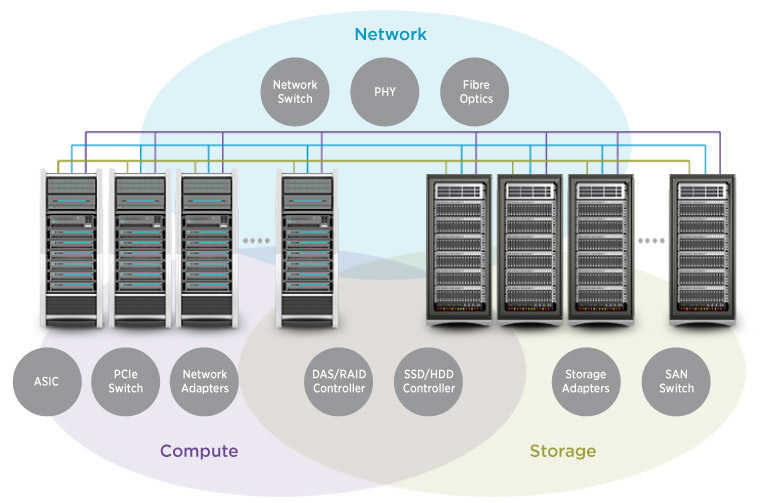
The physical foundation of IT consists of devices like computers, servers, storage units, mobile devices, and networking equipment. These components provide the necessary environment for computing tasks and facilitate data processing, storage, and exchange. Data centers, networks, and cloud infrastructures are vital aspects powering the digital landscape, ensuring that information is readily available, reliable, and secure.
Software Development and Applications
Software is the intellectual component of IT that includes operating systems, enterprise software, applications, and various utilities that help users perform specific tasks. Software development spans from creating simple applications to complex systems for data analysis and artificial intelligence. This field is continuously advanced by innovations that improve user experience, security, and efficiency through technologies like agile development, open source offerings, and cloud-based solutions.
Networking and Communications
Networking is the process of connecting various computing devices. It involves the design, implementation, and management of computer networks—local area networks (LANs), wide area networks (WANs), and the Internet. Modern IT leverages high-speed networks, Wi-Fi, and telecommunications systems to ensure seamless communication and data transfer across various platforms. Technological advances in areas such as 5G, IoT (Internet of Things), and cloud networking are further revolutionizing how information flows.
Cybersecurity and Data Protection
With the rising threat of data breaches and cyber attacks, cybersecurity has become an integral part of IT. This component involves strategies, algorithms, and practices designed to protect computer systems, networks, and data from unauthorized access, vulnerabilities, and other cyber threats. Robust cybersecurity measures, including multi-factor authentication, encryption, and continuous monitoring, are essential to safeguard both business operations and personal information in the digital age.
IT’s Role in Business and Society
Driving Business Efficiency
In the business arena, IT underpins virtually every aspect of operations. It supports critical functions like data management, customer relationship management, supply chain logistics, and financial transactions. Businesses rely on sophisticated IT systems to manage resources, interact with customers, and analyze performance, thereby enabling faster decision-making processes and enhanced competitiveness.
Enhancing Communication and Collaboration
IT has revolutionized communication by allowing instantaneous exchange of information through emails, messaging platforms, video conferencing, and collaborative workspaces. This not only simplifies communication between individuals and teams but also supports remote work environments and virtual collaboration. As organizations become increasingly global, IT systems ensure that team members can coordinate effectively, regardless of geographical location.
Fostering Innovation and Digital Transformation
Digital transformation is a key trend in modern business, driven largely by IT. Companies are increasingly leveraging data analytics, artificial intelligence (AI), and cloud computing to optimize their operations and enhance customer experiences. IT also fuels innovation by allowing organizations to experiment with new technologies like IoT devices, blockchain, and virtual reality, which in turn bind various facets of business to create more resilient and adaptive operational strategies.
Empowering Various Industries
Beyond business, IT plays a significant role in numerous sectors such as education, healthcare, transportation, and entertainment. In education, E-learning platforms, digital libraries, and collaborative tools have transformed traditional learning environments. In healthcare, IT enables telemedicine, integrated health records, and advanced diagnostic tools. Similarly, transportation benefits from IT innovations in traffic management systems and logistics, and entertainment thrives on digital content delivery and gaming technologies.
Career Opportunities in IT
Diverse and Dynamic Professions
A career in IT is both challenging and rewarding due to its expansive range of specialties. Whether one is interested in software engineering, network administration, or cybersecurity, IT offers a variety of roles that cater to different skills and interests. As businesses continue to focus on digital solutions, the demand for IT professionals with up-to-date skills remains high.
Areas such as data science, artificial intelligence, and machine learning are rapidly growing fields that promise to redefine the way enterprises operate. IT careers often require continuous learning and adaptation to evolving technologies, which ensures professionals remain at the forefront of innovation and efficiency. Moreover, the global nature of IT careers allows professionals to work across diverse industries and geographical locations.
Skill Development and Specializations
In IT, professionals pursue various certifications and degrees designed to keep them updated with cutting-edge technologies. Certification programs such as CompTIA, Cisco's CCNA, Microsoft Certified Solutions Expert (MCSE), and various other vendor-specific certifications are highly valued in the industry. These credentials provide validation of expertise in specific areas like network security, cloud computing, or database management, and they enhance job prospects significantly.
Educational institutions, online platforms, and specialized training centers offer courses that span the fundamentals to advanced practices in IT. The learning curve is steep, but the results are equally rewarding. Many professionals start with general computer science or IT degrees and specialize over time as they discover particular interests within the field.
Technological Trends Shaping IT
Emergence of Cloud Computing
Cloud computing is one of the most influential trends in IT today. This model allows businesses and individuals to utilize computing resources over the internet rather than relying solely on local servers or personal machines. It provides scalability, flexibility, and cost-efficiency by delivering services such as data storage, processing, and software on demand. Major providers like Amazon Web Services (AWS), Microsoft Azure, and Google Cloud continue to push the boundaries of this technology.
Integration of Artificial Intelligence
Artificial intelligence has become an indispensable component of modern IT applications. From natural language processing to predictive analytics, AI technologies are integrated into many systems to automate processes, enhance decision-making, and improve user engagement. Businesses use AI algorithms to analyze vast amounts of data, transform it into actionable insights, and drive strategic initiatives that improve operational efficiency and customer satisfaction.
Advancements in Cybersecurity
Given the rise in cyber threats, advancements in cybersecurity measures are continuously evolving. IT professionals are developing more sophisticated defense tools that include behavioral analytics, real-time monitoring, and vulnerability assessment tools. The field is rapidly adopting advanced encryption methods and integrated security protocols to combat ever-evolving cyber threats. Organizations today place a high priority on implementing robust cybersecurity strategies to protect their digital assets.
Internet of Things (IoT) Revolution
The Internet of Things marks a significant shift in IT, wherein everyday objects are connected to the internet and interact with one another. This technology improves efficiency in various sectors by offering real-time data exchange and automated responses. IoT devices are increasingly used in smart homes, healthcare monitoring, industrial automation, and environmental management, further solidifying IT's role in creating a connected and responsive world.
IT Infrastructure and Data Management
Building a Robust Infrastructure
A reliable IT infrastructure is the cornerstone of modern organizations. Comprising both physical elements like servers and networks, and digital components such as software systems and data management tools, this infrastructure supports continuous business operations. It manages large volumes of data, facilitates communication across various platforms, and supports decision-making through accurate analytics.
Effective Data Management Practices
Data management is a critical function in IT that involves the collection, storage, integration, and analysis of data. Organizations rely on robust databases, data warehouses, and cloud-based storage solutions to ensure that their data is both secure and accessible. Enhanced data management practices help businesses maintain data quality, ensure compliance with regulations, and derive actionable insights from diverse data sets.
Integrating IT with Business Strategy
The integration of IT into business strategy is vital in achieving long-term competitiveness. By aligning IT initiatives with organizational goals, companies can drive innovation, optimize processes, and achieve operational excellence. Strategic IT investments enable businesses to leverage emerging technologies effectively, ensuring that systems are agile enough to adapt to changing market conditions while also improving overall efficiency.
Comprehensive IT Landscape Overview
Summary Table of IT Components and Functions
| Component | Description | Key Technologies/Tools |
|---|---|---|
| Hardware & Infrastructure | Physical devices and environments supporting IT operations. | Servers, computers, storage devices, data centers. |
| Software Development | Creation and maintenance of software applications and systems. | Operating systems, enterprise applications, mobile apps. |
| Networking & Communications | Connecting devices and facilitating data exchange. | LAN, WAN, internet protocols, cloud computing. |
| Cybersecurity | Protecting data and systems from cyber threats. | Encryption, firewalls, multi-factor authentication. |
| Data Management | Handling data collection, storage, integration, and analysis. | Databases, data warehouses, analytics tools. |
The table above provides a concise overview of the main IT components, illustrating how each plays a significant role in developing a reliable and efficient digital environment. Each element interconnects with the others to form a cohesive structure that supports a wide range of applications from basic communication to advanced research and development.
Technological Evolution and Future Trends in IT
The Evolution of IT
Historically, IT began with the advent of early computing machines and simple data processing systems. Over decades, the field has exploded with innovations that have redefined communication, business, and personal interaction. The rapid pace of technological evolution has led to the development of sophisticated hardware, multifaceted software applications, and complex networking structures. As IT advances, both the scale and scope of its impact expand into nearly every area of human endeavor.
Future Trends in IT
Looking forward, several trends are poised to transform the IT landscape further:
- Quantum Computing: Promises groundbreaking changes to data processing capabilities and cryptographic security.
- Advanced AI & Machine Learning: Will increasingly automate complex decision-making and operational tasks.
- Edge Computing: Enables processing closer to data sources, reducing latency and improving efficiency.
- Cybersecurity Innovations: New approaches to safeguard increasingly complex digital environments.
These trends are not just theoretical; they represent the ongoing advancement and adaptation of IT to meet emerging challenges and opportunities. By investing in and developing these technologies, organizations can ensure they remain ahead of the curve, fostering environments that are secure, innovative, and primed for future growth.
Impact on Various Sectors
Education
In education, IT facilitates e-learning platforms, digital classrooms, and access to a vast repository of information through the internet. These systems enable educators to reach students in remote and underserved areas, while also providing tools for modern teaching methodologies that incorporate interactive learning and real-time feedback.
Healthcare
IT transforms healthcare by enabling telemedicine, electronic health records, and advanced diagnostics technologies. With careful management of big data, medical professionals can provide more accurate diagnoses, personalized treatments, and improved patient care, ultimately leading to better health outcomes.
Entertainment
The entertainment industry leverages IT for content creation, distribution, and interactive media. Streaming platforms, virtual reality systems, and gaming technologies create immersive experiences that continually push the boundaries of digital arts and media consumption.
Transportation
IT plays a crucial role in modern transportation systems, optimizing traffic flow, enhancing navigation systems, and supporting smart infrastructure projects. Through the integration of IT systems, cities can improve public transportation, reduce congestion, and enhance urban living conditions.
Collaboration Between IT and Other Disciplines
Interdisciplinary Integration
IT is rapidly becoming a multidisciplinary field where its principles and technologies intersect with other disciplines such as biology (bioinformatics), finance (fintech), and even law (cyber law). This cross-pollination not only broadens the scope of IT applications but also fosters innovative approaches to solving complex problems.
The integration of IT with other fields enhances productivity by allowing for more specialized applications, enabling researchers and professionals to adopt technology-driven strategies tailored to their fields. This interaction helps create new hybrid roles and opens up novel avenues for career growth and academic research.
References
- What is Information Technology? 2025 Guide - Coursera
- What Is Information Technology? - CompTIA
- What is Information Technology? - TechTarget
- Information Technology - Wikipedia
- What Is Information Technology (IT)? A Complete Beginner's Guide - Electronics Hub
Recommended Related Queries
Last updated March 13, 2025