
Unveiling the World of Stitching Units: From Home Looms to Industrial Hubs
Discover the intricate operations, essential equipment, and diverse applications of stitching units in the modern economy.
A "stitching unit" primarily refers to a facility, workshop, or even a dedicated space where the process of sewing or stitching materials—most commonly fabrics—takes place. These units are the operational heart of garment manufacturing, textile product assembly, and custom tailoring. They can range dramatically in scale, from a single artisan's home-based setup to vast industrial complexes employing hundreds. While predominantly associated with the apparel and textile industries, the core concept of a "stitching unit" can also extend to specialized areas, such as the assembly of certain medical equipment components, though this is a less common interpretation.
Core Insights: The Stitching Unit Demystified
- Versatile Operations: Stitching units cater to a wide spectrum of needs, from custom, bespoke tailoring for individual clients to large-scale bulk production for fashion brands, corporate uniforms, and home textile markets.
- Essential Infrastructure: Regardless of size, all stitching units rely on a core set of equipment, including various types of sewing machines, cutting tools, measuring devices, and pressing equipment, tailored to their specific output and fabric types.
- Key to Garment Industry: These units are fundamental cogs in the textile supply chain, transforming raw fabric into finished goods. Their efficiency, quality control, and adaptability directly impact the fashion and apparel sectors.
Understanding the Spectrum: Types of Stitching Units
Stitching units are not monolithic; they vary significantly in size, scope, and specialization. Understanding these distinctions is crucial for anyone looking to engage with or establish such an operation.
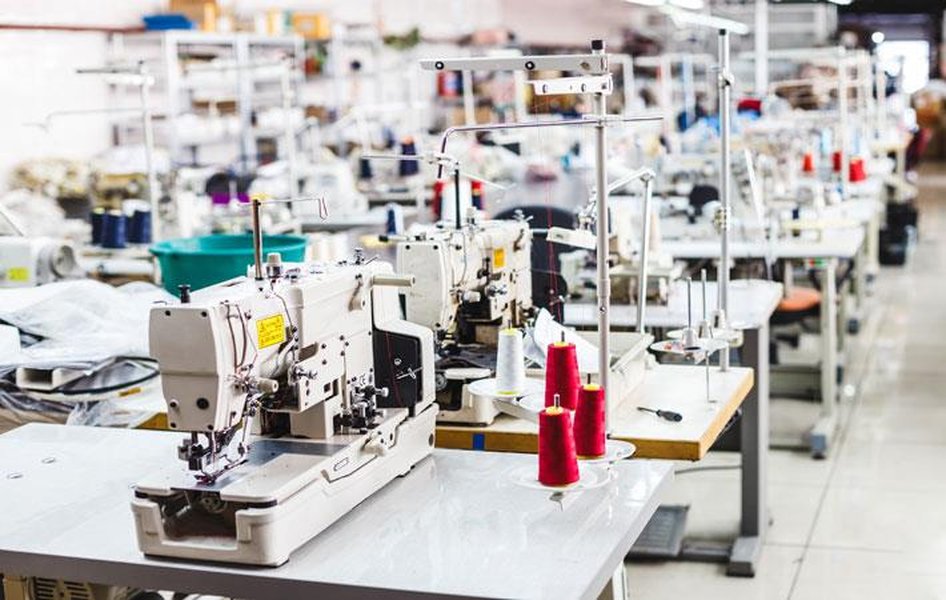
An example of an industrial stitching unit, showcasing organized workstations and an assembly line approach.
Home-Based/Small Tailoring Shops
These are typically the smallest scale operations, often run by a single tailor or a very small team. They primarily serve local clientele with custom tailoring, alterations, and repair services. The investment is minimal, often utilizing one or two basic sewing machines within a residential space.
Characteristics:
- Low initial capital investment.
- Direct customer interaction and personalized service.
- Focus on custom-fit garments and alterations.
- Limited production capacity.
Small-Scale Tailoring Units
An expansion from the home-based model, these units might employ a few more workers and possess a wider array of machinery. They can handle small batch production for local boutiques, designers, or produce specialized items. They often have dedicated spaces for cutting and finishing, in addition to stitching.
Characteristics:
- Moderate investment in equipment and space.
- Capability for small production runs and boutique collections.
- May offer specialized services like embroidery.
- Requires basic workflow management.
Medium to Large Stitching Units
These units are often integral parts of larger garment manufacturing factories or operate as independent contractors for bigger brands. They feature multiple specialized sections for cutting, various stitching operations (e.g., lockstitch, overlock, flatlock), quality control, and packing. Employment can range from 50 to over 200 workers.
Characteristics:
- Significant investment in diverse machinery and infrastructure.
- Organized departmental structure and production lines.
- Capacity for medium to large volume orders.
- Emphasis on quality control and standardized processes.
Bulk Industrial Units
These are large-scale operations focused on mass garment assembly, typically fulfilling substantial orders for major retail brands, exporters, and uniform suppliers. They employ advanced machinery, optimized layouts, and stringent production planning to maximize output and efficiency.
Characteristics:
- Very high capital investment in technology and automation.
- Mass production capabilities, often for export markets.
- Sophisticated supply chain and logistics management.
- Strict adherence to international quality and compliance standards.
Essential Toolkit: Equipment and Infrastructure
A well-equipped stitching unit is the backbone of its operational efficiency and product quality. The specific machinery and tools will vary based on the scale and type of garments produced, but a foundational set of equipment is common across most units.
The following table outlines the crucial categories of equipment and tools necessary for a functional stitching unit:
| Category | Essential Items | Purpose |
|---|---|---|
| Measuring Tools | Dressmakers' tape measures, rulers (L-scales, straight), measuring gauges | Ensuring accurate body and fabric measurements, pattern drafting. |
| Marking Tools | Tailor's chalk, fabric pens/pencils, tracing wheels, chalk sharpeners | Transferring pattern markings onto fabric accurately and temporarily. |
| Cutting Tools | Fabric scissors/shears, pinking shears, rotary cutters, thread snippers, seam rippers, cutting tables/mats | Precisely cutting fabric pieces according to patterns, trimming threads, correcting mistakes. |
| Stitching Machines | Single-needle lockstitch machines, overlock (serger) machines, flatlock machines, buttonhole machines, button attaching machines, bar-tacking machines (depending on specialization) | Assembling fabric pieces with various types of stitches. |
| Pressing Equipment | Steam irons, ironing boards/tables, press bucks, steam boiler irons (for larger units) | Flattening seams, shaping garments, and giving a professional finish. |
| General Supplies & Infrastructure | Needles (various types and sizes), threads (various colors and materials), pins, bobbins, work tables, trolleys, storage racks/shelves, adequate lighting, ventilation systems, quality control area | Supporting the overall stitching process, organization, and worker comfort/safety. |
Investing in quality equipment is crucial for maintaining consistency, reducing downtime, and ensuring the longevity of the unit's operations.
Stitching Unit Capabilities Radar
The following radar chart provides a comparative visualization of different types of stitching units based on key operational and business characteristics. This helps illustrate how factors such as initial investment, production volume, required skill level, market reach, and operational flexibility vary across the spectrum from home-based setups to large industrial units. Each axis represents a factor, and the further a point is from the center, the higher the magnitude for that factor. For example, "Bulk Industrial Units" typically require high initial investment and have extensive market reach, while "Home-Based Units" are characterized by low investment and more localized reach.
Blueprint for Success: Setting Up a Stitching Unit
Establishing a stitching unit, whether small or large, requires careful planning and execution. The following steps provide a general framework:
1. Market Research and Business Planning
Before any physical setup, thorough market research is essential. Identify your target customers (e.g., individuals, boutiques, corporations), product lines (e.g., casual wear, ethnic wear, uniforms), and niche (e.g., custom tailoring, bulk orders, sustainable fashion). Develop a comprehensive business plan detailing startup costs, equipment needs, raw material sourcing, labor requirements, pricing strategy, marketing plan, and financial projections. A well-structured project report can be invaluable for securing funding.
2. Location and Space Allocation
Choose a suitable location. For smaller units, a dedicated room at home might suffice initially. Larger units should consider accessibility for suppliers and labor, proximity to transport links, and compliance with local zoning laws. The space needs to accommodate machinery, cutting tables, storage, and potentially separate areas for design, finishing, and administration.
3. Equipment Procurement and Setup
Based on your business plan and budget, acquire the necessary sewing machines, cutting tools, pressing equipment, and other essentials. Consider starting with basic machines and upgrading or adding specialized ones as the business grows. Ensure proper installation, ergonomic layout of workstations, and adequate lighting and ventilation for a safe and productive environment.
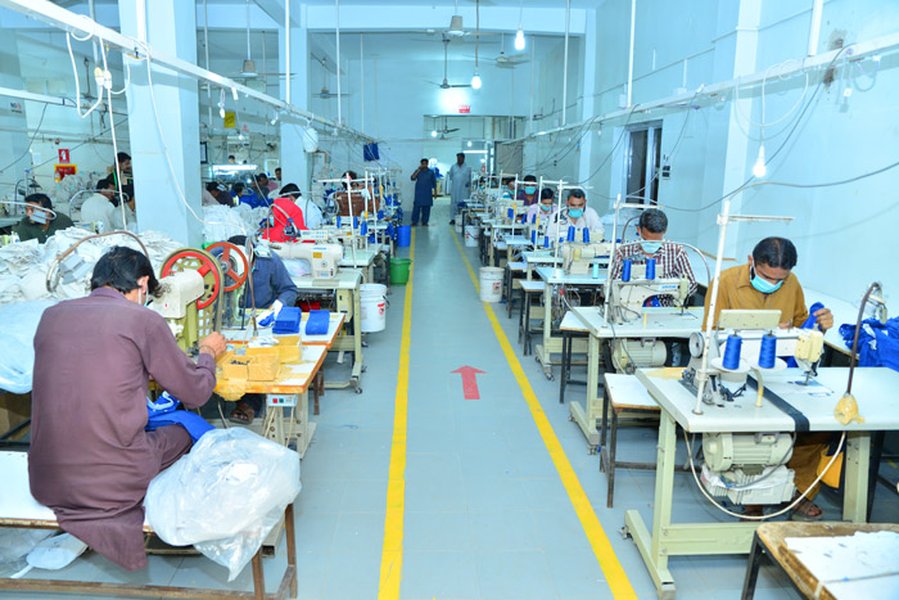
An organized layout of sewing machines is crucial for workflow efficiency in a larger stitching unit.
4. Staffing and Skill Development
Hire skilled tailors, machinists, cutters, and quality control personnel, or invest in training for your team. The quality of workmanship is a critical success factor. For larger units, supervisory and management roles will also be necessary.
5. Workflow Design and Operational Processes
Implement an organized workflow from fabric receipt to finished product dispatch. This includes processes for pattern making, cutting, stitching, finishing (e.g., button attachment, embroidery), pressing, quality checking, and packaging. Efficient workflow minimizes delays, reduces waste, and ensures consistent quality.
6. Legal Compliance and Licensing
Ensure compliance with all relevant legal and regulatory requirements. This may include business registration, tax IDs, factory licenses (if applicable), labor law adherence, and safety certifications.
7. Marketing and Sales Strategy
Develop a strategy to reach your target market. This could involve creating an online presence (website, social media), local advertising, participating in trade shows, building relationships with designers or retailers, or appointing a sales team.
Navigating the Stitching Business Landscape
Embarking on a stitching unit venture presents both exciting opportunities and notable challenges. A clear understanding of these can help in strategic planning and sustainable growth.
Advantages of Starting a Stitching Unit
- Relatively Low Initial Capital (for smaller scales): Home-based or small units can be started with modest investment.
- Scalability and Diversification: Businesses can start small and gradually scale up operations or diversify their product range (e.g., from basic apparel to specialized items like bridal wear or technical textiles).
- High Demand: There's a consistent demand for both custom-made and ready-to-wear garments, as well as specialized textile products.
- Niche Market Opportunities: Stitching units can cater to specific niches like ethnic wear, eco-friendly clothing, uniforms, or plus-size fashion, which may be underserved by mass manufacturers.
- Flexibility: Many units, especially smaller ones, can offer flexibility in order quantities, including low Minimum Order Quantities (MOQs) to support startups and small designers.
Challenges to Consider
- Competition: The market can be competitive, with pressure from large-scale factories, established players, and sometimes, cheaper imports.
- Quality Consistency: Maintaining consistent quality across all products, especially with varying fabrics and designs, requires robust quality control measures.
- Cost Management: Fluctuations in raw material prices (fabrics, threads, accessories) and labor costs can impact profitability. Efficient inventory and resource management are key.
- Skilled Workforce: Finding and retaining skilled labor (tailors, machine operators, pattern makers) can be a challenge in some regions. Continuous training may be necessary.
- Timely Delivery: Meeting production deadlines and ensuring timely delivery, particularly for bulk orders or fashion season launches, is crucial for client satisfaction.
- Market Adaptation: The fashion industry is dynamic. Stitching units need to stay updated with trends, technologies, and changing consumer preferences.
This video, "Starting A Sewing Business From Home" by The LKW Family, provides insights into running a home-based sewing business, which is a common starting point for many stitching entrepreneurs. It touches upon the practical aspects and personal journey involved.
Visualizing the Stitching Unit Ecosystem
A mindmap can help visualize the interconnected components and considerations involved in establishing and running a stitching unit. The central idea, "Stitching Unit," branches out into key areas such as core operations, essential resources, business strategy, and market engagement. Each branch further details specific elements crucial for a comprehensive understanding.
(Garment & Textile Focus)"] id1["Core Operations"] id1a["Design & Pattern Making"] id1b["Fabric Sourcing & Inspection"] id1c["Cutting"] id1d["Stitching & Assembly"] id1e["Finishing & Embellishments
(Embroidery, Printing)"] id1f["Pressing & Ironing"] id1g["Quality Control (QC)"] id1h["Packaging & Dispatch"] id2["Essential Resources"] id2a["Equipment & Machinery"] id2a1["Sewing Machines (Various Types)"] id2a2["Cutting Tools"] id2a3["Measuring & Marking Tools"] id2a4["Pressing Equipment"] id2b["Raw Materials"] id2b1["Fabrics"] id2b2["Threads, Zippers, Buttons"] id2b3["Linings, Interfacings"] id2c["Workforce"] id2c1["Tailors/Sewing Operators"] id2c2["Cutters"] id2c3["Pattern Masters"] id2c4["QC Inspectors"] id2c5["Supervisors"] id2d["Infrastructure"] id2d1["Workspace/Factory"] id2d2["Storage Facilities"] id2d3["Utilities (Power, Water)"] id3["Business Strategy"] id3a["Business Plan"] id3a1["Market Analysis"] id3a2["Financial Projections"] id3a3["Operational Plan"] id3b["Target Market"] id3b1["Individuals (Custom)"] id3b2["Boutiques/Designers"] id3b3["Corporate Clients"] id3b4["Export Market"] id3c["Service Offerings"] id3c1["Custom Tailoring"] id3c2["Bulk Production"] id3c3["Alterations & Repairs"] id3c4["Specialized Services (e.g., Uniforms, Ethnic Wear)"] id3d["Pricing & Costing"] id3e["Marketing & Sales"] id3f["Legal & Compliance"] id4["Key Success Factors"] id4a["Product Quality"] id4b["Efficiency & Productivity"] id4c["Cost Management"] id4d["Skilled Labor"] id4e["Customer Satisfaction"] id4f["Adaptability to Trends"] id4g["Supply Chain Management"]
Frequently Asked Questions (FAQ)
What is the primary function of a stitching unit?
The primary function of a stitching unit is to assemble or join pieces of fabric or other materials together using thread to create finished products. In the garment industry, this means transforming cut fabric pieces into clothing items like dresses, shirts, trousers, uniforms, etc. It's the core manufacturing stage where the actual construction of the garment takes place.
What are the basic machines needed to start a small stitching unit?
For a small stitching unit, essential basic machines include:
- Single-Needle Lockstitch Sewing Machine: The most fundamental machine for most sewing tasks.
- Overlock Machine (Serger): Used for finishing fabric edges to prevent fraying and for constructing knit garments.
- Steam Iron and Ironing Board: Crucial for pressing seams and giving garments a professional finish.
- Cutting Tools: Fabric scissors, a cutting table, and measuring tapes.
Depending on the products, a buttonhole machine or a flatlock machine might also be considered as the unit grows.
Can a stitching unit cater to both individual custom orders and bulk production?
Yes, many stitching units are versatile. Smaller units might start with custom orders and gradually take on small bulk orders. Larger units often have separate lines or teams to handle bespoke tailoring versus mass production. Some specialized companies even focus on providing "cut-to-pack" services with low Minimum Order Quantities (MOQs), making them accessible to both startups needing small batches and businesses requiring larger volumes.
What are some key considerations for ensuring quality in a stitching unit?
Key considerations for quality control include:
- Skilled Workforce: Properly trained operators are essential.
- Material Inspection: Checking fabrics and accessories for defects before use.
- Standardized Processes: Consistent methods for cutting, stitching, and finishing.
- In-Process Checks: Inspecting garments at various stages of production, not just at the end.
- Proper Machinery Maintenance: Ensuring machines are in good working order to prevent defects.
- Clear Specifications: Having detailed tech packs or design specifications to follow.
- Final Inspection: Thoroughly checking finished garments against quality standards before packing.
Recommended Further Exploration
- How can I create a detailed business plan for a small garment stitching unit?
- What are the latest technologies and automation trends impacting industrial stitching units?
- How do stitching units effectively manage their supply chain and inventory for diverse fabric types and accessories?
- What are the key differences in setting up a stitching unit for apparel versus home textiles or other specialized products?
References
Last updated May 8, 2025