
Beyond the Underground: Crafting a Game Inspired by Undertale's Soul, Not Its Skeleton
Explore a concept for a game that echoes Undertale's emotional depth and choice-driven narrative, yet plays in a completely different key.
Undertale left an indelible mark on the gaming landscape with its unique blend of RPG mechanics, bullet-hell combat (or avoidance thereof), witty writing, memorable characters, and profound exploration of player choice and consequence. Designing a game "inspired" by it often leads to imitation, but the real challenge lies in capturing its spirit while being "categorically different." This means moving beyond its specific genre and mechanics to explore its core themes—empathy, consequence, subversion of expectations—in a novel way.
Let's delve into a concept that aims to achieve just that: a game drawing from Undertale's emotional core but expressed through entirely different gameplay and narrative structures.
Highlights: Key Inspirations Reimagined
- Emotional Resonance Over Combat: Undertale's choice to fight or spare is iconic. This concept replaces physical conflict entirely with mechanics based on understanding and interacting with emotional and historical 'resonances'.
- Narrative Woven into Environment: Inspired by Undertale's environmental storytelling and character depth, this idea centers on a world where the past and emotions physically manifest, requiring exploration and interaction to unravel the story.
- Consequences Beyond Endings: Player choices don't just alter the ending; they dynamically shape the game world, character relationships, and available paths, reflecting Undertale's impactful agency but through different mechanisms.
Game Concept: Resonant Whispers
Genre and Core Idea
Resonant Whispers is envisioned as a Narrative-Driven Exploration Puzzle game with strong Social Interaction elements. It completely eschews traditional combat and RPG leveling. Instead, players navigate a mysterious world by perceiving and interacting with "Resonances"—lingering echoes of emotions, memories, and significant past events that have physically imprinted themselves onto the environment and its inhabitants.
The core loop involves exploring, sensing these Resonances, solving environmental and social puzzles using them, and building understanding (or misunderstanding) with the world's strange denizens. It aims to evoke the curiosity, empathy, and moral weight found in Undertale, but through observation, puzzle-solving, and nuanced interaction rather than a fight/spare dichotomy.
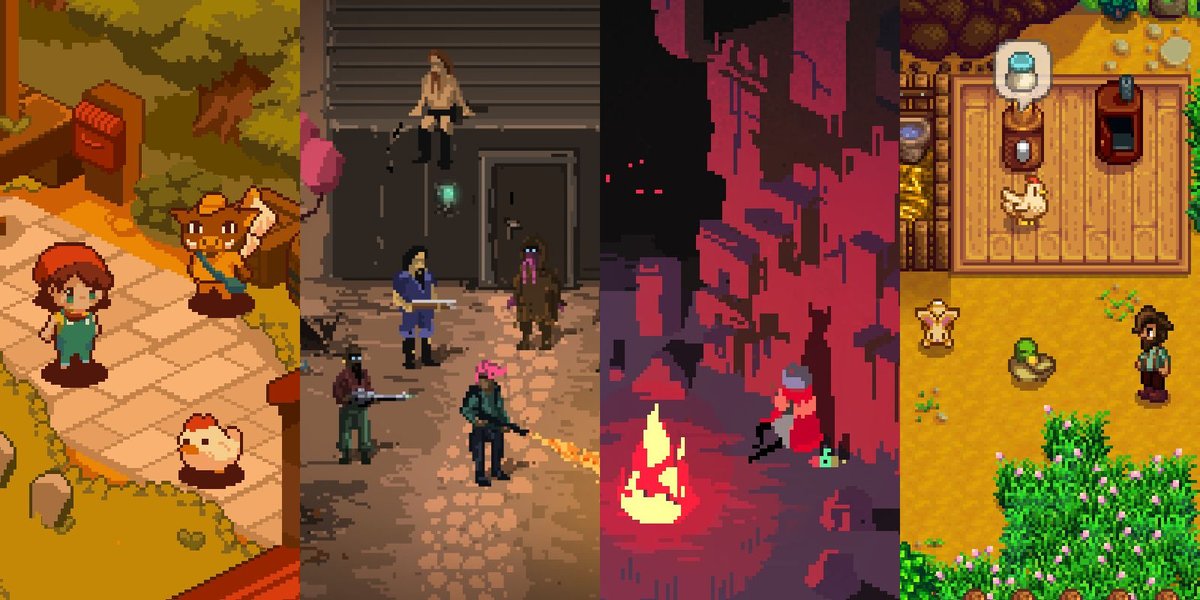
Pixel art can effectively convey mystery and emotion, crucial for an Undertale-inspired atmosphere.
Setting and Atmosphere
The game takes place in the Liminal Verge, a surreal, forgotten dimension existing between worlds, cobbled together from lost memories and intense emotional fallout. Time and space are fluid here, landscapes shift based on collective emotional states, and structures might be built from solidified nostalgia or crystallized fear. The atmosphere is one of mystery, melancholy, and occasional unsettling beauty, populated by unique beings—some formed from pure memory, others lost travelers changed by the Verge—who are often wary, misunderstood, or trapped by their own pasts.
Core Gameplay Mechanics
Resonance Tuning
This is the primary interaction mechanic. The player character possesses the innate ability to sense and 'tune into' Resonances. This manifests in several ways:
- Perception: Sensing faint emotional signatures, hearing whispers of past conversations, or seeing visual overlays of past events.
- Interaction: Focusing on a Resonance might allow the player to 'replay' a memory, understand an object's history, or feel the lingering emotions tied to a place or person.
- Manipulation: Certain powerful Resonances can be 'echoed' or amplified by the player to directly affect the environment – e.g., channeling a Resonance of 'growth' to make spectral plants bloom into a bridge, or using a Resonance of 'calm' to soothe an agitated entity.
Environmental Puzzle Solving
The Liminal Verge is full of obstacles and mysteries tied to its history and emotional state. Puzzles involve manipulating the environment using Resonance Tuning. Examples include:
- Realigning fragmented memories to restore a path.
- Matching emotional frequencies to unlock doors sealed by past trauma.
- Using environmental echoes (like the sound of flowing water where none exists) to solve logic puzzles.
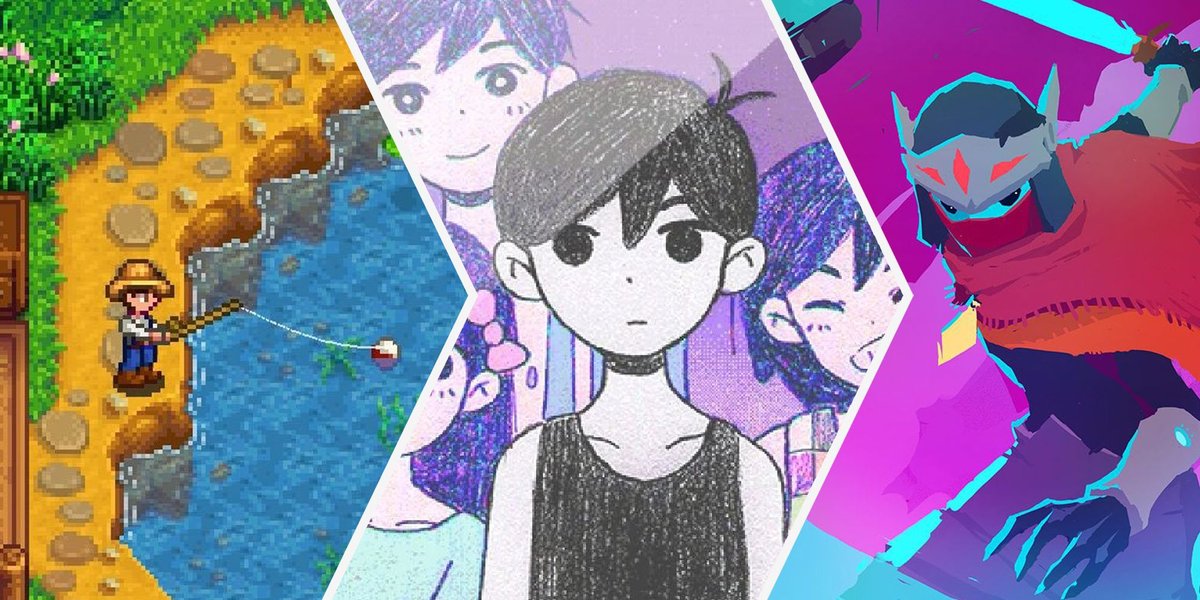
Exploration and environmental interaction are key, moving beyond traditional RPG formulas.
Social Dynamics and Empathy
Interacting with the inhabitants is crucial. There are no traditional dialogue trees. Instead, communication relies on:
- Observational Stealth: Many inhabitants are skittish or private. Players may need to observe routines and approach carefully, avoiding actions that generate negative Resonances (like fear or suspicion).
- Empathetic Tuning: Understanding an inhabitant involves tuning into their dominant Resonances. This might trigger mini-games (perhaps rhythm or pattern-based) representing the effort to synchronize emotionally. Success deepens understanding, potentially reveals hidden needs or story clues, and builds trust. Failure can lead to withdrawal, hostility (non-violent, like closing off areas or spreading negative Resonances), or altered narrative paths.
- Relationship Building: Trust is earned, not leveled. Gaining the confidence of inhabitants unlocks new areas, abilities related to Resonance Tuning, crucial information, and progresses the narrative. Betraying trust can have permanent consequences.
Narrative and Player Choice
The story unfolds non-linearly as the player explores the Liminal Verge and pieces together its fragmented history and the stories of its inhabitants. The central plot revolves around understanding the nature of the Verge, the player character's connection to it, and potentially finding a way to heal its deepest wounds or escape. Choices made during interactions, puzzles solved (or bypassed), and relationships formed (or broken) directly influence:
- The state of the game world (areas might become restored, corrupted, or inaccessible).
- The fates of individual characters.
- The player's understanding of the central mystery.
- Multiple potential endings reflecting the cumulative impact of the player's journey through empathy, apathy, or manipulation.
Visualizing the Differences: Undertale vs. Resonant Whispers
While Resonant Whispers aims to capture Undertale's emotional depth and meaningful choices, its gameplay mechanics and genre are fundamentally different. This radar chart offers a comparative visualization based on key game design aspects. The scores are interpretive, highlighting the shift in focus.
As the chart suggests, Resonant Whispers retains high scores in narrative, choice impact, emotion, and character focus, similar to Undertale. However, it replaces combat and traditional RPG mechanics entirely, shifting that focus towards intricate puzzles and deeper exploration, thereby creating a "categorically different" experience.
Mapping the Concept: Interconnected Ideas
This mindmap illustrates the core components of Resonant Whispers and how they interconnect, drawing inspiration from Undertale while forging its own path.
(Game Concept)"] id1["Core Inspiration
(Undertale Spirit)"] id1a["Emotional Depth"] id1b["Impactful Choices"] id1c["Memorable Characters"] id1d["Subverting Expectations"] id1e["Non-Violent Possibilities"] id2["Categorically Different Approach"] id2a["Genre Shift
(Narrative Exploration Puzzle
+ Social Interaction)"] id2b["No Combat System"] id2c["No RPG Leveling"] id2d["Unique Core Mechanic
(Resonance Tuning)"] id3["Key Gameplay Pillars"] id3a["Resonance Tuning
(Perceive, Interact, Manipulate)"] id3b["Environmental Puzzles"] id3c["Social Dynamics
(Empathy, Observation, Trust)"] id3d["Exploration & Discovery"] id4["Narrative & Themes"] id4a["Setting: Liminal Verge
(World Shaped by Emotion/Memory)"] id4b["Non-Linear Storytelling"] id4c["Themes:
Memory, Empathy, Trauma, Consequence"] id4d["Multiple Endings
(Based on Cumulative Actions)"] id5["Desired Player Experience"] id5a["Curiosity & Wonder"] id5b["Emotional Connection"] id5c["Sense of Agency & Impact"] id5d["Intellectual Stimulation (Puzzles)"]
The mindmap shows how the foundational inspiration from Undertale branches into distinct genre choices, mechanics, and themes, resulting in the unique concept of Resonant Whispers.
Undertale's Influence & Divergence: A Closer Look
Understanding the specific points of inspiration and divergence is key. The following table summarizes the relationship between Undertale and the proposed Resonant Whispers concept:
| Feature | Undertale | Resonant Whispers (Concept) | Relationship |
|---|---|---|---|
| Genre | RPG with Bullet-Hell elements | Narrative Exploration Puzzle with Social Interaction | Different: Complete shift away from RPG framework. |
| Core Conflict Mechanic | Turn-based Combat (Fight/Act/Spare) | Resonance Tuning (Perception/Interaction/Empathy) | Different: Replaces combat with non-violent interaction system. |
| Progression | EXP/LV (if fighting), Story Progression | Understanding, Relationship Building, Unlocking Abilities/Areas via Resonance | Different: Removes traditional RPG leveling for narrative/skill-based progression. |
| Player Choice Focus | Moral choices (Kill/Spare), Dialogue, Actions affecting endings | Interaction choices, Puzzle solutions, Relationship paths affecting world state, narrative, endings | Inspired but Different: Retains impactful choices but applies them to different systems and consequences. |
| Narrative Delivery | Dialogue, Environmental Storytelling, Character Interactions, Meta-narrative | Environmental Storytelling (Resonances), Character Interactions (Empathy System), Exploration, Uncovered Lore | Inspired: Strong focus on narrative depth and character, delivered through different mechanics. |
| Key Themes | Mercy, Consequences, Determination, Meta-commentary on RPGs | Empathy, Memory, Trauma, Understanding, Consequence | Inspired: Explores similar profound themes through a different lens. |
| Atmosphere | Quirky, Humorous, Unsettling, Emotional | Mysterious, Melancholic, Surreal, Emotional | Inspired: Aims for strong emotional atmosphere, but with a different tone. |
Exploring Innovative Mechanics: Lessons from Other Indie Titles
Many indie games have successfully drawn inspiration from titles like Undertale while carving out their own niche with unique mechanics. Games exploring rhythm-based combat or interaction, deep environmental storytelling, or unconventional narrative structures demonstrate that the spirit of innovation can take many forms. The following video discusses EVERHOOD, a game often compared to Undertale but which utilizes rhythm-based mechanics, showcasing how core inspirations can be translated into vastly different gameplay experiences.
EVERHOOD demonstrates combining Undertale's narrative spirit with unique rhythm-based gameplay.
Observing how games like EVERHOOD, Omori, or OneShot handle emotional storytelling, player agency, and unique mechanics provides valuable insight when designing something inspired by, yet distinct from, a landmark title like Undertale. Resonant Whispers aims to follow this path, prioritizing emotional connection and meaningful interaction through its unique Resonance Tuning system.
Frequently Asked Questions (FAQ)
Is there any combat in Resonant Whispers?
How does progression work without levels or XP?
How significant are player choices? Are there multiple endings?
What makes this "categorically different" from Undertale?
Recommended Exploration
If this concept intrigues you, consider exploring these related ideas:
- How do narrative-driven puzzle games effectively convey emotion without relying on dialogue?
- What are some innovative examples of games featuring unique non-combat interaction systems?
- In what ways can player choices be designed to dynamically alter game environments and world states?
- How can game designers create meaningful consequences that go beyond simple 'good versus evil' outcomes?
References
Last updated May 5, 2025