
The Transformative Power of Unity in Political Change
Exploring collective strength against governmental oppression
Key Highlights
- Empowerment through Numbers: Collective action amplifies voices and mobilizes resources.
- Strategic Collaboration: Shared goals, diverse perspectives, and coordinated strategies overcome systemic injustice.
- Historical Efficacy: Past movements illustrate unity’s ability to dismantle oppressive regimes and transform societies.
Understanding the Importance of Collective Action
Collective action is not merely a demonstration of numbers—it serves as a potent catalyst in the struggle for political change and social justice. Through uniting individuals and communities around common objectives, collective action transcends the limitations of singular voices by combining resources, skills, and shared experiences. This integration of efforts allows groups to craft powerful narratives, generate compelling movements, and challenge entrenched systems of governmental oppression.
The Amplifying Effect of Unity
When citizens come together, the aggregation of individual strengths creates a force that governments cannot ignore. Each individual's perspective and resource, when pooled collectively, generates a significant impact on public policy and societal norms. This phenomenon is particularly evident in political protests, rallies, and organized civil disobedience campaigns, where visible unity can effectively apply pressure on political authorities.
Powerful Public Demonstration
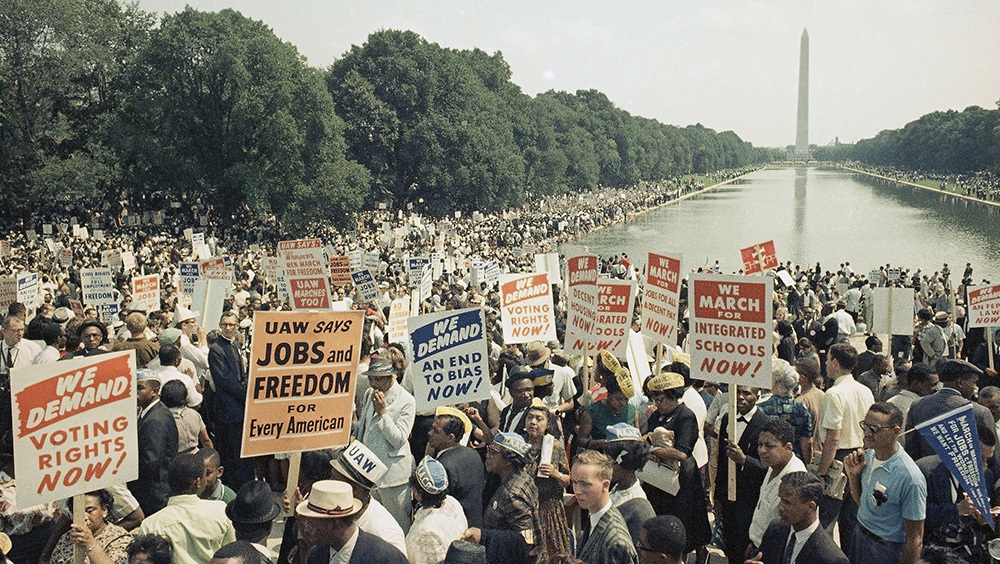
Public demonstrations serve as symbols of resistance in the face of oppression. These events empower communities by providing platforms for open expression and collective defiance. Unity in such displays not only garners media attention but also plays a crucial role in influencing public opinion and swaying political decisions. Historic examples include the Civil Rights Movement in the United States and the anti-apartheid struggles in South Africa—both of which utilized public mobilization to challenge deeply ingrained injustices.
Mobilizing Resources and Shared Expertise
Collective action is also a strategic tool for mobilizing resources. When individuals join forces, they share knowledge, skills, and material resources, making it possible to tackle issues that a fragmented individual effort might not overcome. This pooling of resources promotes innovative solutions and encourages the development of comprehensive strategies tailored to address complex problems ranging from political repression to social inequity.
The Role of Shared Goals in Driving Change
At the heart of collective action is the embodiment of shared goals, which provide a unifying vision for diverse groups. When people coalesce around common objectives, they forge a collective identity that transcends individual interests. This alignment not only simplifies the task of organizing but also ensures that the movement remains focused on achieving tangible reforms.
Emergence of a Common Vision
A shared vision is indispensable in mobilizing political change. Such a vision encourages participation, instills hope, and fosters a sense of unity among participants. It becomes the rallying cry that fuels energy, discipline, and commitment among citizens. When the overarching aim is clear—whether it involves ending systemic racial discrimination, advancing human rights, or reforming government policies—each contributed effort takes on newfound strength.
Bypassing Fragmentation
In politically charged environments, division and fragmentation can weaken reform efforts. Collective unity strategically bypasses these barriers by integrating diverse voices into one cohesive movement. This integration results in a more robust and resilient protest structure, capable of withstanding attempts to sow discord and undermine the movement's goals.
Enhancing Accountability
A united populace naturally demands greater accountability from those in power. Through continuous engagement and visible solidarity, citizens insist on transparency and are prepared to challenge governmental authorities when they fall short of serving the public interest. This persistent advocacy is critical in maintaining checks and balances in democratic societies.
Collective Action Against Governmental Oppression
When faced with governmental oppression, unity transforms into a potent medium for reclaiming freedom and ensuring justice. Beyond the amplification of voices, collective action creates an environment where policies and practices that perpetuate injustice can be openly challenged.
Historical Precedents and Lessons Learned
History provides powerful case studies on the efficacy of collective action. For decades, oppressed communities have leveraged unity to incite change. Consider the suffrage movement, which rallied citizens internationally to secure women’s right to vote, or the Civil Rights Movement, which led to dismantling institutional segregation and discrimination in the United States.
Building Resilience Amid Oppression
Collective action cultivates resilience against efforts by authoritarian regimes to suppress dissent. Even in the face of state-imposed repression, unified struggles amplify the inherent strength of communities, making it exceedingly difficult for governments to maintain control through coercive measures. This resilience is seen when protests continue despite the risk of arrest, violence, or other punitive actions, demonstrating that the will for change is unyielding.
Overcoming Isolation with Broad Participation
Governmental oppression often thrives on isolating dissenters and fragmenting communities. Collective movements negate these tactics by ensuring broad participation that cuts across geographic, social, and economic boundaries. When a movement’s membership is wide-ranging, the collective pressure forces government institutions to reconsider their positions or risk losing legitimacy.
Strategies for Effective Unity and Collective Action
For a movement to succeed in challenging governmental oppression, it must deploy well-organized strategies that harness the full potential of unity. This requires combining grassroots activism with organized leadership, ensuring that demands are both coherent and inclusive. The following table summarizes key strategies that have historically contributed to the success of collective action movements:
| Strategy | Description | Historical Examples |
|---|---|---|
| Inclusive Decision-Making | Engaging all participants in decision processes promotes ownership and holistic solutions. | Civil Rights Movement, Anti-Apartheid Movement |
| Non-Violent Resistance | Employing peaceful protest tactics to undermine oppressive regimes while maintaining moral high ground. | Suffragette Movement, Gandhi’s Salt March |
| Resource Pooling | Using collective resources to support legal, strategic, and logistical needs of the movement. | Community-led initiatives in various social justice movements |
| Strategic Collaboration | Forming alliances with other organizations and movements to bolster the impact. | Environmental protests teaming with human rights campaigns |
| Visible Symbolism and Storytelling | Using powerful symbols and narratives to unite participants and communicate goals broadly. | The use of icons like the raised fist or collective marches |
These strategies underscore that effective unity is not a spontaneous occurrence but rather a meticulously fostered environment that embraces inclusivity, resilience, and strategic foresight.
The Empowering Effects of Collective Action
Beyond its political ramifications, collective action also instills a profound sense of empowerment among individuals. For many, participation in collective movements is not only a civic duty but also a transformative personal experience that reshapes identity and destiny.
Reclaiming Agency
Workers, students, and community members who engage in collective action often report a newfound sense of agency in their lives. This empowerment arises from participating in a larger cause where every voice counts. It fuels personal confidence and fosters an environment where citizens become proactive rather than passive bystanders of societal change.
Grassroots Mobilization
Grassroots mobilization is the powerful engine driving many successful political movements. It begins with local initiatives—small groups coming together to address community issues—and evolves into larger coalitions that can effect national or even global change. The process gives individuals a stake in shaping policies and ensures that their concerns are reflected in broader societal reforms.
Narratives of Resistance and Hope
Collective action is anchored by the stories that bind people together. Narratives of resistance, struggle, and eventual triumph serve as a source of hope and inspiration. They remind us that change is possible even in the darkest times. Such shared stories not only preserve the history of movements but also inspire future generations to work together against any form of oppression.
Sustaining Change Beyond Immediate Action
Although collective action often emerges in response to immediate crises, its impact extends far beyond the initial moments of protest. Sustainable change is achieved through continuous engagement, reform, and the creation of alternative systems that better serve the populace. This long-term perspective is key to ensuring that the gains made through collective movements are preserved and built upon.
Institutional Reforms and Policy Changes
One of the most significant outcomes of sustained collective action is its ability to influence policy and reform governmental structures. When citizens collectively demand accountability, governments are compelled to reconsider laws and practices that enable injustice. Reforms may include improved transparency, greater public participation in governance, or even overhauls of entire political systems to better reflect the will of the people.
Bridging the Gap Between Government and Citizens
Effective collective action helps bridge the disconnect between government actions and the needs of the citizenry. It encourages dialogue, fosters compromise, and ensures that governmental decisions are rooted in the welfare of the people rather than small interest groups. In turn, this leads to more responsive and transparent governance.
Cultivating a Culture of Activism
Perhaps one of the most enduring effects of collective unity is the cultivation of a culture where activism becomes a norm rather than an exception. When citizens witness the tangible benefits of collective action, they are more likely to engage in ongoing dialogue and community-building efforts. This culture of activism ensures that democratic ideals remain vibrant and resilient in the face of evolving challenges.
Integrating Diverse Perspectives for Holistic Change
A diverse collective is inherently stronger because it incorporates a range of perspectives, experiences, and ideas. In the realm of political change, diversity ensures that a wide array of issues is addressed in a comprehensive manner. Different cultural, social, and economic viewpoints contribute to the robustness of collective strategies, making them well-equipped to handle complex challenges.
Building Inclusive Movements
Inclusive movements guarantee that no group is left behind. They value every voice, from the marginalized to the mainstream, forging solidarity across various demographics. This inclusiveness not only broadens the reach of a movement but also enriches its strategic approach, ensuring that the solutions offered are multifaceted and equitable.
Mechanisms for Inclusion
Mechanisms for fostering inclusivity range from participatory town halls to digital platforms that facilitate real-time dialogue. By utilizing these tools, movements can capture a broad spectrum of opinions and integrate them into a coherent strategy that reflects the collective will.
Synergy Between Local and Global Efforts
Collective action in today’s interconnected world often sees local movements linking arms with global initiatives. This synergy ensures that localized struggles are recognized within a broader global framework, amplifying both their impact and the accountability of governing institutions.
Empirical Evidence and Research on Collective Action
Empirical research has consistently demonstrated that collective action is a critical ingredient in overcoming political oppression. Studies show that communities mobilized around shared interests can significantly influence policy changes and foster a culture of civic engagement. Further, historical case analyses reveal that sustained collective movements have led to the dismantling of oppressive regimes and provoked lasting reforms across various nations.
Analyzing the Impact of Movements
Researchers have noted several key metrics when evaluating the success of collective movements. These include policy shifts, reduction in systemic inequities, increased political participation, and the durability of reform initiatives. By examining past movements through this lens, one can draw lessons that inform contemporary strategies for mitigating and dismantling governmental oppression.
Case Studies in Successful Collective Action
Detailed case studies emphasize the role of coordinated, sustained collective action in achieving concrete outcomes. For example, the broad-based mobilizations during the Civil Rights era not only influenced legislative reforms in the United States but also set a precedent for future movements worldwide. Similarly, the anti-apartheid struggle in South Africa showcased how unity across diverse societal groups can successfully challenge an oppressive regime.
Impact on Policies and Governance
Ongoing studies continue to reinforce that the policy changes initiated by collective action are far-reaching. These include improvements in human rights, enhanced transparency in governance, and a demonstrable positive shift in public opinion regarding justice and equity. Such outcomes affirm the capacity of unified citizenry to not only critique but also reshape the corridors of power.
References
- Power of Unity - World Economic Forum
- People's Rally Demonstrates Unity - Rome Sentinel
- Stop Fighting and Embrace Unity - Psychology Today
- Role of Collective Action - Diverseek
- Resilience Through Collective Action - Calling Up Justice
Recommended Queries for Further Exploration
Last updated March 6, 2025