
Universal Precautions in a Biochemistry Lab
An in-depth guide to safety practices and protocols
Key Highlights
- Comprehensive Barrier Protection: Use of appropriate PPE to safeguard against infectious agents.
- Rigorous Hygiene and Decontamination: Regular hand washing, decontamination of surfaces, and safe handling of sharps.
- Strict Protocol Adherence: Training, safe sample handling and waste disposal techniques to minimize biohazard risks.
Introduction
Universal precautions serve as the cornerstone of bio-safety, especially in biochemistry laboratories where handling human blood, tissues, and other potentially infectious materials is routine. This safety protocol was established to minimize the risk of exposure to bloodborne pathogens, such as HIV and hepatitis B, and other infectious agents. The guiding philosophy behind universal precautions is simple yet critical—every sample is treated as if it is infectious, regardless of its known or unknown status. In this comprehensive discussion, we detail the protocols, practices, and rationale behind universal precautions, while emphasizing how they contribute to a safe laboratory environment.
Principles of Universal Precautions
Treating All Specimens as Potentially Infectious
The underlying principle of universal precautions is the assumption that all human blood, body fluids, tissues, and cells may carry transmissible pathogens. This means that whether a sample originates from a donor with known infectious disease or appears to be healthy, it must be handled with the same level of caution. This approach removes the guesswork and potential complacency in laboratory practices, ensuring that every procedure maintains the highest standard of bio-safety.
Standardization of Safety Practices
Standardization is critical in biochemistry labs, where several processes might expose personnel to infectious materials. By implementing uniform safety measures across all experiments and procedures, the risk of mishandling dangerous substances is drastically reduced. Personnel receive comprehensive training on these protocols, ensuring that each member of the lab understands their role in maintaining a safe environment.
Key Components of Universal Precautions
Barrier Protection
Personal Protective Equipment (PPE)
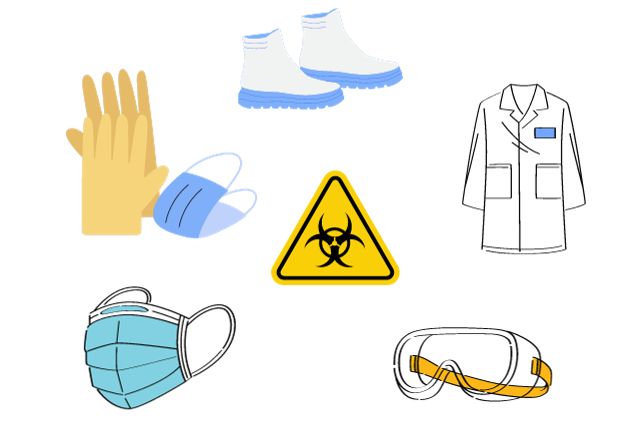
The use of personal protective equipment is arguably the most visible aspect of universal precautions. Laboratory personnel must be outfitted with appropriate PPE when handling any potentially infectious materials. This includes:
- Gloves: Worn at all times to protect hands from direct contact with blood, body fluids, and contaminated surfaces.
- Lab Coats or Gowns: Provide a barrier to protect skin and clothing from splashes or spills.
- Eye and Face Protection: Goggles, face shields, or masks help protect against droplets, aerosols, or splashes reaching mucous membranes.
These items are selected based on the specific task and risk involved. For instance, when handling aerosols or conducting procedures likely to cause splashing, enhanced face protection is mandatory.
Safe Handling of Sharps and Contaminated Materials
Sharps Management
One of the most common ways for pathogens to be transmitted in a lab setting is through accidental encounters with contaminated sharp objects, such as needles, syringes, or glass pipettes. To minimize these risks:
- All needles and sharp instruments should be disposed of immediately in puncture-resistant containers specifically designed for biohazardous waste.
- Procedures that involve the manipulation or recapping of needles should adopt safety-engineered devices that eliminate the need for risky manual interventions.
- The use of mechanical pipetting devices—rather than mouth pipetting—is strictly enforced to avoid unintentional ingestion or exposure.
Handling of Biological Specimens
When dealing with biological specimens, every precaution is taken to avoid cross-contamination. Specimens are treated with the utmost care:
- All samples are clearly labeled and isolated to prevent any mix-ups.
- Designated areas and biosafety cabinets are used when handling and processing specimens that may generate aerosols or droplets.
Hygiene Practices in the Laboratory
Hand Hygiene
Proper hand hygiene is essential in preventing the propagation of contaminants. Laboratory personnel are required to cleanse their hands frequently—particularly:
- Immediately after glove removal
- After any contact with biological materials or surfaces that may be contaminated
- Before leaving the lab and after any breaks, including post-restroom use
In addition to traditional hand washing with soap and water, hand sanitizers can be used when immediate washing facilities are not available. The effectiveness of this practice is bolstered by training and regular reminders about the critical nature of hand hygiene in preventing infections.
Decontamination and Surface Disinfection
Maintaining a clean laboratory environment is imperative to reduce the risk of contamination. Decontamination practices include:
- Regular Cleaning: Laboratory surfaces, reusable equipment, and frequently touched areas are routinely cleaned with effective chemical agents like bleach solutions or other broad-spectrum germicides.
- Spill Management: Immediate decontamination procedures are in place for dealing with spills of blood or other infectious fluids. This involves clearing the spill area, containing the fluids, and then cleaning the contaminated surfaces thoroughly.
- Ventilation and Biosafety Cabinets: For procedures that generate aerosols or droplets, biosafety cabinets and proper lab ventilation ensure that potentially harmful substances are contained and removed from the immediate workspace.
Implementation of Universal Precautions
Training and Continuous Education
A critical aspect of implementing universal precautions in a biochemistry lab is the comprehensive and continuous training provided to all lab personnel. Training programs focus on:
- Educating staff on the risks associated with bloodborne pathogens and other infectious agents.
- Demonstrating the correct use and disposal of PPE.
- Reviewing standard operating procedures for safe sample handling and decontamination methods.
- Conducting regular safety drills and audits to ensure adherence to protocols.
These training sessions not only impart knowledge, but also foster a culture of safety where every member understands their role and responsibilities in avoiding exposure.
Waste Management and Disposal
Proper waste disposal is essential to preventing environmental contamination and accidental exposures. In a biochemistry lab, waste management practices include:
- Segregation of biohazardous waste from regular waste.
- Utilization of dedicated, clearly marked containers for different categories of waste, including sharps and other contaminated materials.
- Adhering to local and national regulations for the disposal of hazardous and infectious materials.
Safe Procedures and Engineering Controls
Engineering controls such as biosafety cabinets are integral to maintaining containment when processing infectious specimens. These devices:
- Provide a controlled environment to limit the spread of aerosols and droplets.
- Enforce directional airflow to prevent contaminants from escaping the immediate workspace.
- Include features that facilitate easy decontamination and regular maintenance.
These tools and technologies ensure that even in the event of an unexpected malfunction or error, the laboratory environment remains as safe as possible.
Table: Overview of Universal Precautions in a Biochemistry Lab
| Component | Description | Examples/Tools |
|---|---|---|
| Personal Protective Equipment | Barrier protection to prevent contamination | Gloves, lab coats, face shields, goggles |
| Sharps Handling | Safe disposal and handling to avoid accidental injuries | Puncture-resistant containers, safety-engineered sharps devices |
| Hand Hygiene | Routine washing and sanitation to remove pathogens | Soap and water, hand sanitizers |
| Decontamination | Routine cleaning protocols to disinfect surfaces | Chemical germicides, bleach solutions, biosafety cabinets |
| Waste Management | Proper segregation and disposal of biohazardous materials | Designated waste containers, compliance with disposal regulations |
| Training and Awareness | Education and continuous improvement of safety practices | Safety workshops, audits, certification programs |
Best Practices for Maintaining a Safe Laboratory Environment
Regular Safety Audits
Universal precautions are most effective when compliance is continuously monitored. Regular safety audits help in identifying potential gaps in practices and ensuring that every lab member adheres to safety protocols. Audits typically focus on the condition and proper use of PPE, the state of decontamination processes, and adherence to waste management procedures. Follow-up training sessions, based on audit findings, further strengthen the laboratory’s safety culture.
Access Control and Signage
Restricting access to the laboratory helps in minimizing unintended exposure to biohazards. Only trained and authorized personnel should have entry into sensitive areas, and this is enforced by:
- Posting clear biohazard and warning signs on lab entrances, containers, and work surfaces.
- Implementing controlled entry systems that log personnel movements.
- Designating specific zones for handling and processing infectious materials.
Emergency Response Planning
Spill Response
Accidents happen, but proper emergency response can mitigate the risks associated with spills of infectious materials. Most biochemistry labs have detailed spill response plans which include:
- Immediate alert procedures for lab personnel in case of a spill.
- Containment measures to limit spread and exposure.
- Step-by-step decontamination processes using approved disinfectants and protective gear.
Exposure Protocols
In the event of accidental exposure, established protocols ensure prompt and effective responses, including:
- Immediate washing of the exposed area with soap and water.
- Seeking medical evaluation without delay.
- Documentation and follow-up to ensure that any exposure is properly managed.
Regulatory Framework and Compliance
Local and National Guidelines
Universal precautions are not developed in isolation. They are based on guidelines and requirements established by health organizations and regulatory agencies. These may include:
- Centers for Disease Control and Prevention (CDC) recommendations.
- Occupational Safety and Health Administration (OSHA) standards.
- Local health departments and institutional safety protocols.
Compliance with these guidelines not only ensures the safety of laboratory personnel but also guarantees that the lab meets the legal requirements for handling biohazardous materials.
Documentation and Record-Keeping
Maintaining detailed records on training, incidents, decontamination procedures, and audits is a critical part of the laboratory’s safety strategy. This documentation helps in:
- Tracking adherence to universal precautions over time.
- Providing evidence during safety inspections or audits.
- Identifying long-term trends that may require adjustments to protocols.
Innovations and Future Directions
Technological Enhancements
As scientific research evolves, so do the technologies and practices used in biochemistry labs to maintain safety. Innovations include:
- Enhanced PPE Materials: Development of more durable, comfortable, and effective protective gear that offers maximum protection while ensuring ease of use.
- Automated Safety Systems: Integration of sensors and automated alerts within the lab environment to monitor potential hazards and ensure swift response in case of an incident.
- Advanced Decontamination Methods: Novel chemical agents and automated systems that provide more efficient decontamination of surfaces and equipment.
Expanding Training Programs
Future protocols may see increased use of virtual reality simulations and interactive training modules to provide lab personnel with immersive safety experiences. These technologies can simulate high-risk scenarios, providing trainees with practical knowledge and rapid response skills in a controlled environment.
References
- Universal Precautions - NCBI Bookshelf
- Biological Safety - Ole Miss
- LSU Universal Precautions
-
Stanford Biosafety Manual
- Cornell Standard Precautions
Recommended Related Queries
Last updated March 17, 2025