
University Nap Facilities and Policy Changes
Exploring the Evolution of Rest Spaces on Campus
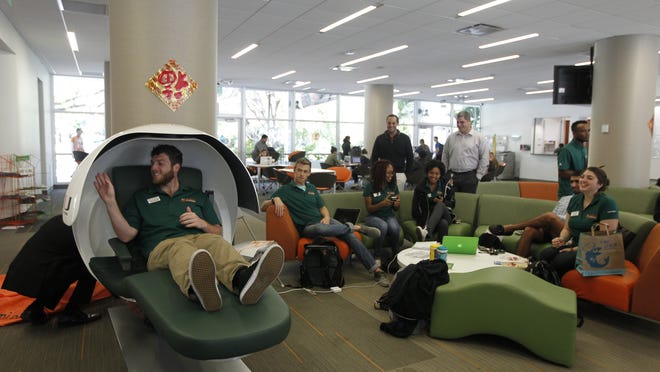
Key Takeaways
- Enhanced Student Well-being: Nap facilities are designed to counteract sleep deprivation and improve mental health and academic performance.
- Structured Policies and Guidelines: Universities implement specific usage rules, maintenance protocols, and access requirements to ensure safety and fairness.
- Broader Campus Wellness Initiatives: Nap rooms and pods are part of wider efforts to integrate sleep hygiene programs, mental health resources, and stress reduction initiatives.
Overview of University Policy Changes for Nap Facilities
As student populations continue to face increasing academic pressures, universities have recognized the crucial need for improved well-being and mental health support. Among the various initiatives aimed at creating healthier campus environments, the incorporation of nap facilities has emerged as a popular strategy. These facilities, ranging from dedicated nap rooms to high-tech nap pods, are intended to help students manage sleep deprivation, reduce stress, and boost academic and creative performance.
In response to chronic sleep deprivation and rising mental health concerns, universities have been exploring a variety of policy changes. These adjustments include the establishment of designated napping spaces, the adherence to specific usage protocols, and an emphasis on the integration of these spaces within broader wellness programs. The evolution of these policies represents a significant cultural shift in higher education, where student care is increasingly viewed as a key component of academic success.
Historical Context and Motivations
Historically, sleep and rest have often been sidelined in academic settings in favor of rigorous study and constant productivity. However, research over the past few decades has consistently shown that sufficient sleep is critical for effective learning, memory consolidation, and emotional regulation. Universities have observed the detrimental effects of chronic sleep deprivation on student performance and overall well-being, leading to an increased interest in initiatives that support healthier lifestyles.
The primary motivation behind these changes is driven by empirical research suggesting that short, controlled naps can significantly enhance mental clarity, concentration, and creative problem-solving. In a high-demand academic environment, even brief periods of rest can restore mental energy and productivity. This shift is also bolstered by a growing body of evidence demonstrating that regular, structured breaks, including naps, have positive neurological and psychological benefits.
Components of University Nap Facilities
Design and Infrastructure
Well-designed nap facilities typically include quiet, comfortable spaces where students can take short naps without distractions. This includes the use of specialized furniture such as reclining chairs, cushioned benches, and state-of-the-art nap pods with built-in technologies for regulating sound and light levels. The emphasis on creating a controlled and serene environment aims to maximize the restorative effects of a nap.
Environment Control
These facilities are usually engineered with features that help minimize environmental distractions:
- Controlled lighting to mimic natural circadian rhythms.
- Noise reduction systems to block out disruptive sounds.
- Temperature control to provide a consistent, comfortable climate.
Such elements ensure that the environment is optimally tailored for relaxation and sleep, thereby enhancing the overall efficacy of the nap.
Operational Guidelines and Usage Policies
The operation of these nap facilities is governed by clearly defined policies. Many institutions employ a first-come, first-served approach, where students can access the facilities based on availability. Common guidelines include:
- Time-limited sessions, typically ranging from 20 to 30 minutes.
- Prohibition against long-term use to ensure fair access across the student body.
- Mandatory removal of personal belongings to maintain hygiene and security.
- Rules around health, such as excluding students who are ill or showing signs of contagious conditions to prevent the spread of illness.
- Access often being restricted to those with an active student ID to ensure proper monitoring.
These operational standards are essential in maintaining an inviting atmosphere while ensuring that facilities are used for their intended restorative purposes.
Integration within Broader Wellness Programs
Sleep Hygiene and Educational Programs
Beyond providing physical spaces to rest, many universities integrate nap facilities into a larger framework of sleep hygiene education. These educational programs teach students about the importance of sleep cycles, effective napping techniques, and overall stress management. Workshops and seminars often complement the physical resources by offering guidance on:
- Maintaining a balanced sleep schedule, even amidst a heavy academic workload.
- Understanding the role of short naps in enhancing cognitive functions.
- Adapting lifestyle changes and incorporating relaxation techniques into daily routines.
By combining physical resources with educational initiatives, universities effectively promote an overall culture of wellness, encouraging healthy sleep patterns and stress reduction techniques. This dual approach ensures that students not only have the facilities to rest when needed but also possess the knowledge to manage their sleep effectively.
Role in Mental Health Strategies
The establishment of nap areas plays a significant role in universities’ mental health strategies. With increasing reports of anxiety, depression, and burnout among students, providing easily accessible rest areas contributes to a more supportive campus environment. Institutions employing these strategies report:
- Improved overall mood and lower stress levels.
- Enhanced concentration during lectures and study sessions.
- A noticeable positive impact on students' daily energy levels, leading to better academic performance.
These positive outcomes underline the importance of a holistic approach to student wellness, where physical rest spaces are seen as part of a comprehensive mental health strategy.
Comparative Table of Nap Infrastructure Elements
The table below provides a snapshot comparison of key elements found across various university nap facilities:
| Feature | Description | Examples |
|---|---|---|
| Design Type | Dedicated napping rooms with reclining chairs and nap pods | University of Akron, various colleges |
| Session Duration | Short naps typically lasting between 20 to 30 minutes | Strict session times enforced via booking systems |
| Access Policy | First-come, first-served basis with active student IDs required | Universities enforce access through student portals or ID checks |
| Environmental Control | Regulated lighting, temperature, and noise levels | Nap pods with built-in dimming functions and sound insulation |
| Supplementary Programs | Integration with sleep hygiene and stress management workshops | Health centers offering sleep education and counseling sessions |
Implementation and Student Experience
Administrative Considerations and Challenges
Implementing nap facilities on campus is not without its challenges. University administrations must balance resource allocation, space management, and ensuring that these facilities serve a broad student base without disrupting academic schedules. Key considerations include:
- Budget and Funding: Establishing nap rooms or installing nap pods requires a financial commitment, which might involve reallocating resources from other budget areas or seeking specific funding grants.
- Space Allocation: Campuses must determine which buildings or areas can feasibly be converted into quiet spaces without compromising other essential services.
- Maintenance and Sanitation: Regular cleaning and maintenance schedules are essential for maintaining the quality and safety of these spaces, particularly in high-traffic areas.
- Policy Enforcement: Clear guidelines and rules must be established and communicated to ensure that the facilities are used responsibly. This includes scheduling, usage duration limits, and health protocols.
Despite these challenges, student feedback has been predominantly positive. Many students report that even a short 20-minute nap can significantly enhance their focus during afternoon lectures and study sessions. The availability of a designated quiet space on campus provides a practical solution to the pervasive issue of sleep deprivation and serves as a reminder that mental health is a priority.
Student Advocacy and the Future of Campus Wellness
Student advocacy has played a crucial role in prompting these policy changes. As awareness of mental health issues grows, student voices have increasingly influenced administrative decisions regarding wellness resources. Active engagement by student bodies often leads to:
- Direct feedback on the effectiveness and usability of nap spaces.
- Suggestions for improvements in facility management and privacy concerns.
- Collaboration with university wellness centers to integrate rest policies into broader mental health initiatives.
Moving forward, it is anticipated that more universities will adopt comprehensive wellness initiatives that encompass not only nap facilities but also a range of services including mindfulness sessions, stress management workshops, and personalized counseling services. This holistic approach has the potential to reshape the academic environment, creating a campus culture where physical and mental well-being are not viewed as luxuries, but as essential components of student success.
Expanding the Benefits Beyond Nap Facilities
Integration with Technology
The role of technology in enhancing sleep quality on campus is an emerging trend. Some universities have started integrating digital solutions with their nap facilities, such as:
- Booking Systems: Mobile apps that allow students to reserve a timeslot in advance, making facility management efficient and predictable.
- Usage Tracking: Tools that monitor the duration of naps and provide insights into personal sleep habits, potentially integrated with wellness apps.
- Environmental Controls: Automated systems that adjust lighting, temperature, and sound, based on the time of day and individual preferences.
Leveraging these technologies not only improves the user experience but also provides data that can help administrators refine policies and better allocate resources. These tools support an overall digital transformation in how universities address student health and wellness.
Broadening Campus Wellness Programs
Nap facilities are increasingly understood as part of a broader suite of campus wellness programs. Universities are starting to design initiatives that combine physical rest, mental health support, and educational efforts into a single, integrated policy. For example:
- Programs that offer guided relaxation sessions and meditation classes in tandem with scheduled nap times.
- Collaborative initiatives between student health services and academic departments to ensure that students have access to holistic wellness resources.
- Wellness campaigns that underscore the importance of balanced lifestyles by promoting exercise, nutritious eating, and sustainable study habits alongside quality sleep sessions.
Such integrated approaches not only improve immediate academic performance but also instill long-term healthy habits that can extend well beyond university years.
Guidelines and Best Practices for Students
How to Make the Most of Campus Nap Spaces
Students who wish to take advantage of campus nap facilities should be aware of several best practices that ensure both their well-being and the continued availability of these resources for others:
- Plan Ahead: Check university wellness websites or campus maps for the location and availability of nap facilities. Reserve a spot if a booking system is in place.
- Adhere to Guidelines: Follow the established usage rules, such as time limits and sanitary precautions, to help maintain a positive environment for all users.
- Maintain a Routine: While taking short naps can enhance focus, ensure that these rests complement a regular sleep schedule rather than replacing full nights of sleep.
- Engage in Sleep Hygiene: Attend sleep education sessions if available, to gain insights into how to optimize your rest and learn stress management techniques.
- Provide Feedback: Contribute to continuous improvement by offering constructive feedback to campus wellness centers about your personal experiences.
These strategies help maintain a well-ordered system in which nap facilities continue to serve as beneficial spaces for all students. By upholding these guidelines, students contribute to a campus culture that prioritizes both individual health and shared responsibility.
Future Policy Directions
The current trend is likely to evolve further as more universities pilot innovative approaches to student rest and wellness. Future policies may include:
- Enhanced integration of nap facilities with full-scale wellness programs that include counseling and fitness resources.
- Greater personalization in the control of environmental settings, allowing students to customize their rest experience.
- The use of advanced data analytics to assess usage patterns and tailor facilities to peak academic stress periods, ensuring optimal resource allocation.
- Increased collaboration with student advocacy groups to continually refresh and evolve usage policies in response to changing campus needs.
- Exploration of innovative architectural solutions that allow for adaptable spaces, serving both as quiet study areas and as napping zones depending on demand.
These prospective changes highlight the importance of adaptability in policy-making. With a focus on long-term student well-being, universities are likely to remain at the forefront of community health innovation, ensuring that both physical and mental health resources keep pace with the evolving demands of academic life.
References
- Benefits of Nap Pods at Universities - Restworks
- Napping Around: Colleges Provide Campus Snooze Rooms - Sleep Review Mag
- University of Akron Brings Nap Pods to Campus to Improve Student Mental Health - Diverse Education
- Students Need Nap Rooms on Campus - The Poly Post
- How Campus Nap Maps Help Students Succeed - Inside Higher Ed
Recommended Queries
Last updated March 6, 2025