
Pioneering the Future of Healing: Inside China Medical University's Tissue Engineering Hub
Unveiling the breakthroughs, leadership, and cutting-edge research shaping regenerative medicine at CMU.
Preparing for discussions with the Tissue Engineering Research Laboratory at China Medical University (CMU) requires understanding their significant contributions and forward-looking trajectory. This research hub, part of the CMU's Institute for Intelligent Medicine (formerly affiliated with the School of Basic Medical Sciences), stands as a prominent force within China's regenerative medicine landscape.
Key Highlights
- Pioneering Education: CMU was the first medical school in China to establish an undergraduate tissue engineering course and compiled the nation's first undergraduate textbook for the subject.
- Leadership Excellence: Under researchers like Professor Xu Xiaoqian, the lab excels in translating biomaterial innovations into clinical applications, particularly in precision medicine and cancer therapy.
- Multidisciplinary Strength: The lab boasts significant achievements in core areas like stem cell technology, advanced biomaterials, 3D bioprinting, and clinical translation, supported by national funding and key collaborations.
Genesis and Evolution: A Legacy of Innovation
Tracing the Lab's Journey
The foundation for tissue engineering research at CMU was laid early. The university began recruiting master's students in this direction back in 1996. This foresight culminated in the formal establishment of the Tissue Engineering Research Laboratory in 2002. Recognizing its potential, the Ministry of Education approved it as a PhD-granting discipline in 2003, followed by the formation of the Tissue Engineering Teaching and Research Office in 2004. This structured development underscores CMU's long-term commitment to fostering expertise in this vital field.
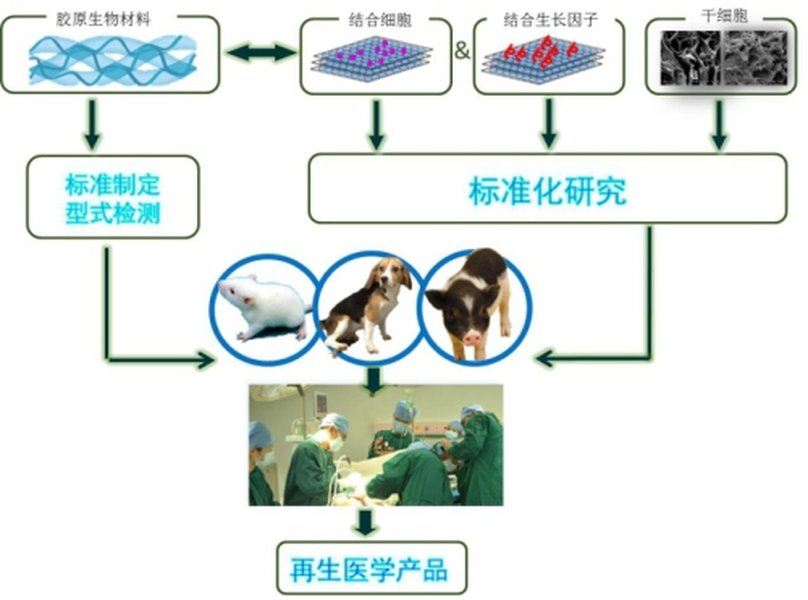
Conceptual overview of regenerative medicine, a core focus of the CMU Tissue Engineering Lab.
A defining achievement was CMU becoming the first medical school in China to offer an undergraduate course in tissue engineering, further solidifying its leadership by compiling the country's inaugural undergraduate textbook on the subject. This educational pioneering has undoubtedly contributed significantly to the talent pipeline in China's regenerative medicine sector.
Spearheading Progress: Professor Xu Xiaoqian's Contributions
Driving Research Through Interdisciplinary Excellence
While the lab benefits from the collective expertise of its researchers (including notable figures like Yang Liqun focusing on biomedical polymers), Professor Xu Xiaoqian emerges as a key figure driving recent innovations, particularly at the intersection of medicine and engineering ('med-eng'). Her work exemplifies the lab's focus on translating fundamental research into tangible clinical solutions.
Key Achievements of Professor Xu Xiaoqian:
- Research Focus: Professor Xu concentrates on the precise treatment of breast cancer, leveraging expertise in biomaterials and drug delivery systems. Her approach involves tailoring the physicochemical properties of materials to overcome clinical challenges, such as targeted drug delivery and enhancing tissue repair efficiency.
- High-Impact Publications: In the last five years, she has authored or co-authored over 20 research papers published in prestigious journals ranked Q1/Q2 by the Chinese Academy of Sciences (CAS). These publications often appear in leading international journals focused on materials science, biofabrication, and cancer therapy.
- Innovation and Patents: Professor Xu holds significant intellectual property, having applied for 13 national invention patents, with 9 already granted. This highlights her team's ability to generate novel technologies with practical applications.
- Awards and Recognition: Her contributions have been recognized through numerous accolades, including the Liaoning Provincial Youth Science and Technology Award, Liaoning Provincial Excellent Teaching Achievement Award (Second Prize), and recognition as a "Six Talents Peaks" high-level talent in Jiangsu Province.
Professor Xu's leadership underscores the lab's commitment to addressing critical clinical needs through rigorous scientific inquiry and technological innovation, particularly emphasizing the power of interdisciplinary approaches.
Broad Spectrum Research: Lab-Wide Achievements and Directions
Core Research Pillars
The CMU Tissue Engineering Research Laboratory pursues a multi-faceted research agenda, integrating biology, materials science, and clinical medicine. Key areas include:
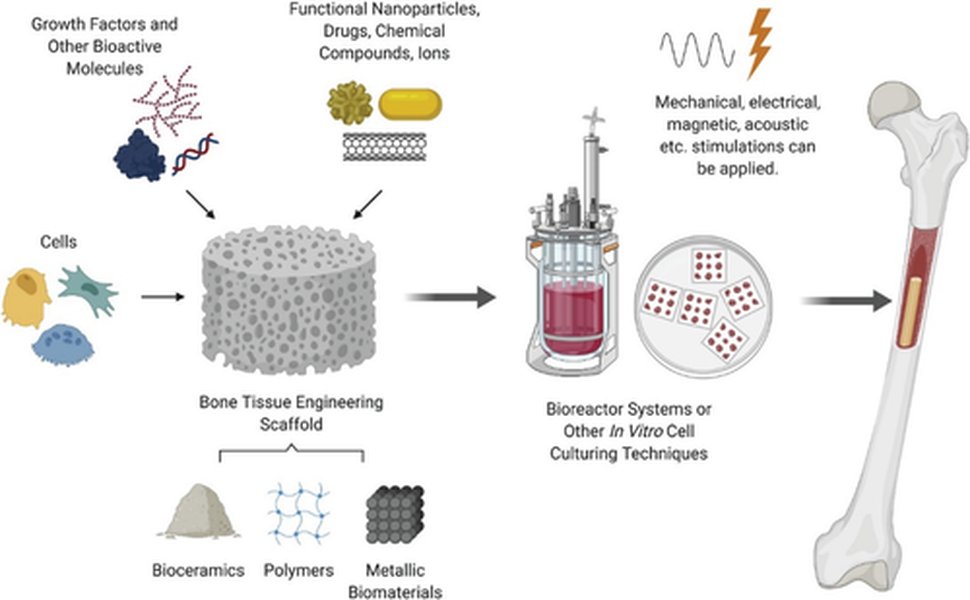
Example of a tissue engineering scaffold, a major research area for the lab.
- Stem Cell Technology: Developing robust methods for the isolation, large-scale purification, expansion, and differentiation of various stem cells (especially mesenchymal stem cells). This includes ensuring the safety and efficacy of stem cell populations for therapeutic use.
- Biomaterials Science: Designing and fabricating novel biomaterials, particularly focusing on biocompatible and biodegradable polymers and composites. Research includes creating biomimetic scaffolds that mimic the natural tissue microenvironment to guide tissue regeneration. Special attention is given to materials for drug delivery systems.
- 3D Bioprinting and Organ Manufacturing: Actively engaged in utilizing 3D printing technologies for creating complex tissue constructs and potentially, organs. This involves collaborating with institutions like Tsinghua University to advance techniques such as 3D cell and organ printing and non-contact cell assembly (e.g., using acoustic fields).
- Regenerative Medicine Applications: Translating basic research into therapies for various conditions. This includes work on bone and cartilage repair, skin regeneration, nerve tissue engineering, and exploring novel treatments for diseases like cancer and autoimmune disorders.
- Clinical Translation and Trials: A strong emphasis is placed on bridging the gap between lab discoveries and patient care. The lab has been involved in clinical trials, such as long-term studies (over 14 years) assessing the safety and efficacy of bone marrow-derived mesenchymal stem cells as a potential new drug.
Recent Research Directions and Ongoing Projects
The lab's current research aligns with national priorities and global trends in regenerative medicine:
- Advanced Biomaterials for Precision Medicine: Continued development of smart biomaterials for targeted drug delivery (e.g., in breast cancer) and improved implant integration (e.g., addressing blood circulation issues in bone grafts).
- Neural Tissue Engineering: Utilizing techniques like sound-field assisted bio-assembly to construct sophisticated neural tissue models using iPSC-derived neural stem cells, aiming to advance neuro-regenerative medicine.
- Stem Cell Therapeutics: Progressing stem cell-based therapies towards clinical application, including ongoing development and trials for stem cell 'drugs'.
- 3D Bioprinting Optimization: Refining 3D printing techniques for personalized medicine, enhancing the structural complexity and functional integration of engineered tissues.
- Disease Modeling: Creating advanced in vitro models using tissue engineering principles to study disease mechanisms and test new therapies.
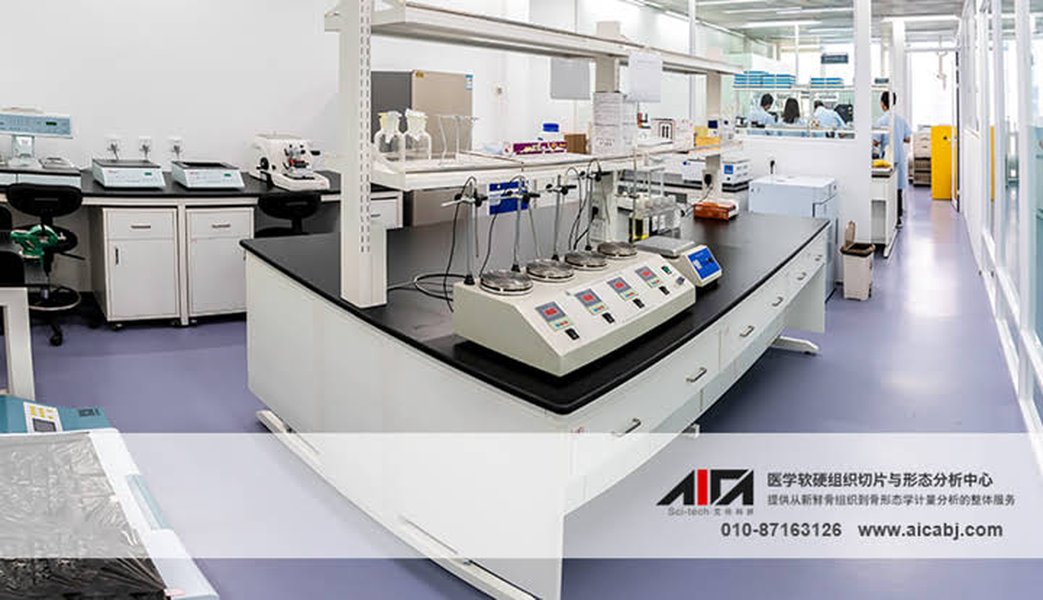
Advanced equipment used in tissue engineering and biomaterials research.
These research endeavors are supported by significant funding, including projects under the National Natural Science Foundation of China (NSFC), sub-projects within the National Key R&D Programs (e.g., "13th Five-Year Plan"), and numerous provincial and municipal research grants.
Mapping the Research Landscape
A Conceptual Overview of Research Strengths
The following mindmap provides a visual summary of the key research areas, enabling technologies, and application focuses within the China Medical University Tissue Engineering Research Laboratory.
Assessing Research Capabilities
Relative Strengths Analysis
Based on the available information, the following chart provides a qualitative assessment of the perceived strengths of the CMU Tissue Engineering Research Laboratory across various dimensions. This is an interpretive analysis based on reported activities, achievements, and focus areas.
This analysis suggests particular strengths in educational leadership, biomaterials development, stem cell research, and a strong commitment to clinical translation, supported by consistent patent generation.
Disseminating Knowledge: Publications and Impact
Academic Output and Influence
The research output from the CMU Tissue Engineering Research Laboratory is significant, appearing in both national and international publications. While a comprehensive list requires database searches, key publication trends include:
- High-Impact International Journals: Researchers, including Professor Xu Xiaoqian, frequently publish in high-ranking journals (often CAS Q1/Q2). Examples mentioned include publications within the WILEY portfolio, such as Advanced Materials or Biofabrication. These journals typically boast high Impact Factors (IF), potentially ranging from IF 5 to 15+, depending on the specific journal and year. Work on聲場輔助生物組裝技術 (acoustic-assisted bio-assembly) using neural stem cells was highlighted in such a venue (potentially IF ~12.5).
- Key Domestic Journals: The lab also contributes significantly to leading Chinese journals in the field, such as the Chinese Journal of Tissue Engineering Research (CJTER). This journal is a core publication platform for tissue engineering research in China, with a reported WJCI Impact Factor typically in the range of IF 2-5.
- Thematic Focus: Published works cover the lab's core research areas: biomaterials for cancer therapy and regeneration, stem cell applications (including clinical trial results), tissue scaffold design and performance, and 3D printing innovations.
The consistent publication in reputable journals underscores the lab's active research environment and its contribution to the global and national scientific discourse in tissue engineering and regenerative medicine.
Summary of Key Research Aspects
The following table summarizes the primary research pillars and associated activities of the lab:
| Research Pillar | Key Activities & Focus | Notable Achievements/Examples |
|---|---|---|
| Biomaterials & Drug Delivery | Development of functional polymers, biomimetic scaffolds, controlled release systems, materials for precision oncology. | Patented materials, publications in high-IF materials journals (e.g., WILEY), focus on breast cancer targeting. |
| Stem Cell Technology | Isolation, purification, expansion, differentiation protocols, safety/efficacy studies, clinical trials. | Long-term clinical studies on MSCs, established cell processing techniques, research on iPSC-derived cells. |
| 3D Bioprinting & Biofabrication | Scaffold printing, cell-laden constructs, organoid development, advanced assembly techniques (e.g., acoustic). | Collaboration with Tsinghua University, development of complex tissue models, personnel training in 3D printing. |
| Clinical Translation & Regenerative Medicine | Bone/cartilage repair, skin regeneration, nerve repair strategies, disease modeling, moving discoveries to clinical practice. | Participation in National Key R&D Programs, focus on solving clinical problems (e.g., implant vascularization), stem cell clinical trials. |
| Education & Training | Undergraduate and postgraduate curriculum development, textbook compilation, training workshops. | First undergraduate course/textbook in China, established PhD program, training in specialized techniques like 3D printing. |
Frequently Asked Questions (FAQ)
What are the main research facilities available at the lab?
While specific inventory lists require direct inquiry, based on their research scope (biomaterials synthesis, cell culture, 3D printing, molecular biology, preclinical testing), the lab is likely equipped with standard and advanced instrumentation. This probably includes cell culture facilities (incubators, biosafety cabinets), materials characterization tools (SEM, mechanical testers), molecular biology equipment (PCR, electrophoresis), histology equipment, 3D printers/bioprinters, and potentially small animal facilities for in vivo studies.
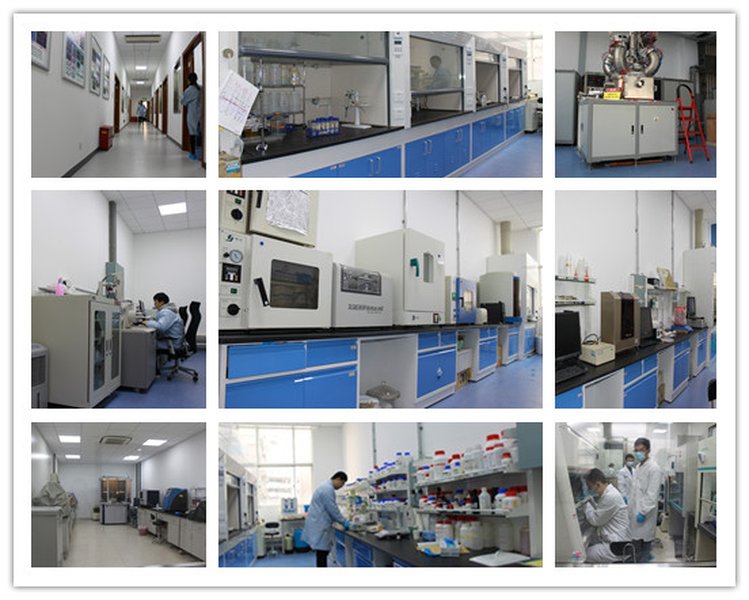
Typical equipment found in biomaterials and cell biology laboratories.
Is the lab open to collaborations with industry or other academic institutions?
Yes, evidence suggests the lab actively collaborates. Their joint research with Tsinghua University on 3D printing is a prominent example. Their focus on clinical translation and patent generation also indicates an openness towards industry partnerships to bring technologies to market. Engaging with them directly regarding specific collaboration proposals would be the best approach.
What specific types of tissue or organ systems are the primary focus?
Based on reported projects and publications, key focuses include:
- Musculoskeletal System: Significant work on bone tissue engineering, addressing challenges like scaffold design and vascularization. Cartilage repair may also be an area of interest.
- Cancer Biology: Particularly breast cancer, focusing on targeted therapies and drug delivery systems using biomaterials.
- Neural System: Emerging work on neural tissue models and potentially nerve regeneration, utilizing advanced techniques like acoustic assembly.
- Skin: Mentioned as a general area within regenerative medicine, likely involving scaffold-based skin substitutes or cell therapies.
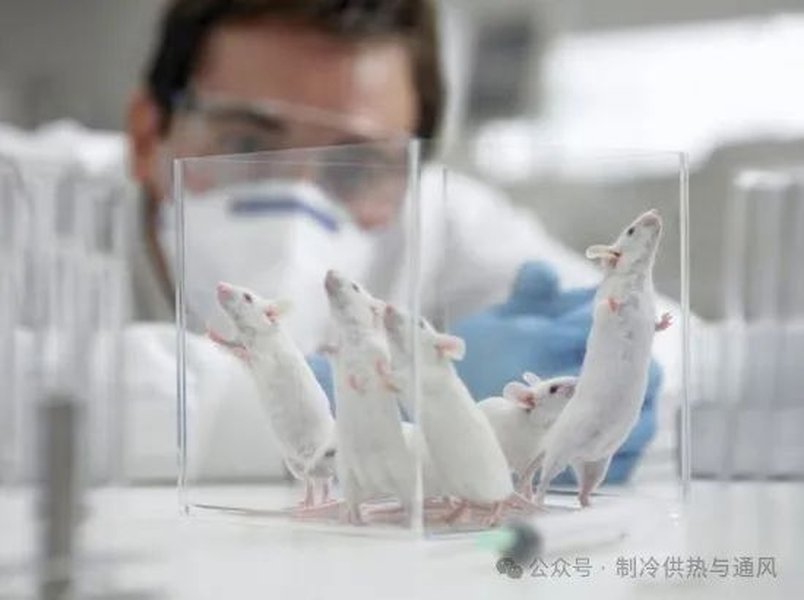
Preclinical studies often involve animal models to test regenerative therapies.
How does the lab contribute to student training and talent development?
The lab plays a crucial role in education. It established China's first undergraduate tissue engineering course and textbook. It offers Master's and PhD programs, training the next generation of researchers. They also conduct specialized training, such as workshops on 3D printing technology. This commitment ensures a steady flow of skilled professionals into the field.
References
-
中国医科大学智能医学学院组织工程学教研室介绍 - 中国医科大学 (CMU)
- WILEY人物访谈——中国医科大学徐晓倩教授 - Wiley
-
组织工程高端论坛在中国医科大学举办 - 中国医科大学新闻网 (CMU News)
- 杨立群导师信息 - 中国医科大学公共基础学院 (via freekaoyan.com)
- 《中国组织工程研究》2024年度影响力报告发布 - 中国组织工程研究杂志 (CJTER)
-
中国医科大学组织工程高端论坛举办 (News Report via gx211.cn)
Recommended Further Exploration
Last updated April 17, 2025