
Concise Analysis of the Stern Report: Urban Effects
Exploring Threats and Costs in Urban Settings under Climate Change
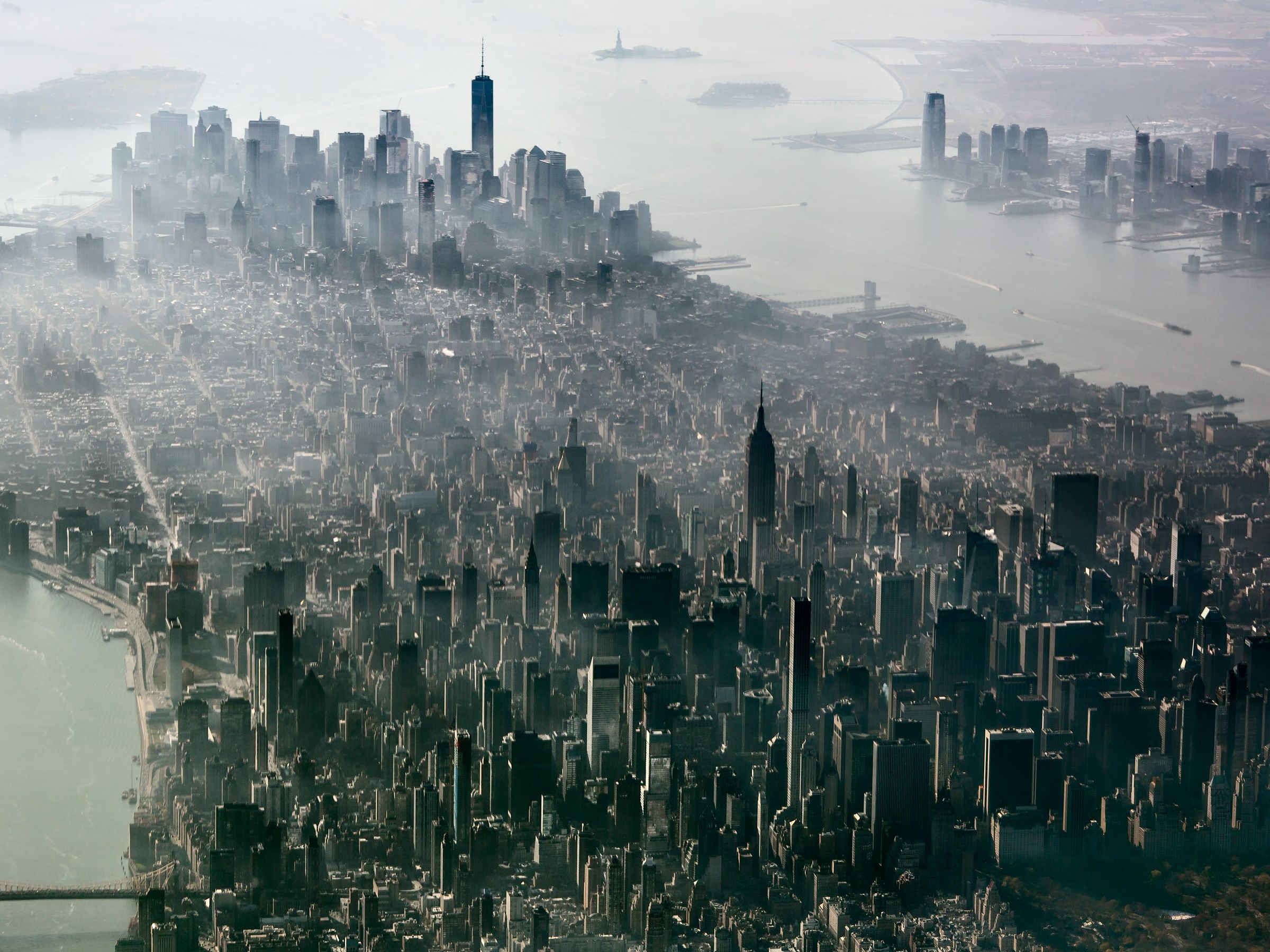
Key Highlights
- Urban Vulnerabilities: Extensive analysis of risks such as flooding, heatwaves, and water scarcity that intensify with urban density.
- Economic Implications: Emphasis on direct and indirect costs that underscore the necessity of early intervention to prevent colossal losses.
- Policy and Infrastructure: Insights into the importance of resilient urban planning and investments in low-carbon technologies as essential mitigation measures.
Introduction
The Stern Report, officially titled "The Economics of Climate Change," released in 2006, provides an in-depth evaluation of the long-term economic impacts of climate change. Although the report focuses on global consequences, its insights are directly applicable to urban areas. As cities increasingly become epicenters of economic, social, and environmental activity, understanding the threats and costs associated with climate change in urban environments becomes crucial. This analysis consolidates multiple perspectives to present a detailed picture of urban vulnerability, the economic implications of climate risks, and the critical role of adaptive urban planning in addressing these issues.
Urban Vulnerabilities and Threats
Flooding and Water Scarcity
Cities, due to their concentration of population and infrastructure, are exceptionally susceptible to the adverse effects of climate change. The Stern Report repeatedly underscores that urban areas, particularly those in coastal regions, face severe flooding risks. Rising sea levels and increased precipitation, combined with inefficient drainage and aging infrastructure, contribute to frequent urban flooding. Moreover, water scarcity compounds these issues, as drastic shifts in precipitation patterns and overburdened water resources challenge urban water management systems. Such threats not only pose immediate risks to human life but also jeopardize long-term economic stability.
Heatwaves and the Urban Heat Island Effect
Urban areas often experience significantly higher temperatures than their rural counterparts due to the urban heat island effect. The concentration of buildings, asphalt, and other heat-absorbing materials exacerbates temperature rises, creating a perilous environment during heatwaves. The increased frequency and severity of heatwaves can lead to higher rates of heat-related illnesses and mortality, particularly among vulnerable populations such as the elderly and those with preexisting health conditions. The Stern Report highlights that these temperature extremes magnify public health risks and place additional strain on urban health infrastructures.
Air and Water Pollution
The dynamics of urbanization—including heightened energy consumption, industrial activity, and transportation networks—intensify challenges associated with air and water pollution. The sustained emission of pollutants in dense urban settings exacerbates climate impacts and contributes to deteriorating air quality. In addition, polluted water sources put additional pressure on public health and necessitate more rigorous water treatment and management practices. The cumulative effect of these factors creates an environment where both residents and critical infrastructure are exposed to elevated risk levels.
Economic Costs and Implications
Immediate Financial Outlays and Adaptation Costs
The Stern Report emphasizes that while the upfront costs for mitigating climate change appear substantial, such expenses are significantly lower than the long-term costs associated with unabated climate change. For urban areas, this translates into considerable financial investments dedicated to modernizing infrastructure, retrofitting buildings for resilience, and upgrading stormwater management systems. The report forecasts that adapting urban systems to withstand climatic extremes can require investments ranging in the hundreds of billions. However, failing to implement these measures is likely to result in exponentially greater expenditures over time due to continual repair, emergency responses, and economic losses from disrupted urban functions.
Indirect Costs and Productivity Losses
Beyond the direct financial requirements, indirect costs play a pivotal role in the overall economic burden imposed by climate change on urban centers. The disruption of daily urban functionalities due to climatic events adversely affects productivity and labor markets. Prolonged disruptions can lead to significant economic losses resulting from decreased business continuity, heightened health care needs, and increased insurance claims. The Stern Review warns that over the long term, the indirect costs—including the loss of GDP and reduced work efficiency during extreme weather events—could far exceed the straightforward adaptation expenses.
Global Economic Interdependence and Urban Economics
Urban areas are not isolated; their economies are interwoven into the broader fabric of national and global markets. Thus, the economic disruption in one urban area can have cascading effects, reaching far beyond its geographic or political bounds. The Stern Report articulates that inaction today not only jeopardizes urban ecosystems but could also trigger global economic instability, potentially resulting in losses that account for 5% to 20% of GDP annually. This underscores how critical it is to prioritize early intervention measures that focus on bolstering the resilience of urban centers.
Critical Policy and Adaptive Strategies for Urban Resilience
Urban Planning and Infrastructure Reinforcement
A salient recommendation arising from the Stern Report is the imperative need for forward-thinking urban planning. As urban populations continue to swell, the design and sustainability of city infrastructure become increasingly significant. Initiatives must focus on:
Resilient Infrastructure
Urban planners need to prioritize the development and retrofitting of structures to enhance resilience against flood damage, heat stress, and other climate-related extremes. Investment in stormwater management systems, improved building codes, and green infrastructure (e.g., urban forests and permeable pavements) can dramatically reduce vulnerability. By integrating sustainable practices into urban design, cities can mitigate the potentially crippling economic costs and safeguard public health.
Low-Carbon Technologies and Energy Efficiency
Adoption of low-carbon technologies is highlighted as crucial to transforming urban landscapes into climate-resilient hubs. The Stern Review emphasizes that efficient energy use and adoption of renewable sources can lead to:
- Decreased dependence on fossil fuels
- Enhanced energy security
- Lower emissions, subsequently reducing the severity of urban heat islands
These measures not only curtail the progression of climate change but also drive significant economic benefits, including potential gains in the trillions through the establishment of emerging markets in green technologies.
Carbon Pricing and Environmental Taxes
Another policy solution forwarded by the Stern Report involves instituting environmental taxes and establishing a robust carbon pricing mechanism. By internalizing the external costs of pollution, cities can incentivize industries to adopt more sustainable practices. The revenue generated from such taxes can be reinvested in urban climate resilience projects, supporting infrastructure renewal and promoting technological innovation.
Comprehensive Table of Key Urban Threats and Costs
| Urban Threat/Impact | Description | Associated Costs |
|---|---|---|
| Flooding | Risk from rising sea levels and extreme precipitation events; potential displacement of populations. | High infrastructure repair costs, emergency response expenditures, permanent infrastructure upgrades. |
| Heatwaves | Increased heat intensity due to the urban heat island effect, leading to severe health crises. | Public health expenditures, emergency healthcare services, long-term health management costs. |
| Water Scarcity | Pressure on water resources exacerbated by urban demand and changing climate patterns. | Investment in water desalination, purification and storage, ecosystem restoration projects. |
| Air and Water Pollution | Concentrated pollution from industrial, transportation, and urban processes affecting quality of life. | Costs related to health care, cleaning and preservation of natural resources, monitoring and compliance. |
| Indirect Economic Disruptions | Loss of productivity, business interruptions, and the ripple effects of urban infrastructure failure. | Wider GDP losses; potential for indirect global economic instability, productivity decline. |
Analysis of Findings Based on the Stern Report
Overall, the findings from the Stern Report make it clear that urban regions are at the frontline of climate change impacts. The report’s focus on extensive economic evaluations, coupled with its strategic recommendations for early and sustained climate intervention, provides vital guidance for urban policymakers and city planners. Urban areas not only face the brunt of immediate physical threats such as flooding and heatwaves, but they also must contend with large-scale economic ramifications that ripple through global markets.
The concept of early mitigation underscored throughout the review stresses that the cost of inaction is far greater than the financially manageable expenses of proactive adaptation. By integrating resilient infrastructure, embracing low-carbon technologies, and employing economic incentives like carbon pricing, cities can develop robust systems that protect both human lives and economic assets. The analysis reinforces that successful urban climate strategies depend on harmonizing environmental, economic, and public health objectives.
References
- Stern Review - Wikipedia - Wikipedia
- Economics of Climate Change - LSE Grantham - LSE
- Climate Economists Reflect on Stern Review - Climate Central
- Stern Report Key Points - The Guardian
- Urban Threats - National Geographic
Recommended Queries for Further Exploration
Last updated March 17, 2025