
US Energy Policy and Emergency Actions
Exploring the emergency use of authority to revive closed coal-fired power plants
Highlights
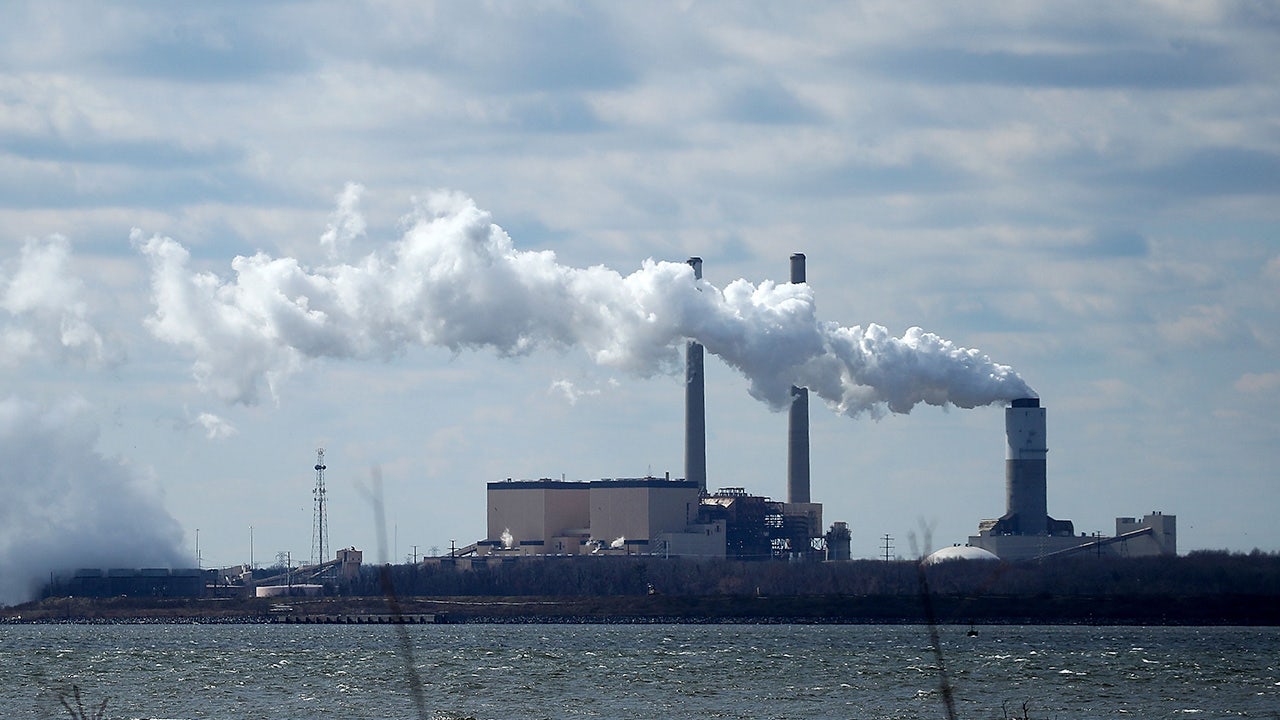
- Emergency Authority Considered: The Administration is evaluating the use of emergency powers to restart closed coal plants and keep operating those still active.
- Energy Security Vs. Environmental Concerns: The measure is grounded in concerns for grid reliability and rising energy demands, countered by warnings about environmental and economic costs.
- Political and Market Dynamics: This decision reflects broader political tensions over energy policy, with references to previous administrations and the current shift towards renewables.
Detailed Analysis of the Proposal
Recent comments by Interior Secretary Doug Burgum on Bloomberg Television have brought renewed attention to U.S. energy policy. The Administration is reportedly considering the use of emergency authority to both resurrect closed coal-fired power plants and halt the closure of operating ones. This measure is presented as a response to growing concerns about energy security and the operational stability of the U.S. power grid.
Context and Policy Rationale
The primary rationale behind reviving coal plants is linked to the Administration’s broader objective of ensuring energy security amid rising demands and potential grid vulnerabilities. Agencies argue that the policies of the previous administration have led to decisions that could jeopardize reliable electricity availability, especially during peak demands. This is especially critical as certain sectors, including emerging technologies such as artificial intelligence and other high-consumption industries, place increased pressure on power infrastructure.
With coal power historically providing a stable and consistent source of energy, proponents believe that reactivating these plants can serve as an immediate solution to ensure uninterrupted energy supply. The policy echoes similar emergency measures seen in previous administrations, notably during President Trump’s term, where similar emergency authorities were invoked to support energy production amidst crisis conditions.
Political and Administrative Considerations
Politically, the proposal reflects a broader energy debate in which short-term energy security is pitted against long-term environmental goals. The current Administration frames the initiative as a necessary reaction to what it sees as the destabilizing effects of previous policies, particularly those that favored rapid shifts towards renewable energy. According to Secretary Burgum, these shifts have left vulnerabilities in the power grid that could lead to energy shortages and increased costs.
Moreover, the proposal aims to bolster domestic energy production, thereby reducing dependence on imports and ensuring that domestic power needs are met regardless of external pressures or market fluctuations. While some state and industry stakeholders see this as a stabilizing measure, others remain skeptical due to the high costs associated with coal power production and the inherent environmental risks.
Economic Implications and Market Dynamics
The decision to potentially revive coal-fired power plants carries immediate and long-term economic implications. In the short term, proponents note that keeping these plants operational could mitigate rising electricity costs caused by supply disruptions and increasing energy demand. The Administration argues that a stable and robust energy supply will support economic growth, particularly in energy-intensive industries.
However, the use of coal as a primary energy source is facing growing competition from both natural gas and renewable energy sources such as solar and wind power. In recent years, the cost-effectiveness of these alternatives has significantly improved, making them more attractive economically and environmentally. Despite a declining share in overall electricity generation, coal still represents a critical fallback option under current circumstances.
The Administration's stance is that during periods of crisis, a diverse energy mix including coal can provide essential reliability. Nevertheless, critics argue that the long-term economic burden associated with coal—considering factors such as environmental remediation and health impacts—could outweigh the short-term benefits of grid stabilization.
Grid Reliability and Consumer Impact
Central to this debate is the fact that a reliable power grid is the backbone of modern society. With increasing integration of renewable energy sources that are sometimes intermittent (e.g., solar and wind), the Administration is concerned about the potential for power outages or reduced capacity during peak usage periods. The emergency authority to revive coal plants is seen as a safeguard against such failures.
By preventing the closure of existing coal facilities and reinstating retired ones, the Administration seeks to shore up the grid during a transitional period. However, it must be acknowledged that coal plants, while reliable, come with significant emissions of carbon dioxide and other pollutants. This represents a trade-off between immediate energy needs and the longer-term goals of reducing greenhouse gas emissions and curbing climate change.
Environmental Considerations and Public Reaction
The environmental angle is one of the most contentious aspects of this proposal. Critics, including environmental advocacy groups like the Sierra Club, have been vocal in their opposition. They argue that coal-fired power generation is not only more expensive but also a major contributor to global warming and local air pollution. These groups warn that renewed reliance on coal could undercut decades of progress in reducing carbon emissions.
Environmental advocates point out that coal is not a forward-looking energy source in the modern era, given the advancements in renewable energy technologies and their declining costs. Moreover, the potential health risks associated with pollutants emitted by coal plants add another layer of concern for communities near these facilities.
Criticism from Environmental Organizations
Organizations that support clean energy have criticized the proposal on several counts:
- Cost Concerns: They argue that coal power is inherently more expensive in the long run when considering both the operational costs and the environmental damage inflicted.
- Pollutant Emissions: Coal plants are known for emitting large amounts of carbon dioxide and other toxic substances, which contribute to poor air quality and climate change.
- Inconsistent Policy Directions: This emergency measure appears to contradict the nation’s broader push toward cleaner forms of energy, which could undermine efforts to transition away from fossil fuels.
The debate reflects the broader challenge of balancing energy security with environmental sustainability. Although coal may provide a short-term solution to prevent grid failures, its long-term environmental costs could be significant. The Administration faces the difficult task of reconciling these competing priorities.
Implications for Long-Term Energy Policy
Reviving coal plants under emergency authority may serve as a stopgap measure, but it also raises questions about the future trajectory of U.S. energy policy. The nation is at a crossroads where immediate energy demands must be managed without completely abandoning the commitment to cleaner energy sources. This situation highlights the inherent tension between traditional energy production methods and the emerging renewable energy sector.
As new technologies and policies continue to evolve, the Administration’s decision could have lasting impacts on the energy market. On one hand, it might provide the necessary reliability for critical infrastructure; on the other, it risks delaying the transition to a more sustainable and economically efficient energy system.
Comparative Overview
| Aspect | Details |
|---|---|
| Policy Proposal | Emergency authority to restart closed coal-fired power plants and prevent further closures. |
| Primary Objective | To ensure energy security and stabilize the power grid amid rising energy demands and potential shortages. |
| Political Rationale | Critique of prior policies that are seen as detrimental to grid reliability; historical precedent of emergency powers used to support energy production. |
| Economic Considerations | Short-term cost savings and grid reliability versus long-term operational costs, environmental remediation, and health impacts. |
| Environmental Impact | Potential increase in carbon emissions and pollutants; opposition from environmental groups advocating for renewable energy. |
| Market Dynamics | Coal faces stiff competition from natural gas and renewables which are increasingly cost-effective and environmentally friendly. |
| Industry Response | Mixed reactions with some utilities reconsidering shutdown plans while others welcome measures for grid stability. |
Broader Implications for US Energy Policy
Short-Term vs. Long-Term Strategy
The current deliberations about reactivating coal-fired power plants underscore the complexity of modern energy policy. In the short term, the primary goal is to protect the grid against immediate disruptions and accommodate a surge in energy demand. This is critical in sectors that require continuous and high-capacity power delivery. The proposed emergency measure intends to bridge a gap between the present infrastructure and the future reality of diversified energy production.
In contrast, long-term strategies have increasingly favored renewable energy sources as a key component of a sustainable and environmentally responsible energy system. This duality emphasizes the challenge policymakers face: they must ensure that emergency measures do not become entrenched policies that delay the necessary transition to cleaner energy sources.
Interagency and Stakeholder Coordination
Successfully implementing such emergency measures requires considerable coordination among federal agencies, state governments, and private utilities. While the Administration’s proposal centers on federal authority, the response from state-level bodies, environmental regulators, and industry stakeholders will play a crucial role in shaping policy outcomes.
There is also a need to integrate technological investments in grid modernization with the temporary reliance on traditional energy sources like coal. This includes enhancing grid resilience through advanced infrastructure and leveraging backup systems that can accommodate fluctuations in renewable energy output. Such multi-pronged strategies could help mitigate the environmental risks while preserving energy security.
References
- US Considers Emergency Powers to Restart Closed Coal Plants - Bloomberg
- Doug Burgum Wants to Bring Back Expensive, Deadly Coal Plants - Sierra Club
- US should restart shuttered coal units - MSN
- Emergency powers to restart coal plants? - Power Engineering
- US considers emergency powers to restart closed coal-fired plants - Yahoo Finance
Recommended Related Queries
Last updated March 19, 2025