
Ill Without Insurance in the USA? Navigating Your Path to Therapy
Understanding insurance enrollment rules and finding affordable mental health support when you need it most.
Facing illness without health insurance in the United States can feel overwhelming, especially when you also need mental health support like therapy. While the system has specific rules about when you can enroll in insurance, there are pathways to getting coverage and accessing care, even if you're currently sick. This guide provides detailed information as of April 28, 2025.
Essential Insights
- Enrollment Timing is Key: Generally, you can only sign up for Affordable Care Act (ACA) Marketplace health insurance during the annual Open Enrollment Period (OEP) or if you qualify for a Special Enrollment Period (SEP) due to a specific life event. Being ill does not typically trigger an SEP.
- Pre-Existing Conditions are Covered (Once Enrolled): Thanks to the ACA, insurers cannot deny you coverage or charge you more because of a pre-existing health condition, including mental health issues, if you enroll during a valid enrollment period.
- Affordable Therapy Exists Without Insurance: Even if you can't get insurance immediately, numerous options exist for accessing therapy, including sliding scale fees, community clinics, online platforms, and government programs like Medicaid (if eligible).
Can You Get Health Insurance While Already Ill?
Understanding the rules around health insurance enrollment is crucial when you're uninsured and need care.
The Role of Enrollment Periods
In the U.S., obtaining private health insurance, particularly through the Health Insurance Marketplace established by the Affordable Care Act (ACA), is restricted to specific times.
Open Enrollment Period (OEP)
This is the main time each year when anyone can enroll in or change their Marketplace health insurance plan. For coverage starting in 2025, the OEP typically ran from November 1, 2024, to January 15, 2025. Since that period has closed, you generally cannot enroll in a Marketplace plan now unless you qualify for an SEP.
Special Enrollment Period (SEP)
Outside the OEP, you can only enroll in a Marketplace plan if you experience a "qualifying life event." These events trigger an SEP, usually giving you 60 days to enroll. Common qualifying events include:
- Losing existing health coverage (like job-based insurance or Medicaid)
- Getting married or divorced
- Having a baby or adopting a child
- Moving to a new ZIP code or county
- Changes in income affecting eligibility for subsidies
Importantly, becoming ill is generally *not* considered a qualifying life event that triggers an SEP. This rule prevents individuals from waiting until they are sick to purchase insurance, which helps maintain the stability of the insurance market.
Protection for Pre-Existing Conditions
A major protection under the ACA is that health insurers cannot deny coverage or charge higher premiums based on pre-existing conditions. This includes any illness you had before your coverage started, including mental health conditions. However, this protection applies *only* once you are successfully enrolled during a valid OEP or SEP.
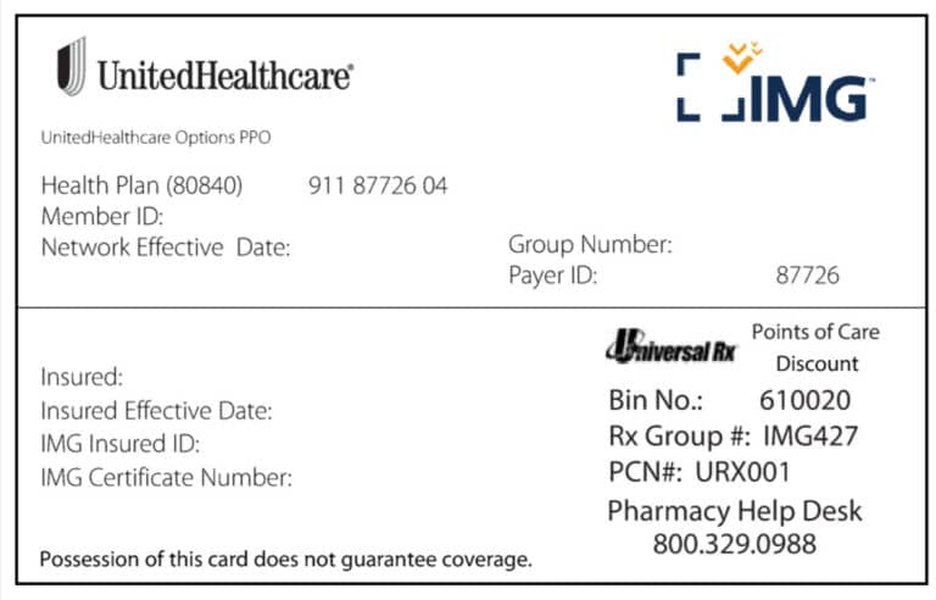
Once enrolled, your insurance card is your key to accessing covered services.
Alternative Insurance Options
Medicaid and CHIP
Medicaid (for low-income adults, families, pregnant women, elderly, and people with disabilities) and the Children's Health Insurance Program (CHIP) offer comprehensive coverage, often including mental health services at little to no cost. Eligibility is primarily based on income and varies by state. Crucially, you can apply for Medicaid and CHIP at *any time* during the year – enrollment is not limited to OEP/SEP. If you qualify, coverage can often start quickly and will cover pre-existing conditions.
Short-Term Health Insurance
These plans offer temporary coverage, often for less than a year. They are available outside of OEP and can seem appealing for immediate needs. However, they are *not* regulated by the ACA. This means they typically do *not* cover essential health benefits (like mental health care or maternity care) and often exclude coverage for pre-existing conditions. They are generally not recommended for comprehensive care or managing ongoing illnesses.
Employer-Sponsored Insurance
If you or a family member gets a new job that offers health insurance, this usually triggers an SEP allowing enrollment outside the OEP. Check with the employer about enrollment timelines and options.
Accessing Therapy: With or Without Insurance
Whether you secure insurance immediately or need to explore alternatives, options for accessing therapy exist.
Therapy With Health Insurance
Once you have an ACA-compliant health insurance plan (Marketplace, Medicaid, Employer-sponsored), it must cover mental health and substance use disorder services as essential health benefits. This generally includes:
- Behavioral health treatment, such as psychotherapy and counseling.
- Inpatient mental and behavioral health services.
- Substance use disorder treatment.
Coverage details, like copayments, deductibles, and provider networks, vary by plan. You'll likely need to see therapists who are "in-network" with your insurance plan to minimize out-of-pocket costs. Financial assistance (premium tax credits and cost-sharing reductions) may be available for Marketplace plans depending on your income, which can significantly lower these costs.
Therapy Without Immediate Insurance Coverage
If you cannot get insurance right away, don't despair. Many resources offer affordable or free therapy:
- Sliding Scale Therapists: Many private therapists adjust their fees based on a client's income. Networks like the Open Path Psychotherapy Collective connect individuals with therapists offering sessions typically between $30-$70.
- Community Mental Health Centers: These centers, often government-funded, provide services on a sliding scale, sometimes for free, regardless of insurance status. Find local options through the SAMHSA Treatment Locator.
- Federally Qualified Health Centers (FQHCs): These community-based clinics provide primary care and often include integrated mental health services, charging based on ability to pay. Find one near you via the HRSA Health Center Finder.
- University Training Clinics: Psychology and counseling programs at universities often run clinics where graduate students provide therapy under supervision at reduced rates.
- Online Therapy Platforms: Services like Talkspace, BetterHelp, or Cerebral offer subscription-based therapy, sometimes with financial aid options. Costs can vary but may be lower than traditional therapy without insurance.
- Non-Profit Organizations: Groups like the National Alliance on Mental Illness (NAMI) or Mental Health America (MHA) often provide support groups and resources for finding low-cost care.
- Employee Assistance Programs (EAPs): If employed, check if your workplace offers an EAP. These programs often provide a limited number of free counseling sessions.
- Group Therapy: Participating in group therapy sessions is often significantly less expensive than individual therapy.

Community clinics often provide accessible healthcare services, including therapy.
Visualizing Your Options: Pathways to Care
Navigating the US healthcare system can be complex. This mindmap illustrates the primary routes to obtaining insurance and accessing therapy based on your situation.
Currently Closed (Apr 2025)"] id1b["Special Enrollment Period (SEP)"] id1b1["Requires Qualifying Life Event
(Job loss, marriage, move, etc.)"] id1b2["Being ill is NOT a qualifier"] id1c["Medicaid / CHIP"] id1c1["Income-based eligibility"] id1c2["Apply anytime"] id1c3["Covers pre-existing conditions"] id1d["Short-Term Plans"] id1d1["Limited coverage"] id1d2["Often exclude pre-existing conditions"] id2["How to Access Therapy?"] id2a["With Insurance (Once Enrolled)"] id2a1["Marketplace, Medicaid, Employer plans cover mental health"] id2a2["Check network & costs (copay/deductible)"] id2b["Without Insurance (or While Waiting)"] id2b1["Sliding Scale Therapists (e.g., Open Path)"] id2b2["Community Clinics / FQHCs"] id2b3["SAMHSA Resources"] id2b4["Online Therapy Platforms"] id2b5["University Clinics"] id2b6["Support Groups / Group Therapy"] id2b7["EAPs (if employed)"] id2b8["Non-Profits (NAMI, MHA)"]
This map highlights that while getting *immediate* Marketplace insurance might be difficult without an SEP, Medicaid offers a year-round option if you qualify, and numerous alternative pathways exist to access therapy affordably even without insurance.
Comparing Healthcare Access Options
Different routes to healthcare and therapy offer varying levels of accessibility, cost-effectiveness, and comprehensiveness. This chart provides a comparative overview based on common factors:
This chart illustrates (on a scale of 1-10, where 10 is best/easiest) that while Marketplace plans offer comprehensive coverage once enrolled, accessing them immediately can be difficult. Medicaid scores highly on accessibility and affordability for eligible individuals. Options like sliding scale therapy and community clinics provide crucial access points, especially regarding ease of starting therapy and affordability, even if the scope of care might be narrower than comprehensive insurance.
Understanding Insurance and Therapy Access Routes
The following table summarizes key aspects of the different pathways discussed:
| Option | Enrollment Window | Pre-Existing Condition Coverage | Mental Health Therapy Coverage | Typical Cost Structure |
|---|---|---|---|---|
| Marketplace Plan (ACA) | OEP or SEP Only | Yes | Yes (Essential Benefit) | Premiums (subsidies available), Deductibles, Copays |
| Medicaid / CHIP | Year-Round | Yes | Yes (Comprehensive) | Free or Very Low Cost |
| Short-Term Plan | Year-Round (Generally) | Often No | Often No / Limited | Lower Premiums, High Out-of-Pocket, Limited Benefits |
| Sliding Scale Therapy | N/A (Direct Service) | N/A (Direct Service) | Yes (Service Provided) | Per Session Fee Based on Income (e.g., $30-$70+) |
| Community Clinic / FQHC | N/A (Direct Service) | Yes (Care Provided) | Often Yes (Integrated Care) | Sliding Scale Fee Based on Income, Sometimes Free |
| Online Therapy Platforms | N/A (Direct Service) | N/A (Direct Service) | Yes (Service Provided) | Subscription or Per Session Fee (Variable, Aid may exist) |
This comparison highlights the trade-offs: ACA-compliant plans offer robust coverage but have enrollment restrictions, Medicaid is excellent if eligible, short-term plans are risky, and direct therapy services provide access outside the insurance system but focus specifically on therapy.
Navigating the Health Insurance Marketplace
Understanding how to find and enroll in insurance via the Health Insurance Marketplace is a key step for many. This video from Triage Cancer provides a helpful overview of navigating the Marketplace, which is relevant whether you're enrolling during Open Enrollment or trying to determine if you qualify for a Special Enrollment Period.
The video explains concepts like metal tiers (Bronze, Silver, Gold, Platinum), subsidies (premium tax credits and cost-sharing reductions), and how to compare plans based on premiums, deductibles, and provider networks. While it focuses broadly on the Marketplace, the principles apply to anyone needing to understand the system to secure coverage, especially when dealing with health concerns and the need for specific services like therapy.
Frequently Asked Questions (FAQ)
What happens if I missed Open Enrollment and don't have a qualifying life event for an SEP?
If you missed OEP and don't qualify for an SEP, you generally cannot enroll in an ACA-compliant Marketplace plan until the next OEP begins (usually November 1st). Your options are limited:
- Check Medicaid/CHIP eligibility: You can apply anytime.
- Consider short-term health insurance cautiously, understanding its limitations (especially regarding pre-existing conditions and mental health).
- Utilize free or low-cost clinics and therapy resources mentioned above (sliding scale, community centers).
Does getting sick or diagnosed with an illness count as a qualifying life event for an SEP?
No, unfortunately, becoming ill or receiving a diagnosis does not, by itself, qualify you for a Special Enrollment Period for Marketplace insurance. SEPs are typically tied to changes in your existing coverage, household size, or residence.
How much does therapy typically cost without insurance?
The cost varies widely by location and therapist, but standard rates can range from $100 to $200+ per session. However, affordable options significantly reduce this cost:
- Sliding scale therapists: Often $30-$70 per session (e.g., Open Path Collective).
- Community clinics: May offer services for free or a very low fee based on income.
- Online platforms: Can range from $60-$100 per week for subscription plans.
How quickly can I get coverage if I qualify for Medicaid?
Processing times vary by state, but eligibility determination for Medicaid can take up to 45 days (or 90 days if based on disability). However, in many cases, coverage can begin much sooner, sometimes retroactively to the date of application or even earlier in certain situations. It's best to apply as soon as possible if you believe you might be eligible.
Recommended
- How can I find out if I qualify for Medicaid in my state?
- What are the differences between short-term health insurance and ACA Marketplace plans?
- Where can I find a list of community mental health clinics near me?
- How do sliding scale fees for therapy work?
References
Last updated April 28, 2025