
Unlock Hidden Profits: How Value Chain Optimization Drives Business Success
A deep dive into enhancing efficiency and profitability through strategic value chain analysis, featuring Mukwano Industries.
Key Optimization Insights
- Strategic Analysis: Value Chain Analysis (VCA) involves dissecting business activities to pinpoint inefficiencies and opportunities for improvement across primary and support functions.
- Efficiency & Profitability Focus: Optimization aims to streamline processes, reduce costs, enhance product/service differentiation, and improve resource allocation, directly boosting the bottom line.
- Holistic Approach: Effective optimization requires integrating strategies like technology adoption, supplier collaboration, sustainability, customer focus, and continuous improvement throughout the entire value chain.
Understanding Value Chain Analysis (VCA)
The Foundation for Strategic Optimization
Value Chain Analysis (VCA), a concept popularized by Michael Porter, is a strategic tool used by businesses to examine all the activities they perform and how they interact. The goal is to identify sources of competitive advantage by analyzing how value is created at each step. Activities are typically broken down into two categories:

Visualizing the flow: Supply chain management is a critical component of the overall value chain.
- Primary Activities: These are directly involved in the creation, sale, maintenance, and support of a product or service. They include:
- Inbound Logistics: Receiving, storing, and distributing inputs.
- Operations: Transforming inputs into the final product.
- Outbound Logistics: Collecting, storing, and distributing the product to buyers.
- Marketing and Sales: Inducing buyers to purchase the product and enabling them to do so.
- Service: Enhancing or maintaining the product's value after sale.
- Support Activities: These activities support the primary functions. They include:
- Procurement: Purchasing inputs used in the value chain.
- Human Resource Management: Recruiting, hiring, training, and compensating personnel.
- Technology Development: Improving the product and processes (R&D, process automation).
- Infrastructure: General management, planning, finance, accounting, legal, and quality management.
By systematically analyzing these activities, a company like Mukwano Industries can identify opportunities to optimize processes, reduce costs, and enhance the value delivered to customers, thereby improving overall efficiency and profitability.
13 Strategies for Value Chain Optimization: Insights from Mukwano Industries
Enhancing Efficiency and Driving Profitability
Optimizing the value chain is not a one-off task but a continuous effort involving strategic analysis and targeted improvements. Below are 13 ways businesses can enhance their value chain, drawing insights from research involving Mukwano Industries (U) Ltd, a prominent Ugandan manufacturer.
1. Conduct Comprehensive Value Chain Mapping
The first step is to meticulously map out all primary and support activities specific to the business. This involves identifying inputs, processes, outputs, and the costs associated with each stage. This detailed understanding reveals bottlenecks, redundancies, and high-cost areas ripe for optimization. For Mukwano, this means analyzing everything from sourcing raw materials for soaps and oils to final product distribution.
2. Streamline Processes and Eliminate Waste (Lean Principles)
Identify and eliminate non-value-adding activities – actions that consume resources but don't enhance the product or customer experience. Implementing Lean methodologies focuses on reducing waste (e.g., overproduction, waiting time, unnecessary transport, excess inventory, defects). Research suggests Mukwano Industries could benefit from lean thinking to minimize waste and improve efficiency, potentially mirroring findings on cost management through stock control (Kibirige, 2023).

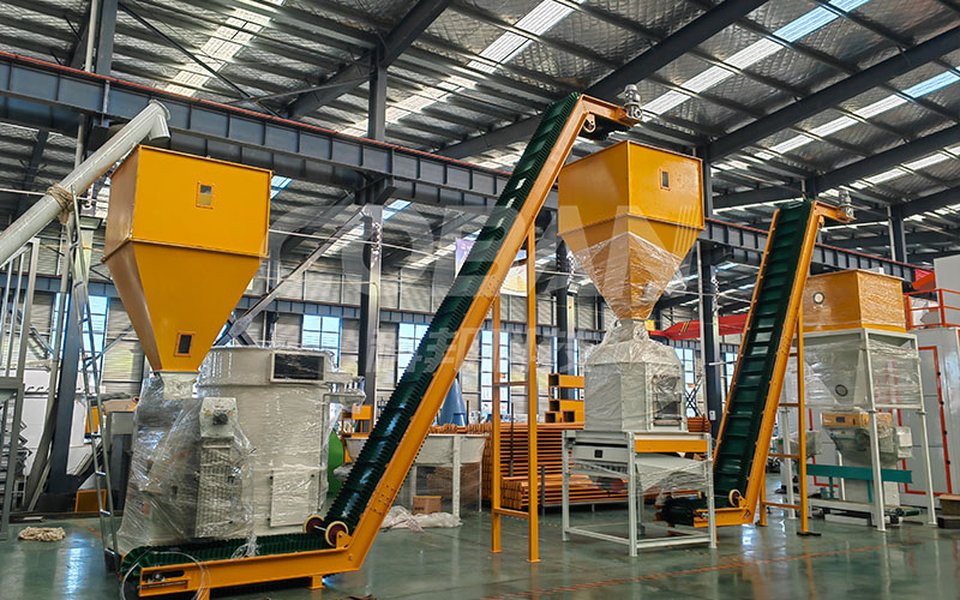
Optimizing operations: A typical production line, similar to those potentially used or optimizable by Mukwano Industries for various products.
3. Enhance Supplier Collaboration and Involvement
Strong relationships with suppliers are crucial. Engaging suppliers early in product development or process improvement initiatives can lead to better input quality, cost savings, and innovation. Studies specifically on Mukwano Industries highlight that supplier involvement positively impacts organizational performance by streamlining procurement and ensuring a reliable supply of quality raw materials (Opira, 2023).
4. Optimize Supply Chain and Logistics Management
Efficiently managing the flow of goods from suppliers to customers is vital. This includes optimizing warehousing, transportation, and inventory management. Refining distribution strategies improves market positioning and decision-making regarding pricing and stock levels. For Mukwano, ensuring timely delivery across Uganda and potentially export markets requires robust logistics optimization.
5. Leverage Technology and Digitalization
Investing in technology like ERP systems, automation (Industry 4.0), AI-driven analytics, and digital platforms can significantly enhance efficiency. Digitalization allows for better data collection and analysis across the value chain, enabling informed decision-making, predictive maintenance, and process automation. This can help maximize profits and potentially reduce emissions, areas relevant to manufacturers like Mukwano.
6. Implement Data-Driven Decision Making
Utilizing historical and real-time data on costs, throughput, quality, and customer feedback allows businesses to make more objective and effective decisions. Value chain optimization software can help model scenarios and evaluate trade-offs between competing variables (e.g., cost vs. speed vs. quality). Mukwano's research on stock controls underscores the value of data in managing costs effectively (Kibirige, 2023).
7. Focus on Cost Leadership or Differentiation
Businesses can optimize by pursuing one of Porter's generic strategies. Cost leadership involves driving down costs across the value chain to offer competitive prices. Differentiation focuses on creating unique value (e.g., superior quality, innovative features, exceptional service) that commands a premium price. Mukwano needs to strategically decide whether to primarily compete on cost or differentiate its brands in the market.
8. Adopt Sustainable and Ethical Practices
Integrating sustainability into the value chain is increasingly important. This includes sustainable sourcing, reducing environmental footprint (e.g., energy efficiency, waste reduction), ethical labor practices, and responsible waste management. Studies on Mukwano Industries specifically address the impact of sustainable practices, sustainable procurement, and wastewater management, highlighting their relevance for environmental protection, regulatory compliance, and brand image (Nakakawa, 2023; Kaggwa, 2023; UCU Scholar research on sustainable procurement).
9. Optimize Procurement and Sourcing
Strategic procurement goes beyond just finding the lowest price. It involves building relationships with reliable suppliers, negotiating favorable terms, ensuring quality inputs, and considering total cost of ownership. Sustainable procurement, as studied at Mukwano, integrates environmental and social criteria, potentially improving customer satisfaction and protecting ecosystems.
10. Enhance Customer Focus and Service
Understanding and responding to customer needs is paramount. Gathering customer feedback through surveys, reviews, and direct interaction helps tailor products, marketing, and after-sales service. Optimizing the service component of the value chain can build loyalty and create a competitive edge. Research linking customer satisfaction to supplier management at Mukwano suggests the interconnectedness of value chain activities (Ssemata, 2023).
Quality control: Ensuring product quality through testing is a key part of the operations activity in the value chain.
11. Foster Internal Collaboration and Alignment
Breaking down silos between departments (e.g., procurement, operations, marketing, finance) is crucial. Value chain optimization requires cross-functional teams working together towards common goals, ensuring alignment with the overall business strategy. Improved collaboration can reduce internal friction and speed up decision-making.
12. Monitor Performance and Drive Continuous Improvement
Optimization is an ongoing process. Regularly monitoring key performance indicators (KPIs) across the value chain allows businesses to track progress, identify deviations, and uncover new opportunities for improvement. Fostering a culture where employees are encouraged to suggest improvements ensures long-term adaptability and sustained efficiency gains.
13. Explore Strategic Partnerships and Outsourcing
Businesses can optimize by focusing on their core competencies and strategically outsourcing non-core activities (e.g., logistics, IT, contract manufacturing). This can reduce costs, provide access to specialized expertise, and increase flexibility. Mukwano could evaluate which activities might be more efficiently handled by external partners.
Visualizing Optimization Potential: A Comparative Analysis
Impact vs. Implementation Ease for Key Strategies
Optimizing a value chain involves balancing the potential impact of different strategies against the resources and effort required to implement them. The radar chart below offers a conceptual visualization of how various optimization strategies might compare for a manufacturing company like Mukwano Industries, assessing their potential impact on efficiency and profitability versus their perceived implementation complexity. Note that these values are illustrative estimations for discussion purposes.
This chart suggests that while strategies like technology adoption might offer high impact, they also come with higher implementation complexity. Conversely, enhancing supplier collaboration or customer service might be relatively less complex to implement while still offering significant benefits. Businesses must weigh these factors based on their specific context, resources, and strategic priorities.
Mapping the Value Chain Optimization Landscape
A Mindmap Overview
To better visualize the interconnected elements of value chain optimization, the following mindmap outlines the key areas and strategies discussed. It provides a hierarchical view, starting from the core concept and branching out into primary activities, support activities, and overarching optimization strategies.
(Supplier Mgmt, Receiving)"] Operations["Operations
(Production, Assembly, QC)"] OutboundLogistics["Outbound Logistics
(Warehousing, Distribution)"] MarketingSales["Marketing & Sales
(Branding, Pricing, Channels)"] Service["Service
(Support, Repairs, Feedback)"] SupportActivities["Support Activities"] Procurement["Procurement
(Sourcing, Negotiation)"] HRM["Human Resource Management
(Recruitment, Training)"] TechDev["Technology Development
(R&D, Automation, IT)"] Infrastructure["Infrastructure
(Management, Finance, Legal)"] KeyStrategies["Key Optimization Strategies"] CostReduction["Cost Reduction
(Lean, Efficiency)"] Differentiation["Differentiation
(Quality, Innovation)"] Collaboration["Collaboration
(Suppliers, Internal Teams)"] DataAnalytics["Data & Analytics
(KPIs, Forecasting)"] Sustainability["Sustainability
(Eco-Friendly, Ethical)"] CustomerFocus["Customer Focus
(Feedback, Service)"] Digitalization["Digitalization
(Automation, Platforms)"] ContinuousImprovement["Continuous Improvement
(Culture, Audits)"]
This mindmap serves as a quick reference, illustrating how various facets of a business contribute to the overall value chain and where optimization efforts can be targeted. Effective optimization often involves addressing multiple nodes simultaneously.
Summary Table: Optimization Strategies and Potential Benefits
Applying Strategies to Mukwano Industries
The table below summarizes the 13 optimization strategies discussed, highlighting their focus area and potential benefits, particularly in the context of a company like Mukwano Industries.
| Optimization Strategy | Focus Area | Potential Benefit for Mukwano Industries |
|---|---|---|
| 1. Comprehensive VCA Mapping | Analysis & Diagnostics | Identify specific bottlenecks and cost drivers in production and distribution. |
| 2. Streamline Processes (Lean) | Operations Efficiency | Reduce manufacturing waste, shorten production cycles, lower operational costs. |
| 3. Enhance Supplier Collaboration | Inbound Logistics & Procurement | Improved raw material quality, stable supply, potential cost savings, innovation (Opira, 2023). |
| 4. Optimize Supply Chain & Logistics | Outbound Logistics | Faster delivery times, reduced transportation costs, improved inventory management. |
| 5. Leverage Technology & Digitalization | Multiple Activities (esp. Ops, Tech Dev) | Increased automation, better process control, enhanced data analysis capabilities. |
| 6. Implement Data-Driven Decisions | Infrastructure & Management | More accurate forecasting, better resource allocation, optimized pricing (Kibirige, 2023). |
| 7. Focus on Cost Leadership/Differentiation | Overall Strategy | Achieve competitive advantage through lower prices or unique product value. |
| 8. Adopt Sustainable Practices | Multiple Activities (esp. Ops, Procurement) | Reduced environmental impact, enhanced brand reputation, compliance, potential cost savings (Nakakawa, 2023; Kaggwa, 2023). |
| 9. Optimize Procurement | Procurement | Lower input costs, ensure material quality, build resilient supply base (UCU Scholar research). |
| 10. Enhance Customer Focus & Service | Marketing & Sales, Service | Increased customer loyalty, better product-market fit, higher sales conversion (Ssemata, 2023). |
| 11. Foster Internal Collaboration | Infrastructure & HRM | Smoother workflows, faster decision-making, improved alignment across departments. |
| 12. Monitor Performance & Continuous Improvement | Infrastructure & Management | Sustained efficiency gains, adaptability to market changes, ongoing cost reduction. |
| 13. Explore Strategic Partnerships/Outsourcing | Multiple Activities | Reduced fixed costs, access to expertise, increased focus on core competencies. |
Porter's Value Chain Explained
Understanding the Framework
To gain a deeper understanding of the foundational concepts behind Value Chain Analysis, this video provides a clear explanation of Michael Porter's framework. It details the primary and support activities and discusses how analyzing them helps businesses identify sources of competitive advantage, which is essential for effective optimization.
Frequently Asked Questions (FAQ)
What is Value Chain Analysis (VCA)? ▼
Value Chain Analysis (VCA) is a strategic business management tool developed by Michael Porter. It involves breaking down a company's operations into distinct activities (like design, production, marketing, distribution, and support) to understand where value is created. By analyzing the costs and value added at each step, businesses can identify inefficiencies, reduce expenses, and find ways to create more value for customers, ultimately improving their competitive advantage and profitability.
Why is VCA important for profitability? ▼
VCA is crucial for profitability because it provides a detailed view of how a company operates and spends money. By identifying which activities add the most value and which are inefficient or costly, businesses can make targeted improvements. This could involve streamlining processes to cut costs, enhancing high-value activities to justify premium pricing (differentiation), or optimizing resource allocation. Ultimately, VCA helps businesses make smarter strategic decisions that directly lead to increased profit margins.
How does optimizing supplier relationships benefit Mukwano Industries? ▼
Optimizing supplier relationships is particularly beneficial for a manufacturing company like Mukwano Industries. As highlighted in research (Opira, 2023), strong supplier involvement leads to better organizational performance. Benefits include: securing a reliable supply of quality raw materials (like oils, fats, chemicals), potentially negotiating better prices or payment terms, reducing lead times, gaining access to supplier innovations, and improving overall supply chain resilience. Collaborative relationships foster trust and efficiency, reducing risks and costs associated with procurement and inbound logistics.
What role does technology play in modern value chain optimization? ▼
Technology plays a transformative role. Digital tools like Enterprise Resource Planning (ERP) systems integrate data across departments, providing visibility. Automation in manufacturing (robotics, IoT sensors) boosts efficiency and quality. Data analytics and AI help optimize logistics, forecast demand, personalize marketing, and identify improvement opportunities. Cloud computing enhances collaboration and data accessibility. Essentially, technology enables greater speed, precision, cost reduction, and data-driven decision-making throughout the entire value chain.
Are sustainable practices costly or profitable in the long run? ▼
While implementing sustainable practices might involve initial investment, they often lead to long-term profitability. Benefits include:
- Cost Savings: Energy efficiency, waste reduction, and water conservation directly lower operational costs.
- Brand Enhancement: Attracts environmentally and socially conscious consumers and investors, improving brand image and loyalty.
- Risk Mitigation: Reduces risks associated with resource scarcity, stricter environmental regulations, and negative publicity.
- Innovation: Drives innovation in product design, processes, and business models.
- Employee Morale: Can improve employee attraction, retention, and productivity.
References
Supporting Research and Insights
- Effect of Supplier Involvement on Organizational Performance in Mukwano Industries - Kampala International University Repository
- Impact of Sustainable Practices on Reducing Environmental Footprint in Supply Chains: A Case Study of Mukwano Industries - Uganda Christian University Scholar
- Impact of Industrial Waste water Management on Water Quality: A Case Study of Mukwano Industries - ResearchGate
- Assessing of the Impact of Stock Controls on Management of Costs in Organizations: a Case Study of Mukwano Group of Companies - ResearchGate
- Value Chain Optimization - AspenTech
- Value Chain: Definition, How It Works, Example, and Vs. Supply Chain - Investopedia
-
Value Chain Optimization and Innovation - Deloitte US
- Value Chain: Optimizing the Value Chain: A Comprehensive Guide with the Porter Diamond - FasterCapital
Recommended Queries
Explore Further Insights

Last updated April 14, 2025