
The Impact of Velocity on Chlorophyll-a Concentrations
Understanding How Water and Wind Speeds Influence Phytoplankton Dynamics
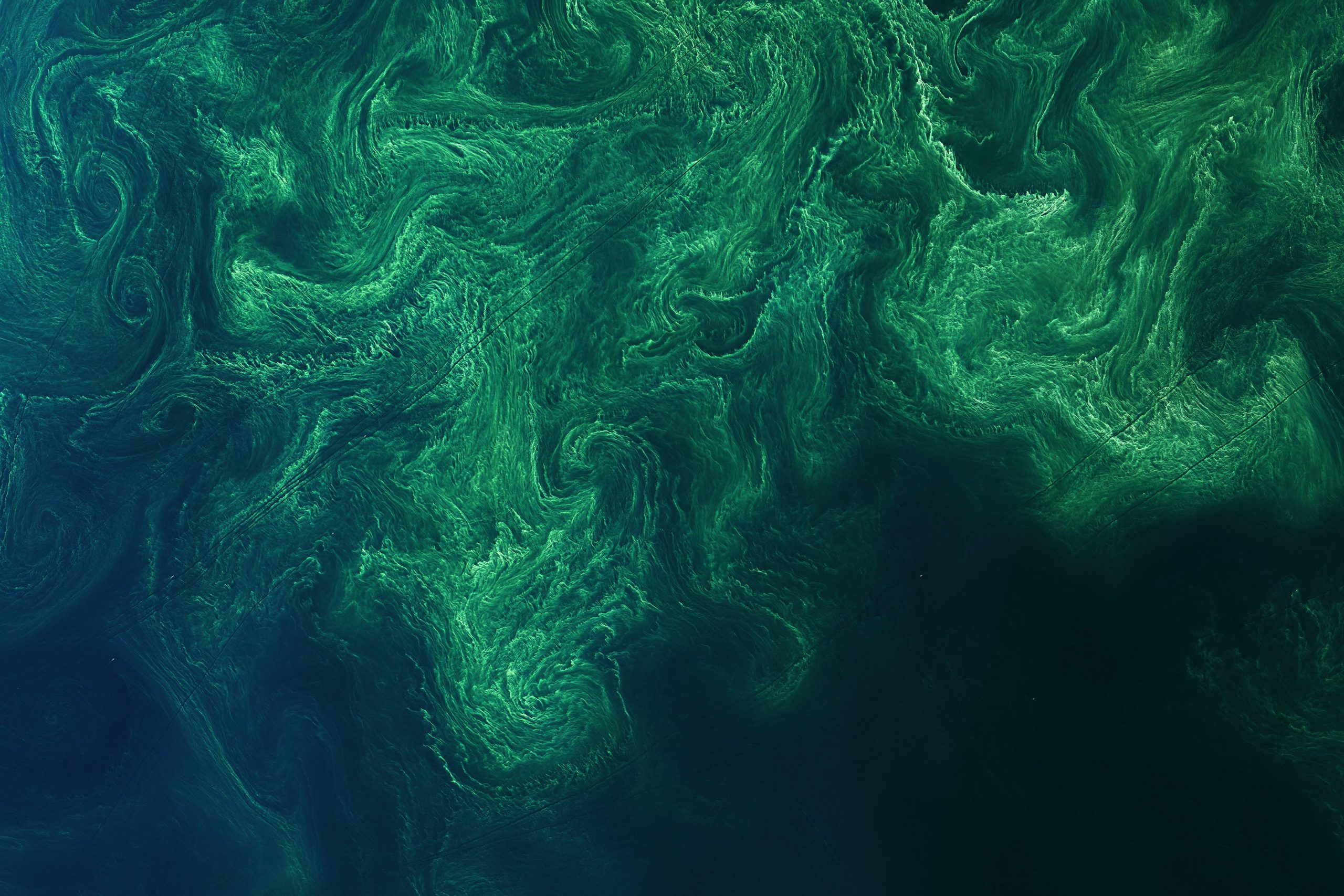
Key Takeaways
- Flow velocity significantly affects Chl-a distribution and concentration in aquatic environments.
- High wind speeds can disperse phytoplankton blooms, reducing localized Chl-a levels.
- Oceanic currents and storm events play a crucial role in nutrient distribution and phytoplankton growth.
Introduction
Chlorophyll-a (Chl-a) is a vital pigment found in phytoplankton, serving as a primary indicator of phytoplankton biomass and, by extension, the health of aquatic ecosystems. Understanding the factors that influence Chl-a concentrations is crucial for environmental monitoring, marine biology, and ecological studies. One such factor is velocity, encompassing both water flow and wind speed, which plays a pivotal role in shaping the distribution and abundance of phytoplankton. This comprehensive analysis delves into the multifaceted ways in which velocity impacts Chl-a concentrations, drawing upon recent research and established scientific principles.
Mechanisms of Velocity Impact on Chlorophyll-a
Flow Velocity in Aquatic Environments
Flow velocity refers to the speed at which water moves within an aquatic system. Variations in flow velocity can have profound effects on Chl-a concentrations through several mechanisms:
Dilution and Dispersion of Phytoplankton
In environments with high flow velocities, the physical movement of water can lead to the dilution and dispersion of phytoplankton cells. This results in lower concentrations of Chl-a in specific areas. For example, studies have shown that flowing water enclosures exhibit Chl-a concentrations that are 20.3% to 37.5% lower than those in still water enclosures. The increased movement disrupts phytoplankton aggregations, making it harder for blooms to form and persist.
Nutrient Redistribution
Flowing water enhances the mixing of water layers, which can redistribute essential nutrients throughout the ecosystem. While this can sometimes promote phytoplankton growth by making nutrients more accessible, it can also prevent the accumulation of nutrients in specific areas, thereby limiting localized phytoplankton blooms. The balance between nutrient availability and dispersion is critical in determining Chl-a levels.
Physical Stress on Phytoplankton
High water velocities can exert physical stress on phytoplankton cells, potentially impeding their growth and reproduction. Turbulence associated with higher flow speeds can lead to cell damage or increased metabolic costs, reducing overall phytoplankton biomass and, consequently, Chl-a concentrations.
Wind Velocity and Surface Chl-a Distribution
Wind velocity, particularly in surface waters, plays a crucial role in shaping the distribution and concentration of Chl-a through several pathways:
Mixing and Turbulence
Stronger winds generate increased mixing and turbulence in surface waters. This process disperses phytoplankton blooms, leading to a reduction in localized Chl-a concentrations. For instance, wind speeds exceeding 3 m/s have been associated with decreased areas of high Chl-a concentration due to the enhanced mixing of water masses.
Upwelling and Nutrient Supply
Wind-driven upwelling brings nutrient-rich deeper waters to the surface, potentially boosting phytoplankton growth and Chl-a concentrations in certain regions. However, the overall impact depends on the balance between nutrient supply and phytoplankton's ability to utilize these nutrients effectively in turbulent conditions.
Impact of Storm Events
Storms, characterized by exceptionally high wind speeds, can cause dramatic changes in Chl-a concentrations. During storm events, the intense mixing can lead to sharp decreases in Chl-a levels (up to 96-99%) by dispersing phytoplankton. Conversely, post-storm conditions may favor phytoplankton resurgence due to the influx of nutrients and the subsequent stabilization of water conditions.
Oceanic Currents and Chl-a Variability
Large-scale oceanic currents and eddies influence Chl-a concentrations by affecting nutrient distribution and water column stability:
Cyclonic Eddies and Upwelling
Cyclonic eddies, which rotate counterclockwise in the Northern Hemisphere and clockwise in the Southern Hemisphere, can elevate nutrient-rich waters into the euphotic zone. This upwelling fosters phytoplankton growth, leading to localized increases in Chl-a concentrations. The spatial and temporal patterns of such eddies are critical in determining the distribution of phytoplankton blooms.
Barrier and Coastal Currents
Coastal and barrier currents can create dynamic environments where Chl-a concentrations fluctuate based on the interaction between incoming and outgoing water masses. These currents can transport phytoplankton and nutrients over large distances, influencing regional Chl-a patterns and the potential for bloom formation.
Interaction with Environmental Factors
Velocity does not act in isolation but interacts with various environmental factors to influence Chl-a concentrations:
Temperature
Water temperature affects metabolic rates of phytoplankton. Combined with flow velocity, temperature gradients can influence nutrient cycling and phytoplankton growth dynamics, thereby affecting Chl-a levels.
Light Availability
Light penetration in water is critical for photosynthesis. High turbidity caused by increased velocity can reduce light availability, limiting phytoplankton growth and reducing Chl-a concentrations.
Salinity
Salinity variations, influenced by freshwater inflows and evaporation rates, can interact with flow velocity to impact phytoplankton communities. Certain phytoplankton species are more tolerant to salinity changes, affecting overall Chl-a distribution.
Quantitative Analysis of Velocity Impact on Chlorophyll-a
To objectively assess the impact of velocity on Chl-a concentrations, it is essential to analyze empirical data from various studies. Below is a summarized table presenting key findings from recent research:
| Study | Environment | Flow/Wind Velocity | Chl-a Impact | Key Observations |
|---|---|---|---|---|
| Study 1 | Flowing vs. Still Water Enclosures | Flowing: High; Still: Low | 20.3% - 37.5% decrease in Chl-a in flowing enclosures | Increased flow dilutes phytoplankton concentrations |
| Study 2 | Surface Waters under Varying Wind Speeds | Wind > 3 m/s | Decrease in localized Chl-a areas | Wind-induced mixing disperses phytoplankton blooms |
| Study 3 | Cyclonic Eddies in Oceanic Zones | Variable; cyclonic | Increased Chl-a due to nutrient upwelling | Enhanced nutrient availability promotes phytoplankton growth |
| Study 4 | Storm Events in Marine Environments | Extreme wind speeds during storms | 96-99% reduction in Chl-a during storms | Intense mixing leads to phytoplankton dispersion |
Case Studies and Observations
Algal Blooms in Low Flow Velocity Areas
Algal blooms are often observed in areas characterized by low flow velocities, extended hydraulic retention times, and limited self-cleaning capabilities. These conditions create an environment conducive to phytoplankton aggregation and sustained growth, leading to elevated Chl-a concentrations. Such blooms can have both positive and negative ecological impacts, including enhanced primary productivity and potential hypoxic conditions due to decomposition.
Impact of Tropical Storms on Chl-a Dynamics
Tropical storms bring about significant alterations in water flow and nutrient dynamics. The high wind speeds associated with storms induce substantial mixing, which can drastically reduce Chl-a concentrations by dispersing phytoplankton aggregates. Post-storm conditions may see a resurgence of phytoplankton as nutrient-rich waters become available again, setting the stage for subsequent blooms.
Role of Seasonal Currents in Phytoplankton Distribution
Seasonal variations in oceanic currents influence the distribution of Chl-a by altering nutrient supply and water column stability. For instance, during certain seasons, cyclonic eddies are more prevalent, leading to increased nutrient upwelling and higher Chl-a concentrations. Conversely, anticyclonic conditions may result in reduced nutrient availability and lower phytoplankton biomass.
Environmental and Ecological Implications
Eutrophication and Hypoxia
Elevated Chl-a concentrations, often resulting from sustained phytoplankton blooms, can lead to eutrophication—a process characterized by excessive nutrient loading in water bodies. When phytoplankton die and decompose, the resulting biochemical oxygen demand can create hypoxic conditions, adversely affecting aquatic life and ecosystem health.
Carbon Sequestration
Phytoplankton play a critical role in the global carbon cycle by sequestering carbon dioxide through photosynthesis. Changes in velocity-induced Chl-a concentrations can influence the efficiency of carbon fixation in marine ecosystems, impacting global carbon budgets and climate regulation.
Biodiversity and Food Webs
Chl-a concentrations are indicative of phytoplankton biomass, which forms the foundation of aquatic food webs. Variations in Chl-a due to velocity changes can ripple through the ecosystem, affecting the abundance and distribution of zooplankton, fish, and higher trophic levels. Maintaining balanced Chl-a levels is essential for sustaining biodiversity and ecosystem resilience.
Mitigation and Management Strategies
Monitoring and Modeling
Continuous monitoring of flow and wind velocities, coupled with Chl-a measurements, is essential for understanding and predicting phytoplankton dynamics. Advanced modeling techniques can integrate velocity data with other environmental parameters to forecast bloom events and assess ecosystem health.
Ecosystem-Based Management
Implementing ecosystem-based management approaches that consider the interplay between physical forces and biological processes can help mitigate the adverse effects of velocity-induced Chl-a fluctuations. Strategies may include habitat restoration, controlling nutrient inputs, and managing water flow to promote ecological balance.
Climate Change Adaptation
As climate change alters wind patterns and ocean currents, adapting management practices to anticipate and respond to these changes is crucial. Enhancing the resilience of marine ecosystems through conservation efforts and adaptive management can help buffer the impacts on Chl-a dynamics and overall ecosystem health.
Conclusion
Velocity, encompassing both water flow and wind speed, is a fundamental driver of chlorophyll-a (Chl-a) concentrations in aquatic ecosystems. High flow velocities and strong winds tend to disperse phytoplankton populations, reducing localized Chl-a levels and inhibiting bloom formation. Conversely, areas with low flow velocities and favorable conditions can experience sustained phytoplankton growth, leading to elevated Chl-a concentrations. Oceanic currents and storm events further complicate these dynamics by influencing nutrient distribution and water column stability. Understanding the intricate relationship between velocity and Chl-a is essential for effective ecosystem management, conservation efforts, and predicting the impacts of environmental changes on marine and freshwater systems.
References
Last updated February 11, 2025