
Exploring the Emotional Landscape of Vietnamese Social Identity
Discover the interplay of tradition, culture, and change in Vietnam.
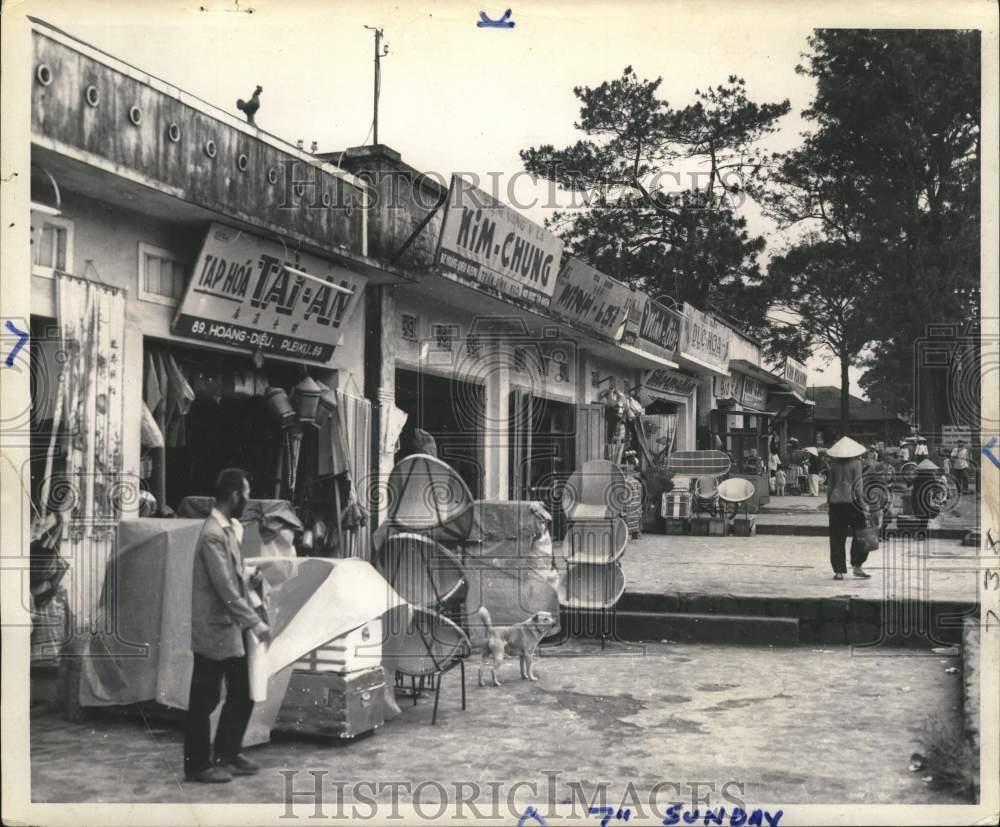
Key Insights
- Deep Roots and Cultural Pride: The process of enculturation fosters a strong sense of belonging and attachment to Vietnam's rich traditions.
- The Duality of Adaptation: Acculturation introduces both challenges and opportunities as residents navigate modern influences while cherishing longstanding customs.
- Emotional Nuances: The balance of nostalgia, conflict, resilience, and pride shapes the lived experience of many residents.
Understanding Social Identity in Vietnam
The social identity of a resident in Vietnam is a complex and multifaceted phenomenon shaped by various cultural, historical, and societal factors. Emotional experiences are at the core of this identity and are deeply intertwined with the processes of enculturation and acculturation. Being a resident in Vietnam often means belonging to a vibrant cultural mosaic that values continuity and tradition while simultaneously engaging with global cultural influences.
Cultural Enculturation
Foundations and Internalization
Enculturation is the process by which individuals learn and internalize the norms, values, beliefs, and behaviors of their native culture. In Vietnam, this process usually begins at birth and is reinforced by family traditions, community practices, religious rituals, and social norms. This early and continuous exposure to Vietnamese customs provides a psychological anchor that instills a deep sense of cultural pride and belonging.
Many residents experience powerful emotions related to enculturation. A notable example is the sense of continuity and stability derived from participating in traditional festivals, ceremonies, and daily cultural rituals. For example, family gatherings during Tet (the Vietnamese Lunar New Year) evoke feelings of unity and celebration that underline the significance of intergenerational ties. Such experiences cultivate emotional resilience, fostering a lifelong attachment to Vietnamese heritage.
Additionally, this process solidifies community ties, reinforcing the idea that individuals are not isolated; instead, they are part of a larger collective narrative. Emotions during this phase are often characterized by warmth, nostalgia, and a strong sense of identity rooted in historical memory. These feelings are not static but evolve as people navigate through different stages of life, continuously drawing on their cultural foundation to negotiate their roles in society.
Acculturation and the Dynamics of Adaptation
Navigating Change in a Globalized World
In contrast, acculturation refers to the process in which individuals adopt or adapt to cultural traits from other societies in addition to their own, particularly when exposed to modern, globalized values. For many Vietnamese residents, especially those in urban environments or those with cross-cultural exposure, this process can be both enriching and challenging.
The journey of acculturation is often marked by a sense of duality. On one hand, residents may feel empowered by the fluidity of their cultural identity, which allows them to incorporate new ideas, practices, and lifestyles. There is often a palpable excitement about learning foreign languages, exploring international cuisines, and engaging with global media platforms. This openness can lead to a broader, more flexible self-concept where traditional values blend with modern perspectives.
However, this dual existence may also trigger internal conflicts. Many residents report feelings of dissonance when the adopted cultural norms appear to contradict long-standing traditions. Such tension can provoke emotional struggles, manifested as confusion or even feelings of cultural loss. For instance, the adoption of Western lifestyles in rapidly modernizing cities might lead some to question whether they are drifting away from their roots, which can spark anxious reflections about identity and authenticity.
Despite these conflicts, many individuals demonstrate remarkable adaptability and emotional resilience. The process of acculturation does not necessarily dilute a resident’s cultural essence; rather, it encourages a dynamic form of identity that is capable of absorbing new experiences while still honoring traditional values. This celebration of evolution within cultural frameworks is often perceived as an opportunity to engage in a dialogue between the old and the new.
Emotional Spectrum in the Vietnamese Context
Emotional responses to the social identity as a resident in Vietnam span a wide range of sentiments. These emotions are influenced by deeply personal experiences and the broader sociocultural environment. The intertwining of heritage with contemporary dynamics creates an evolving emotional narrative that is both individual and collective.
Pride and Belonging
Recognizing the intrinsic value of Vietnamese traditions often instills a profound sense of pride among residents. This pride is not only about maintaining cultural uniqueness but also about acknowledging historical achievements, literary legacies, and philosophical insights that have shaped the nation’s identity. Community events, national holidays, and shared stories collectively enhance the feeling of belonging and self-worth. The pride in being Vietnamese often serves as a counterbalance to the challenges experienced during periods of cultural transition.
Nostalgia and Longing
Nostalgia plays a critical role in the emotional experience associated with social identity. Reminiscences of childhood traditions, ancestral home life, and the sensory experiences linked to specific cultural practices evoke strong emotional responses. Even as modernity encroaches upon traditional lifestyles, the memory of past communal interactions continues to resonate emotionally. Such nostalgia can sometimes create a bittersweet longing for a perceived golden era of cultural simplicity, even as individuals actively participate in contemporary societal development.
Conflict and Emotional Dissonance
The interplay between traditional values and global influences can lead to emotional conflicts. Many residents experience moments of doubt and internal tension, particularly when they perceive a divergence between the responsibilities embedded in traditional practices and the freedoms or demands of modern life. Balancing respect for time-honored customs with the desire to innovate may evoke feelings of isolation or confusion. This dissonance is especially pronounced in urban settings where the pace of change is rapid and the cultural climate is more heterogeneous.
Resilience and Adaptation
In spite of the complexities of managing multiple cultural influences, emotional resilience remains a cornerstone of Vietnamese social identity. Adaptability is seen not only as a survival skill but also as a virtue in an increasingly interconnected world. By embracing both the familiar and the novel, residents exhibit strength and optimism. This resilience is a testament to their ability to derive personal meaning and sustain cultural continuity even amid transformation, thus turning potential conflicts into opportunities for personal growth and societal enrichment.
Comparative Overview: Enculturation vs. Acculturation in Vietnam
| Aspect | Enculturation | Acculturation |
|---|---|---|
| Definition | Internalization of inherent cultural values and traditions from birth. | Adoption and adaptation of external cultural influences alongside native ones. |
| Emotional Impact | Fosters a deep sense of belonging, pride, and continuity. | Can induce conflict, adaptation challenges, and duality, along with excitement about new cultural dimensions. |
| Cultural Practices | Traditional festivals, family rituals, community customs, and religious practices. | Modern lifestyle changes, international media influence, and cross-cultural exchanges. |
| Resistance to Change | Typically resistant due to strong historical roots and family-based transmission. | More fluid and flexible, though sometimes causing internal identity struggles. |
| Identity Expression | Emphasizes self-identity through continuity and preservation of heritage. | Encourages a hybrid identity, merging traditional values with contemporary influences. |
Integrating Emotional Experiences and Cultural Identity
The synthesis of enculturation and acculturation in Vietnam does more than simply define a resident’s cultural identity—it creates a dynamic, living canvas of emotional expression. While enculturation builds an individual’s foundation with rich, inherited traditions, acculturation offers the palette of modern experiences that may challenge or complement those traditions. In essence, the lived experiences of Vietnamese residents are characterized by a constant negotiation between the security of established cultural norms and the ever-present allure of global innovation.
For many, the negotiation of these forces is marked by a continuous internal dialogue, a mental balancing act expressing both caution and hope. This dynamic is vividly felt in everyday life—from the quiet moments of personal reflection during ancestral festivals to the energetic embrace of contemporary art and technology. The interplay of these emotions not only enriches their personal narratives but also contributes to a broader societal evolution, where tradition and modernity coalesce into a uniquely resilient identity.
Additional Perspectives on Vietnamese Identity and Culture
Reflecting on the cultural and emotional landscape of Vietnam, one observes that the societal identity of residents is not static. It evolves as individuals continuously interact with varying cultural influences and reshape their internal narratives. Traditional values are constantly juxtaposed with the experiences derived from globalization, urbanization, and international dialogue. Even when the modern influences present challenges, they also provide a space for growth, creativity, and ultimately, a reinvention of what it means to be a Vietnamese resident today.
Whether it is through the deep-seated pride that arises during culturally significant events or the internal conflicts experienced during times of rapid change, the emotional spectrum of Vietnamese social identity is as diverse as it is profound. The result is a vibrant, ever-changing tapestry of human emotion and cultural identity that continues to captivate both residents and outsiders alike.
References
- What Are the Requirements for a Vietnamese ID Card as a Foreigner - Luat Minh Khue
- Acculturation and Identity Processes - Nature
-
Cultural Identity and Social Adaptation - NIH
- Difference Between Enculturation and Acculturation - Key Differences
- Social and Cultural Identity in Vietnam - FHI Journal
Recommended Related Queries
Last updated March 24, 2025