
Comparative Study of Vitamin B12 and Vitamin D in NAFLD
In-depth Exploration of Vitamin B12 and D Status in Liver Health
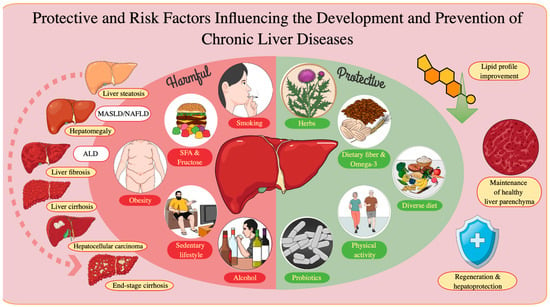
Key Highlights
- Variability in Vitamin B12 Levels: Contradictory findings exist with some studies suggesting lower levels in NAFLD while others indicate elevated levels due to compensatory mechanisms.
- Deficiency of Vitamin D: Consistent evidence shows that patients with non-alcoholic fatty liver disease (NAFLD) have lower serum vitamin D levels compared to healthy controls, correlating with disease severity.
- Therapeutic Implications: Monitoring and potential supplementation of these vitamins could influence treatment strategies, although vitamin D presents clearer benefits relative to NAFLD progression.
Introduction to NAFLD and Vitamin Roles
Non-alcoholic fatty liver disease (NAFLD) is a condition characterized by excessive fat accumulation in the liver not due to alcohol consumption. Commonly associated with obesity, diabetes, and metabolic syndrome, NAFLD can progress to non-alcoholic steatohepatitis (NASH) and even liver fibrosis or cirrhosis. The role of micronutrients, particularly vitamins such as B12 and D, has gained attention since these vitamins are crucial for various metabolic and cellular processes within the liver.
Vitamin B12 is integral to nucleotide synthesis, the metabolism of fatty acids and amino acids, and maintaining homocysteine at healthy levels. In contrast, vitamin D is known for its anti-inflammatory properties and its vital role in regulating glucose and lipid metabolism. This comparative study explores the status of these two vitamins in NAFLD patients versus healthy controls, seeking to understand their potential impact on liver health and the progression of NAFLD.
Comparative Analysis of Vitamin B12 and Vitamin D
Vitamin B12 in NAFLD
Overview of Findings
Research on vitamin B12 levels in NAFLD patients has revealed mixed results. Some studies have found decreased serum vitamin B12 levels in patients, which might be associated with a higher degree of liver steatosis. In contrast, other research suggests that serum B12 levels may be normal or even elevated. Elevated levels can sometimes occur as a compensatory mechanism in response to impaired liver function. Additionally, vitamin B12 supplementation has been shown to lower serum homocysteine, a compound often elevated in liver pathology, which presents a potential therapeutic approach.
Potential Mechanisms
Vitamin B12 performs pivotal roles in one-carbon metabolism, crucial for DNA synthesis and repair. Its involvement in fatty acid metabolism means that imbalances might affect liver lipid accumulation. Genetic studies further suggest that higher circulating vitamin B12 could, in some cases, be directly linked to a predisposition to NAFLD, adding complexity to its interpretation in clinical settings.
Vitamin D in NAFLD
Consistent Trends and Protective Function
Unlike vitamin B12, levels of vitamin D in individuals with NAFLD are more consistently reported to be lower relative to healthy controls. These low levels are associated with increased severity of fatty liver disease, steatosis, and the progression to NASH. Vitamin D plays critical roles in immune modulation and has anti-inflammatory properties, which are believed to protect the liver from damage by reducing pro-inflammatory cytokines and fibrogenic signals.
Mechanistic Insights
Vitamin D’s mechanisms in liver health include its ability to modulate hepatic stellate cell activity, reducing collagen formation and fibrogenesis. The immunomodulatory function of vitamin D might also curb the inflammation that contributes to the worsening of liver histopathology. Such actions underscore why vitamin D deficiency is viewed as an independent risk factor for NAFLD severity.
Detailed Comparison Table
| Aspect | Vitamin B12 | Vitamin D |
|---|---|---|
| Serum Level Trends in NAFLD |
Conflicting results: Some studies report lower levels, others show normal/elevated levels; possible compensatory increase. |
Consistently lower in NAFLD patients compared to healthy controls. |
| Association with Liver Steatosis |
Lower levels associated with higher grades of steatosis in some studies; elevated levels in others may indicate altered metabolism. |
Low vitamin D levels are directly linked with more severe steatosis and inflammation. |
| Potential Therapeutic Impact |
Supplementation may reduce elevated serum homocysteine levels, offering an adjunct therapeutic strategy. |
Supplementation could potentially reduce inflammation and improve NASH outcomes. |
| Mechanistic Role |
Involved in one-carbon metabolism and fatty acid metabolism; genetic studies suggest complex associations. |
Exerts anti-inflammatory effects, modulates hepatic stellate cell activity and collagen deposition. |
| Significance in NAFLD Progression |
Role remains controversial with varied findings depending on disease stage and patient metabolic profile. |
Deficiency is a clear risk factor and is associated with worsening of NAFLD pathology. |
Clinical and Research Implications
Monitoring and Supplementation
Vitamin B12 Considerations
Given the contradictory findings regarding vitamin B12, clinical monitoring in NAFLD patients should include assessments of serum B12 levels along with homocysteine measurements. Research suggests that for a subset of patients, especially those with elevated homocysteine, supplementation might be beneficial, not only for correcting deficiency but also for potentially influencing liver fat metabolism. Nevertheless, caution is required as elevated levels observed in some contexts might indicate altered hepatic metabolism rather than true deficiency. This complexity underscores the need for personalized approaches when interpreting B12 statuses.
Vitamin D Considerations
The more consistent data regarding vitamin D deficiency in NAFLD hint at its role in preventing or mitigating the progression of liver disease. Regular screening for vitamin D levels in patients with NAFLD is recommended. Supplementation could serve as an adjunct to standard treatments, potentially ameliorating inflammatory processes and fibrogenesis. Studies have revealed that vitamin D supplementation may be particularly beneficial in patients at risk for NASH and fibrosis, aiding in the overall management of NAFLD.
Integrating Findings Into Patient Management
Clinical strategies that integrate the monitoring of both vitamin B12 and vitamin D may offer a holistic approach to managing NAFLD, particularly in patients displaying metabolic syndrome traits. By tailoring supplementation protocols based on individual deficiencies and biochemical markers, healthcare providers could potentially improve patient outcomes. However, it is essential to recognize that while vitamin D supplementation has more unanimously positive data, vitamin B12’s role demands further investigation to delineate which patient subgroups could truly benefit.
Further research is warranted to explore the causative relationships and to establish standardized protocols for the use of these vitamins in NAFLD therapy. Clinical trials focused on dosage, patient stratification, and long-term outcomes are particularly needed to solidify these observations.
Biological Mechanisms and Metabolic Implications
Vitamin B12 Mechanisms
One-Carbon Metabolism and Homocysteine Regulation
Vitamin B12 plays a critical role in the one-carbon transfer reactions necessary for DNA synthesis and repair. In NAFLD, an imbalance in its serum concentration could affect homocysteine metabolism. Elevated homocysteine is not only a marker of metabolic disturbances but also contributes to oxidative stress within hepatic tissues. Therefore, B12 supplementation may help mitigate these metabolic irregularities by re-establishing normal homocysteine levels.
Lipid Metabolism Influence
Additionally, vitamin B12 is involved in fatty acid metabolism. Deficient levels may lead to detrimental shifts in lipid processing, thereby exacerbating hepatic fat accumulation and steatosis. On the other hand, elevated levels observed in some studies might reflect the liver’s altered handling of this essential vitamin in the setting of chronic disease.
Vitamin D Mechanisms
Anti-inflammatory and Antifibrotic Effects
The immunomodulatory properties of vitamin D are of paramount importance in the context of NAFLD. By reducing pro-inflammatory cytokine production and inhibiting the activation of stellate cells, vitamin D supplementation could slow the progression from simple steatosis to NASH and subsequent fibrosis. Research has consistently shown that lower vitamin D levels contribute to a more aggressive disease phenotype, which further supports the strategic role of vitamin D in liver disease management.
Glucose and Lipid Homeostasis
Additionally, vitamin D is involved in maintaining both glucose and lipid homeostasis, crucial factors in metabolic syndrome. Its deficiency correlates with disturbances in these regulatory mechanisms, thereby compounding the risk factors associated with NAFLD. These mechanistic insights underscore why regular assessment and correction of vitamin D levels are considered integral in the management of NAFLD.
Implications for Future Research
Directions for Exploration
Though cross-sectional studies and initial prospective evaluations have provided robust data on the status of vitamins B12 and D among NAFLD patients, future research should focus on the following areas:
- Longitudinal Studies: Continuous monitoring of vitamin levels in relation to the progression from simple steatosis to NASH and fibrosis will be crucial in establishing causative links.
- Genetic and Molecular Studies: Investigating genetic predispositions and the molecular pathways influenced by these vitamins may reveal more detailed insights into their role in NAFLD pathogenesis.
- Therapeutic Trials: Well-designed clinical trials assessing the impact of vitamin D (and potentially vitamin B12) supplementation on liver inflammation, fibrosis, and overall metabolic profiles are necessary for evidence-based clinical guidelines.
- Personalized Medicine: Understanding which patient subsets benefit from specific vitamin supplementation can lead to tailored therapies that optimize clinical outcomes while minimizing risks associated with over-supplementation.
Research Integration and Clinical Practices
Integrating these findings into clinical practice requires a balanced approach. While routine screening for vitamin D deficiency in NAFLD patients appears justified, vitamin B12 levels should be interpreted within the broader clinical context, taking into account factors such as nutritional status, metabolic health, and genetic markers. This comprehensive approach promises to refine therapeutic strategies, reduce the burden of progressive liver disease, and improve patient quality of life.
References
-
Association between Vitamin B12 and NAFLD - PMC
- Effects of Vitamin B12 Supplementation on NAFLD - Nature
- Vitamin D Status in NAFLD - PubMed
-
NAFLD and Micronutrient Deficiencies - PMC
-
Role of Vitamins in NAFLD - PMC
Recommended Further Reading and Related Queries
Last updated March 14, 2025