
Comparative Analysis: Vitamin B12 and Vitamin D in NAFLD
Uncovering the complex role of vitamins in non-alcoholic fatty liver disease
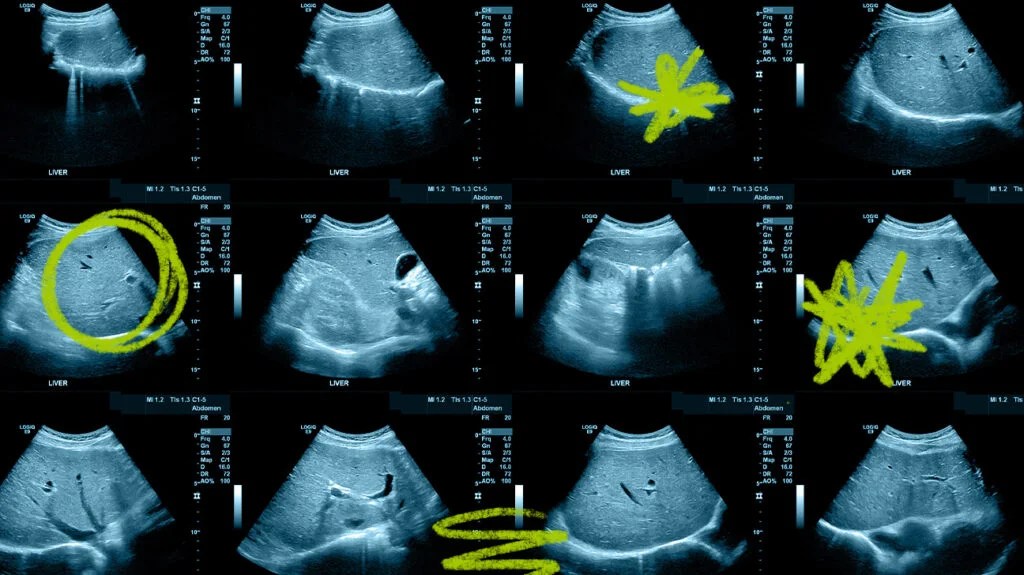
Highlights
- Vitamin B12 Variability: Evidence is mixed regarding serum levels in NAFLD patients.
- Vitamin D Deficiency: Consistently associated with disease severity and progression.
- Nutritional and Metabolic Implications: Both vitamins influence metabolic health, impacting NAFLD.
Introduction
Non-alcoholic fatty liver disease (NAFLD) is a spectrum of liver conditions ranging from simple fatty accumulation (steatosis) to the more severe non-alcoholic steatohepatitis (NASH) and can progress to cirrhosis, ultimately leading to hepatocellular carcinoma in some cases. With the global rise in metabolic diseases, understanding the interrelationships between different nutrients and liver health is critical. Two vitamins that have been extensively studied in relation to NAFLD are Vitamin B12 and Vitamin D.
Vitamin B12 Status in NAFLD
Understanding Its Role in Metabolism
Vitamin B12 plays a pivotal role in several metabolic pathways. It is essential for:
- DNA and RNA synthesis
- Fatty acid metabolism
- Energy production
- Metabolism of homocysteine
Controversial Findings
Studies examining Vitamin B12 levels in individuals with NAFLD have generated mixed results. Some research indicates that NAFLD patients exhibit lower serum Vitamin B12 levels compared with healthy controls, potentially indicating a deficiency that could disrupt lipid metabolism and contribute to disease progression. However, other studies have found no significant difference or even reported higher serum B12 levels in NAFLD patients. Such discrepancies might be due to differences in study designs, populations, and the influence of confounding factors such as genetic variations and diet.
Metabolic Implications
In addition to its association with altered lipid metabolism, a deficiency in Vitamin B12 can lead to elevated homocysteine levels, which are known to negatively impact cardiovascular health as well as liver function. This metabolic disturbance may contribute to the overall pathogenesis of NAFLD by promoting inflammation and hepatic steatosis.
Vitamin D Status in NAFLD
Essential Roles Beyond Bone Health
Unlike Vitamin B12, Vitamin D is mostly acknowledged for its robust connection with immune regulation and anti-inflammatory roles beyond its traditional function in bone health. Research points to an association between Vitamin D deficiency and more severe forms of NAFLD.
Deficiency and Disease Severity
Many studies have demonstrated that patients with NAFLD, particularly those with elevated liver enzymes such as alanine aminotransferase (ALT), tend to have lower serum levels of Vitamin D. These lower levels have been consistently linked to advanced disease processes including heightened inflammation, steatosis, and fibrosis. This negative correlation suggests that maintaining adequate Vitamin D levels might serve as a protective measure, potentially slowing the progression of NAFLD.
Therapeutic Potential
Given the established relationship between low Vitamin D levels and increased inflammation, research has begun to explore the potential benefits of Vitamin D supplementation for patients suffering from NAFLD. There is emerging evidence that such supplementation could help inhibit liver fibrosis and improve overall metabolic profiles. However, further controlled and large-scale studies are necessary to confirm these therapeutic effects and determine the optimal levels for intervention.
Integrative Comparative Analysis
Key Differences and Overlapping Mechanisms
Several studies have offered insights into the distinct yet occasionally overlapping roles of Vitamin B12 and Vitamin D in the context of NAFLD:
- Vitamin B12: Its deficiency is implicated in disturbed lipid metabolism and homocysteine regulation. The controversy regarding its serum levels in NAFLD patients remains due to conflicting study results influenced by genetic and dietary factors.
- Vitamin D: There is strong and consistent evidence linking Vitamin D deficiency to more severe manifestations of NAFLD. This vitamin plays a protective role by moderating inflammation and fibrosis within the liver.
- Nutritional Impact: Both vitamins contribute to metabolic health. Adequate levels are associated with better clinical outcomes in NAFLD, suggesting that nutritional interventions could play an important role in managing the progression of liver disease.
Comparative Features Table
| Feature | Vitamin B12 | Vitamin D |
|---|---|---|
| Serum Level Findings | Mixed results: some studies indicate lower levels in NAFLD, others show no difference or even higher levels. | Consistently lower; deficiency correlated with increased severity of NAFLD. |
| Metabolic Roles | Key in DNA/RNA synthesis, energy production, and homocysteine metabolism; impacts lipid metabolism. | Primary roles in immune function, regulation of inflammation, and bone health; contributes to reduced fibrosis. |
| Association with NAFLD Progression | Uncertain; potential impact on liver metabolic processes, but association remains controversial. | Negative correlation with NAFLD severity; adequate levels may be protective against progression. |
| Therapeutic Implications | Vitamin B12 supplementation might improve metabolic dysregulation but requires further investigation. | Vitamin D supplementation offers promising therapeutic benefits in reducing liver inflammation and fibrosis. |
Research and Clinical Implications
Nutritional Interventions and Public Health
As studies consistently demonstrate the potential link between Vitamin D deficiency and more severe NAFLD, there is growing interest in exploring nutritional intervention strategies. A nutrient-rich diet that ensures adequate intake of vitamins D, B12, and other B-complex vitamins may be a viable approach to mitigating NAFLD risks or slowing its progression.
Need for Standardized Research
While current research has highlighted significant associations, the variability in study outcomes—particularly with respect to Vitamin B12—emphasizes the need for standardized methodologies in assessing vitamin levels. Well-controlled, large-scale clinical trials will help clarify discrepancies, determine causality, and fine-tune supplementation recommendations tailored to NAFLD patients.
Personalized Medicine Approach
Given the multifactorial nature of NAFLD, a personalized medicine approach that incorporates nutritional assessments could become instrumental. Monitoring serum Vitamin B12 and Vitamin D levels in at-risk individuals may allow healthcare providers to design customized dietary regimens and supplementation schedules that address individual metabolic profiles and potentially mitigate the progression of liver disease.
Future Directions in NAFLD Management
Expanding the Scope of Vitamin Supplementation
Emerging research supports the exploration of vitamin supplementation as part of a comprehensive strategy to manage NAFLD. Future studies should focus on:
- Determining the optimal dosages and formulations of Vitamin D supplementation that offer maximum protection against liver inflammation and fibrosis.
- Examining the role of Vitamin B12 in metabolic regulation in NAFLD patients, and clarifying the conditions under which supplementation might reverse metabolic dysregulation.
- Investigating the combined effects of a multi-vitamin and nutrient-rich diet on the progression of NAFLD, with special attention to patient-specific risk factors such as genetics, lifestyle, and comorbid conditions.
Interdisciplinary Approaches
Addressing NAFLD effectively requires an interdisciplinary approach that spans nutrition, hepatology, endocrinology, and genetics. By integrating insights from these fields, the medical community can develop targeted strategies to counteract the metabolic disturbances underlying NAFLD.
References
- Association between Vitamin B12 and NAFLD - Nature
-
Vitamins in Liver Disease - NCBI
-
Vitamin B12 and NAFLD - PMC
- NAFLD and Vitamin D status - PubMed
- NAFLD Nutritional Studies - EGLJ
Recommended Explorations
Last updated March 25, 2025