
Analysis of Waste Management in Unnikulam Village
A detailed examination of waste sources, quantity, and management methods
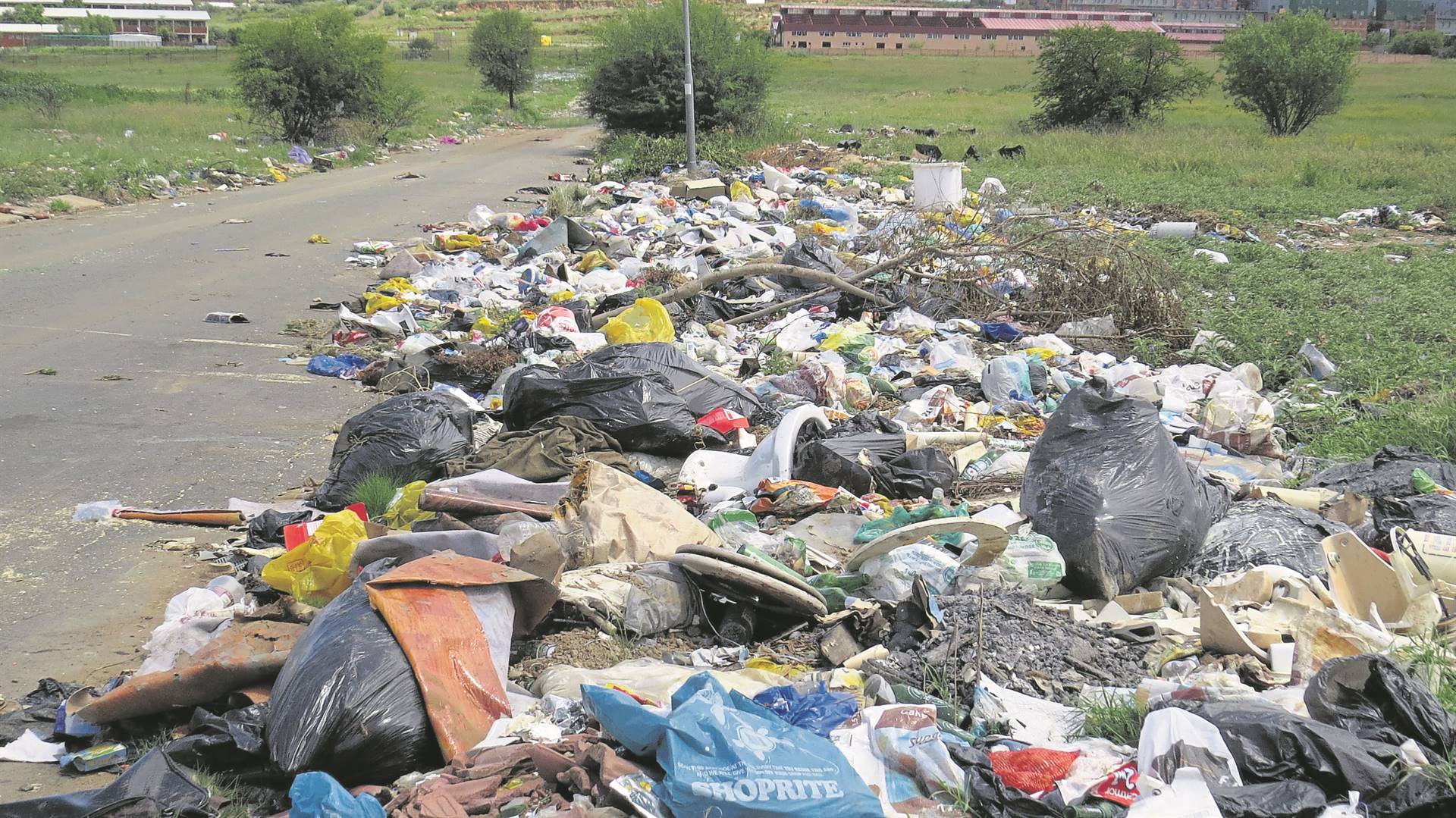
Key Highlights
- Comprehensive Waste Sources: A mix of household, agricultural, institutional, and commercial waste contributes to the overall waste generation in Unnikulam.
- Innovative Management Methods: Strategies include composting, recycling, door-to-door collection, and community awareness programs to offset environmental impacts.
- Challenges and Recommendations: Identifying inadequate infrastructure and planning issues provides impetus for a structured waste management plan tailored to rural needs.
Introduction
Waste management in rural areas poses unique challenges that are different from urban centers. Unnikulam village, located in the district of Kozhikode, Kerala, embodies these challenges with a diverse range of waste sources and a need for efficient, sustainable waste management practices. The analysis presented here examines the sources of waste, estimates the quantity generated, and reviews the methods typically employed to manage waste. Additionally, it addresses the hurdles faced by the community, such as insufficient infrastructure and limited public awareness, while providing recommendations for future improvements.
Sources of Waste
Waste in Unnikulam village originates from multiple channels, reflecting both rural lifestyle and emerging commercial activities. Understanding these sources is pivotal to formulating a comprehensive strategy for effective waste management:
Household Waste
The primary source of waste in the village is domestic households. Typical household waste includes food remnants, paper, plastics, glass, and other everyday items. Given the village population and the estimated number of households (approximately 200), this source contributes significantly to the overall waste load.
Agricultural Waste
Agriculture plays a major role in the economy of Unnikulam. Farm-related activities generate substantial organic waste such as crop residues and animal by-products. Although this waste is naturally biodegradable, improper disposal can lead to environmental degradation if not managed properly.
Institutional and Commercial Waste
In addition to domestic waste, institutions such as schools, healthcare centers, and local governmental offices contribute waste. Such waste is often similar in composition to household waste, comprising paper, plastics, and food waste. Commercial establishments, including local markets and small businesses, further add packaging materials and non-biodegradables.
Supplementary research on rural waste management suggests that small-scale operations may also produce additional types of waste like healthcare and industrial remnants, though these remain minimal compared to the above sources. The diverse nature of waste necessitates a multi-faceted approach in managing different waste streams.
Quantity of Waste Generated
Estimating the exact quantity of waste generated in a rural setting such as Unnikulam involves looking at both direct empirical data and common measurements used in similar settings. According to research and local estimates, a village of around 200 households might generate close to 80 tons of wet waste annually. This estimate, however, varies depending on seasonal variations, notably with increased waste production during harvest or festival seasons.
Daily Waste Generation Rates
Several sources contribute daily waste figures as follows:
Household Waste
Estimated at approximately 100-150 kg per day. This figure includes organic food scraps and non-organic materials.
Agricultural Waste
Agricultural activities can produce roughly 500-700 kg per day, depending on the season and type of crops cultivated. Although largely organic, the management of this waste is critical to prevent environmental harm.
Institutional and Commercial Waste
Such waste sources contribute around 20-50 kg and 50-100 kg per day respectively. While they might seem minimal on a daily basis, their cumulative impact necessitates proper recycling and disposal mechanisms.
When integrated, Unnikulam village produces an overall waste quantity ranging from 670 to 1000 kg per day. While this raw data is indicative, the processing, segregation, and treatment practices ultimately determine the environmental footprint of the waste generated.
Quantitative Summary Table
| Waste Source | Estimated Daily Quantity (kg) | Characteristics |
|---|---|---|
| Household Waste | 100-150 | Includes food scraps, plastics, paper, etc. |
| Agricultural Waste | 500-700 | Crop residues, animal dung, organic by-products |
| Institutional Waste | 20-50 | Paper, plastics, food waste from schools and clinics |
| Commercial Waste | 50-100 | Packaging materials, non-biodegradable items |
| Total | 670-1000 |
Waste Management Methods
A critical element of efficient waste management in any village is the adoption of diverse yet integrated strategies that deal with collection, separation, treatment, and disposal in an environmentally sustainable manner. Unnikulam village employs a variety of methods, which include both traditional and modern approaches.
Community Participation and Collection Systems
Community involvement is a cornerstone of waste management in rural areas. In Unnikulam, organized door-to-door collection systems help in segregating waste at the source—dividing biodegradable from non-biodegradable waste. This practice not only simplifies downstream processing but also engages local populations in sustainable practices.
Composting
Composting is one of the most widely adopted methods in Unnikulam, particularly for handling the large quantities of organic waste generated in households and agriculture. By converting wet waste into organic compost, the community not only reduces the volume of waste reaching disposal sites but also generates natural fertilizer that supports local agriculture. Such initiatives can transform about 80 tons of wet waste into 15-20 tons of valuable compost annually.
Recycling and Reuse
While recycling operations in smaller villages may be informal, local initiatives encourage the collection and sale of scrap materials such as paper, plastics, aluminum, and glass. These efforts are often community-driven and supported by local businesses and authorities. Structured recycling programs could potentially enhance the efficiency of waste material recovery, thereby reducing the burden of waste disposal.
Incineration and Burning
Incineration and open burning are methods sometimes employed for waste that cannot be efficiently composted or recycled. However, these practices come with significant environmental impacts, including air pollution and the potential creation of toxic by-products. In Unnikulam, while localized burning of agricultural waste occurs, it is generally discouraged due to its hazardous nature.
Alternative Techniques
Research in waste-to-energy and pyrolysis has revealed promising methods for converting waste into alternative fuels. Though not yet widely implemented in Unnikulam, these processes have the potential to reduce landfill dependency while simultaneously generating energy. Pyrolysis, for example, involves the thermochemical decomposition of organic materials in the absence of oxygen, converting waste into oil, gas, and char. Further exploration of these techniques may offer long-term benefits.
Additional Waste Disposal Practices
In addition to these primary methods, some households have resorted to dumping waste in open areas, water bodies, or even agricultural fields. Such practices not only cause water and soil contamination but also endanger public health. Overcoming these challenges requires systematic change, greater awareness, and enhanced infrastructure.
Challenges and Recommendations
Despite various practices in place, Unnikulam village faces several significant challenges in its journey toward sustainable waste management.
Current Challenges
- Lack of Adequate Infrastructure: There is a pressing need for organized waste collection, transport systems, and designated treatment facilities.
- Limited Public Awareness: Many residents are not fully informed about the environmental and health impacts of improper waste management.
- Inefficient Segregation at Source: Without proper sorting, recyclable and organic waste often get mixed, reducing the efficiency of both composting and recycling efforts.
- Seasonal Variations: Waste generation spikes during festive and harvest periods, overwhelming existing disposal systems.
Recommendations for Improvement
To address these challenges, several proactive measures can be implemented:
1. Strengthen the Collection Infrastructure
The establishment of a systematic door-to-door waste collection network is crucial. This network should ensure that waste is segregated at the source, reducing the need for extensive sorting later. By providing sufficient waste bins and scheduling regular pickups, the village can significantly reduce improper disposal practices.
2. Expand Composting Facilities
Given the large volume of organic waste produced, setting up a centralized composting facility can transform local waste into valuable organic fertilizer. Such a facility can enhance agricultural productivity while minimizing the environmental footprint of waste disposal.
3. Promote Recycling and Reuse Programs
Organizing community drives to collect recyclable materials can boost recycling rates. Local authorities can collaborate with recycling businesses to set up collection centers, providing residents with incentives to segregate and sell scrap materials.
4. Develop Awareness Campaigns
Education plays a fundamental role in effective waste management. Regular awareness campaigns and practical workshops can inform residents about the importance of segregating waste, reducing disposal-related health hazards, and preserving local ecosystems.
5. Explore Advanced Treatment Technologies
Though still in the early stages of adoption, waste-to-energy projects and pyrolysis can convert waste into usable energy sources. Research initiatives in these areas may provide long-term, sustainable solutions for rural waste management challenges.
Implementation Framework
A comprehensive waste management plan for Unnikulam requires collaboration between local government bodies, community leaders, and technical experts. It should include clear guidelines, scheduled operations, regular assessments, and flexibility to incorporate new technologies as they become viable. Tracking the volume of waste collected, the efficiency of sorting, and the output (compost or recycled materials) will help refine strategies and policies over time.
Supporting Data and Visual Insights
To provide a visual representation of the waste management components in Unnikulam, the following table offers a quick reference for waste sources, quantities, management methods, and challenges:
| Category | Description | Estimated Quantity/Process |
|---|---|---|
| Household Waste | Domestic sources including food, paper, plastics | 100-150 kg/day |
| Agricultural Waste | Crop residues and organic by-products | 500-700 kg/day |
| Institutional Waste | Waste from schools, clinics, and government offices | 20-50 kg/day |
| Commercial Waste | Packaging and non-organics from shops/markets | 50-100 kg/day |
| Collection Method | Door-to-door segregation and community based collection | Systematic, scheduled pickups |
| Processing Method | Composting, recycling, and incineration (limited) | Conversion to 15-20 tons compost/year |
| Main Challenges | Lack of infrastructure, inadequate public awareness, improper segregation | - |
References
The analysis provided here is informed by multiple sources which discuss rural waste management, the specifics of waste generation in small villages, and innovative practices being adopted globally:
- Cleaning Up India's Villages - YourStory
- Waste Management - Wikipedia
- What is Waste Management - CleanHub Blog
- Solid Waste Management in India - BharatGoGreen
- Rural Solid Waste Management Issues and Action - ResearchGate
Recommended Further Queries
Last updated March 22, 2025