
The Vital Role of Rituals in Sustainable Water Management
Exploring how indigenous water rituals foster conservation and cultural stewardship
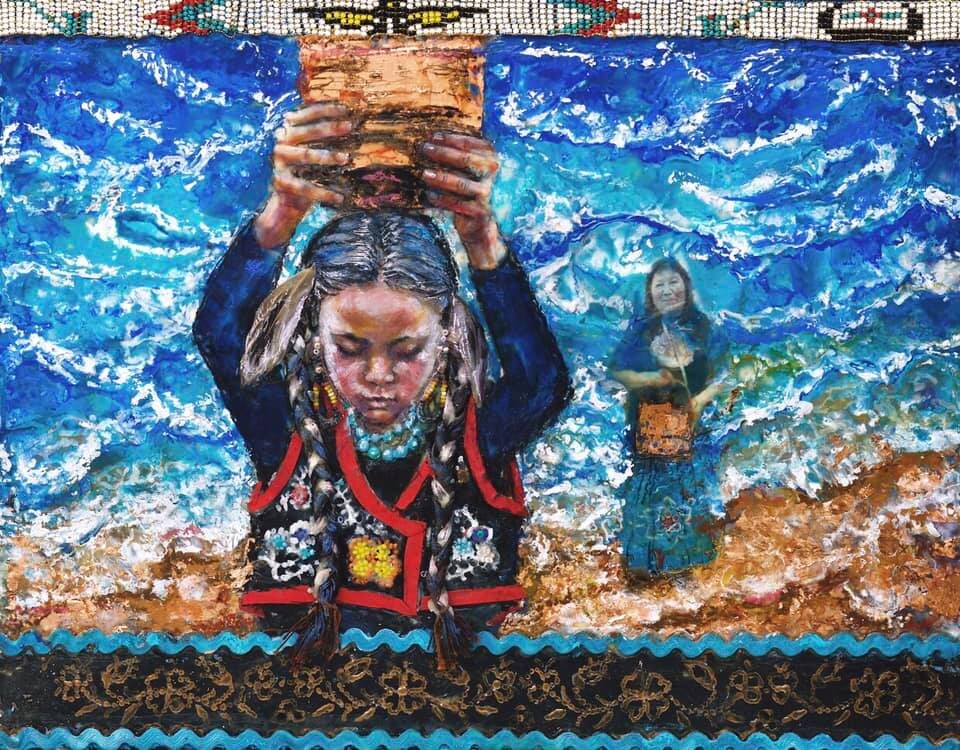
Key Insights
- Spiritual Connection: Water is revered as sacred, embodying life and wellbeing.
- Community Engagement: Rituals unite communities in conservation efforts.
- Traditional Ecological Knowledge: Generations pass down sustainable practices for water stewardship.
Introduction
Across many indigenous communities, water is far more than a resource; it is a living, sacred entity deeply woven into their cosmology. Rituals surrounding water serve multifaceted roles that ensure its sustainable management by intertwining cultural, spiritual, and ecological dimensions. These practices not only honor the intrinsic value of water but also enhance conservation efforts through education, community engagement, and the transmission of traditional ecological knowledge (TEK). In this detailed exposition, we explore the diverse yet interconnected roles that rituals play in safeguarding water resources for future generations.
Spiritual and Cultural Foundations
Water as a Living Entity
In indigenous worldviews, water is often viewed as a living, sacred entity rather than a mere commodity. Rituals serve to reinforce this perception by reminding community members that water possesses life-giving properties. The spiritual connection established during these ceremonies highlights water’s capability to cleanse, heal, and even communicate with those who honor it.
Sacred Ceremonies and Offerings
Ceremonies involving water typically incorporate offerings, songs, prayers, and dances, each element designed to respect and connect with the spiritual essence of water. For example, specific practices such as water blessings, purification rites, and water walks invoke the idea that maintaining the sanctity of water directly correlates with preserving the health of the community and the surrounding environment.
Cultural Identity and Heritage
Rituals are deeply intertwined with cultural identity. They form an essential part of the traditional practices that have been passed down for generations. By participating in water ceremonies, indigenous peoples not only demonstrate their respect for natural forces but also reinforce links to ancestral practices. This connection is vital in maintaining cultural heritage, ensuring that the values of respect, conservation, and communal responsibility continue to guide contemporary water management strategies.
Ecological Stewardship Through Ritualistic Practices
Sustainable Management and Conservation
Indigenous rituals are inherently designed to foster a deep respect for water, which naturally translates into robust conservation practices. Rituals serve as a reminder that every use of water requires responsible stewardship. This perspective has a direct impact on sustainable water usage as it discourages exploitative behaviors and promotes practices that maintain the purity and abundance of water.
Conservation and Purification Practices
Many rituals include elements of purification and conservation where water is ceremonially cleansed and blessed. This symbolic act reinforces the physical practice of maintaining clean water and highlights the interconnectedness of cultural rituals with environmental health. In many cases, these purification ceremonies extend to tangible practices, such as the protection of water sources from pollutants and the careful management of water withdrawals.
Ecosystem Protection and Natural Limits
The recognition of water as a living system engenders a holistic outlook on environmental conservation. Rituals often articulate the understanding that water, land, and the entire ecosystem are mutually supportive. This comprehensive view compels indigenous communities to monitor and manage water sources in ways that respect natural cycles and ecological limits. Such practices ensure that human activities do not disrupt the delicate balance of nature, leading to the long-term sustainability of water resources.
Traditional Ecological Knowledge (TEK)
A distinctive aspect of indigenous rituals is their role in the preservation and transmission of traditional ecological knowledge. This body of knowledge, developed over centuries, includes detailed understandings of local hydrology, seasonal variations, and the behavior of the natural environment. Through ritualistic practices, elders and community leaders pass down this invaluable wisdom to younger generations, ensuring that effective, context-specific water management strategies remain central to the community’s way of life.
Community Engagement and Social Cohesion
Collective Ritual Practices
Water rituals are inherently communal events that are crucial for fortifying social bonds within indigenous communities. When the whole community comes together to honor water, there is an implicit reinforcement of shared responsibilities and collective stewardship. Such engagements foster a strong sense of unity and purpose, which is essential for implementing sustainable water management practices.
Educational Significance
The communal nature of water rituals provides an interactive educational experience for participants. Young people learn firsthand the cultural significance of water and the practical methods used to sustain it. Stories, songs, and ceremonial acts serve as mnemonic devices that help embed critical conservation lessons. As a result, the cultural practices surrounding water management become an enduring part of local education systems.
Institutionalizing Sustainable Practices
Many indigenous communities have developed governance systems that are intimately linked to their ritual practices. These systems often infuse water management policies with traditional beliefs and practices, ensuring that decision-making processes are aligned with the values of conservation and respect for nature. This integrated approach allows for sustainable water management that is both ecologically sound and culturally meaningful.
Integrating Rituals into Modern Water Management
Balancing Tradition and Innovation
As indigenous communities face the challenges of modern environmental pressures, there is an evolving dialogue between traditional practices and contemporary water management techniques. The integration of ritualistic practices into modern frameworks does not undermine their sacred value; rather, it reinforces the need for holistic management strategies that consider both cultural heritage and scientific understanding.
Adaptive Management Strategies
Adaptive management is a modern environmental strategy that benefits significantly from the principles embedded in indigenous rituals. By acknowledging water as a living entity and recognizing its spiritual dimensions, modern managers can incorporate indigenous perspectives into policies that promote resource conservation and restoration. This symbiosis between tradition and innovation allows for a more comprehensive approach to water governance, ensuring that management practices remain sensitive to both environmental and cultural landscapes.
Case Studies and Practical Applications
Numerous case studies have highlighted the success of integrating rituals into sustainable water management practices. These examples illustrate how rituals are used not only as cultural expressions but also as functional components of environmental stewardship. For instance, ritual water cleansing in some communities is coupled with scientific monitoring of water quality, creating a dual system of accountability that benefits the ecosystem and the community alike.
A Comparative Overview of Ritual Practices
The following table provides an overview of various ritual practices and the specific aspects of sustainable water management they support:
| Ritual Practice | Ecological Aspect | Cultural Significance | Community Impact |
|---|---|---|---|
| Water Blessing Ceremonies | Purification and conservation of water quality | Reinforcement of water as a sacred life force | Promotes communal unity and education |
| Water Walks | Monitoring of water bodies and natural cycles | Connection with ancestral landscapes | Encourages collective responsibility for resource management |
| Offerings and Prayers | Sustainable use and limits on water extraction | Exemplifies cultural rituals passed down generations | Fosters transparency in community decision-making |
| Community Feasts and Festivals | Celebration of natural cycles and ecosystem interdependence | Strengthens cultural identity and heritage | Enhances intergenerational knowledge transfer |
Traditional Ecological Knowledge and Modern Implications
Transmission of Knowledge Through Rituals
One of the most enduring benefits of indigenous water rituals is their effectiveness in transmitting traditional ecological knowledge. This time-tested wisdom encompasses detailed observations of seasonal changes, water flow patterns, and the interactions between water and the living environment. By embedding this knowledge within the fabric of ritualistic practice, communities ensure that essential conservation practices are continuously renewed and adapted.
Oral Traditions and Symbolism
Rituals use symbolic language, stories, and metaphors to describe the interdependence of water with all aspects of life. Such symbolism is powerful because it transcends mere rational instructions, embedding sustainable practices in the hearts and minds of participants. Over generations, the symbols associated with water in rituals act as constant reminders of the community’s commitment to conservation.
Enhancing Scientific Methods with Traditional Practices
The integration of traditional ecological knowledge into modern water management has profound implications for sustainability. Scientific methods, when enhanced by the empirical insights derived from indigenous practices, provide a more nuanced understanding of local water systems. This cross-pollination allows for innovative approaches to water governance that respect ecological limits, cultural values, and community needs.
Challenges and Future Directions
Balancing Modernization and Tradition
Despite the robustness of indigenous water rituals, modern challenges such as climate change, urbanization, and industrial pollution pose significant threats to water sustainability. There remains a pressing need to balance traditional practices with contemporary scientific and regulatory frameworks. In many cases, indigenous communities are at the forefront of initiatives that seek to integrate their ritualistic knowledge with modern conservation technologies.
Collaborative Governance and Policy Adaptation
Effective sustainable water management often requires collaboration between indigenous knowledge holders, scientists, and policy makers. By fostering dialogue and creating platforms for intercultural exchange, communities can co-develop resilient water governance frameworks that are informed by both tradition and science. This collaborative approach is essential for addressing complex water challenges in a rapidly changing world.
Future Trends in Ritualistic Water Management
Looking forward, several trends are likely to influence how indigenous rituals continue to support water management:
- Enhanced Integration: Merging traditional practices with advanced monitoring technologies to create hybrid management strategies.
- Educational Initiatives: Expanding community-based educational programs that use rituals to reinforce sustainable practices.
- Policy Recognition: Increasing legal and institutional recognition of indigenous water rights and traditional practices.
These trends suggest a future in which indigenous rituals and modern scientific practices are not mutually exclusive but rather mutually reinforcing, creating robust frameworks for sustainable water management.
Conclusion
In summary, rituals in indigenous communities play a multifaceted and crucial role in ensuring sustainable water management. They are integral to fostering a spiritual connection with water, reinforcing cultural identity, and promoting ecological conservation. Through ceremonies, offerings, and communal engagements, these practices create a living framework of traditional ecological knowledge that is passed down through generations. This framework not only emphasizes the sacred nature of water but also establishes a system of governance and stewardship that is essential for protecting water resources in the face of modern environmental challenges.
By intertwining spiritual values, cultural heritage, and empirical ecological practices, indigenous rituals offer a holistic model of water conservation that is deeply relevant today. They enhance community cohesion and ensure that sustainable practices are not only retained but also continuously adapted to new challenges. As a result, these rituals continue to serve as a powerful reminder of the interconnectedness of life and the need to protect precious water resources for both current and future generations.
References
- Unveiling the Sacred Harmony - Native American Water Rituals Ceremonies
- Water in First Nations Ceremonies - Safe Water
- Water Worship: Sacred Acquatic Traditions - Connolly Cove
- The Water Ritual - The Water Main
- The Water Spirits Dance - Mythology Worldwide
-
Sustainable Water Management Studies - ScienceDirect
- Indigenous Water Management - Banotes
-
Contemporary Conservation Practices - ScienceDirect
-
Principles of Indigenous Water Governance - ScienceDirect
Recommended Further Exploration
Last updated February 22, 2025