
Identifying the Weasel-like Mammal in Costa Rica
Exploring Possible Species in the Rainforest Ecosystem
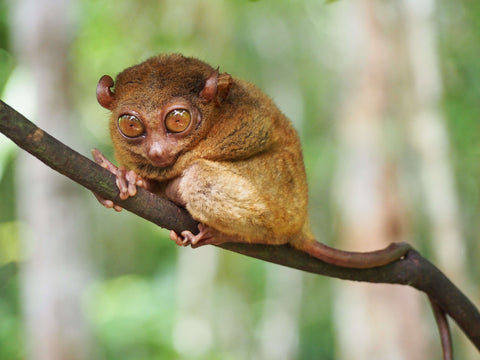
Key Highlights
- Tayra and Jaguarundi Characteristics: Both have weasel-like body structures, with subtle differences in size, coloration, and habitat preferences.
- Long-tailed Weasel Possibility: Its smaller size relative to a mink and brown coat align well with the description.
- Ecological Context: These species are adapted for life in the Costa Rican rainforest, featuring agility and versatility in their behaviors.
Understanding Weasel-like Mammals in Costa Rica
Costa Rica’s exuberant rainforest is home to a diverse array of wildlife, including several members of the weasel family. These small mammals often share similar physical attributes such as slender bodies, agile movements, and a general semblance of a weasel, though their exact size and specific appearance may vary. The animal in question, described as a weasel-like small mammal with a brown body and smaller than a mink, could belong to one of a few species. The primary candidates include the tayra, the jaguarundi, and the long-tailed weasel; however, each of these animals displays distinct features that could help in making a more accurate identification.
Candidate Species
Tayra (Eira barbara)
The tayra is often highlighted due to its common presence in the Costa Rican rainforest and its distinctive, elongated body shape. Although the tayra is a member of the weasel family (Mustelidae), it is relatively larger when compared to many other small mustelids. Tayras are known for their agile movements, robust climbing abilities, and variable coloration, which typically includes dark brown or grayish shades often accented with a lighter throat patch. Despite being slightly larger than some weasel species, their weasel-like silhouette contributes to a potential misidentification, especially when observed fleetingly in dense foliage.
Jaguarundi
The jaguarundi is another possibility. Though it may be mistaken for a weasel due to its slender, elongated build, this animal is actually a wild cat. Jaguarundis have a more cat-like structure, with a flatter head, round ears, and short legs, but their body shape and ground-based habits have led to comparisons with weasels. Typically, the jaguarundi is somewhat smaller and has a brown coloration, aligning with the observed features in the rainforest. However, their classification as felids distinguishes their overall morphology and behavior from mustelids like the tayra or weasels.
Long-tailed Weasel
The long-tailed weasel is perhaps the closest match when strictly considering size and the description provided. As a smaller member of the mustelid family, the long-tailed weasel generally falls below the size of a mink, which aligns with the detail of being "smaller than a mink." These weasels possess a brown coat, and their agile, elongated body makes them adept at maneuvering through the forest understory. Their appearance more literally fits the description of being weasel-like, given that they conform to the classic physical traits associated with mustelids.
Comparative Analysis of Species
To further assist in understanding which species best matches the description, consider the following comparative table. It outlines key characteristics including size, physical appearance, and behavioral traits among the top candidates.
| Characteristic | Tayra (Eira barbara) | Jaguarundi | Long-tailed Weasel |
|---|---|---|---|
| Body Size | Relatively larger, around 2 feet in length | Moderate, slender with a body length around 55-65 cm | Smaller, typically less than that of a mink |
| Color and Markings | Dark brown or gray with a lighter throat patch | Uniform brown coloration, optimized for camouflage | Brown coat that blends into the forest floor |
| Family Classification | Mustelidae (weasel family) | Felidae (wild cat family) | Mustelidae (weasel family) |
| Habitat and Behavior | Common in rainforests; agile climber and ground forager | Inhabits dense vegetation; primarily terrestrial with climbing abilities | Adept at ground movement; nimbly navigates dense undergrowth |
| Distinct Features | Notable for its bushy tail and robust body | Sleek body and rounded ears; more cat-like appearance | Classic weasel form, emphasizing small size and agility |
Ecological Context and Behavioral Insights
Understanding the habitat and behavior of these species is crucial when trying to identify them. Costa Rica's rainforest is a dynamic and complex ecosystem that supports diverse life forms. Each of the species considered plays a unique role within this ecosystem:
Role of the Tayra
Tayras are opportunistic foragers that play an important role in controlling rodent populations. Their dietary habits include eating small mammals, birds, reptiles, and fruit, which helps in seed dispersal. Their adaptability to both arboreal and terrestrial environments allows them to exploit a variety of food sources, contributing to the ecological balance in the forest.
Behavioral Patterns of the Jaguarundi
Although the jaguarundi is classified as a wild cat, its behavior is distinctively versatile. It is often seen hunting on the forest floor and is capable of quick, agile movements in the dense surroundings. Its slender build and unique rosette-less fur help it maintain a low profile as it stalks prey. Its presence adds to the biodiversity of the region, providing insights into the predatory dynamics of small felids in tropical forests.
Adaptations of the Long-tailed Weasel
The long-tailed weasel, by contrast, is perfectly adapted to a terrestrial lifestyle. Its smaller body size and quick, nimble movements make it excellent at navigating the floor of the rainforest. These traits are not only essential for foraging but also for evading predators. Their brown fur serves as a natural camouflage against the leaf litter and soil, enabling them to blend into their surroundings effectively.
Practical Considerations in Field Identification
For those venturing into the Costa Rican rainforest, identifying small mammals based solely on fleeting glimpses can be challenging. However, careful observation of a few key characteristics can significantly aid in proper identification:
Size Relative to Known Animals
One effective method is to compare the animal’s size to that of a mink or other familiar creatures. Since the description specifies a size smaller than a mink, this immediately narrows down the possibilities. The long-tailed weasel typically fits this parameter. Tayras measured on the larger end of the spectrum might mislead the untrained observer, while the jaguarundi, though moderately sized, is less likely to be confused with a classic weasel due to its feline characteristics.
Coloration and Markings
Attention to the color pattern can provide strong clues. A brown coat, potentially with lighter patches, can belong to both tayras and jaguarundis, but the pattern and overall body structure differ. Tayras usually exhibit a distinctive pattern on the throat, whereas long-tailed weasels have a more uniformly brown appearance with a streamlined body shape optimized for a ground-dwelling lifestyle.
Behavioral Cues
Behavioral patterns such as climbing versus strictly terrestrial movement can also be indicative. While tayras and jaguarundis are both known to climb, the long-tailed weasel is almost exclusively observed on the ground. Noting the animal’s foraging behavior, agility, and preferred environment when sighted may help in differentiating between the candidates.
Integrative Perspective on Likely Identifications
After synthesizing the physical descriptions and ecological behaviors of the candidate species, the most probable identification for a weasel-like, brown, small mammal in the Costa Rican rainforest, which is smaller than a mink, would be the long-tailed weasel. Its classic small mustelid features, including size, coloration, and ground-based agility, align most closely with the description provided. Although tayras and jaguarundis also present as weasel-like in appearance, their larger size or different taxonomic class (felidae) makes them less likely matches for an animal described as being particularly small and resembling a typical weasel.
Key Identification Criteria Recap
In summary, here are the primary criteria to consider for identification:
- Size: The long-tailed weasel’s size is consistently smaller than that of a mink, making it a prime candidate based on the description.
- Body Shape and Agility: Its slender, agile form is characteristic of a classic weasel, which differentiates it from the slightly bulkier tayra and the feline-conforming jaguarundi.
- Habitat Preference: The predominantly ground-dwelling nature of the long-tailed weasel fits the description of an animal that is usually seen on the forest floor.
Further Discussion on Identification Challenges
Field identification in rich ecosystems such as the Costa Rican rainforest can be challenging. Variations in lighting, movement, and short sighting durations often lead to overlapping observations. For this reason, local experiences combined with knowledge from wildlife experts become invaluable. Several field guides and wildlife photography resources emphasize the subtle differences in coat patterns, tail shape, and behavioral nuances that are crucial for reliable identification.
Utilizing Local Wildlife Knowledge
Locals and wildlife experts often note that while tayras are more readily seen due to their varied diet and adaptable behaviors, the more elusive long-tailed weasel can be observed in areas with dense undergrowth or during specific times of the day when it is most active on the ground. Collaborating with local guides and using high-quality photographic equipment can help in documenting these elusive mammals, and subsequent analysis of these images may reveal more about their habits, body markings, and ecological roles.
Importance of Comprehensive Field Studies
Comprehensive studies suggest that even minor differences in size or coloration should be taken into account. For example, while a light-colored patch may indicate a tayra, a uniformly brown coat with a particularly nimble movement is more likely to be that of the long-tailed weasel. Detailed studies combining direct observation with photographic records are essential for accurate species identification.
Comparative Data on Costa Rican Mustelids
The following table provides an overview of select characteristics for mustelids and similar small mammals commonly found in Costa Rica, summarizing key points for comparative review:
| Species | Family | Average Length | Coloration | Habitat Preference |
|---|---|---|---|---|
| Tayra (Eira barbara) | Mustelidae | \( \text{approx. 60 cm to 90 cm} \) | Dark brown to gray with a throat patch | Rainforest, arboreal and ground-dwelling |
| Jaguarundi | Felidae | \( \text{approx. 55 cm to 65 cm (body)} \) | Uniform brown | Dense vegetation, mostly ground-based, some climbing |
| Long-tailed Weasel | Mustelidae | \( \text{smaller than minks, typically under 50 cm} \) | Uniform brown coat | Terrestrial, prefers the forest floor |
Additional Resources and Next Steps
For those interested in further studies or confirmation, multiple field guides, local wildlife databases, and research articles provide in-depth profiles on these species. Engaging with local ecologists or wildlife photography groups on forums and in person can also enhance understanding and provide a clearer picture of the fascinating biodiversity in Costa Rica's rainforests. Observers should always use a combination of physical characteristics (size, color pattern, behavior) to enhance accuracy in wildlife identification.
References
- Five Unusual Animals in Costa Rica - The Latin America Travel Company
- Costa Rica Wildlife: Meet the Tayra - The Tico Times
- Weasels of Costa Rica - Nicoya Peninsula
- Jaguarundi Overview - Costa Rica Journeys
- Long-tailed Weasel in Costa Rica - Trek Zone
Recommended Related Queries
Last updated March 12, 2025