
Western Fascination with the Exotic: Analyzing Wharton’s Depiction of Moroccan Society and Her Genuine Curiosity Toward African Landscapes
Exploring the nuanced interplay of Orientalism, colonial perspectives, and authentic engagement in Edith Wharton’s Moroccan narrative
Key Takeaways
- Dual Perspective: Wharton seamlessly blends exotic romanticism with a sincere quest for understanding Moroccan society.
- Colonial Context: Her narrative is intricately shaped by the colonial backdrop, reflecting both critique and reinforcement of Orientalist ideologies.
- Landscape as a Living Entity: African landscapes in her work are portrayed with depth and agency, serving as pivotal elements that influence societal narratives.
Introduction
Edith Wharton, an illustrious figure in American literature, extended her narrative prowess beyond the confines of Western society by venturing into the heart of Morocco. Her 1920 travelogue, "In Morocco," not only encapsulates her personal experiences but also serves as a lens through which the complexities of Western fascination with the exotic are examined. This analysis delves into the multifaceted dimensions of Wharton’s depiction of Moroccan society and her genuine curiosity toward African landscapes, juxtaposed against the prevailing Orientalist and colonial paradigms of her time.
Exoticism and Orientalist Fascination
The Allure of the Orient
Wharton’s portrayal of Morocco is emblematic of the Western tradition of exoticism, where non-Western cultures are imbued with an aura of mystery and allure. Her vivid descriptions of Moroccan cities, bustling markets, and vibrant social customs evoke a sensory richness that captivates the Western imagination. This romanticized depiction aligns with the broader cultural phenomenon wherein the East is idealized as a realm of endless fascination and aesthetic beauty.
Orientalist Ideologies and Their Impact
Despite her engaging narrative, Wharton’s work is not devoid of the biases inherent in Orientalist ideologies. Orientalism, as a framework, often involves the patronizing portrayal of Eastern societies as exotic, backward, and in need of Western intervention. Wharton’s association with French colonial authorities and her sponsorship under General Lyautey inevitably colored her observations, intertwining genuine curiosity with cultural preconceptions that reinforce Western superiority. This duality underscores the complexity of her engagement, where admiration for Moroccan culture coexists with underlying assumptions of cultural hierarchy.
Genuine Curiosity and Analytical Engagement
Beyond Aesthetic Appreciation
While Wharton’s narrative is steeped in exoticism, it also reveals a profound curiosity about Moroccan society and African landscapes. Her detailed observations of social structures, gender roles, and cultural practices transcend mere aesthetic appreciation, indicating an earnest effort to comprehend the intricacies of the culture she encountered. This analytical approach distinguishes her work from other travelogues that might prioritize romanticization over substantive understanding.
Critical Examination of Colonial Influence
Wharton does not shy away from critiquing the French colonial administration’s impact on Moroccan society. Her narratives subtly highlight the tensions and disruptions caused by colonial rule, offering a more nuanced perspective that questions the narratives of progress and civilization propagated by colonial powers. This critical stance adds depth to her portrayal, presenting a balanced view that acknowledges both the allure of Moroccan culture and the complexities introduced by colonial intervention.
Representation of Moroccan Society
Urban and Rural Landscapes as Cultural Mirrors
Wharton’s meticulous descriptions of Moroccan cities such as Fez and Marrakech, alongside the expansive desert landscapes, serve as more than mere backdrops. These environments are portrayed with such depth and vibrancy that they become active elements shaping the narrative. Her appreciation for architectural intricacies, from the labyrinthine medinas to the majestic historical monuments, emphasizes the cultural richness and diversity of Moroccan society. This portrayal underscores the symbiotic relationship between the people and their environment, reflecting the profound connection between landscape and social dynamics.
Social Structures and Gender Dynamics
In her exploration of Moroccan society, Wharton pays particular attention to the roles and experiences of women. She critiques the restrictive social norms that confine women, offering insights into the societal expectations and challenges faced by Moroccan women. However, her observations occasionally reinforce Orientalist stereotypes, portraying Moroccan women within the confines of harems and traditional roles. This duality reflects her struggle to balance genuine empathy and critique with the ingrained cultural perceptions of her time.
Intersectionality in Wharton’s Narrative
Wharton’s depiction of Moroccan society also touches upon the intersectionality of culture, gender, and colonialism. By drawing parallels between Moroccan and Western societal norms, particularly concerning the perception of childless women, she highlights the universal themes of societal expectations and gender roles. This comparative analysis underscores the shared human experiences that transcend cultural boundaries, fostering a deeper understanding of the complexities within Moroccan society.
Landscape as a Living Entity
Environmental Portrayals with Symbolic Depth
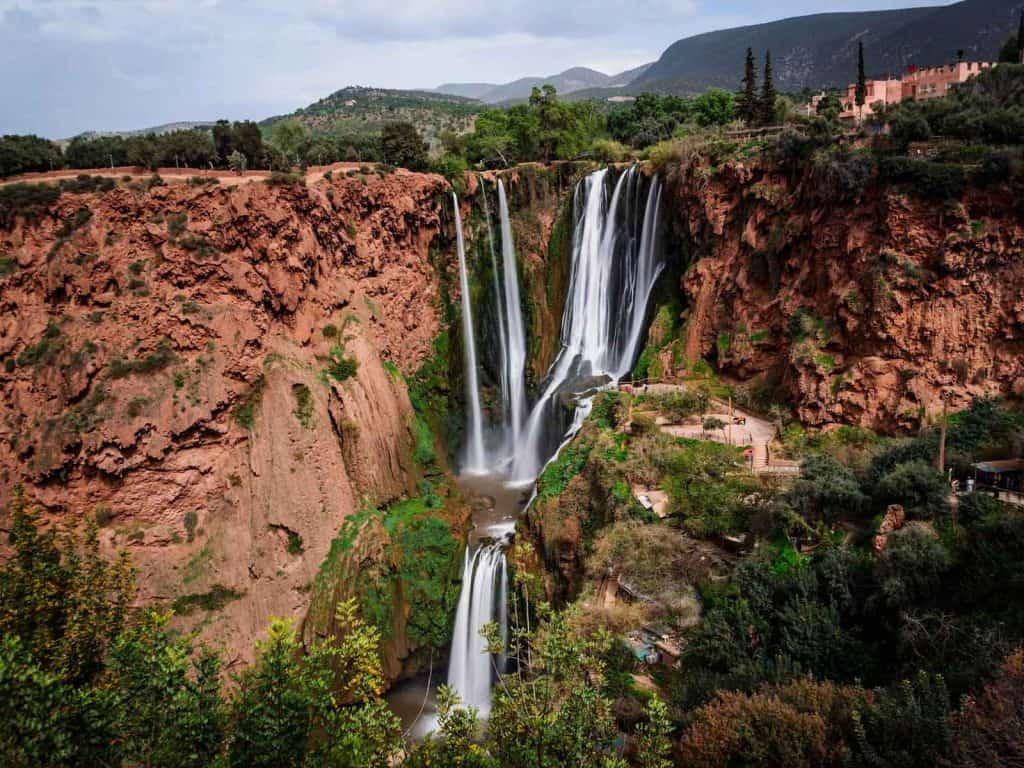
The African landscapes in Wharton’s work are characterized by their vivid portrayal and symbolic significance. The vast deserts, rugged mountains, and bustling urban centers are depicted with such vitality that they transcend their role as mere settings, becoming integral characters that influence the narrative’s tone and direction. This portrayal imbues the landscape with agency, reflecting the internal states of the characters and the societal tensions inherent within Moroccan culture.
Symbolism and Thematic Exploration
Wharton employs the landscape symbolically to explore themes such as isolation, resilience, and transformation. The harshness of the desert, for instance, serves as a metaphor for the challenges faced by individuals navigating the complexities of cross-cultural encounters and the impact of colonialism on indigenous populations. This thematic depth enriches the narrative, offering readers a layered understanding of the interplay between environment and society.
Colonial Influences and Perspectives
Influence of French Colonialism on Narrative
Wharton’s journey was undertaken under the auspices of French colonial authorities, with General Lyautey accompanying her. This proximity to colonial power structures inevitably influenced her narrative, aligning her observations with the colonial agenda of civilization and governance. Her detailed accounts often reflect the complexities and contradictions of colonial rule, highlighting both the administrative efforts to modernize and the resulting cultural disruptions.
Critical and Reinforcing Colonial Narratives
While Wharton offers critiques of the French colonial administration, her narrative does not entirely escape the reinforcement of Orientalist stereotypes. By portraying Moroccan society as exotic and, at times, in need of Western intervention, she unwittingly perpetuates certain colonial ideologies. This duality illustrates the inherent tension between her critical observations and the prevailing colonial discourse, presenting a narrative that is both progressive and constrained by its historical context.
Literary Techniques and Narrative Strategies
Descriptive Richness and Sensory Engagement
Wharton’s narrative is distinguished by its descriptive richness, employing sensory language to bring Moroccan society and landscapes to life. Her ability to capture the nuances of sight, sound, and atmosphere allows readers to immerse themselves in the Moroccan milieu, fostering a deeper emotional and intellectual engagement with the text.
Personal Anecdotes and Reflective Insights
Integrating personal anecdotes and reflective insights, Wharton adds a layer of intimacy and authenticity to her narrative. These elements not only humanize her experiences but also serve as a vehicle for broader cultural and societal reflections, bridging the gap between personal observation and universal themes.
Comparative Analysis
Wharton vs. Contemporary Travel Narratives
Compared to her contemporaries, Wharton’s "In Morocco" offers a more nuanced and critical portrayal of Moroccan society. While many travel narratives of the early 20th century leaned heavily into Orientalist stereotypes and exotic romanticism, Wharton’s work distinguishes itself through its balanced approach, blending descriptive elegance with critical examination of colonial influences and societal norms.
Influence on Subsequent Literature
Wharton’s integrative approach to landscape and society has left an indelible mark on subsequent generations of writers. Her ability to intertwine environmental descriptions with cultural analysis serves as a benchmark for exploring the interplay between setting and societal dynamics in travel literature. This influence is evident in the works of later authors who seek to balance aesthetic portrayal with critical engagement in their narratives of foreign cultures.
Critical Reception and Legacy
Initial Reception and Contemporary Enduring Appeal
Upon its release, "In Morocco" was lauded for its vivid descriptions and insightful observations. Over time, the work has sustained its relevance, continuing to attract scholarly attention for its complex portrayal of Moroccan society and landscapes. Its enduring appeal lies in its ability to offer a window into the cultural and historical contexts of early 20th-century Morocco through a Western lens.
Modern Reassessments and Academic Perspectives
Modern academic perspectives critically reassess Wharton’s work, acknowledging both its literary merits and its limitations within the frameworks of Orientalism and colonialism. Scholars commend her descriptive prowess and genuine curiosity while also critiquing the perpetuation of certain stereotypes and her alignment with colonial narratives. This balanced reassessment underscores the importance of contextualizing historical literary works within their cultural and ideological milieus.
Comparative Analysis Table
| Aspect | Exoticism and Orientalism | Genuine Curiosity and Critical Engagement |
|---|---|---|
| Perspective | Romanticizes Moroccan culture with exotic allure. | Balances romanticism with sincere attempts to understand societal complexities. |
| Representation of Women | Highlights harems and traditional roles, reinforcing stereotypes. | Critiques restrictive social norms while acknowledging cultural nuances. |
| Landscape Portrayal | Depicts landscapes as mysterious and alluring backdrops. | Portrays landscapes as active elements influencing societal dynamics. |
| Colonial Influence | Aligns with colonial narratives of Western superiority. | Offers subtle critiques of colonial administration’s impact. |
| Narrative Technique | Utilizes sensory-rich descriptions to evoke exoticism. | Integrates personal anecdotes and reflective insights for deeper engagement. |
Conclusion
Edith Wharton’s "In Morocco" stands as a testament to the intricate dynamics of Western fascination with the exotic, wherein exoticism and genuine curiosity coexist within a colonial framework. Her detailed and vivid portrayals of Moroccan society and African landscapes reflect a delicate balance between romanticized admiration and critical observation. While her work is undeniably influenced by Orientalist and colonial ideologies, it also exhibits a sincere endeavor to understand and document the complexities of Moroccan culture. This duality not only enriches the narrative but also invites readers to engage with the broader discourse on cultural representation and the enduring challenges of cross-cultural engagement. Wharton’s legacy, therefore, lies in her ability to capture the essence of a foreign landscape while navigating the nuanced interplay of admiration, critique, and colonial influence.
References
 freeditorialblog.wordpress.com
Last updated February 15, 2025