
Why Python?
The versatile language powering today's technology
Key Takeaways
- Simplicity and Readability: Python's intuitive syntax and clean code structure make it accessible for beginners and efficient for experts.
- Extensive Libraries and Frameworks: A rich ecosystem of libraries and frameworks supports a wide range of applications, from web development to artificial intelligence.
- Strong Community and Career Opportunities: An active and supportive community fosters continuous learning and provides numerous career prospects across various industries.
Introduction
Python has solidified its position as one of the most popular and widely-used programming languages in the world. Its rise to prominence is attributed to a combination of simplicity, versatility, and a vibrant community that continuously contributes to its growth and evolution. Whether you are a budding programmer, a seasoned developer, or a professional in data science, automation, or web development, Python offers tools and frameworks that cater to a diverse array of needs. This comprehensive guide explores the multifaceted reasons behind Python's widespread adoption and enduring popularity.
Simplicity and Readability
Intuitive Syntax
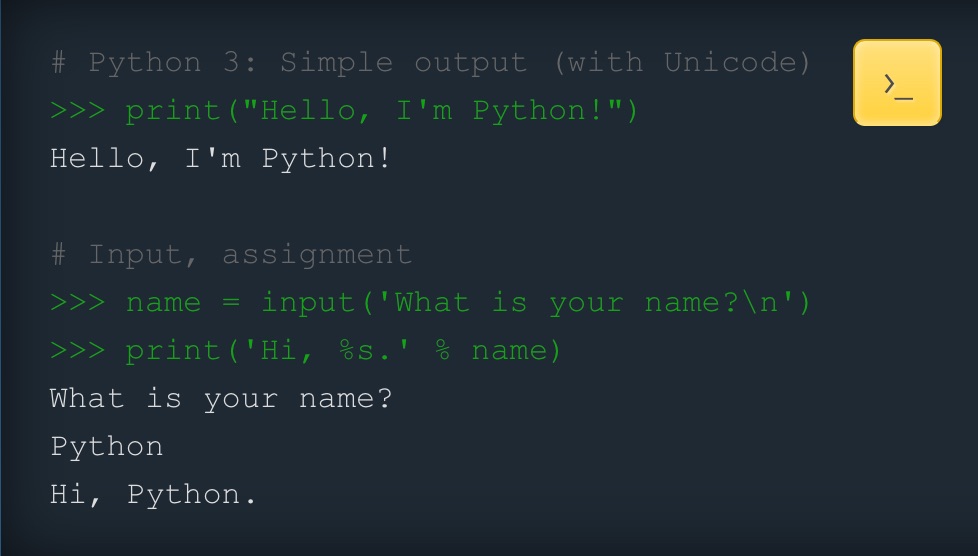
One of Python's most lauded features is its clean and readable syntax, which closely resembles natural English. This design philosophy minimizes the complexity often associated with programming languages, allowing developers to express concepts in fewer lines of code. For example, Python uses indentation to define code blocks instead of brackets or keywords, which enforces a uniform coding style and enhances readability.
Ease of Learning
Python is renowned for having a gentle learning curve, making it an ideal choice for beginners. The language's straightforward syntax and clear structure enable newcomers to grasp fundamental programming concepts without getting bogged down by intricate syntax rules. Educational institutions and online platforms frequently use Python as the introductory language for computer science courses, underscoring its accessibility and educational value.
Extensive Libraries and Frameworks
Standard Library
Python's extensive standard library offers modules and functions for a wide range of tasks, from file I/O and system calls to web services and data manipulation. This comprehensive library reduces the need for external dependencies, allowing developers to accomplish more with fewer lines of code. Modules like datetime, json, and os are just a few examples of the robust tools available out-of-the-box.
Third-Party Packages
Beyond the standard library, Python's Package Index (PyPI) hosts over 300,000 third-party packages that extend the language's capabilities. Whether you're looking to perform complex data analyses, build sophisticated web applications, or implement machine learning models, there's likely a Python package tailored to your needs. Libraries such as NumPy and Pandas revolutionize data manipulation, while TensorFlow and PyTorch drive advancements in artificial intelligence and machine learning.
Specialized Frameworks
Frameworks streamline the development process by providing predefined structures and components tailored to specific types of applications. In web development, frameworks like Django and Flask offer robust tools for building scalable and secure web applications. For data science and machine learning, frameworks such as Keras facilitate the creation of complex neural networks with minimal code. These specialized frameworks not only enhance productivity but also ensure that applications adhere to industry best practices.
Versatility and Broad Applications
Web Development
Python excels in web development, thanks to its powerful frameworks and libraries. Django, a high-level framework, enables the rapid development of secure and maintainable websites by following the "batteries-included" philosophy. Flask, on the other hand, offers a more lightweight and flexible approach, allowing developers to customize their applications as needed. These frameworks simplify tasks such as database integration, URL routing, and template rendering, making Python a popular choice for building everything from simple blogs to complex web applications.
Data Science and Machine Learning
Python is the go-to language for data science and machine learning due to its rich ecosystem of libraries designed for data analysis, visualization, and modeling. Libraries like pandas and NumPy provide powerful data manipulation capabilities, while Matplotlib and Seaborn excel in data visualization. For machine learning and artificial intelligence, frameworks such as TensorFlow and PyTorch offer comprehensive tools for building and deploying sophisticated models. This makes Python indispensable for professionals working in data-driven fields.
Automation and Scripting
Python's simplicity and powerful libraries make it ideal for automating repetitive tasks and scripting. Whether it's automating file management, web scraping, or system administration, Python scripts can significantly enhance productivity and reduce the likelihood of human error. Tools like Selenium for browser automation and BeautifulSoup for web scraping enable developers to automate complex workflows with minimal effort.
Game Development
While Python may not be the first choice for high-performance game development, it offers libraries like Pygame that facilitate the creation of simple 2D games. These libraries provide functionalities for handling graphics, sound, and user input, making it easier for developers to prototype game ideas and learn the fundamentals of game design.
Scientific Computing
In scientific research and engineering, Python is leveraged for its robust computational libraries. Tools like SciPy provide advanced mathematical functions, while SymPy offers capabilities for symbolic mathematics. These tools are invaluable for conducting simulations, performing complex calculations, and analyzing scientific data, thereby supporting advancements in various scientific disciplines.
Cross-Platform Compatibility
Portability Across Operating Systems
Python's cross-platform nature ensures that code written on one operating system can run seamlessly on others, including Windows, macOS, and Linux. This portability eliminates the need for platform-specific adjustments, allowing developers to create applications that reach a wider audience without additional overhead.
Integration Capabilities
Python's ability to integrate with other languages and technologies enhances its versatility. For instance, Python can interface with C or C++ code to optimize performance-critical sections of an application. Additionally, Python can be embedded within larger software systems, enabling seamless communication between different components and facilitating the development of hybrid applications.
Strong Community Support
Active Developer Community
Python boasts one of the largest and most active developer communities in the programming world. This vibrant community contributes to the language's growth by developing new libraries, frameworks, and tools, as well as by participating in discussions and forums. Platforms like Stack Overflow, GitHub, and Reddit serve as hubs for developers to collaborate, share knowledge, and seek assistance, fostering an environment of continuous learning and improvement.
Learning Resources
The abundance of learning resources available for Python is unparalleled. From comprehensive official documentation and tutorials to a myriad of online courses, books, and interactive coding platforms, learners of all levels can find materials tailored to their needs. This extensive repository of resources simplifies the learning process and accelerates skill acquisition, making it easier for individuals to become proficient in Python.
Regular Updates and Improvements
Python's development is characterized by consistent updates and enhancements, ensuring that the language remains current and evolves to meet the demands of modern programming. The introduction of new features, performance optimizations, and security improvements reflects the community's commitment to maintaining Python's relevance and efficiency. Regular releases, along with long-term support versions, provide stability and reliability for developers relying on Python for their projects.
Open Source and Free
Accessibility
Python is an open-source language, which means it is freely available for anyone to use, modify, and distribute. This accessibility lowers the barriers to entry for individuals and organizations, fostering a diverse ecosystem of users and contributors. Whether for personal projects, educational purposes, or commercial applications, Python's free availability makes it an attractive option for a wide range of use cases.
Collaborative Development
The open-source nature of Python encourages collaborative development and community-driven improvements. Contributors from around the globe actively participate in refining the language, fixing bugs, and developing new features. This collective effort ensures that Python remains robust, secure, and adaptable to emerging technological trends.
Productivity and Rapid Development
High-Level Language
As a high-level programming language, Python abstracts away many of the low-level details inherent in machine-level programming. This abstraction allows developers to focus on solving complex problems and implementing features without getting bogged down by intricate hardware or memory management concerns. The result is increased productivity and faster development cycles.
Efficient Development Cycle
Python's ability to facilitate rapid prototyping is one of its standout features. Developers can quickly iterate on ideas, test hypotheses, and deploy applications with minimal setup time. The language's simplicity, combined with its powerful libraries, enables the swift development of functional prototypes, which can then be refined into fully-fledged applications, significantly reducing time-to-market.
Career Opportunities
In-Demand Skills
Proficiency in Python is highly sought after in the job market. As industries increasingly rely on data analytics, machine learning, and automation, the demand for Python developers continues to rise. Organizations across sectors such as technology, finance, healthcare, and academia prioritize candidates with Python expertise for roles ranging from software development to data science and machine learning engineering.
Diverse Roles
Python's versatility opens doors to a myriad of career paths. Professionals can pursue roles such as web developers, data analysts, machine learning engineers, DevOps engineers, and more. The language's applicability across different domains ensures that individuals can tailor their career trajectories to align with their interests and industry demands.
Scalability
Enterprise Adoption
Python's scalability makes it suitable for both small-scale projects and large enterprise applications. Major technology companies like Google, Netflix, and Instagram rely on Python for various aspects of their infrastructure, demonstrating its capacity to handle complex and high-traffic systems. The language's ability to scale ensures that applications can grow in functionality and user base without compromising performance.
Handling Complex Systems
Python's support for modular programming and its extensive library ecosystem enable developers to manage and maintain complex systems effectively. The language's flexibility allows for the integration of various components, facilitating the development of sophisticated applications that can evolve to meet changing requirements and technological advancements.
Conclusion
Python's enduring popularity is a testament to its multifaceted strengths. From its simple and readable syntax to its extensive libraries and robust community support, Python offers a comprehensive toolkit for developers across various domains. Its versatility enables applications in web development, data science, automation, and more, while its scalability ensures suitability for both small projects and large-scale enterprise systems. Moreover, Python's open-source nature and the wealth of learning resources contribute to a thriving ecosystem that fosters continuous growth and innovation. For individuals seeking to embark on a programming career or professionals aiming to expand their technical repertoire, Python stands out as an exceptional choice that promises both immediate benefits and long-term opportunities.
References
Last updated January 23, 2025