
Overview of World War I
Introduction
World War I, also known as the Great War, was a global conflict that lasted from 1914 to 1918. It was one of the deadliest conflicts in history, resulting in an estimated 10 million military deaths, over 20 million wounded, and approximately 10 million civilian deaths due to various causes including genocide. The war fundamentally reshaped the world's political landscape, leading to the fall of empires, significant geopolitical changes, and setting the stage for future global conflicts.
Causes of World War I
System of Alliances
The intricate web of alliances in Europe was a significant factor that escalated a localized conflict into a global war. The major alliances were:
- Triple Alliance: Comprising Germany, Austria-Hungary, and Italy. This alliance was primarily defensive, intended to protect each member in the event of an attack on any one of them.
- Triple Entente: Consisting of France, Russia, and the United Kingdom. Unlike the Triple Alliance, this was more of an understanding rather than a formal alliance, aimed at counterbalancing the power of the Triple Alliance.
The existence of these alliances meant that any conflict involving one country could rapidly involve its allies, transforming a bilateral dispute into a multi-national war.
Imperialism
Competition for colonies and global dominance fueled rivalries among European powers. Nations like Britain and France had extensive colonial empires, and new territories in Africa and Asia became points of contention. The scramble for colonies not only heightened tensions but also led to conflicts of interest between the major powers.
Militarism
The late 19th and early 20th centuries saw a significant arms race, particularly between the United Kingdom and Germany. Nations invested heavily in building large militaries and advanced weaponry, fostering a culture that glorified military power and preparedness for war. This arms buildup made the prospect of war more likely as countries were both willing and able to engage in large-scale conflict.
Nationalism
Intense patriotism and the desire for national self-determination among various ethnic groups contributed to instability, particularly in the Balkans. Slavic nationalism, for instance, was a major factor in the tensions between Serbia and Austria-Hungary. Nationalistic fervor not only unified populations but also exacerbated rivalries and hostilities between nations.
Assassination of Archduke Franz Ferdinand
The immediate catalyst for World War I was the assassination of Archduke Franz Ferdinand of Austria-Hungary on June 28, 1914, by Gavrilo Princip, a Bosnian Serb nationalist, in Sarajevo. This event set off a chain reaction of diplomatic failures, military mobilizations, and declarations of war that rapidly escalated into a full-scale global conflict.
Major Combatants
Allied Powers (Entente)
The Allied Powers, initially comprising France, the United Kingdom, and Russia, expanded to include Italy in 1915, Japan, and the United States in 1917, among others. The entry of the United States provided a significant boost to the Allies both in terms of resources and military strength.
Central Powers
The Central Powers primarily included Germany, Austria-Hungary, the Ottoman Empire, and Bulgaria. These nations were bound together by their mutual interests and alliances, presenting a formidable opposition to the Allied forces.
Major Fronts and Key Battles
Western Front
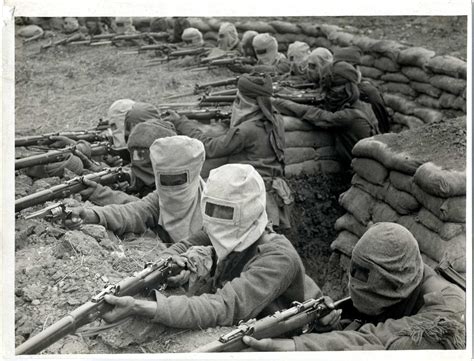
The Western Front was characterized by trench warfare, where both sides dug extensive networks of trenches that stretched from the North Sea to Switzerland. This front saw some of the most brutal and protracted battles of the war.
Battle of the Marne (1914)
The Battle of the Marne was a decisive early battle that prevented the German forces from capturing Paris. The Allies' successful defense marked the failure of Germany’s initial plan for a swift victory and led to the stalemate of trench warfare.
Battle of Verdun (1916)
One of the longest and bloodiest battles in history, the Battle of Verdun saw immense casualties on both sides. It became a symbol of French determination and the futility of attritional warfare.
Battle of the Somme (1916)
The Battle of the Somme is infamous for its high casualty rates and the first use of tanks on the battlefield. It exemplifies the horrific nature of trench warfare and the massive loss of life for minimal territorial gain.
Eastern Front
The Eastern Front involved large-scale movements of troops and shifting battle lines, primarily between German and Russian forces. Unlike the Western Front, the Eastern Front was more fluid, with significant engagements that influenced the overall direction of the war.
Other Significant Fronts
The war was fought on multiple fronts beyond Europe, including the Middle East, Africa, and the Asia-Pacific region. Notable campaigns include the Gallipoli Campaign and the battles in the Middle Eastern theatre, which involved the British Empire against the Ottoman Empire.
Technological and Tactical Innovations
World War I saw significant advancements in military technology and tactics, many of which had lasting impacts on warfare:
- Trench Warfare: Defined by static lines, trench warfare led to prolonged stalemates and high casualties.
- Chemical Weapons: The introduction of gas warfare, including chlorine and mustard gas, caused severe injuries and deaths, adding a new dimension of horror to the battlefield.
- Tanks and Mechanized Warfare: Tanks were introduced to overcome the challenges of trench warfare, representing a shift towards more mobile and mechanized forms of combat.
- Aerial Warfare: Aircraft were used for reconnaissance, bombing, and dogfighting, adding an aerial component to the conflict.
- Artillery: The widespread use of heavy artillery resulted in devastating bombardments that shaped the course of many battles.
Consequences of World War I
Human and Economic Costs
The human toll of World War I was staggering, with approximately 17 million deaths and countless more wounded or missing. Economically, the war drained national treasuries, led to rampant inflation, and caused widespread economic hardship across Europe and beyond.
Political Changes and Collapse of Empires
The aftermath of the war saw the collapse of four major imperial dynasties: the German, Russian, Austro-Hungarian, and Ottoman Empires. This led to the redrawing of national borders and the creation of new states in Europe and the Middle East. The power vacuum and political instability left many regions prone to future conflicts.
Treaty of Versailles
The Treaty of Versailles, signed in 1919, officially ended the war but imposed harsh penalties and reparations on Germany. These terms fostered widespread resentment and economic difficulties in Germany, contributing to the rise of Adolf Hitler and the onset of World War II.
Social and Cultural Impact
World War I had profound social and cultural impacts. The immense loss of life and the horrors of trench warfare led to widespread disillusionment and a questioning of traditional values. The war also accelerated changes in societal norms, including the role of women, who entered the workforce in unprecedented numbers during the war.
Formation of the League of Nations
In an effort to prevent future global conflicts, the League of Nations was established as part of the Treaty of Versailles. Although it represented a significant step towards international cooperation and collective security, the League ultimately proved ineffective in preventing the outbreak of World War II.
Technological and Military Advancements
The war spurred numerous technological and military advancements that shaped future warfare. Innovations such as tanks, aircraft, and chemical weapons introduced during World War I continued to evolve and be utilized in subsequent conflicts, changing the nature of military engagements.
Legacy of World War I
World War I left an indelible mark on global history. It not only reshaped political boundaries and societies but also set the stage for major geopolitical shifts in the 20th century. The war's legacy includes the lessons learned about the dangers of militarism, alliance systems, and the catastrophic consequences of global conflict, lessons that have informed international relations and conflict resolution efforts ever since.
Last updated January 3, 2025