
Investigating the Use of Acorus calamus in Constructed Wetlands for ARB Removal
Exploring the Current Research Landscape and Future Directions for Antibiotic-Resistant Bacteria Mitigation
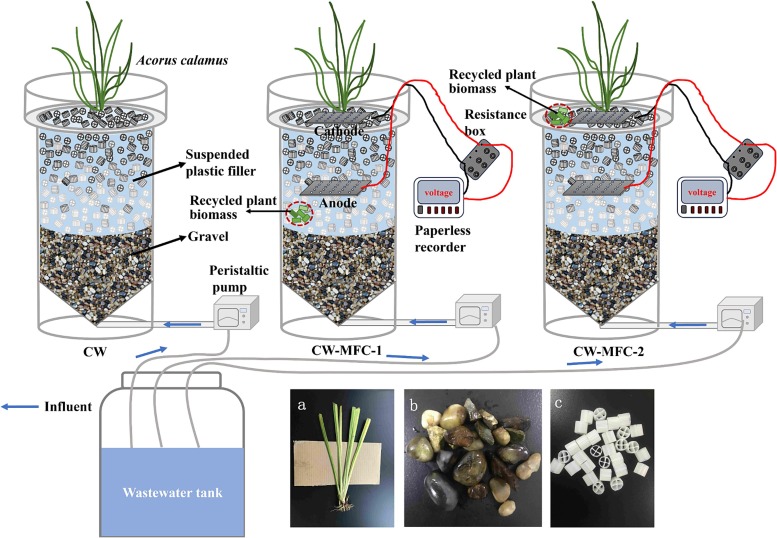
Researchers have long recognized constructed wetlands (CWs) as sustainable, cost‐effective solutions for wastewater treatment and pollutant removal. A variety of macrophytes, including Acorus calamus (commonly known as sweet flag), have been utilized within CWs to facilitate the degradation or removal of organic pollutants, nutrients, and even pharmaceuticals. In recent years the expanding global concern over antibiotic resistance has pushed for deeper insights into how these CW systems might be optimized to target antibiotic-resistant bacteria (ARB). However, as of now, there appears to be no research paper exclusively dedicated to the direct removal of ARB using Acorus calamus in constructed wetland systems. This comprehensive overview synthesizes the current field of research, highlights related work, and suggests directions for future research endeavors.
Key Takeaways
- Existing CW Studies Focus Broadly: Most research on CWs addresses general contaminant removal, including nutrient, organic pollutant, and even some antibiotic removal, with macrophytes playing a key role.
- Indirect Evidence for ARB Enhancement: While no specific studies exclusively investigate Acorus calamus for ARB removal, literature suggests that planted wetlands generally show enhanced ARB removal compared to unplanted systems.
- Research Opportunities and Future Directions: There is significant potential for dedicated studies to explore the role of Acorus calamus in modulating microbial communities, root exudates, and biofilm formation that could contribute to the removal or inactivation of ARB.
Overview of Constructed Wetlands and Antibiotic Resistance
Constructed Wetlands as a Treatment Technology
Constructed wetlands have evolved as efficient natural treatment systems that mimic the purification processes observed in natural wetland ecosystems. They are designed to treat wastewater by combining physical, chemical, and biological processes. The processes include sedimentation, sorption, microbial degradation, plant uptake, and photolysis. Their low capital and operational costs, ease of maintenance, and ability to achieve simultaneous removal of multiple pollutants make them particularly attractive in both developed and developing regions.
There are several configurations of CWs, such as vertical-flow constructed wetlands (VFCWs), horizontal subsurface flow constructed wetlands (HSSF-CWs), and hybrid systems. Each design offers different hydrological and redox conditions, directly influencing pollutant removal efficiencies. Planted systems generally outperform unplanted ones due to the synergistic role of both plants and the associated microbial communities. These microbial communities, often enhanced by root exudates produced by a variety of macrophytes, play a pivotal role in the biodegradation of organic compounds, and lead to conditions that might favor ARB inactivation.
Antibiotic-Resistant Bacteria in Wastewater
Antibiotic-resistant bacteria (ARB) and associated genes (ARGs) present a significant public health challenge. Wastewater treatment plants and natural water bodies are frequently identified as hotspots for the dissemination of ARB. Conventional wastewater treatment processes are often designed to remove nutrients and organic matter; however, they may not adequately reduce the concentration of ARB or neutralize ARGs. This shortfall has led to investigations into alternative or supplementary treatment approaches—one of which is the use of constructed wetlands.
The integration of CWs as a tertiary or polishing treatment step offers the promise of further reducing ARB populations in treated effluents. It is generally observed that the presence of vegetation in CWs enhances the removal of microbial contaminants through mechanisms such as sedimentation, filtration by plant root systems, natural die-off, and competitive exclusion by environmental microorganisms. While comprehensive reviews and comparative studies have documented the general removal of pathogens and ARB in CWs, the specific role of individual plant species in this removal remains not fully elucidated.
Acorus calamus in Constructed Wetlands
Ecophysiological Properties of Acorus calamus
Acorus calamus is a perennial herb often incorporated in CWs owing to several advantageous properties. It is tolerant of waterlogged conditions, exhibits rapid growth, and is capable of uptake of various nutrients and pollutants. Although its role in the removal of organic contaminants, phosphorus, nitrogen, and even heavy metals has been examined, there is minimal information specifically addressing its ability to reduce ARB concentrations in the wetland environment.
The plant’s root system is known to provide an extensive surface area for the attachment and growth of microbial communities, which are instrumental in biodegradation processes. Root exudates from Acorus calamus may stimulate microbial activity, thereby enhancing the natural die-off of pathogenic organisms and possibly ARB through competitive interactions and increased oxygenation in the rhizosphere.
Studies on Pollutant Removal Using Acorus calamus
Several studies have investigated the performance of CWs planted with Acorus calamus for the removal of chemical oxygen demand (COD), total nitrogen (TN), total phosphorus (TP), surfactants, and inorganic contaminants such as arsenic. These studies indicate removal efficiencies ranging from moderate to high percentages depending on pollutant type and operational conditions. Importantly, published research has shown that planted CWs can achieve significantly higher removal efficiencies (often up to 81–93%) for pathogens and microbial contaminants compared to unplanted systems.
Although this body of work does not explicitly focus on ARB removal, the observed reductions in general bacterial counts and pathogens suggest that the combination of water filtration, microbial degradation, and plant-associated mechanisms contribute to diminishing the overall microbial load. Given the close connections between general microbial removal and ARB inactivation, these findings support the hypothesis that Acorus calamus may provide indirect benefits for the mitigation of ARB.
Direct Research on ARB Removal and the Role of Acorus calamus
Current Literature and Gaps
A thorough review of the literature indicates that, despite significant advancements in the treatment of wastewater using CWs, there are no research papers that directly focus on employing Acorus calamus specifically for the removal of antibiotic-resistant bacteria. Several studies have explored the efficiency of various CW configurations in reducing ARB and ARGs, and broad research into the role of macrophytes in altering microbial communities exists. However, the direct application of Acorus calamus within this context remains largely hypothetical, based on its known pollutant removal performance in other domains.
For instance, studies comparing the performance of planted versus unplanted wetlands have noted that the presence of vegetation generally enhances the reduction of ARB by a margin of 40–50% or more. Given that Acorus calamus is one of several candidate species used in these systems, its potential contribution to ARB removal is inferred rather than directly confirmed. Similarly, research employing different aquatic plants in CWs for the removal of antibiotics and antibiotic resistance genes indirectly suggests the capacity of such vegetation to modulate the microbial environment in a manner conducive to ARB inactivation.
While some literature has cited experimental setups where comparisons among plant species highlight the overall performance of the wetland system, these studies predominantly emphasize removal efficiencies of chemical pollutants and standard fecal bacteria indicators rather than conducting a gene-level analysis or culture-based assessment of ARB.
Furthermore, most of the research articles available in the literature tend to rely on broad descriptors such as “efficiency of antibiotic and ARG removal” in CWs. Specific intervention studies focusing on biochemical pathways, root exudate chemistry, or the specific microbial consortia associated with Acorus calamus in relation to ARB elimination are sparse. This underscores a significant research opportunity to bridge the gap by designing controlled experiments that target this relationship directly.
Potential Mechanisms for ARB Removal in the Presence of Acorus calamus
Root Exudates and Microbial Interactions
The root exudates produced by Acorus calamus comprise a complex blend of organic acids, phenolic compounds, and other bioactive molecules. Such exudates can enhance microbial growth and biofilm formation in the rhizosphere, which may facilitate degradation processes through co-metabolism or competitive exclusion. Moreover, some components of these exudates could possess antimicrobial properties that contribute to the inactivation of ARB. The enhanced oxygenation provided by the roots also supports aerobic degradation processes and thereby might lower the survivability of facultative anaerobic pathogens.
Substrate Interactions and Biofilm Formation
In addition to the plant-specific mechanisms, CWs are characterized by complex substrate matrices (e.g., gravel, sand, or specific adsorptive materials such as biochar) that promote the adhesion of bacteria. The interaction between the adsorptive substrate, the microbial biofilm that develops on it, and the root surfaces can lead to enhanced removal through physical filtration, bacterial predation, and natural die-off due to environmental stress. By studying these interactions with an emphasis on Acorus calamus, future research could more precisely define its role in facilitating these removal processes.
Environmental Conditions within CWs
Environmental parameters, including temperature, pH, dissolved oxygen, and hydraulic retention time, significantly influence the removal of contaminants in CWs. Acorus calamus has been noted for its tolerance to a range of such conditions, and its performance tends to be robust even in nutrient-rich or variable conditions. These attributes may indirectly contribute to ARB reduction by creating an environment that is either unfavourable for the survival of antibiotic-resistant microbes or that supports a competitive microbial community that displaces ARB.
Directions for Future Research
Need for Dedicated Studies
Considering the dearth of literature directly addressing the use of Acorus calamus for ARB removal in CW systems, dedicated research is strongly recommended. Future studies should focus on:
- Direct Measurement of ARB and ARGs: Experimental designs that include quantitative PCR (qPCR) for ARG detection and culture-based methods for ARB quantification would be critical in assessing the bactericidal or inhibitory effects of Acorus calamus in CWs.
- Comparative Analysis among Macrophytes: Setting up comparative experiments between Acorus calamus and other widely studied macrophytes (such as Phragmites australis, Cyperus alternifolius, and Juncus acutus) can provide clearer insights into its relative effectiveness in ARB removal.
- Root Exudate Characterization: Detailed investigation into the chemical constituents of Acorus calamus exudates and their antimicrobial properties could reveal specific compounds responsible for the inhibition of ARB growth.
- Impact of Environmental Variables: Controlled studies varying key environmental parameters (temperature, hydraulic retention time, pH, substrate type) would better delineate the operational windows where ARB removal is maximized.
Such focused studies would not only verify the potential benefits suggested by indirect evidence but also help optimize CW designs specifically for the mitigation of antibiotic resistance in treated effluents.
Integration with Other Treatment Methods
It is likely that the most effective approach to ARB removal involves a combination of techniques. Constructed wetlands can be integrated with other advanced treatment processes—such as ozonation, membrane bioreactors, or advanced oxidation processes—in a treatment train. Enhancing each stage with carefully chosen plant species like Acorus calamus could further ensure that any residual ARB in the effluent are minimized prior to discharge into the environment.
Combining conventional approaches with CW systems not only leverages the natural remediation processes but also complements them with engineered interventions, thus ensuring both economic feasibility and improved effluent quality.
Case Studies and Comparative Data
Overview Table of Constructed Wetland Studies Addressing Microbial Removal
| Study Focus | Macrophyte Species | Removal Efficiency (General Pathogens/ARBs) | Key Findings |
|---|---|---|---|
| General pollutant removal | A combination of species including Acorus calamus and others | Up to 70–90% | Planted CWs perform significantly better than unplanted systems. |
| ARB/ARG reduction using CWs | Phragmites australis, Cyperus alternifolius, etc. | Enhanced removal (often 80–93% reduction observed in some configurations) | The presence of vegetation aids in microbial degradation and physical filtration. |
| Phytoremediation of organic and emerging pollutants | Acorus calamus among others | High removal rates for nutrients and several organic contaminants | Though not specific to ARBs, removal of associated pollutants indicates robust microbial activity, which may reduce ARB prevalence. |
Although the table highlights multi-faceted research on CWs, none of the studies focus exclusively on Acorus calamus applied to ARB removal. This gap presents an opportunity for future work that concentrates on isolating and validating the specific benefits of Acorus calamus in this context.
Conclusion
To conclude, while current literature does not include a research paper solely dedicated to the removal of antibiotic-resistant bacteria using Acorus calamus in a constructed wetland system, there is substantial indirect evidence and a strong rationale suggesting its potential contribution. Constructed wetlands are recognized for their effectiveness in reducing a broad spectrum of pollutants, with macrophytes playing a pivotal role in enhancing microbial processes that lead to ARB reduction. Acorus calamus, given its robust growth and advantageous root morphology, could function as an effective bioremediation agent. Future research should focus on direct experimental validations, comparing various plant species under controlled conditions, and characterizing the specific mechanisms by which Acorus calamus may reduce ARB and ARGs. This will help bridge the current knowledge gap and lead to improved design and operation of sustainable wastewater treatment systems.
References
-
ScienceDirect Article - ScienceDirect
-
PMC Article - NCBI
-
PMC Article - NCBI
- ResearchGate Publication - ResearchGate
- MDPI Article - MDPI
More Related Queries
Last updated February 18, 2025