
Key Steps for a Climate Change and Vulnerability Assessment for ADB
Ensuring Resilient Development through Comprehensive Climate Risk Management
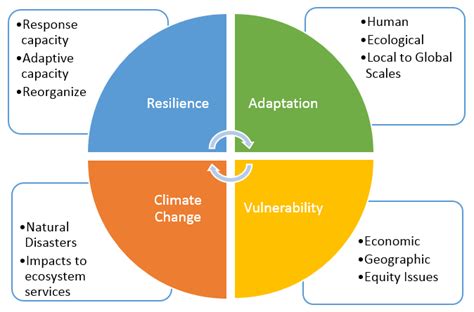
Key Takeaways
- Comprehensive Project Screening: Early identification of climate risks ensures projects are resilient and sustainable.
- Stakeholder Engagement and Capacity Building: Involving local communities and stakeholders fosters inclusive adaptation strategies.
- Integrated Monitoring and Evaluation: Continuous assessment of adaptation measures promotes long-term effectiveness and learning.
1. Establish the Context of Vulnerability
Defining Scope and Understanding the Environment
Begin the assessment by clearly defining its scope, which encompasses the geographical area of interest, relevant sectors (such as agriculture, water resources, infrastructure), and key stakeholders involved. This foundational step ensures that the assessment is tailored to the specific needs and contexts of the project. Identifying appropriate climate change scenarios and timeframes—whether short-term, medium-term, or long-term—is essential for aligning the assessment with the project's lifecycle and expected climatic developments.
Understanding the socio-economic and environmental context of the region or community under assessment is crucial. This involves analyzing demographic trends, economic activities, existing infrastructure, and natural resource distribution. Such an in-depth understanding helps in pinpointing the specific vulnerabilities and resilience factors that may influence the project's success in the face of climate change.
2. Climate Risk Screening
Preliminary Identification of Climate Risks
Climate risk screening is a critical early step in determining which projects are susceptible to climate-related risks. This process involves categorizing projects into low, medium, or high-risk levels based on their exposure to various climate hazards such as flooding, heatwaves, cyclones, and sea-level rise. Utilizing established frameworks, like the Asian Development Bank’s (ADB) Climate Risk Management Framework, facilitates a systematic evaluation of each project's vulnerability.
This screening process leverages tools and datasets that provide historical climate data and future climate projections. By assessing factors such as exposure (the extent to which a system is exposed to climate hazards), sensitivity (how susceptible a system is to harm), and adaptive capacity (the ability of a system to adjust to climate changes), the screening helps prioritize projects that require more in-depth analysis and adaptation measures.
3. Data Collection and Analysis
Gathering and Interpreting Relevant Data
Accurate data collection and analysis form the backbone of a robust climate change and vulnerability assessment. This stage involves gathering historical climate data, such as temperature and precipitation records, as well as future climate projections from reliable sources like climate models and meteorological agencies. Socio-economic data, including population demographics, economic activities, and infrastructure details, are also collected to contextualize the climate data.
Analyzing these data sets involves identifying trends and patterns in climate variables, assessing the frequency and intensity of extreme weather events, and understanding their potential impacts on different sectors. For instance, an increase in temperature and changing precipitation patterns might significantly affect agricultural productivity and water resource availability. Detailed data analysis enables the identification of specific vulnerabilities within the project’s scope, informing targeted adaptation strategies.
4. Hazard Identification and Analysis
Determining Climate Hazards and Their Impacts
Hazard identification involves pinpointing the specific climate-related threats that could impact the project area. This includes assessing potential climate hazards such as temperature extremes, heavy rainfall, droughts, cyclones, and sea-level rise. Analyzing historical weather patterns and environmental changes provides insights into the frequency and severity of these hazards, while climate models help project future conditions.
This comprehensive analysis ensures that all relevant hazards are considered, enabling the development of a nuanced understanding of the potential risks. Understanding the nature of these hazards allows for the anticipation of both immediate and long-term impacts on the project, ensuring that appropriate adaptation measures can be devised and implemented.
5. Exposure and Sensitivity Assessment
Evaluating How Systems are Affected by Climate Risks
Assessing exposure involves determining the extent to which various systems—physical, social, or economic—are subject to identified climate risks. Sensitivity assessment evaluates how susceptible these systems are to adverse effects. For example, a coastal infrastructure project may have high exposure to sea-level rise and storms, while its sensitivity could be gauged by the projected extent of flooding and its impact on structural integrity.
This assessment also involves evaluating the vulnerability of key sectors, such as agriculture, which might be sensitive to changes in rainfall patterns, or infrastructure that may be at risk from extreme weather events. Additionally, it includes identifying vulnerable populations, including marginalized communities, women, and children, who might be disproportionately affected by climate impacts due to socio-economic factors.
6. Impact Assessment
Analyzing Direct and Indirect Effects of Climate Change
Impact assessment delves into the potential consequences of climate change on the project. This involves analyzing both direct impacts, such as damage to infrastructure from extreme weather events, and indirect impacts, like disruptions to supply chains or economic activities. The assessment considers both short-term effects, such as immediate damage from a storm, and long-term consequences, such as gradual erosion or persistent drought conditions.
Quantifying potential economic losses, social disruptions, and environmental degradation provides a clear picture of the stakes involved. This comprehensive understanding of impacts allows for prioritizing risks based on their severity and likelihood, ensuring that the most critical vulnerabilities are addressed first in the adaptation planning process.
7. Adaptive Capacity Analysis
Assessing Current Coping Mechanisms and Institutional Strength
Adaptive capacity analysis evaluates the existing mechanisms and capacities that can help mitigate climate risks. This includes assessing institutional capacities, such as governmental bodies and local organizations, to implement and manage adaptation measures. It also involves reviewing available resources, including financial, technological, and human resources, that can support adaptation efforts.
Understanding these capacities helps identify gaps and barriers to effective adaptation, such as insufficient funding, lack of technical expertise, or institutional inertia. Addressing these barriers is essential for enhancing the overall resilience of the project, ensuring that adaptation measures are not only proposed but also effectively implemented and sustained over time.
8. Technical and Economic Evaluation of Adaptation Measures
Identifying and Appraising Adaptation Solutions
This step involves proposing and evaluating various technical, institutional, and policy measures aimed at reducing vulnerabilities and enhancing resilience. Adaptation measures might include infrastructure modifications, such as elevating buildings to prevent flood damage, implementing water conservation techniques, or adopting climate-resilient agricultural practices.
A critical component of this evaluation is the cost-benefit analysis (CBA), which assesses the financial viability and effectiveness of each proposed measure. The CBA can be expressed mathematically as:
$$ \text{Benefit-Cost Ratio (BCR)} = \frac{\text{Total Benefits}}{\text{Total Costs}} $$
A BCR greater than 1 indicates that the benefits of the adaptation measure outweigh the costs, making it a viable option. Prioritizing measures with the highest BCR ensures that resources are allocated efficiently, maximizing the impact of adaptation efforts within the project's budget constraints.
9. Adaptation Planning
Developing Climate Resilience Strategies
Adaptation planning involves formulating detailed strategies to implement the identified adaptation measures. This process should align with national climate plans, policies, and sector-specific guidelines to ensure coherence and support from broader policy frameworks. The planning phase should also consider the scalability and transferability of adaptation measures, allowing for adjustments based on evolving climate scenarios and project requirements.
Effective adaptation planning requires collaboration with stakeholders to incorporate diverse perspectives and expertise. This ensures that the strategies are context-specific and address the unique challenges and opportunities presented by the project's environment. Additionally, integrating these strategies into the overall project design and implementation framework promotes seamless adaptation alongside project execution.
10. Integration into Project Design and Decision-Making
Embedding Climate Resilience into All Project Phases
For adaptation measures to be effective, they must be integrated into every stage of the project cycle, from concept development through to implementation and post-implementation review. This means updating engineering designs to incorporate resilient construction practices, revising operational procedures to account for potential climate impacts, and adjusting environmental management plans to mitigate adverse effects.
Integrating adaptation strategies ensures that climate resilience is not an afterthought but a fundamental aspect of the project's design and execution. This alignment with national and international climate policies, such as the Paris Agreement and Sustainable Development Goals (SDGs), reinforces the project's contribution to broader climate resilience and sustainability objectives.
11. Stakeholder Engagement and Capacity Building
Fostering Inclusive and Sustainable Adaptation Practices
Engaging stakeholders—ranging from local communities and government agencies to private sector partners and non-governmental organizations—is essential for the success of the climate change and vulnerability assessment. Stakeholder engagement ensures that the perspectives, needs, and knowledge of those directly affected by the project are incorporated into the assessment and adaptation planning process.
Capacity building initiatives, such as training programs, workshops, and informational campaigns, empower stakeholders to understand and address climate risks effectively. These initiatives can enhance local institutions' ability to implement and manage adaptation measures, fostering a collaborative environment where resilience is collectively built and maintained. Promoting gender equality and social inclusion within these efforts ensures that adaptation benefits are equitably distributed across different segments of society.
12. Monitoring and Evaluation
Tracking the Effectiveness of Adaptation Measures
Establishing a robust monitoring and evaluation (M&E) framework is crucial for assessing the implementation and effectiveness of adaptation measures. This framework should include specific indicators that focus on climate risk metrics, such as reduction in vulnerability, improved resilience of infrastructure, and enhanced adaptive capacities of communities.
Regularly reviewing and updating the assessment ensures that it remains relevant and responsive to new data, changing conditions, and lessons learned from ongoing adaptation efforts. An effective M&E system facilitates transparency and accountability, providing stakeholders with clear insights into the progress and impact of adaptation measures. This continuous feedback loop supports the refinement and optimization of strategies, promoting long-term sustainability and resilience.
13. Knowledge Sharing and Reporting
Promoting Learning and Collaboration
Knowledge sharing and reporting are essential for fostering a culture of continuous learning and improvement within the organization and its partners. Sharing best practices, challenges, and innovative solutions through publications, workshops, and partner networks enhances collective understanding and promotes the adoption of effective adaptation strategies across different projects and regions.
Publishing data and findings supports broader regional and global climate assessments, contributing to the collective knowledge base on climate resilience. This dissemination of information enables other projects and organizations to learn from ADB’s experiences, facilitating regional collaboration and the scaling up of successful adaptation measures. Effective knowledge sharing not only strengthens individual projects but also builds a robust framework for regional and global climate resilience efforts.
14. Compliance with ADB’s Climate Financing Framework
Aligning with Climate Finance Commitments
Ensuring compliance with ADB’s Climate Financing Framework is essential for aligning project assessments and reports with the organization’s climate finance commitments. This involves integrating findings from the vulnerability assessment into a comprehensive Climate Change Assessment Report. The report should summarize the allocation of climate finance, detail the proposed adaptation measures, and outline how these measures contribute to the project’s overall resilience and sustainability objectives.
Alignment with the Climate Financing Framework not only ensures consistency across projects but also reinforces ADB’s commitment to sustainable and resilient development. This compliance supports the organization’s broader goals of mitigating climate risks and promoting adaptive capacities, thereby enhancing the overall impact and effectiveness of its development initiatives.
15. Risk Evaluation and Prioritization
Prioritizing Risks Based on Severity and Likelihood
Risk evaluation and prioritization involve synthesizing hazard identification, exposure, and vulnerability assessments to determine which risks require immediate and focused attention. By combining information on the severity and likelihood of each identified risk, projects can prioritize their adaptation efforts to address the most critical vulnerabilities first.
Effective prioritization ensures that limited resources are allocated efficiently, maximizing the impact of adaptation measures. Setting clear adaptation objectives based on this prioritization helps guide decision-making processes, ensuring that the most significant risks are mitigated and that the project maintains resilience in the face of evolving climate challenges.
Summary Table of Key Steps
| Step | Description |
|---|---|
| 1. Establish Context | Define scope, identify climate scenarios, understand socio-economic and environmental context. |
| 2. Climate Risk Screening | Identify medium/high-risk projects using ADB's Climate Risk Management Framework. |
| 3. Data Collection & Analysis | Gather and analyze historical and projected climate data alongside socio-economic information. |
| 4. Hazard Identification | Identify and analyze potential climate hazards specific to the project area. |
| 5. Exposure & Sensitivity Assessment | Evaluate the extent of exposure and sensitivity of systems to identified climate risks. |
| 6. Impact Assessment | Analyze direct and indirect impacts, quantifying potential economic and social losses. |
| 7. Adaptive Capacity Analysis | Assess existing coping mechanisms, institutional capacities, and identify barriers to adaptation. |
| 8. Technical & Economic Evaluation | Propose and conduct cost-benefit analyses of adaptation measures to determine feasibility. |
| 9. Adaptation Planning | Develop climate resilience strategies aligned with national policies and project goals. |
| 10. Integration into Project Design | Embed adaptation strategies into all phases of the project cycle for seamless implementation. |
| 11. Stakeholder Engagement | Engage stakeholders and build capacity to ensure inclusive and effective adaptation efforts. |
| 12. Monitoring & Evaluation | Establish M&E frameworks to track the implementation and effectiveness of adaptation measures. |
| 13. Knowledge Sharing | Share best practices and lessons learned to promote regional collaboration and learning. |
| 14. Compliance with Climate Financing | Align assessments and reports with ADB’s climate finance commitments and frameworks. |
| 15. Risk Evaluation & Prioritization | Prioritize risks based on severity and likelihood to guide effective adaptation planning. |
Conclusion
Conducting a comprehensive climate change and vulnerability assessment is pivotal for the Asian Development Bank (ADB) to ensure that its development projects are both resilient and sustainable. The detailed steps outlined—from establishing the context of vulnerability to integrating adaptation measures into project design—provide a structured and systematic approach to managing climate risks effectively.
Engaging stakeholders and building their capacity fosters inclusive adaptation strategies that benefit all sections of society, particularly vulnerable and marginalized groups. Continuous monitoring and evaluation ensure that adaptation measures remain effective and are improved over time, fostering a culture of learning and resilience within ADB's projects.
By adhering to these key steps, ADB can align its projects with national and international climate policies, thereby contributing significantly to global efforts to combat climate change and promote sustainable development. The integration of robust climate risk management practices not only mitigates potential adverse impacts but also enhances the overall effectiveness and longevity of development initiatives.
References
Last updated January 18, 2025