
Exploring the Multifaceted Features of the System Aggregated Entity Resource Tool
Delving deeply into capabilities from tournament brackets to economic analytics
Key Highlights
- Integrated Functionality: Combines bracket formats, seeding mechanisms, scheduling, and engagement features into one cohesive platform.
- Customization & Data Integration: Offers high-level customization and robust data integration to tailor to various event and tournament needs.
- Economic Impact Analysis: Provides detailed insights into economic outcomes while supporting resource management and decision making.
Overview of the System Aggregated Entity Resource Tool
The System Aggregated Entity Resource Tool (2018) is conceptualized as a dynamic platform designed to integrate multiple features that are crucial in the management and execution of tournaments, events, and other competitive scenarios. The tool, though not always explicitly labeled under this name in every instance in the market, embodies a range of functionalities including brackets generation, seeding, match scheduling, participant engagement, extensive customization options, comprehensive data integration, and even provisions for evaluating economic impact.
Several modern systems and platforms in tournament management and other aggregated resource domains borrow similar ideas, even if they approach them from slightly different angles. While the specific aggregation under the exact term “System Aggregated Entity Resource Tool” might be seen in patent literature or specialized internal systems, the overall principles have been implemented in numerous event management and data aggregation solutions.
Detailed Analysis of Each Feature
Brackets Format
Concept and Application
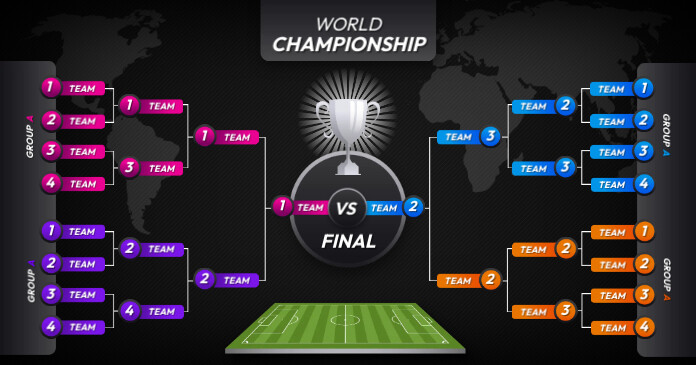
The brackets format is a fundamental component of any competitive tournament management system. It allows administrators to visually organize and monitor tournament progress. The brackets format supports various tournament designs such as knockout, double elimination, and round robin formats.
By utilizing a clear graphical interface, stakeholders can easily follow competitors' progress through the tournament. Many systems now offer automated bracket generation that updates seamlessly as matches progress. This is particularly useful in high-paced competitive environments where real-time updates are essential.
The graphical nature of bracket formats also aids in engagement, allowing fans and participants to visually comprehend the tournament structure and follow potential match-ups. The integration of such a feature into a system aggregated tool is a natural extension of its broader data visualization capabilities.
Seeding Mechanism
Optimizing Tournament Outcomes
Seeding mechanisms are integral to fair tournament operations. They are designed to rank participants based on performance, past results, or specific criteria set by tournament organizers. In the context of the System Aggregated Entity Resource Tool, seeding mechanisms can be dynamically generated using aggregated data inputs.
The automated seeding process ensures that higher-ranked players or teams are distributed evenly throughout the bracket. This minimizes early-stage mismatches and provides a more competitive structure. Advanced algorithms can also adjust seeding in real-time, making corrections based on live data inputs, ensuring that the competitiveness of the event is maintained.
Furthermore, the underlying data integration capability of the tool ensures that seeding is not based solely on manual input; it leverages historical data, performance statistics, and real-time analytics to determine optimal seeding arrangements.
Match Scheduling
Automated Planning and Timetable Optimization
Efficient match scheduling is critical to the smooth operation of high-profile tournaments. This functionality not only ensures the orderly progression of matches but also facilitates logistical planning for teams, venues, and broadcasting services.
With the integration of data aggregation, match scheduling can automatically adapt to unforeseen changes such as delays or rescheduling needs. The tool leverages real-time data to manage and update match timelines, ensuring minimal downtime and optimal use of available resources.
The feature extends to include notifications for participants and spectators alike in the form of automated updates, ensuring that all stakeholders are informed of any schedule changes, thus enhancing engagement and operational efficiency.
Engagement Features
Enhancing User Interaction
Engagement features are designed to increase both participant and spectator interaction during tournaments. These features typically include live scoring updates, leaderboards, head-to-head comparisons, and interactive dashboards.
By incorporating engagement functionalities, the system creates a more immersive experience. These tools not only keep users informed with the latest tournament updates but also allow for greater interactivity, from real-time commentary to social media integration.
Additionally, user engagement is further enhanced through integrated communication channels such as push notifications, email alerts, and in-app updates. This comprehensive approach ensures that the interaction layer of the tool remains robust and continually reflective of real-time events.
Customization
Adaptive and Configurable Solutions
One of the strongest attributes of the System Aggregated Entity Resource Tool lies in its high degree of customization. Every tournament or event has unique needs, and a one-size-fits-all approach rarely suffices. The customization capabilities allow administrators to tailor the dashboard, visual interfaces, scheduling parameters, and data feeds according to specific requirements.
Customization may include adjustments to the graphical representation of boards, personalized notifications, layout changes, and integration with external data sources. This ensures that the platform not only meets the demands of varying event types but remains flexible for growth and iterative improvements.
The ability to configure various aspects of the tool enhances user experience by ensuring that all participants—whether administrators, players, or spectators—receive a personalized and relevant interface.
Data Integration
Seamless Synthesis of Multi-Source Information
Data integration is one of the foundational elements that empower the System Aggregated Entity Resource Tool. This feature allows the consolidation of data from various sources, including user inputs, historical performance data, real-time analytics, financial metrics, and more.
A robust data integration framework enables continuous updates to tournament metrics, which in turn enhances functionalities such as bracketing, seeding, and match scheduling. The tool aggregates this data, allowing decision-makers to leverage insights effectively, thus streamlining operations and ensuring that data-driven strategies are implemented.
A well-integrated system provides a unified dashboard that presents all relevant metrics in an accessible view, ensuring that event management is both efficient and effective. This seamless integration process is crucial for tailoring responses based on actual performance, leading to smarter organizational decisions.
Economic Impact
Financial Analysis and Resource Optimization
Beyond operational management, the tool also extends into the realm of economic impact analysis. This feature supports the evaluation of economic benefits and resource allocation tied to tournament activities. For instance, organizers can analyze revenue generation opportunities, sponsorship activations, and fundraising results.
In-depth economic analysis is facilitated by integrating financial data analytics. This allows for the measurement of return on investment (ROI), cost-benefit analyses, and resource optimization strategies. The system is designed to calculate various economic parameters and provide insights into how financial resources are utilized and can be optimized further.
The economic impact component is particularly important for tournaments that engage multiple stakeholders, such as local communities, sponsors, and media partners. It provides a detailed breakdown of financial flows, enabling organizers to make informed decisions.
Integrated Feature Table
| Feature | Description | Key Benefits |
|---|---|---|
| Brackets Format | Visual organization of participant progress in various tournament configurations such as knockout or round robin formats. | Enhanced clarity, real-time updates, improved spectator engagement. |
| Seeding Mechanism | Automated ranking of participants using historical and real-time data to ensure evenly distributed brackets. | Fair competition, balanced match-ups, data-driven seeding. |
| Match Scheduling | Efficient planning of match times integrated with real-time updates and notifications to accommodate changes. | Optimized resource allocation, streamlined operations, improved communication. |
| Engagement Features | Interactive elements such as live scoring, leaderboards, notifications, and social media integration to boost user interaction. | Increased interaction, immersive user experience, constant real-time feedback. |
| Customization | Adjustable interfaces, configurable dashboards, and adaptable settings ensuring the tool meets the unique needs of each event. | Personalized user experience, flexibility, scalability. |
| Data Integration | Consolidation of multi-source data from participant statistics, financial metrics, and real-time analytics into one unified dashboard. | Comprehensive insights, unified view of data, improved operational efficiency. |
| Economic Impact | Analysis tools to evaluate the financial outcomes, sponsorship benefits, and economic benefits of tournament events. | Cost optimization, informed financial decision-making, resource maximization. |
Additional Perspectives and Context
While explicit mentions of the “System Aggregated Entity Resource Tool (2018)” are not widespread in every database or platform, the discussed features lay the groundwork for an extraordinarily versatile and adaptive platform. Many patent filings, such as those available from Google Patents and other innovation repositories, highlight the trend towards integrating multi-functional resource analytics into a single framework.
Broadly speaking, similar systems exist across various industry verticals. For example, platforms designed for esports events and other competitive sports now incorporate many of these features to drive live engagement and real-time analytics. The evolution towards more automated, data-driven systems means that today’s tournament management solutions are often built upon principles of data aggregation and dynamic customization.
From the synthesis of technical concepts to the digital implementation of engagement strategies, the idea is to create an ecosystem where operational efficiencies and participant experiences are enhanced through the use of intelligent software. Whether using proprietary systems or adopting commercial solutions, the alignment across these functionalities fosters a more integrated and effective management approach.
The Role of Data Aggregation in Modern Resource Tools
Data aggregation underpins most of the advanced features described above. By collecting various data sources—from player statistics to financial metrics—the tool is able to present a unified interface that not only drives operational insights but also contributes to strategic decision-making regarding event organization.
This integration allows event organizers to not only manage and adjust the logistics of the tournaments but also measure success through key performance indicators (KPIs) such as spectator engagement, player performance, and sponsors’ economic impact. In this manner, the platform becomes an indispensable tool in both real-time management and retrospective economic analysis.
Furthermore, as systems continue to evolve, features like machine learning and artificial intelligence are increasingly becoming part of data aggregation tools. These advanced systems can predict trends, optimize seedings, and even automate scheduling to unprecedented levels of efficiency. Such technological integrations ensure that platforms remain adaptable in an ever-changing competitive landscape.
Implementation and Practical Considerations
When considering the practical implementation of the System Aggregated Entity Resource Tool, developers and event organizers must address several critical components. This includes ensuring that the system is scalable enough to accommodate varying sizes of tournaments, flexible in integrating with other software ecosystems, and robust enough to handle real-time data updates.
It is equally important to develop user interfaces that are intuitive and allow easy customization. A configurable dashboard is key to ensuring that organizers, participants, and stakeholders can access the information pertinent to their respective roles. The seamless integration of data sources means that not only are operational decisions enhanced, but the overall integrity of the event management process is maintained.
There is also significant value in incorporating economic impact analyses into such systems. This aspect provides a dual advantage: while operational efficiency is improved, stakeholders can also analyze and optimize the economic benefits derived from the event. This could include evaluating sponsorship ventures, measuring ticket sales, or assessing overall cost-benefit ratios. All these features converge to form an optimized environment where strategic planning is aligned with operational execution.
References
- Aggregated entity resource tool - BANK OF AMERICA CORPORATION
- US 10,657,478 B2 - Aggregated entity resource tool | RPX Insight
- US20180374011A1 - Aggregated entity resource tool
- US20180075385A1 - Aggregated entity resource tool
- Data aggregation processes: a survey, a taxonomy, and design guidelines
Recommended Related Queries
Last updated March 25, 2025