
Agricultural Practices and Arthropod Biodiversity in Rice Fields
Understanding the intricate relationships between farming methods and ecosystem health
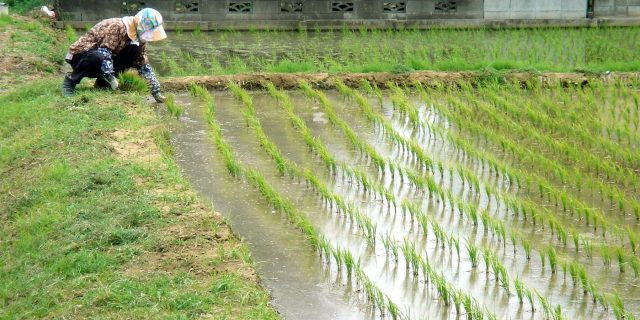
Highlights
- Balanced Pesticide Use: Chemical input management is critical to maintain both beneficial and pest arthropod populations.
- Land and Crop Management: Landscape diversity, organic farming, and culturally informed practices enhance biodiversity and ecosystem functionality.
- Integrated Practices: Favourable practices such as vegetation strips, organic amendments, and smart water management support arthropod community balance.
Introduction
Rice fields are not only central to global food security but also serve as intricate ecosystems where numerous arthropod species play vital roles. Their presence impacts pest regulation, pollination, and overall agricultural productivity. Agricultural practices, ranging from conventional pesticide application to organic cultivation methods and strategic landscape management, directly affect the diversity and abundance of these arthropod communities. The influence of such practices extends to both above-ground and below-ground arthropods. Understanding these interactions is essential for maintaining ecological balance while ensuring optimal crop yields.
Mechanisms Impacting Arthropod Biodiversity
1. Landscape Diversity and Environmental Factors
The arrangement and heterogeneity of the surrounding landscape play a defining role in shaping arthropod biodiversity within rice fields. A diversified landscape, incorporating multiple elements such as forests, water bodies, mixed cropping systems, and natural vegetation corridors, offers varied habitats and ecological niches. This diversity supports an increased number of arthropod species, both beneficial and pestiferous, by providing resources and shelter that encourage sustained populations.
Key Components
- Habitat Heterogeneity: Heterogeneous landscapes supply diverse microhabitats that cater to different ecological roles—whether as habitats for predators, parasitoids, or pollinators.
- Ecological Corridors: The connection between rice fields and surrounding natural habitats facilitates movement and genetic exchange among arthropod populations.
- Edge Effects: Interfaces between crop fields and natural habitats can foster higher diversity due to greater resource availability and refuge sites.
2. Farming Methods: Organic Versus Conventional
One of the most influential contrasts in agricultural practice lies between organic and conventional farming systems. Organic farming eschews synthetic chemical inputs, including pesticides and fertilizers, which can have deleterious effects on arthropod populations. In conventional systems, the heavy reliance on such chemicals tends to reduce non-target species’ numbers, including many beneficial arthropods that naturally regulate pest populations.
Benefits of Organic Practices
- Enhanced Biodiversity: The absence of synthetic chemical applications permits a richer diversity of arthropods, including various predator and pollinator species.
- Improved Ecosystem Services: Higher diversity supports pest management naturally and contributes to plant health by promoting a dynamic balance within the food web.
- Soil Health: Organic amendments and reduced tillage improve soil structure and nutrition, thereby supporting soil-dwelling arthropods vital for decomposition and nutrient cycling.
In contrast, conventional farming practices often lead to a simplified arthropod community structure, where the suppression of a wide range of species can disrupt natural pest control mechanisms.
3. Pesticide Use and Its Implications
Pesticides, when used excessively, can be a double-edged sword in rice field ecosystems. While their primary aim is to control pest outbreaks, their non-selective nature typically results in significant collateral damage to beneficial arthropods, such as predators and parasitoids. The use of broad-spectrum pesticides interferes with ecological balance by reducing the natural enemy populations that ordinarily suppress pest populations.
Pesticide-Related Factors
- Non-target Effects: Chemical pesticides often affect species that play crucial roles in natural pest regulation, potentially leading to resurgence or secondary pest outbreaks.
- Residual Impacts: Residues can persist in the environment, affecting arthropods occurring later in the season or in adjacent habitats.
- Disruption of Food Webs: Reduced numbers of natural predators lead to imbalances that can allow pest species to become more dominant.
4. Crop Management and Cultivation Techniques
The specifics of crop management, including rice variety selection, planting density, and water management practices, also exert a profound impact on arthropod communities. Cultivation techniques that focus on creating favorable environmental conditions can facilitate higher arthropod biodiversity and promote beneficial interactions.
Influential Cultivation Components
- System of Rice Intensification (SRI): By optimizing growth conditions such as reduced plant density and enhanced soil aeration, SRI methods contribute to healthier plants that are less vulnerable to pest attacks.
- Vegetation Strips and Non-Crop Habitats: The incorporation of buffer zones or vegetation strips along field borders acts as refuges for arthropods, thereby boosting populations of beneficial species.
- Water Management: The depth of water in rice fields has a direct effect on arthropod habitats; controlled water regimes can either favor or deter species depending on their life cycles.
5. Seasonal and Spatial Considerations
Arthropod diversity in rice ecosystems often exhibits seasonal dynamics, with differing community structures observed during early and late cropping periods. Seasonal changes in temperature, crop growth stage, and the timing of pest outbreaks play integral roles in shaping these dynamics. Furthermore, the spatial organization of fields, including the proximity to less intensively managed or more natural lands, can significantly modulate arthropod community structure.
Seasonal Dynamics
- Early vs. Late Crops: Later stages of crop development often harbor increased arthropod diversity, possibly due to more established plant structures and denser vegetation.
- Temporal Habitat Variation: Seasonal shifts in resource availability and microhabitat conditions can trigger fluctuations in arthropod populations.
- Integration with Natural Cycles: Aligning agricultural practices with natural seasonal cycles can amplify ecological benefits.
Agricultural Practices and Their Direct Effects on Arthropod Communities
The immediate effects of agricultural practices on arthropod communities stem from changes in habitat quality, resource availability, and ecological interactions. These practices include modifications in landscape configuration, the balance of chemical and organic inputs, and tailored cropping practices.
Direct Impacts on Arthropod Richness and Abundance
Arthropod species richness and abundance in rice fields are primarily determined by the environment provided by current farming practices. When agricultural practices prioritize biodiversity—such as the integration of crop rotation and organic amendments—there is a noticeable enhancement in species richness. In contrast, intensive conventional practices that rely on high chemical inputs typically result in lowered populations, particularly of non-target organisms.
Integrating Natural Pest Management
Maintaining ecological functions such as natural pest control hinges on the stability of arthropod communities that include predators and parasitoids. Practices that emphasize habitat conservation, such as maintaining vegetation strips along field margins, help sustain these natural enemies. Instead of relying solely on chemical pest control, integrated pest management (IPM) strategies leverage biodiversity to keep pest populations in check naturally.
Comparative Overview Table
| Agricultural Practice | Impacts on Arthropod Biodiversity | Ecosystem Benefits |
|---|---|---|
| Organic Farming | Enhanced species richness, greater presence of beneficial arthropods | Natural pest regulation, improved soil health |
| Conventional Farming with Pesticides | Reduced non-target species, risk of secondary pest outbreaks | Short-term pest suppression, potential long-term ecological imbalance |
| Vegetation Strips & Buffer Zones | Improved habitat diversity, support for predators and pollinators | Enhanced ecological resilience and natural pest control |
| System of Rice Intensification (SRI) | Optimized plant health, decreased susceptibility to pests | Increased productivity and reduced reliance on chemicals |
Balancing Agricultural Productivity with Biodiversity Sustainability
The convergence between agricultural productivity and ecosystem sustainability is a central theme in modern farming strategies. As rice production continues to be vital for food security, it is equally crucial to maintain and enhance arthropod biodiversity for the sustained delivery of ecosystem services. Balancing these aspects requires an integrative approach that involves prudent chemical usage, enhanced habitat structures, and the adoption of diversified farming methods.
Strategies for Achieving Balance
Farmers can implement a range of strategies to harmonize crop production with biodiversity conservation. These strategies include:
Integrated Pest Management (IPM)
IPM represents a holistic approach to pest control that utilizes chemical inputs as a last resort. It emphasizes the regular monitoring of pest populations, the promotion of beneficial arthropods, and the use of biological control methods. By leveraging natural interactions within ecosystems, IPM minimizes environmental disruptions.
Landscape and Habitat Management
Diversification of the surrounding landscape through the preservation of natural vegetation, the incorporation of hedgerows, and the protection of adjacent forested or water-rich areas is fundamental. Such ecological measures not only foster arthropod biodiversity but also improve soil health and water retention, creating a more resilient agricultural ecosystem.
Adoption of Sustainable Practices
The integration of sustainable farming practices, like organic amendments and reduced tillage, contributes to enhancing both soil and above-ground arthropod biodiversity. Systematic approaches like the System of Rice Intensification (SRI) demonstrate that better crop management can result in healthier plants that naturally withstand pest pressure, thereby reducing the need for disruptive chemical interventions.
Economic and Environmental Trade-offs
While the adoption of practices that support biodiversity often involves initial investment and transition challenges, the long-term benefits are substantial. Enhanced biodiversity leads to robust natural pest control, thereby reducing dependency on external chemical inputs. Moreover, the incremental buildup of ecosystem services, such as pollination and nutrient cycling, supports sustainable agricultural practices that can lead to improved crop resilience and market value over time.
Case Examples and Comparative Analyses
Empirical research from rice agroecosystems around the world illustrates the tangible effects of varied agricultural practices. Comparative studies reveal that rice fields incorporated into complex landscape configurations, where organic farming or diversified crop rotations are practiced, consistently record higher levels of arthropod diversity compared to conventional, chemically intensive fields.
Observations from Diverse Agricultural Settings
In several studies where landscape diversification and organic practices were implemented, natural enemy populations—predators and parasitoids—were observed in greater numbers. This increased biodiversity not only lowers pest pressure but also results in more stable yield outputs over extended periods. Conversely, in systems where conventional practices dominated, there was a consistent pattern of simplified arthropod communities, leading to a higher incidence of pest outbreaks once the natural regulatory agents were diminished.
Spatial Comparisons
Regions with extensive areas dedicated to mixed land use and natural vegetation have shown a clear advantage regarding ecosystem services. The presence of nearby forest patches, hedgerows, and water bodies correlates with richer arthropod populations. These enhancements increase both the functional diversity and resilience of the system, underscoring the importance of spatial planning in agricultural landscapes.
Additional Considerations and Recommendations
For policymakers, researchers, and farmers alike, adapting agricultural practices to support biodiversity in rice fields comes with significant benefits. Decision-makers should consider formulating policies that incentivize reduced pesticide use and promote organic and sustainable farming methods. Additionally, investing in research to further understand the dynamic interactions between agricultural practices and arthropod communities can help fine-tune management strategies that leverage biodiversity for improved crop performance.
Innovative Practices and Future Directions
As science continues to explore the field of agroecology, innovation in farming practices promises to unlock new methods for balancing productivity with ecosystem health. Future trends include the integration of precision agriculture, which uses data-driven techniques to optimize inputs based on localized conditions, thereby minimizing chemical usage while maximizing biodiversity benefits. Such practices can result in tailored management plans that reinforce natural regulatory mechanisms while achieving high levels of productivity.
The adoption of these integrative practices is critical not only to maintaining the long-term viability of rice agroecosystems but also to ensuring that global food production remains sustainable in the face of environmental challenges and changing climate conditions.
Conclusion
Agricultural practices have a profound impact on the diversity and distribution of arthropod species in rice fields. From the careful management of chemical inputs to the enhancement of landscape heterogeneity and adoption of organic farming methods, every aspect of agricultural practice can alter the balance of these intricate ecosystems. Reduced pesticide usage, robust organic practices, integrated pest management strategies, and landscape conservation are all critical for safeguarding beneficial arthropod populations. Maintaining such populations not only contributes to natural pest control and pollination but also fortifies ecosystem resilience against biotic and abiotic challenges.
The synthesis of empirical observations and comparative analyses underscores that enhancing arthropod biodiversity is not merely an environmental imperative but an economic one as well. While the transition may involve certain trade-offs, the long-term gains in increased agricultural productivity and sustainability far outweigh the initial challenges. Embracing a holistic and integrative approach to farming practices will ensure that rice fields remain productive, ecologically balanced, and resilient—a benefit for producers, consumers, and natural ecosystems alike.
References
- Landscape Diversity Influences Arthropod Biodiversity - Frontiers
-
Organic Rice Cultivation Enhances Arthropod Diversity - ScienceDirect
- Local Practices and Arthropod Communities - ResearchGate
- Insect Pest Incidence and SRI - MDPI
-
Farming Systems and Insect Communities - NCBI
Recommended Further Inquiries
Last updated February 27, 2025