
Revolutionizing Business Intelligence with Augmented Analytics
Discover how AI-powered augmented analytics tools are reshaping business decision-making and unlocking actionable insights
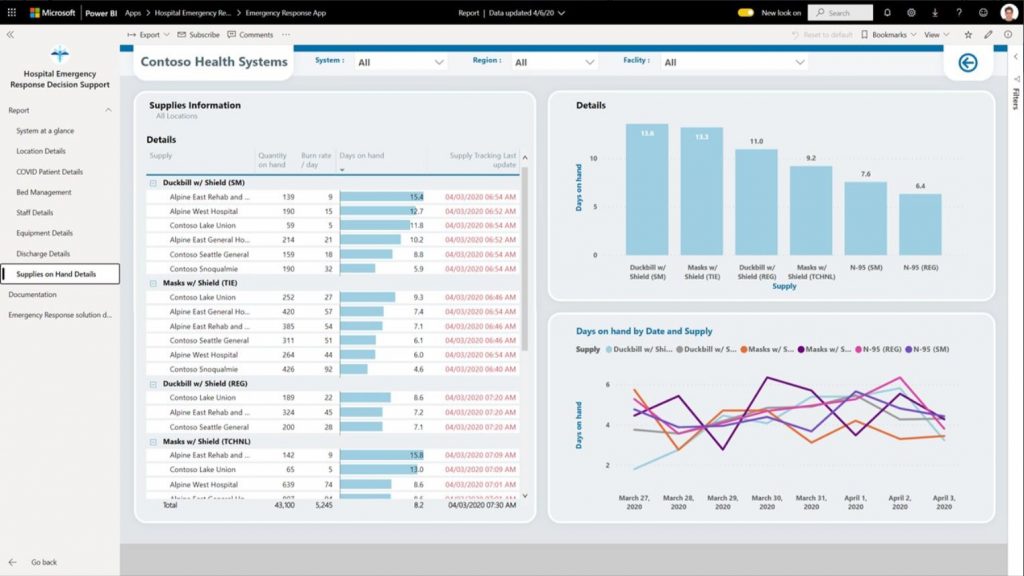
Key Highlights
- Enhanced Decision Support: AI-driven insights streamline data interpretation for strategic planning.
- Cost Reduction & ROI: Minimizing manual analytics work, leading to significant cost savings.
- Competitive Intelligence: Real-time analytics enable businesses to stay ahead in crowded markets.
Introduction to Augmented Analytics in Business Intelligence
In the evolving landscape of business intelligence, companies are constantly on the lookout for tools that can decode complex datasets and deliver powerful insights. Augmented analytics has emerged as a groundbreaking AI tool that enhances the analytical capabilities of organizations by integrating artificial intelligence (AI) and machine learning (ML) into the traditional business intelligence framework. This article explores how augmented analytics tools, such as the innovative platform InsightEdge, are revolutionizing decision support and competitive intelligence, and driving better ROI through measurable cost reductions.

Understanding Augmented Analytics
Augmented analytics refers to the process by which machine learning and AI algorithms automate data preparation, insight discovery, and point-of-decision recommendations. This technology not only simplifies the process of data analysis but also democratizes insights for non-technical business users. Rather than sifting through massive spreadsheets or complicated dashboards, decision-makers can now access intuitive analyses that surface critical trends and patterns.
With tools like InsightEdge, businesses benefit from the following functions:
- Data Integration: Seamlessly merging data across multiple sources to provide a unified view of key performance metrics.
- Predictive Analytics: Utilizing past and present data to forecast future trends, enabling proactive business strategies.
- Real-Time Insights: Delivering instantaneous understanding through dynamic dashboards and alerts.
- Interactive Reports: Allowing users to drill down into data, explore 'what-if' scenarios, and generate custom visualizations without needing coding expertise.
Spotlight on InsightEdge: An AI Tool Transforming Business Intelligence
What is InsightEdge?
InsightEdge is an advanced augmented analytics platform designed specifically for modern enterprises looking to elevate their business intelligence practices. The tool embodies the shift towards automated, self-service data exploration that delivers both depth and breadth in its analytical capabilities. It is ideal for organizations that wish to reduce reliance on traditional data scientists while empowering all business units with actionable insights.
Core Features of InsightEdge
InsightEdge integrates AI seamlessly with your existing data infrastructure, offering a robust suite of features:
Automated Data Preparation
Through advanced automation, InsightEdge cleanses and prepares data from disparate sources without user intervention. This ensures that even complex datasets are rendered useful with minimal manual input.
Natural Language Querying
One of the standout capabilities of InsightEdge is its natural language processing. Business users can type in questions in plain English, and the platform returns detailed analysis and visualizations, bridging the gap between non-technical staff and advanced data analytics.

Predictive Analytics and Forecasting
InsightEdge leverages historical data combined with real-time information to predict future trends. This proactive approach allows businesses to respond to emerging market conditions swiftly, reduce risks, and seize new opportunities.
Real-Time Dashboards and Interactive Reports
The platform offers highly customizable dashboards that reflect real-time data. Managers and executives can monitor performance indicators and key trends, all while interacting with detailed reports that offer insights at a granular level.

Unlocking the Benefits of Augmented Analytics for Business
By integrating augmented analytics into their business intelligence frameworks, companies can unlock tangible benefits that drive efficiency, reduce costs, and inform strategic decisions.
Enhanced Decision Support
With the power of AI, augmented analytics tools like InsightEdge transform raw data into actionable insights. Business leaders no longer need to rely on intuition alone; they can now base decisions on data-driven evidence. This enhanced decision support enables better strategies, resource allocation, and overall organizational agility.
ROI Measurement and Cost Reduction
Traditional analytics often involve considerable time and resource investment. By automating data processing and analysis, augmented analytics dramatically reduces these expenditures while providing a clear, measurable return on investment. Analytics automation minimizes human error and allows organizations to reallocate resources from repetitive tasks to more strategic functions.
Competitive Intelligence
In today’s fast-paced markets, staying ahead is crucial. Augmented analytics provides companies with real-time updates about market trends, competitor actions, and internal performance gaps. With such timely insights, businesses can adapt quickly and maintain a competitive edge.
Improved Customer Insights
Beyond internal operations, augmented analytics also refines the understanding of external customer behaviors. InsightEdge automatically segments customer data and identifies trends, helping companies tailor their products, marketing strategies, and customer service approaches. Improved personalization leads to better customer retention and satisfaction.
Implementing Augmented Analytics: A Strategic Approach
To successfully integrate augmented analytics into your business intelligence strategy, a systematic approach is essential. Here are some strategic steps for implementation:
Assess Current Data Capabilities
Begin with a comprehensive assessment of current data systems. Identify data silos, quality issues, and integration opportunities. This evaluation sets the groundwork for a smooth transition to an augmented analytics platform.
Define Clear Objectives
Establish quantifiable goals for what you intend to achieve with augmented analytics. Whether it is improving operational efficiency, reducing costs, or gaining deeper customer insights, clear objectives guide the implementation and ensure alignment with the overall business strategy.
Select the Right Tool
With several AI-driven platforms available, selecting one that integrates well with your existing systems is paramount. InsightEdge, with its extensive features and intuitive design, stands out as an ideal choice for enterprises looking to modernize their data analytics capabilities.
Develop a Talent Strategy
Augmented analytics empowers non-technical users but still requires oversight from data professionals. Invest in talent development to equip your team with the necessary skills to operate and maximize the benefits of these advanced analytical tools.

Continuous Monitoring and Improvement
The analytics landscape is dynamic. It is essential to continuously monitor performance metrics, gather feedback from users, and update the system accordingly. This ongoing cycle of improvement ensures that the augmented analytics platform remains aligned with evolving business needs.
Data Integration and Visualization: A Comparative Snapshot
The following table highlights key functionalities of augmented analytics platforms, comparing how they address core business intelligence needs:
| Feature | Traditional BI | Augmented Analytics (InsightEdge) |
|---|---|---|
| Automated Data Preparation | Manual data cleansing required | Fully automated with AI algorithms |
| Querying Interface | SQL-based, complex | Natural language queries |
| Predictive Capabilities | Limited forecasting models | Robust predictive analytics integrated |
| Real-Time Dashboards | Periodic dashboards, delayed updates | Continuous real-time insight delivery |
| User Accessibility | Data scientists and IT dependance | Self-service, accessible to business users |
Case Studies: Real-World Impact of Augmented Analytics
Companies across industries have witnessed transformative changes after implementing augmented analytics tools like InsightEdge:
Retail Sector: Enhancing Inventory and Demand Forecasts
A leading retail chain integrated InsightEdge to automate data aggregation from multiple outlets. The system's predictive analytics capabilities helped the chain optimize inventory levels in real time, reducing waste and increasing profitability. As a result, stock-outs were minimized and overstock issues decreased significantly.

Financial Services: Risk Management and Fraud Detection
In the financial sector, the swift analysis of large datasets is crucial for risk management. By deploying InsightEdge, a major bank enhanced its ability to detect fraudulent activity in real time. The AI-driven alerts allowed for prompt action, thereby reducing potential losses and reinforcing customer trust.

Industry Adoption and Future Trends
As organizations ascend their digital transformation journey, the adoption of augmented analytics will likely become the norm rather than the exception. With benefits such as reduced operational costs, comprehensive customer insights, and enhanced competitive intelligence, forward-thinking enterprises are continuously integrating these platforms with their legacy systems.
Looking ahead, the fusion of low-code AI and augmented analytics promises to further simplify data analyses, making these advanced tools accessible to even more businesses, regardless of size or technical expertise.
Recommended Reading and Next Steps
To further explore the benefits and implementation strategies of augmented analytics and business intelligence strategies, consider investigating these topics:
- How to Implement Augmented Analytics in Your Organization
- Measuring ROI in AI Business Solutions
- Leveraging Competitive Intelligence in Digital Transformation
- Cost Reduction Strategies Using AI
- Future Trends in Business Intelligence
References
Last updated March 24, 2025