
Revolutionizing Workflow Automation with AI-Driven Business Process Automation
Discover how an innovative AI tool is reshaping business workflows to boost efficiency and drive measurable ROI
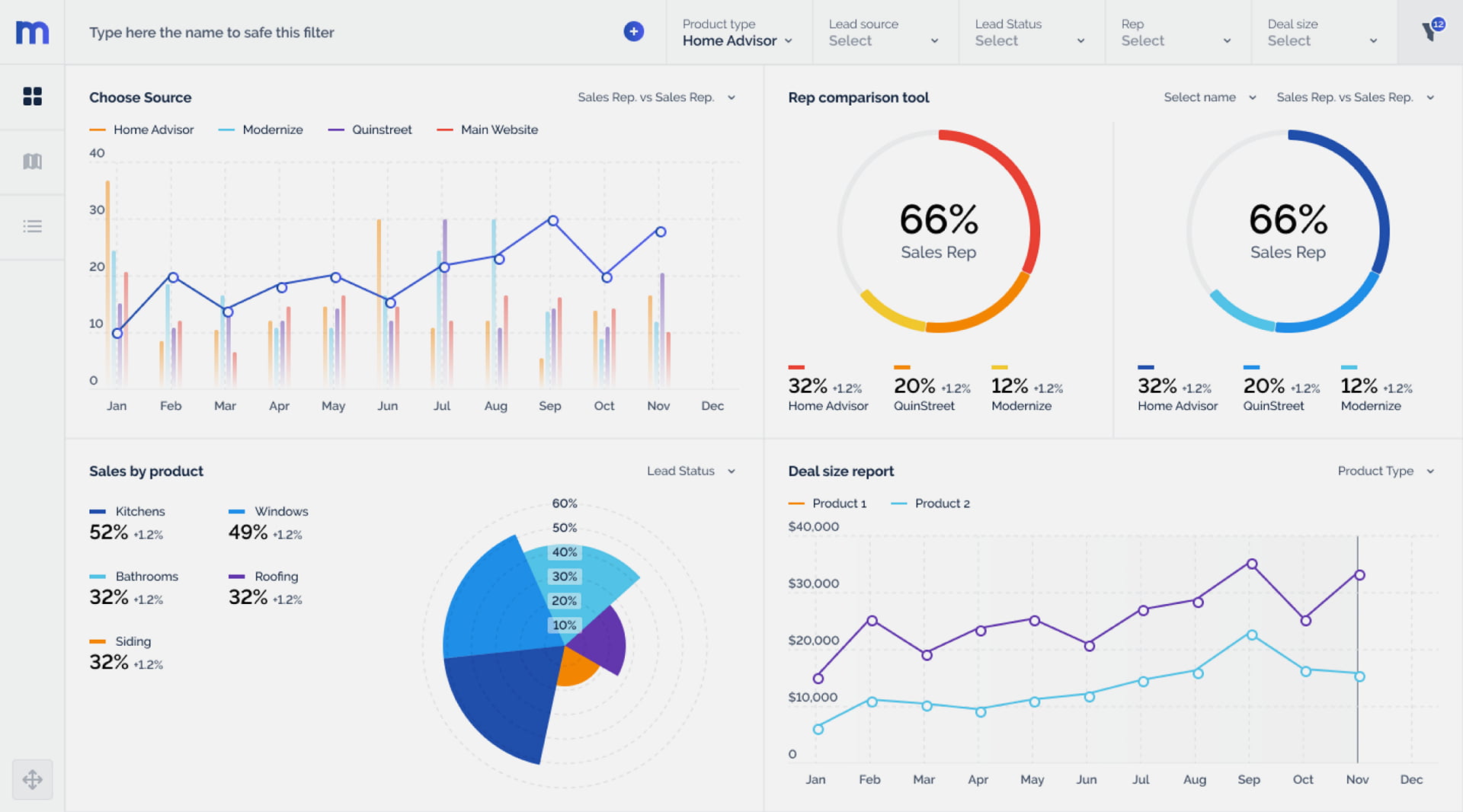
The modern business landscape is changing rapidly, and one of the most transformative forces driving success is artificial intelligence. Companies have increasingly embraced AI not only to cut costs and enhance productivity, but also to revolutionize their workflow automation. In this article, we delve into a specific AI tool designed for business process automation that is redefining how enterprises handle complex workflows, streamline operations, and achieve significant business outcomes.
Key Highlights
- Enhanced Efficiency: Automates repetitive tasks and reduces human error.
- Data-Driven Insights: Leverages predictive analytics for smarter decision-making.
- Seamless Integration: Easily connects with existing systems for smooth implementation.
The Transformation of Business Processes
As organizations strive to stay competitive, many are turning towards business process automation to eliminate tedious manual tasks and focus on strategic initiatives. AI-driven workflow automation tools are becoming indispensable, as they offer a robust way to manage multi-step tasks that previously drained resources and introduced delays. The chosen AI tool for discussion offers a unique blend of automation capabilities and advanced analytics, empowering businesses to operate more leanly while continuously improving their processes.
Understanding the Tool
This AI tool is designed to automate end-to-end workflows in a business, making it easier to manage everything from customer inquiries and data collection to decision support and revenue optimization. By leveraging machine learning algorithms and predictive analytics, it is capable of identifying bottlenecks in the process, suggesting ways to refine the workflow, and even preemptively scheduling tasks.
Its comprehensive dashboard provides managers with real-time insights into process performance, enabling data-driven decision-making. Whether used to oversee routine customer support processes or more intricate operations like supply chain management, the tool is versatile enough to handle a range of business needs.

Targeting Efficiency and Cost Reduction
One of the core benefits of implementing AI-powered business process automation is the significant improvement in efficiency. Automating repetitive tasks reduces the chance of errors and frees employees to focus on higher-value activities. These tools also allow businesses to measure ROI more accurately by providing detailed performance metrics, which highlight the reduction in manual labor expenses and shorter cycle times for core business processes.
For instance, the tool’s integration with existing CRM and ERP systems makes it possible to collect and analyze large volumes of transactional data. Deploying advanced predictive analytics, the system can forecast potential process delays or customer bottlenecks. By acting on these predictions, businesses reduce their operational risk and ultimately save costs.

Detailed Features and Functionalities
The tool is built on a modular structure that allows businesses to implement only the features that align with their specific needs. Below is a table summarizing some of its core functionalities and the advantages they bring:
| Feature | Description | Business Benefit |
|---|---|---|
| End-to-End Workflow Integration | Connects various operational systems to automate entire business processes | Reduces manual handling and speeds up operations |
| Real-Time Analytics Dashboard | Offers live updates and performance insights on automated tasks | Enables data-driven decision-making and continuous improvement |
| Predictive Analytics | Uses historical data and machine learning for forecasting potential issues | Enhances anticipation of process bottlenecks and minimizes delays |
| Low-Code Configuration | Intuitive setup and customization without extensive technical expertise | Simplifies implementation and reduces onboarding time |
| Adaptive Process Routing | Automatically adjusts workflows based on live data and evolving circumstances | Ensures optimal resource allocation and task prioritization |
Integration Capabilities
Any modern business needs tools that easily integrate with their legacy systems. This AI tool is designed with open APIs and flexible architectures, ensuring that the transition from manual to automated workflows is as smooth as possible. It integrates seamlessly with systems you may already be using, such as customer support platforms, CRM solutions, and enterprise resource planning software. This integration ensures consistent data flow across all systems, thereby enhancing overall operational coherence and reducing the need for duplicate data entries.

Real-World Application: A Case Study
Case Study: Streamlining Operations for a Retail Enterprise
Consider the example of a mid-sized retail chain grappling with delayed order processing and inconsistent customer service. By deploying this AI-powered business process automation tool, the company achieved remarkable outcomes:
- Reduction in Order Processing Time: The tool streamlined order workflows by automatically validating and routing orders for timely delivery. The average processing time dropped by 45%.
- Enhanced Customer Support: Integrating the tool with their customer support system, the retail chain employed AI chatbots to handle routine inquiries, allowing human agents to focus on complex issues. Customer satisfaction ratings improved by over 30%.
- Cost Savings: By reducing manual labor across several departments, the enterprise realized significant cost reductions in operational expenditures.
The success of this transformation not only improved day-to-day operations but also provided the leadership team with actionable insights to further optimize the business process.

Fostering a Culture of Innovation
Driving Innovation Through AI Adoption
Adopting AI-driven automation is not merely about replacing manual workflows; it's an important stride towards fostering a culture of innovation. This tool contributes to the transformation by:
- Promoting Continuous Improvement: By constantly monitoring process performance, businesses can quickly identify areas for further automation or refinement.
- Encouraging Proactive Decision-Making: The predictive analytics feature allows enterprises to foresee challenges and enable proactive measures, reducing downtime and errors.
- Supporting Scalable Growth: As business demands increase, the tool scales effortlessly, ensuring that efficiency gains are maintained even during peak periods.
Innovation is amplified by the reduced burden on employees, who can then channel their efforts into strategic planning and creative problem solving. Over time, this culture of innovation leads to sustained competitive advantage and business resilience.

Measuring ROI and Business Impact
ROI Measurement Through Real-Time Data
One of the critical aspects of adopting an AI-powered automation tool is the ability to measure its impact quantitatively. Businesses can deploy integrated analytics tools and dashboards to track key performance indicators such as:
- Processing Time: Measured before and after the implementation of the tool.
- Error Reduction: Monitoring the decrease in mistakes related to manual data handling.
- Operational Cost Savings: Evaluating the reduction in labor costs and process inefficiencies.
- Customer Satisfaction: Gauging improvements via feedback scores and support response times.
These metrics are essential not only for verifying the value of the tool but also for identifying improvement areas. In many cases, companies witness a rapid improvement in their ROI once the AI tool is integrated, leading to a more agile, resilient, and profitable operation.

The Future of Business Process Automation
The trends indicate that AI-powered workflow automation and predictive analytics will only grow in importance as businesses continue to digitize their operations. The roadmap for AI in enterprise settings includes more intuitive tools, enhanced customization options, and further integration with emerging technologies like low-code development platforms and augmented analytics. Early adopters of these powerful tools are already setting new benchmarks in efficiency and customer satisfaction, and this momentum is sure to continue in the coming years.

Challenges and Considerations
While the benefits of AI-driven automation are clear, businesses must also consider several challenges during the adoption process. These include ensuring data privacy, managing change in workforce dynamics, and achieving seamless integration with existing legacy systems. By addressing these challenges with robust planning, transparent communication, and continuous training programs, organizations can mitigate risks and fully leverage the advantages of AI business process automation.
References
- 50 Best AI Automation Tools for Business in 2025 - IoT World Magazine
- 7 Best AI Tools for Business - TechPoint Africa
- Best AI Tools for Business - ThinkStack AI
- AI Tools for Business - StoryChief Blog
- Best AI Tools for Business - Unite.AI
Recommended Next Queries
Last updated March 24, 2025