
Unleashing Workflow Automation: Transforming Business Process Automation with Zapier
A deep dive into how AI-driven workflow automation tools empower modern businesses to optimize operations and enhance overall productivity.
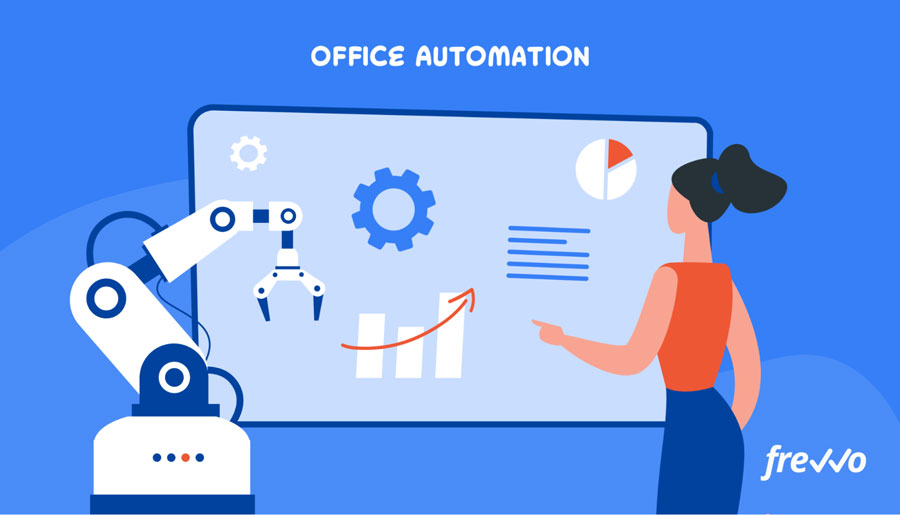
In today's fast-evolving business landscape, companies are increasingly investing in AI business solutions to streamline operations, cut costs, and boost efficiency. One standout category is workflow automation, which is revolutionizing the way organizations handle routine tasks and process management. Among the myriad of innovative tools available, Zapier emerges as a unique AI-powered platform that embodies business process automation. This article examines how Zapier integrates advanced algorithms with a user-friendly interface, enabling businesses to shift from manual rework to seamless, automated operations.

Core Features of Zapier
Intuitive Workflow Design
Zapier offers a drag-and-drop interface that allows users to design custom workflows with minimal coding knowledge. Its visual editor empowers teams to map out complex processes, define specific triggers, and assign multistep actions with ease. By simplifying workflow design, Zapier minimizes the learning curve, facilitating quicker adoption within organizations.

Extensive Integration Network
A key strength of Zapier is its robust ecosystem, offering seamless integration with over 6,000 apps. Whether it’s CRM systems like Salesforce, communication tools like Slack, or project management software like Trello, Zapier bridges the gap between disparate systems. This connectivity ensures that data flows effortlessly across platforms, thereby eliminating manual errors and saving valuable time.

Custom Triggers and Automation Rules
Zapier's flexibility extends to its customizable trigger system, allowing businesses to automate a wide variety of enterprise tasks. For example, when a new lead is added in a CRM, Zapier can instantly add the contact to an email marketing platform, create a follow-up reminder, and log the activity in a project management tool—all without direct human intervention. This level of customization is invaluable in enhancing workflow efficiency and ensuring no task slips through the cracks.

Benefits to Business
Time and Cost Efficiency
By automating routine tasks, businesses can redirect valuable human resources to more strategic initiatives. In environments where operational efficiency is paramount, Zapier's automation capabilities directly translate to significant cost reductions. Companies can reduce the overhead associated with manual data entry and repetitive tasks, allowing for more agile business operations.
Enhanced Accuracy and Consistency
Manual processes are prone to errors, which can lead to costly mistakes and inefficiencies. Zapier helps mitigate these risks by ensuring that data is processed accurately and consistently. Its AI-driven decision support system analyzes input data in real-time to reduce anomalies and maintain a high standard of operational accuracy.
Scalability and Flexibility
As companies grow, their operational needs evolve. Zapier seamlessly scales with the growing demands of businesses, offering new integrations and automations that can accommodate increased complexity. Whether a startup or an established enterprise, the adaptable nature of Zapier’s platform ensures that the automation tool remains relevant irrespective of business size or industry dynamics.
Real-World Implementation: A Case Study
Case Study: Enhancing Lead Management for TechNova
TechNova, a mid-sized tech company, faced significant challenges in managing a growing influx of customer leads. The traditional manual approach was inefficient and resulted in delays and missed opportunities. Recognizing the need for a more dynamic solution, TechNova integrated Zapier into their lead management system.
With Zapier, when a new lead filled out the company’s online form, three automated actions were triggered instantly:
- An entry was created in the CRM system.
- An automated welcome email was dispatched via their email marketing tool.
- A follow-up task was scheduled in the project management software to ensure timely customer engagement.

This streamlined approach not only reduced lead processing time by 60% but also significantly improved customer follow-up rates—ultimately boosting overall sales conversion and enhancing operational predictability.
Key Metrics and Insights
| Metric | Before Zapier | After Zapier |
|---|---|---|
| Lead Processing Time | 48 Hours | 18 Hours |
| Data Entry Errors | 15 per week | 2 per week |
| Customer Follow-Up Rate | 50% | 85% |
| Operational Costs | High Manual Overhead | Reduced by 40% |
Future Perspectives on AI-Driven Workflow Automation
Integration with Predictive Analytics
The next frontier in AI solutions for business lies in predictive analytics. By integrating machine learning models that forecast trends and operational bottlenecks, workflow automation tools like Zapier can transition from reactive process management to proactive decision-making systems. This evolution positions businesses not just to respond to current demands, but also to anticipate future challenges and seize opportunities before competitors do.
Customizable AI Strategies
Today's AI tools are not one-size-fits-all solutions. The real power of platforms like Zapier is their ability to adapt to a business's specific needs. Custom workflows designed with predictive analytics and real-time data monitoring empower companies to continuously refine their operations, leading to sustained competitive advantages in an ever-changing market.

Strategic Recommendations for Implementation
Assessing Operational Needs
Before integrating an AI tool like Zapier, it is vital for businesses to conduct an in-depth analysis of their existing processes. Identify bottlenecks that cause inefficiencies and decide which repetitive tasks can be automated. This comprehensive review sets the stage for a smooth transition to automated workflows.
Investing in Change Management
Adopting any new technology requires a cultural shift. Invest in training sessions to ensure that team members understand how to leverage the tool effectively. Early buy-in from employees will lead to better usage patterns and a more successful implementation.
Continuous Optimization and Monitoring
The true benefit of workflow automation is realized through ongoing performance monitoring. Leverage Zapier’s detailed analytics dashboards to track key performance indicators (KPIs). Regular reviews and adjustments will keep the automation processes aligned with evolving business goals.

Future Directions and Innovations
Advanced Integrations
Looking ahead, AI-powered tools are expected to seamlessly integrate with augmented analytics platforms and low-code AI solutions, providing even more tailored automation experiences. Businesses should stay abreast of these advances to continually refine their automation strategy.
Emphasis on Talent Development
The implementation of AI tools must be complemented by ongoing talent development. Building in-house expertise around workflow automation will ensure that organizations can fully leverage the advantages of tools like Zapier and sustain improvements over time.

References
- ClickUp - AI Workflow Tools - ClickUp
- TechBullion - AI Tools for Business - TechBullion
- The Media Ant - Top AI Tools for Business - The Media Ant
- IoT World Magazine - AI Automation Tools - IoT World Magazine
- StoryChief - AI Tools for Business - StoryChief
Recommended Related Queries
Last updated March 24, 2025