
Navigating the Moral Maze: Unpacking the Ethical Dimensions of AI in Law
As artificial intelligence reshapes the legal landscape, understanding its ethical implications is paramount for justice and professional integrity.
The integration of Artificial Intelligence (AI) into the legal field is rapidly transforming how legal professionals work, from research and document analysis to case prediction and client interaction. While AI offers significant potential benefits, such as increased efficiency and improved access to justice, it also introduces a complex array of ethical considerations that demand careful navigation. As of May 2025, the legal community continues to grapple with these challenges, striving to harness AI's power responsibly while upholding the core tenets of the legal profession.
Key Ethical Highlights
- Bias and Fairness: Ensuring AI tools do not perpetuate or amplify existing societal biases is crucial to prevent discriminatory outcomes in legal processes.
- Accountability and Oversight: Establishing clear lines of responsibility for AI-driven decisions and maintaining robust human oversight are essential for ethical AI deployment.
- Confidentiality and Data Security: Protecting sensitive client information when using AI systems is a fundamental ethical obligation that requires stringent data protection measures.
Core Ethical Challenges in Legal AI
The deployment of AI in legal settings touches upon several critical ethical domains. These are not merely theoretical concerns but practical challenges that lawyers, firms, and the justice system must proactively address to maintain public trust and ensure equitable legal outcomes.
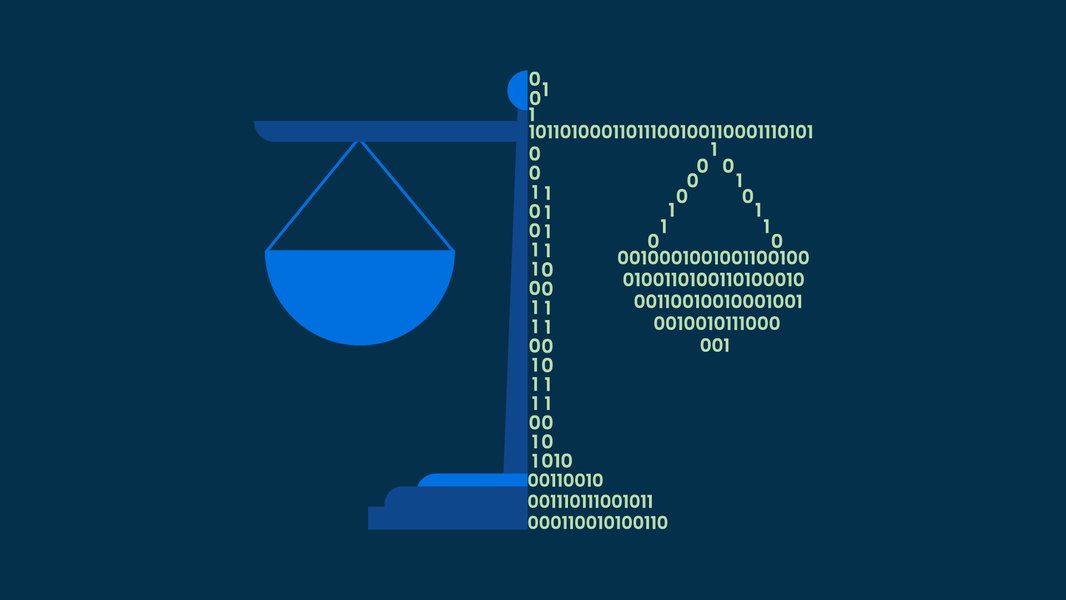
AI's role in law necessitates a careful balance of technological advancement and ethical considerations.
Upholding Fairness: The Specter of Algorithmic Bias
One of the most significant ethical challenges is the potential for bias in AI systems. AI models learn from the data they are trained on. If this data reflects historical societal biases (e.g., racial, gender, or socio-economic biases), the AI can inadvertently perpetuate or even amplify these prejudices.
Sources and Impacts of Bias
Bias can creep into AI systems at various stages, from data collection and algorithm design to interpretation of outputs. In the legal context, biased AI could lead to:
- Unfair bail or sentencing recommendations.
- Discriminatory outcomes in predictive policing.
- Inequitable resource allocation in legal aid.
- Biased risk assessments in parole decisions.
Ensuring Accuracy and Reliability
The accuracy of information is paramount in legal practice. AI tools, particularly generative AI, can sometimes produce incorrect, misleading, or fabricated information, often referred to as "hallucinations." Relying on such outputs without verification can have severe consequences, including flawed legal advice, erroneous court filings, or compromised case strategies. This directly impacts a lawyer's duty of competence.
The Imperative of Human Verification
While AI can be a powerful assistant for research, document review, and drafting, it should not replace professional judgment. Lawyers must:
- Thoroughly verify all AI-generated content for accuracy and completeness.
- Understand the limitations and potential failure points of the AI tools they use.
- Ensure AI outputs comply with professional ethical standards and rules of candor towards tribunals.

AI is increasingly present in legal settings, from research to courtroom assistance.
Protecting Client Confidences: Privacy and Data Security
The legal profession is built on trust, a core component of which is the safeguarding of client confidentiality. AI systems often require access to vast amounts of sensitive client data for processing and analysis. This raises significant concerns about:
- How client data is collected, stored, processed, and protected.
- The risk of data breaches or unauthorized access, especially when using third-party AI platforms or cloud-based services.
- Compliance with data protection laws (e.g., GDPR, CCPA) and professional conduct rules regarding confidentiality.
Mitigating Privacy Risks
Lawyers have an ethical obligation to protect client information, and this duty extends to their use of AI. Recommended practices include:
- Using trusted, purpose-built legal AI tools designed with robust security features.
- Avoiding the input of confidential client information into public-facing or unsecured AI models.
- Implementing strict data governance protocols and conducting due diligence on AI vendors.
- Obtaining informed consent from clients regarding the use of AI in handling their information, where appropriate.
Accountability and Legal Responsibility in the Age of AI
When an AI system makes an error or contributes to a negative legal outcome, determining who is responsible is a complex ethical and legal challenge. Is it the lawyer who used the tool, the developer who created the AI, or the AI system itself (a notion currently not recognized legally)?
The Lawyer's Unwavering Duty
Existing ethical rules for attorneys are generally considered applicable to the use of AI. This means lawyers retain ultimate accountability for the legal work product and the outcomes of their cases, regardless of AI involvement. This includes:
- The duty to provide competent legal representation.
- The duty to supervise employees, agents, and, by extension, AI tools.
- The duty of candor towards clients and the court.

Striking a balance between leveraging AI's capabilities and upholding ethical legal practice is key.
Transparency, Disclosure, and Informed Consent
Ethical practice demands transparency. Clients have a right to understand how their legal matters are being handled. This raises questions about the extent to which lawyers should disclose their use of AI tools to clients and courts.
Fostering Trust through Openness
While the specific requirements are still evolving, best practices suggest:
- Informing clients when AI plays a significant role in their case, particularly if it involves handling sensitive data or making substantive contributions.
- Being prepared to explain, in general terms, how AI is being used and what safeguards are in place.
- Ensuring that billing practices related to AI use are fair and transparent.
Professional Competence and Continuous Learning
The duty of competence requires lawyers to keep abreast of changes in the law and its practice, including the benefits and risks associated with relevant technology. The rapid advancement of AI means legal professionals must:
- Engage in ongoing education to understand AI's capabilities, limitations, and ethical implications.
- Develop the skills to use AI tools effectively and responsibly.
- Avoid unintentional misuse or overreliance on AI that could compromise the quality of legal services.
AI's Dual Impact on Access to Justice
AI has the potential to significantly improve access to justice by lowering costs, increasing the efficiency of legal services, and helping legal aid clinics manage large caseloads. However, there are ethical considerations:
- Ensuring that AI-powered legal services for underserved populations are reliable, fair, and do not provide substandard advice.
- Addressing the digital divide, where access to AI tools and the skills to use them may be unevenly distributed.
- Considering the impact on pro bono work and ensuring AI tools align with ethical obligations to these clients.
Ethical deployment requires careful attention to ensure AI serves as a democratizing force rather than exacerbating existing inequalities.
Visualizing Ethical Risk Priorities in Legal AI
The following chart illustrates a qualitative assessment of the perceived risk levels associated with key ethical considerations in the use of AI within the legal field. These are not based on empirical data but reflect common areas of concern discussed by experts. A higher score suggests a greater perceived risk or area requiring more urgent attention.
This visualization underscores that client confidentiality, bias, and accuracy are often cited as top-tier concerns, though all listed areas present significant ethical challenges that the legal profession must navigate.
Mapping the Ethical Landscape of AI in Law
To better understand the interconnectedness of these ethical implications, the mindmap below outlines the primary domains of concern when integrating AI into legal practice. It provides a visual hierarchy of the core issues and their sub-components.
This mindmap highlights how each major ethical consideration branches into specific practical challenges and duties for legal professionals.
Balancing Innovation with Responsibility: A Comparative Look
The adoption of AI in law presents a classic tension between embracing innovation for its benefits and managing the inherent risks. The following table provides a comparative overview of key AI applications in law, their potential benefits, and the primary ethical considerations that must be addressed.
| AI Application Area | Potential Benefits | Key Ethical Considerations | Mitigation Strategies |
|---|---|---|---|
| Legal Research & Analysis | Faster and more comprehensive research, identification of relevant precedents. | Accuracy of results (hallucinations), potential bias in search algorithms, overreliance by user. | Mandatory human verification, cross-referencing sources, training on critical evaluation of AI outputs. |
| Document Review & E-Discovery | Significant time and cost savings, ability to process vast volumes of data. | Accuracy in identifying relevant documents, protection of privileged information, data security. | Use of secure platforms, rigorous quality control by legal teams, clear protocols for handling sensitive data. |
| Contract Analysis & Drafting | Increased efficiency in drafting and reviewing contracts, identification of risks and inconsistencies. | Ensuring legal accuracy, client confidentiality, avoiding boilerplate that doesn't fit specific needs. | Lawyer oversight and customization, client review and approval, secure data handling. |
| Predictive Analytics (e.g., case outcomes) | Potentially informs legal strategy, aids in settlement negotiations. | Bias in predictive models, overstating predictive accuracy, transparency of methodology. | Critical assessment of predictions, awareness of data limitations, disclosure of use to clients (where appropriate). |
| Client-Facing Chatbots & Virtual Assistants | Improved client service availability, provision of basic legal information. | Risk of providing incorrect legal advice, unauthorized practice of law, data privacy of user interactions. | Clear disclaimers, supervised by lawyers, robust privacy policies, escalating complex queries to human lawyers. |
This table illustrates that while AI offers transformative potential, each application requires careful ethical scrutiny and proactive measures to ensure responsible use.
Navigating Ethical Considerations in Practice
The video below discusses ethical considerations and risk management when using Generative AI in legal practice, offering insights into how lawyers can navigate this evolving landscape.
This discussion emphasizes the practical steps and mindset shifts required for lawyers to integrate AI tools ethically, covering topics such as client communication, data handling, and maintaining professional responsibility in an AI-assisted environment. It underscores the theme that while AI offers powerful capabilities, the lawyer's ethical compass and professional judgment remain indispensable.
Frequently Asked Questions (FAQ)
What is the biggest ethical concern with AI in law?
While there are many significant concerns, algorithmic bias and client confidentiality are often cited as paramount. Bias can lead to unfair and discriminatory outcomes, undermining justice. Breaches of confidentiality can erode client trust and violate fundamental professional duties. Both require diligent attention and proactive mitigation strategies.
Can lawyers rely solely on AI for legal research or advice?
No, lawyers cannot and should not rely solely on AI. AI tools can be valuable assistants, but they can also produce inaccurate or incomplete information ("hallucinations"). Lawyers have an ethical duty of competence, which includes verifying AI-generated content and exercising their own professional judgment. AI should augment, not replace, human legal expertise.
Who is accountable if an AI tool used by a lawyer makes a mistake?
Ultimately, the lawyer using the AI tool remains accountable for the legal services provided and the work product. Existing professional conduct rules emphasize the lawyer's responsibility to supervise non-lawyer assistants, which extends to the use of technology. While AI developers might bear some product liability, the lawyer is responsible for ensuring the competent and ethical use of AI in their practice.
How can law firms promote ethical AI use?
Law firms can promote ethical AI use by:
- Developing clear internal policies and guidelines for AI deployment.
- Providing regular training to lawyers and staff on AI capabilities, limitations, and ethical considerations.
- Implementing robust data security and privacy protocols.
- Vetting AI tools carefully for accuracy, bias, and security features before adoption.
- Fostering a culture of critical evaluation and human oversight for all AI-assisted work.
Recommended Further Exploration
- How are legal bodies like the ABA developing AI ethics guidelines for lawyers?
- What specific training should lawyers receive to use AI ethically and competently?
- Explore case studies of AI-related ethical breaches in legal practice and their consequences.
- How can AI be used to enhance access to justice without compromising ethical standards?
References
Last updated May 6, 2025