
Dancing with the Moon: How to Align Your Mornings with Lunar Rhythms
Discover the ancient Ayurvedic practice of synchronizing daily activities with moon phases for optimal well-being
The Cosmic Connection: Why Lunar Cycles Matter
Have you ever noticed how sometimes you wake up bursting with energy, while other mornings feel like you're wading through molasses? According to Ayurveda, this might not be random at all—it could be connected to the phases of the moon.
Just as the moon's gravitational pull affects Earth's tides, Ayurvedic wisdom suggests it influences the fluids in our bodies, impacting our energy levels, emotions, and even our physical well-being. By understanding and aligning with these lunar rhythms, we can optimize our morning routines to work with—rather than against—these natural cycles.
Key Benefits of Lunar Alignment
- Enhanced energy levels throughout the month when activities match the moon's current energy
- Improved emotional balance by honoring the natural ebbs and flows of lunar influence
- Deeper connection to natural rhythms, fostering mindfulness and presence in daily life
Let's explore how to tailor your morning activities to each phase of the lunar cycle, creating harmony between your routines and the cosmic dance happening above.
The Four Lunar Phases: A Guide to Morning Practices
The complete lunar cycle spans approximately 29.5 days, with four primary phases—each offering unique energy patterns and opportunities for specific types of activities. Understanding these phases helps us create morning routines that flow naturally with the universe's rhythm rather than swimming against the current.
New Moon Mornings: Setting Intentions
The new moon represents beginnings, introspection, and planting seeds for future growth. In Ayurveda, this phase is associated with Vata dosha, characterized by qualities of air and space—creative, light, and sometimes unsettled.
Ideal Morning Activities
During the new moon phase, focus your mornings on gentle, grounding practices that calm Vata's potential for restlessness while nurturing your creative vision:
- Meditation and intention-setting: Begin your day with 10-15 minutes of silent meditation, followed by writing down intentions for the coming lunar cycle
- Journaling: Reflect on what you wish to manifest in the coming month
- Gentle yoga: Practice grounding poses like Child's Pose (Balasana) or gentle forward folds
- Warm lemon water: Support gentle detoxification with warm water and lemon to cleanse and prepare the system for renewal
Waxing Moon Mornings: Building Energy
As the moon grows from new to full, its energy is expansive and building. This phase correlates with Kapha energy in Ayurveda, which brings stability, growth, and nourishment. Your body is naturally ready to accumulate energy and build momentum.
Energizing Morning Practices
- More dynamic exercise: Morning yoga flows, brisk walks, or moderate cardio to match the growing energy
- Nutritious breakfasts: Focus on substantial, nourishing meals that provide sustained energy
- Creative projects: Begin new initiatives or take concrete steps toward goals set during the new moon
- Planning and organizing: Use the constructive energy to establish routines and systems
Full Moon Mornings: Peak Expression
The full moon represents culmination, abundance, and peak energy. It's associated with Pitta dosha in Ayurveda—fiery, transformative, and intense. Emotions and energy often run high during this phase, so balancing practices are essential.
Balancing Morning Rituals
- Cooling practices: Begin with cooling breathwork (Shitali or Sitkari pranayama) to balance Pitta's heat
- Gratitude rituals: Take time to acknowledge accomplishments and express thankfulness
- Mindfulness meditation: Practice present-moment awareness to channel the heightened energy constructively
- Cooling foods: Incorporate foods like cucumber, mint, and coconut into your morning meals
- Moon salutations: Practice Chandra Namaskar (Moon Salutation) rather than Sun Salutations
Waning Moon Mornings: Release and Reflect
As the moon's light decreases from full to new, it's time for reflection, release, and letting go. This phase helps balance Vata energy again, though with a different quality than the new moon—more about completion than beginning.
Reflective Morning Practices
- Gentle detoxification: Dry brushing before showering or herbal teas that support elimination
- Reflective journaling: Write about what you're ready to release or what needs to change
- Restorative yoga: Focus on poses that support release and surrender
- Decluttering: Use morning time to clear physical spaces, creating room for new energy
- Mindful eating: Lighter, simpler breakfasts that support the body's natural detoxification processes
Visualizing Lunar Energy Patterns
The different lunar phases affect our energy levels and optimal activities in distinct ways. This chart illustrates how various aspects of our morning activities might align with each phase:
Mapping Moon Phases to Morning Activities
This mindmap illustrates the connections between lunar phases, Ayurvedic doshas, and appropriate morning activities:
Visualizing the Dawn: Morning Rituals Across Lunar Phases
These images capture the essence of aligning with lunar cycles through morning practices:

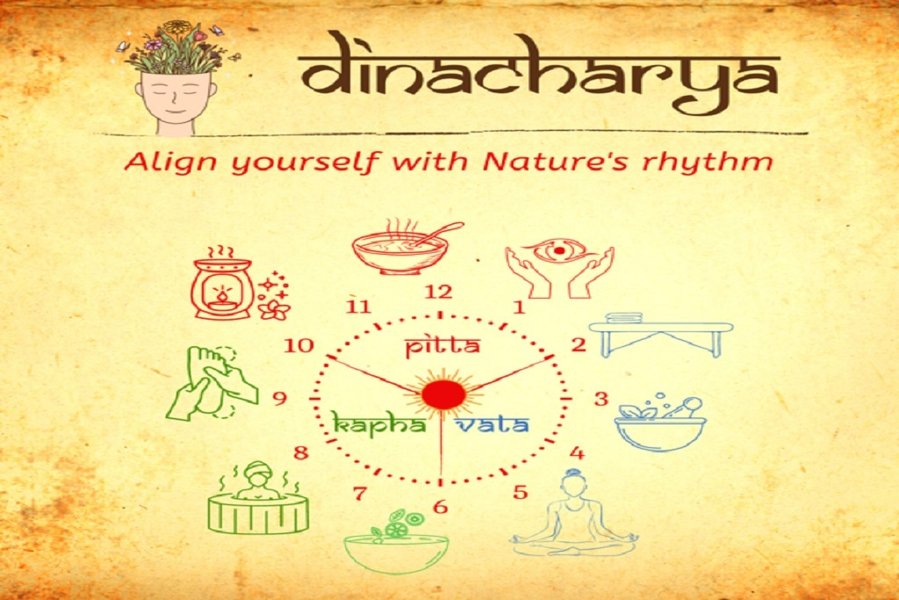

Moon Phase Morning Routines at a Glance
Here's a comprehensive overview of morning activities aligned with each lunar phase:
| Moon Phase | Ayurvedic Dosha | Energy Quality | Recommended Morning Activities | Foods to Favor |
|---|---|---|---|---|
| New Moon | Vata (Air & Space) | Introspective, quiet, renewal | Meditation, gentle yoga, journaling, intention-setting | Warm, grounding foods: oatmeal, stewed fruits, warm milk with spices |
| Waxing Moon | Kapha (Earth & Water) | Building, expansive, growing | More dynamic exercise, project planning, learning new skills | Nourishing, substantial foods: protein-rich meals, nuts, whole grains |
| Full Moon | Pitta (Fire & Water) | Peak energy, intense, expressive | Cooling practices, gratitude rituals, moon salutations, social connection | Cooling, calming foods: fresh fruits, coconut, mint tea, cucumber |
| Waning Moon | Vata-Kapha transition | Reflective, releasing, completing | Gentle detoxification, decluttering, restorative yoga, reflective journaling | Simple, easy-to-digest foods: kitchari, steamed vegetables, light soups |
Implementing Your Lunar Morning Routine
Embracing a lunar-aligned morning routine doesn't mean completely overhauling your life. Start by making small adjustments based on the current moon phase:
- Track the moon: Use a moon calendar app or website to know the current phase
- Start small: Choose just one activity to align with each phase
- Journal your experience: Notice how your energy shifts throughout the lunar cycle
- Be flexible: Honor your personal needs while gently aligning with lunar rhythms
- Connect with nature: Spend time outdoors in the early morning to strengthen your connection to natural cycles
Remember that lunar alignment is about awareness and gentle shifts, not rigid adherence to rules. Listen to your body and adjust as needed.
A Special Connection: Women's Cycles and the Moon
For menstruating individuals, there's often a natural relationship between lunar cycles and menstrual cycles. Some traditions note that the full moon can correlate with ovulation, while the new moon might align with menstruation. If you menstruate, you might notice that your cycle naturally synchronizes with the moon at certain times.
Whether or not your cycle aligns with the moon's phases, you can still benefit from tuning into both rhythms. Consider tracking both your menstrual cycle and the lunar cycle to observe patterns and adjust your morning activities accordingly.
Frequently Asked Questions
References
- An Ayurvedic Moon Routine: Live in Alignment with Lunar Cycles — BE Mind Body Skin
- Moon Phase Ritual Guide - Slow North
- How Moon Phases Assist Personal Growth - Shaman's Market
- What to Do During Moon Phases: How to Use Moon Rituals for Self-Care - Whimsy Soul
- Full Moon Ritual Self-Care - Farmer's Almanac
- The Connection Between the Moon, Body, and Mind | Ayurveda at AOLRC
Explore More
Last updated April 8, 2025