
Understanding Arthritis: Management and Symptom Relief
Exploring effective strategies for managing arthritis symptoms
Key Insights
- Arthritis is a chronic condition, not curable but manageable with a variety of treatments.
- Effective management is tailored to the type and severity of arthritis and often involves a combination of medication, lifestyle changes, and therapeutic interventions.
- A multi-disciplinary approach including medication, physical therapy, alternative treatments, and sometimes surgery can significantly improve quality of life.
Introduction
Arthritis, a term that encompasses over 100 different conditions, primarily affects the joints, leading to pain, swelling, and impaired movement. While there is no known cure for arthritis, extensive research and clinical practice have established that an integrated approach can manage and ease symptoms, improve joint function, and enhance overall quality of life. This comprehensive discussion explores current methods to manage arthritis, highlighting the importance of personalized care plans, integration of various treatment modalities, and lifestyle adaptations.
Understanding Arthritis: The Chronic Nature
Arthritis is inherently a chronic condition, indicating that it persists over time and generally worsens. While the term "cure" would suggest complete eradication of the illness, arthritis management is currently centered around symptom control and slowing disease progression. Different forms of arthritis, including osteoarthritis (OA) and rheumatoid arthritis (RA), involve unique pathologies that necessitate varied management strategies.
Why There Is No Definitive Cure
The inability to cure arthritis stems from its complex nature. Arthritis involves immune system dysregulation, chronic inflammation, and structural joint changes that are difficult to completely reverse. In rheumatoid arthritis, for example, the immune system mistakenly attacks healthy joint tissues, leading to chronic inflammation and joint damage. In osteoarthritis, the natural wear and tear of the joint cartilage occurs surprisingly slowly and sometimes exacerbates with aging and lifestyle factors. Both scenarios require long-term management rather than a one-time cure.
Treatment Modalities: A Comprehensive Approach
Medications and Injections
Pharmaceutical Interventions
Medications are a cornerstone in the management of arthritis. They help alleviate pain, reduce inflammation, and in some instances, slow the progression of joint damage.
- Over-the-counter pain relievers such as acetaminophen are commonly used for mild symptoms.
- Non-steroidal anti-inflammatory drugs (NSAIDs), including ibuprofen and naproxen, are effective in reducing both pain and inflammation.
- Corticosteroids, either taken orally or injected, offer powerful anti-inflammatory effects, particularly for worsening flare-ups.
- Disease-modifying antirheumatic drugs (DMARDs) are essential primarily in conditions such as rheumatoid arthritis. They work by modulating the immune system to prevent ongoing joint damage.
Joint Injections
In some cases, direct injections into the joint can offer significant relief. Options include corticosteroid injections to rapidly reduce inflammation and hyaluronic acid injections that help improve joint lubrication.
Lifestyle Changes and Home Remedies
Exercise and Physical Activity
Regular, low-impact exercise is crucial for maintaining joint flexibility and muscle strength. Activities such as swimming, cycling, and walking not only improve overall health but also help minimize joint stress. Incorporating a regular exercise routine can reduce stiffness and enhance mobility.
Weight Management
Maintaining a healthy weight reduces mechanical load on weight-bearing joints such as the knees and hips. Weight reduction can alleviate pain and prevent further joint deterioration, particularly in individuals with osteoarthritis.
Physical and Occupational Therapy
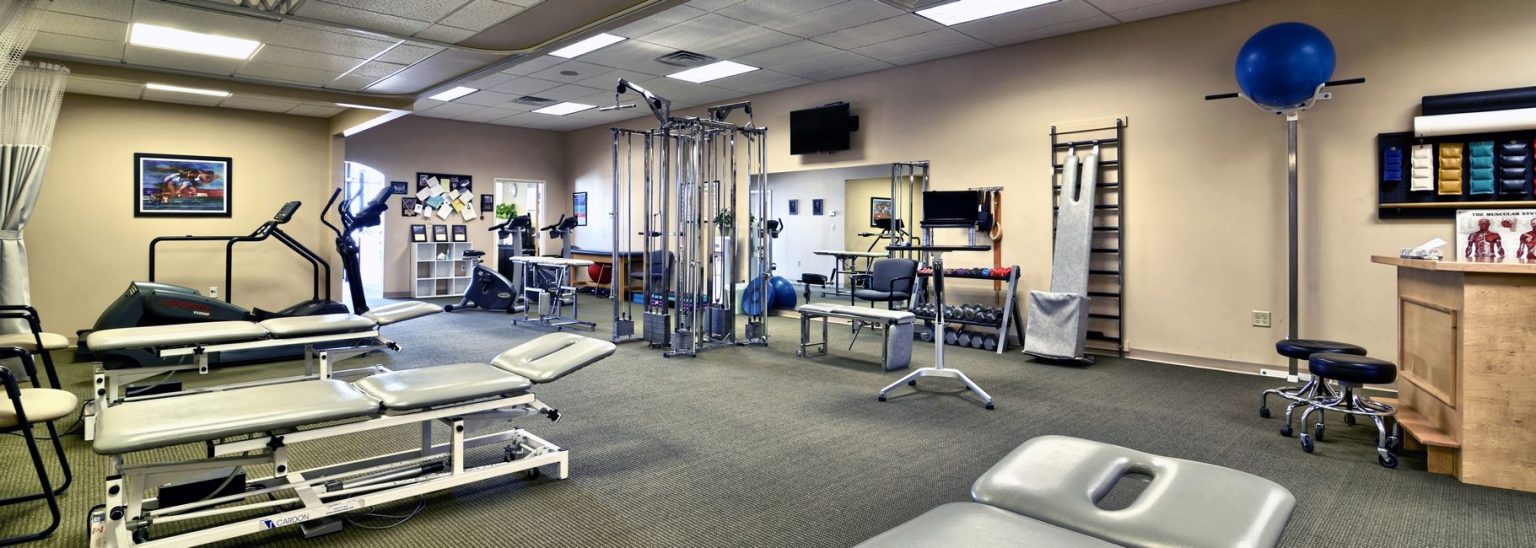
Physical therapy involves tailored exercise protocols designed to strengthen muscles and improve joint stability and range of motion. Occupational therapy, on the other hand, teaches techniques that aid in daily activities while minimizing joint strain. Both therapies play a pivotal role in ensuring that patients maintain independence in their daily lives.
Heat, Cold, and Alternative Methods
The use of heat and cold packs can be an effective self-management strategy to alleviate pain and inflammation. Heat therapy relaxes muscles and improves circulation, while cold therapy reduces swelling and numbs pain. Additionally, alternative methods such as acupuncture, massage, and yoga are sometimes incorporated to help manage pain and improve flexibility.
Complementary and Natural Remedies
Nutritional Supplements and Diet
Dietary modifications are frequently recommended to help manage arthritis symptoms. Consuming an anti-inflammatory diet—rich in fruits, vegetables, whole grains, and omega-3 fatty acids—can have a beneficial effect. Supplements such as glucosamine, chondroitin, and fish oil are often used by individuals seeking additional relief, although their efficacy may vary.
Herbal and Natural Compounds
Various herbs and natural compounds, including turmeric, ginger, and willow bark, have been explored for their anti-inflammatory properties. While these remedies are popular among many, it is essential for individuals to consult with healthcare providers before incorporating them into a treatment regimen to avoid potential interactions with other medications.
Surgical Intervention Options
In cases where joint damage is extensive and other treatments have failed to deliver sufficient relief, surgical options may be considered. These procedures are typically viewed as a last resort when non-surgical interventions no longer suffice.
Joint Replacement Surgery
Joint replacement, often performed on knees, hips, or shoulders, involves replacing a damaged joint with an artificial prosthesis. This procedure significantly reduces pain and improves function for many patients.
Joint Fusion and Arthroscopy
Joint fusion, in which bones are permanently joined together, can provide pain relief but at the expense of some mobility. Arthroscopic surgery, a less invasive procedure, is used to clean out the joint or repair damaged tissues. Surgical decisions are highly individualized and depend on factors such as the extent of joint damage and the patient’s overall health.
The Importance of a Personalized Treatment Plan
Given that arthritis manifests differently in each individual, it is crucial to develop a personalized treatment plan. A comprehensive management strategy:
- Assesses the specific type of arthritis involved. Different treatments are effective for osteoarthritis compared to rheumatoid arthritis.
- Considers the severity of the condition. The intensity of treatment can range from conservative management with lifestyle adjustments to aggressive medication regimens.
- Integrates both medical and non-medical approaches. A dual approach that combines pharmaceuticals with physical therapy, alternative treatments, and lifestyle changes tends to yield the best results.
Collaborative Care Approach
Effective management of arthritis is best achieved through a collaborative effort between the patient and a range of healthcare professionals. This team may include rheumatologists, primary care physicians, physical therapists, occupational therapists, dietitians, and sometimes mental health professionals. Each specialist contributes a unique perspective to manage the multifaceted symptoms associated with arthritis.
Summary Table: Overview of Arthritis Management Strategies
| Treatment Category | Description | Examples |
|---|---|---|
| Medications | Drugs that reduce inflammation, alleviate pain, and modify disease progression. | NSAIDs, corticosteroids, DMARDs |
| Physical Therapy & Exercise | Targeted exercises and physical activities to enhance joint stability and mobility. | Swimming, low-impact aerobics, stretching routines |
| Lifestyle Changes | Modifications in daily routines to ease joint stress and improve overall health. | Weight management, ergonomic adjustments, stress reduction |
| Alternative Therapies | Non-traditional treatments that provide supplementary relief. | Acupuncture, herbal supplements, massage therapy |
| Surgery | Interventions designed to repair or replace damaged joints. | Joint replacement, arthroscopic surgery, joint fusion |
Myths and Realities about Arthritis
Myth: There is a Definitive “Cure”
It is a common misconception that arthritis can be cured completely. In reality, while advancements in medical sciences have significantly improved symptom management and quality of life, they are geared toward long-term control rather than a permanent cure. Current treatments focus on managing symptoms, preventing joint degradation, and maintaining mobility.
Reality: Continuous and Adaptive Management
Patients with arthritis benefit most from adaptive strategies that change over time. As arthritis is a progressive condition, treatment plans are often reassessed and modified based on improvements or deteriorations in joint function, pain levels, and overall health status. A dynamic treatment approach allows individuals to maintain a productive lifestyle despite chronic symptoms.
Integrating Research and Clinical Practice
Emerging Therapies and Future Prospects
Research on arthritis continues to make significant strides, particularly in understanding the immunological basis of inflammatory arthritis. While a definitive cure remains elusive, several promising therapies are under investigation. Innovations such as biologic agents, improved delivery systems for medications, and regenerative medicine techniques are being explored to slow or potentially reverse joint damage.
Patient Education and Empowerment
Educating patients about their condition plays a vital role in long-term management. Informed patients are better equipped to make decisions regarding lifestyle adjustments, dietary choices, and adherence to prescribed treatment protocols. Many health organizations provide comprehensive educational resources and patient support groups that foster community and shared learning.
The Role of Emotional and Social Support
Living with a chronic condition like arthritis can be challenging not just physically, but also emotionally and socially. Managing stress through mindfulness, counseling, or support groups is an indispensable component of an effective treatment plan. A robust support network helps individuals cope with the physical limitations and emotional stresses of a chronic disease, enhancing resilience and overall well-being.
Importance of Mental Health
Research has shown that mental health is closely linked to physical health. Patients with arthritis who receive proper emotional support often report improved outcomes. Integrating mental health strategies, such as cognitive behavioral therapy (CBT) and stress management techniques, can bolster one’s ability to handle chronic pain and adapt to lifestyle changes.
Comprehensive Self-Management Strategies
In addition to professional medical treatments, individuals are encouraged to adopt comprehensive self-management strategies. These include maintaining a balanced diet, engaging in regular physical activity, and continuously monitoring symptoms to adjust lifestyle choices accordingly. Using self-management applications or diaries to track flare-ups, physical activity, and dietary habits can provide valuable insights over time.
Creating a Personalized Self-Care Routine
Developing a self-care routine that fits one’s personal circumstances is crucial. Often, this involves:
- Scheduling regular, moderate exercise sessions that do not overtax the joints.
- Implementing ergonomic arrangements at work and home to prevent strain.
- Utilizing complementary therapies such as meditation or gentle yoga to manage stress.
These routines, when combined with professional guidance, contribute significantly toward managing symptoms and improving day-to-day functioning.
Monitoring and Adjusting Treatment Plans
The chronic nature of arthritis requires continuous monitoring and periodic re-evaluation of treatment plans. Healthcare professionals may use a combination of imaging techniques, blood tests, and physical assessments to gauge disease progression. Based on these evaluations, treatment regimens can be modified to better suit the evolving needs of the patient.
Technology in Arthritis Management
Advances in technology have vaulted arthritis management into a new era. Wearable devices, mobile apps, and telemedicine enable patients to monitor their symptoms in real time. These technologies facilitate a more responsive approach to treatment, allowing healthcare providers to fine-tune therapies as needed and empower patients with direct control over their management plans.
Conclusion
In summary, while there is no cure for arthritis, a multifaceted treatment approach can effectively manage its symptoms, slow disease progression, and enhance quality of life. A personalized treatment plan that considers the type and severity of arthritis, integrates medications, lifestyle modifications, physical and occupational therapy, and alternative therapies proves most beneficial. Continuous monitoring, patient education, and integrating emerging technological advances further empower patients in managing their condition. It is essential to work closely with healthcare professionals to tailor a strategy that fits one’s unique needs, continuously reassessing and adapting management approaches as the condition evolves.
Embracing both medical and self-management strategies helps patients maintain their independence and overall well-being despite the chronic nature of the condition. As research continues, future advancements may further refine these approaches, offering even more effective ways to manage arthritis.
References
- Arthritis Treatment - Arthritis Foundation
- Arthritis - Johns Hopkins Medicine
- How Arthritis Is Treated - Verywell Health
- Osteoarthritis Treatment - Mayo Clinic
- Understanding Arthritis Treatment - WebMD
Recommended
Last updated February 26, 2025