
Unlocking Relief: The Role of Shockwave Therapy in Pseudogout Management
Exploring the Efficacy and Mechanisms of Extracorporeal Shockwave Therapy for Calcium Pyrophosphate Deposition Disease
Key Insights into Shockwave Therapy for Pseudogout
- Targeted Crystal Breakdown: Extracorporeal Shockwave Therapy (ESWT) is primarily used for pseudogout because it helps break down calcium pyrophosphate (CPP) crystals in the joints, a distinct mechanism compared to gout which involves uric acid crystals.
- Promising Efficacy in Calcific Conditions: While direct, extensive research specifically on ESWT for pseudogout is still evolving, studies have shown its effectiveness in treating other calcific conditions like chronic calcific shoulder tendinitis and hydroxyapatite deposition disease, suggesting a strong potential for pseudogout.
- Non-Invasive Therapeutic Option: ESWT offers a non-invasive alternative to traditional treatments, utilizing powerful acoustic pulses to stimulate healing processes, reduce pain, and improve joint function, often requiring conscious sedation for high-energy applications.
Pseudogout, also known as Calcium Pyrophosphate Dihydrate (CPPD) deposition disease, is a form of arthritis characterized by the accumulation of calcium pyrophosphate crystals in the joints, leading to sudden, intense pain, swelling, and inflammation. While it shares some symptomatic similarities with gout, the underlying crystal composition is different, making distinct treatment approaches necessary. In recent years, Extracorporeal Shockwave Therapy (ESWT) has emerged as a promising non-invasive therapeutic option for various musculoskeletal conditions involving calcifications. This comprehensive overview delves into the existing research on ESWT for pseudogout, its mechanisms, applications, and its place within the broader spectrum of pseudogout management.
Understanding Pseudogout: A Crystalline Challenge
The Nature of Calcium Pyrophosphate Deposition
Pseudogout is a chronic condition arising from the local overproduction of pyrophosphate in cartilage, leading to the deposition of CPPD crystals. These crystals can accumulate in cartilage and other tissues around joints. Acute episodes occur when these crystals shed from the cartilage, often triggered by surgery, direct joint trauma, or inflammation. The knee is most commonly affected in about 50% of acute attacks, followed by the wrist and ankle. Unlike gout, which involves uric acid crystals, pseudogout is characterized by calcium pyrophosphate crystals, making it a distinct type of crystal-induced arthritis.
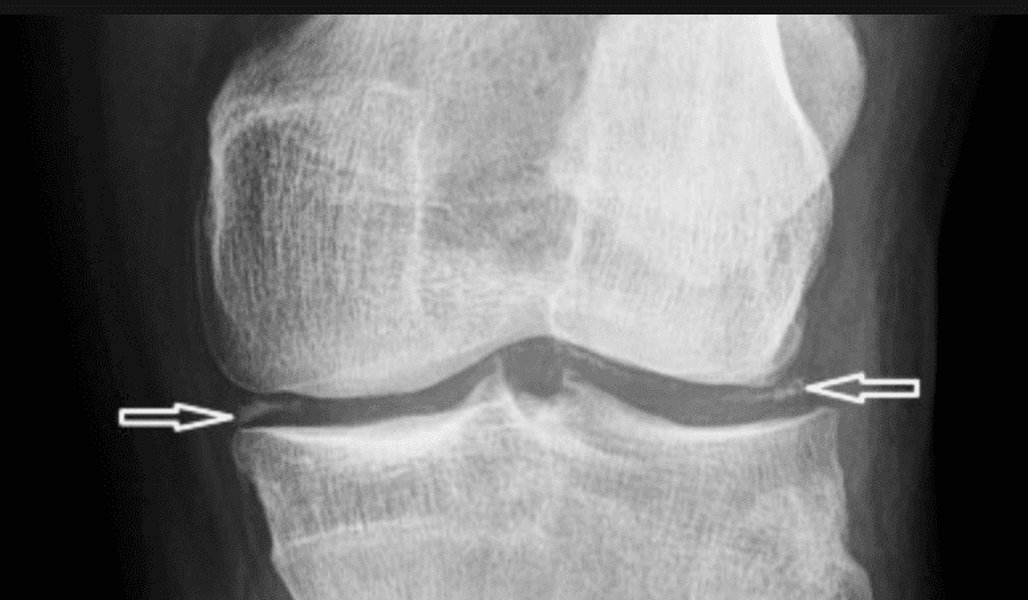
An illustration depicting a knee joint with calcium pyrophosphate crystal deposition, characteristic of pseudogout.
The diagnosis of pseudogout typically involves examining joint fluid under a microscope to identify the characteristic calcium pyrophosphate crystals. While there is currently no cure for pseudogout, various treatments focus on managing symptoms and improving joint function. Current management strategies are primarily directed at relieving the symptoms of joint inflammation, as there are no agents available that directly reduce the crystal burden, unlike in gout.
Extracorporeal Shockwave Therapy: A Healing Modality
The Principles of ESWT
Extracorporeal Shockwave Therapy (ESWT) is a non-invasive intervention that utilizes powerful acoustic pulses to deliver energy to soft tissues. Initially developed for lithotripsy to treat kidney stones in the 1980s, its application expanded to orthopedics and physical therapy upon discovering its ability to induce tissue repair and regeneration. The shockwaves are generated using electrohydraulic, electromagnetic, or piezoelectric principles. These waves, particularly focused shockwaves (F-SWT), can be targeted precisely to affected areas, while radial pressure waves (R-SWT) exert maximal energy at the skin surface and attenuate deeper. ESWT promotes healing by stimulating blood flow and metabolism, which is particularly beneficial in areas with limited blood supply, such as tendons. It can also mimic the forces experienced during trauma, promoting tissue and bone regrowth and healing.
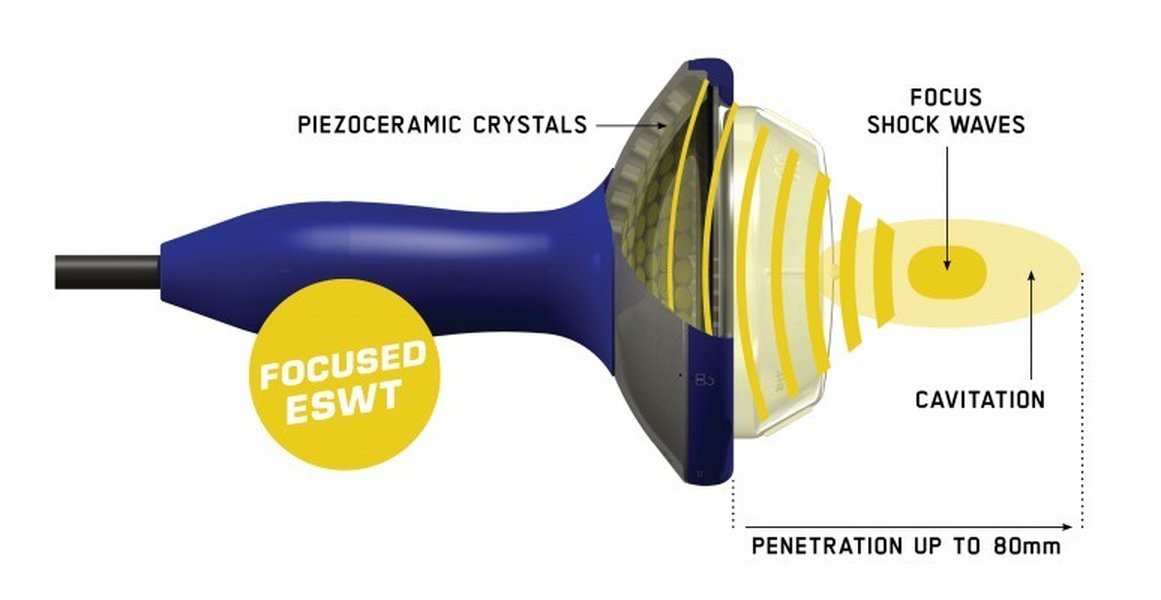
A visual representation of focused shockwave therapy, illustrating how acoustic waves are directed to a specific target area.
ESWT Parameters and Application
ESWT involves the application of energy ranging from 0.06 to 0.55 mJ/mm² at 1000 to 6000 impulses per session to the calcified area. High-energy ESWT may require conscious sedation for patient comfort. The therapy is generally considered safe for most people, with potential side effects like transient erythema or mild hematoma, but no significant discomfort in daily life or late adverse events. While the exact mechanism remains under investigation, animal experiments suggest that ESWT induces biological responses and molecular changes, including new blood vessel formation and upregulation of angiogenic growth factors.
Research on Shockwave Therapy for Pseudogout
Direct and Indirect Evidence
Direct research on shockwave therapy specifically for pseudogout (CPPD crystal arthritis) is limited but promising. A key distinction between gout and pseudogout is the crystal type: uric acid in gout versus calcium pyrophosphate in pseudogout. ESWT's ability to break down calcium deposits is a significant advantage in the context of pseudogout.
- Calcific Tendinitis and Hydroxyapatite Deposition Disease: ESWT has shown effectiveness in treating other calcific conditions, such as chronic calcific shoulder tendinitis and hydroxyapatite deposition disease. These conditions, like pseudogout, involve calcium deposits. Studies have demonstrated ESWT's ability to reduce pain and promote healing in these contexts. For instance, high-energy ESWT has been shown to be effective in calcific shoulder tendinitis, sometimes leading to a reduction in the size of the calcium deposit.
- Broader Musculoskeletal Applications: ESWT has been successfully applied to a variety of musculoskeletal injuries and conditions, including rotator cuff tendinopathy, lateral epicondylitis, plantar fasciitis, and patellar tendinopathy. While these are not directly pseudogout, they highlight ESWT's general efficacy in addressing pain and promoting healing in soft tissues and areas with tendinous or ligamentous calcifications.
- Rheumatic Disease Case Series: Some studies, such as case series on patients with rheumatic diseases, have included individuals with pseudogout receiving ESWT for musculoskeletal complaints. These studies, while not randomized controlled trials specifically for pseudogout, indicate that ESWT is being explored in this patient population.
Mechanism of Action in Crystal-Associated Conditions
For pseudogout, the proposed mechanism of action for ESWT is primarily related to its ability to mechanically break down calcium pyrophosphate crystals and stimulate a healing response. The shockwaves deliver mechanical force that can lead to fragmentation of the deposits, which can then be resorbed by the body. Additionally, ESWT induces microtrauma and cellular responses that enhance blood supply and promote tissue regeneration, contributing to pain reduction and improved joint function.
It is important to note that while ESWT shows promise, particularly for calcific conditions, more dedicated randomized controlled trials focusing specifically on pseudogout are needed to firmly establish its systematic use and define optimal treatment protocols for this condition.
Current Management Strategies for Pseudogout
Conventional Approaches and Emerging Therapies
The treatment of pseudogout primarily focuses on alleviating symptoms and managing inflammation. Unlike gout, where agents can reduce uric acid levels, there are no specific drugs that directly remove CPPD crystals from the joints. Common approaches include:
- Nonsteroidal Anti-inflammatory Drugs (NSAIDs): These are often the first line of treatment for acute pseudogout attacks to reduce pain and inflammation.
- Corticosteroids: Oral corticosteroids or intra-articular steroid injections can effectively relieve acute pain and inflammation, particularly when NSAIDs are contraindicated or ineffective.
- Colchicine: Low-dose colchicine can be used as a prophylactic agent to prevent recurrent acute attacks, similar to its use in gout. However, side effects can limit its use in some patients.
- Joint Aspiration and Lavage: Removing fluid from the affected joint with a needle can provide immediate relief from pain and pressure. This procedure can also be combined with steroid injections.
- Anakinra: For severe, refractory cases, drugs targeting the interleukin-1 (IL-1) pathway, such as anakinra, show promise by blocking inflammatory responses.
The following table summarizes the key conventional and emerging treatments for pseudogout, highlighting their mechanisms and applications:
| Treatment Modality | Primary Mechanism | Application in Pseudogout |
|---|---|---|
| NSAIDs | Reduce inflammation and pain | First-line for acute attacks |
| Corticosteroids (oral/intra-articular) | Potent anti-inflammatory effects | Acute attacks, targeted joint relief |
| Colchicine | Anti-inflammatory, prevents crystal-immune interaction | Prophylaxis against acute attacks |
| Joint Aspiration & Lavage | Physical removal of fluid, pressure relief | Acute relief, diagnostic confirmation |
| Anakinra (IL-1 pathway inhibitors) | Blocks inflammatory cytokine pathways | Severe, refractory pseudogout |
| Extracorporeal Shockwave Therapy (ESWT) | Breaks down calcium deposits, stimulates healing | Investigational, promising for calcifications, potential for long-term management |
The Future of Shockwave Therapy in Pseudogout
Bridging the Research Gaps
While current research provides strong indications of ESWT's potential in managing pseudogout due to its effectiveness in other calcific conditions, further dedicated studies are crucial. The heterogeneity in study designs, treatment protocols, and energy levels in existing research makes it challenging to establish a "best practice" approach for pseudogout specifically. Future research should focus on:
- Randomized Controlled Trials: Conducting large-scale randomized placebo-controlled trials specifically for pseudogout to definitively assess ESWT's efficacy, optimal dosing, and long-term outcomes.
- Mechanism Elucidation: Further exploring the precise cellular and molecular mechanisms by which ESWT affects CPPD crystals and the surrounding joint tissues.
- Combination Therapies: Investigating the potential benefits of combining ESWT with other conventional pseudogout treatments to enhance overall patient outcomes.
- Patient Selection Criteria: Identifying specific patient profiles or disease characteristics that might respond best to ESWT for pseudogout.
Comparative Efficacy and Safety Profile
To better understand ESWT's role, let's consider a radar chart comparing its perceived efficacy and safety against conventional treatments for pseudogout, based on current research and clinical understanding. Please note, this chart represents an opinionated analysis for illustrative purposes, as comprehensive comparative data specifically for pseudogout and ESWT is still emerging.
This radar chart visually compares ESWT with common conventional treatments like NSAIDs/Corticosteroids and Colchicine across several key performance indicators relevant to pseudogout management. ESWT shows a strong theoretical advantage in "Crystal Breakdown" due to its mechanical action, an area where other pharmacological treatments do not directly intervene. It also scores well on "Invasiveness" as a non-surgical option and potentially offers good "Pain Reduction" and "Long-term Efficacy" based on its application in similar calcific conditions. However, conventional anti-inflammatory drugs might excel in "Inflammation Control" during acute flares. "Side Effects" and "Patient Comfort" can vary across all modalities, depending on individual response and the specific ESWT energy levels used.
Educational Resources and Clinical Perspectives
Deepening Understanding of Pseudogout and ESWT
For a deeper understanding of pseudogout, including its pathophysiology, symptoms, and various treatment options, educational videos can provide valuable insights. The video below offers a comprehensive overview of pseudogout from a medical perspective, covering aspects that are relevant to understanding the broader context of its treatment, including potential roles for advanced therapies like ESWT.
This video from JJ Medicine provides a detailed explanation of Pseudogout, including its pathophysiology, symptoms, and various treatment approaches, offering a comprehensive clinical perspective.
This resource, along with others, emphasizes that while symptomatic relief is the current mainstay, ongoing research into therapies like ESWT aims to provide more targeted solutions for crystal deposition diseases. The complexity of pseudogout, often affecting older patients with multiple comorbidities, underscores the need for diverse and effective treatment modalities.
Frequently Asked Questions (FAQ)
What is the main difference between gout and pseudogout?
Is shockwave therapy FDA-approved for pseudogout?
Are there any side effects of ESWT for joint conditions?
Can ESWT prevent future pseudogout attacks?
Conclusion
Extracorporeal Shockwave Therapy (ESWT) holds significant promise as a non-invasive treatment modality for pseudogout, particularly given its demonstrated efficacy in breaking down calcium deposits in other musculoskeletal conditions like calcific tendinitis. While direct, extensive research specifically on ESWT for CPPD crystal arthritis is still in its nascent stages, the underlying mechanisms of action suggest a strong theoretical basis for its application. As a therapy that can reduce pain, stimulate healing, and potentially aid in the mechanical disruption of crystals, ESWT offers a valuable addition to the current symptomatic management strategies for pseudogout. Continued rigorous research, including randomized controlled trials, is essential to fully elucidate its role, optimize treatment protocols, and solidify its position as a standard therapeutic option for individuals living with pseudogout.
Recommended Further Exploration
- Explore the biological processes behind calcium pyrophosphate crystal formation in joints.
- Delve deeper into comparative studies between ESWT and traditional pseudogout therapies.
- Investigate cutting-edge research and emerging treatments for various crystal deposition arthropathies.
- Understand the long-term effectiveness of ESWT in conditions similar to pseudogout.
References
Last updated May 21, 2025